



Rising Treasury Yields & Global Bond Volatility Impact Cross-Border Seller Financing Costs
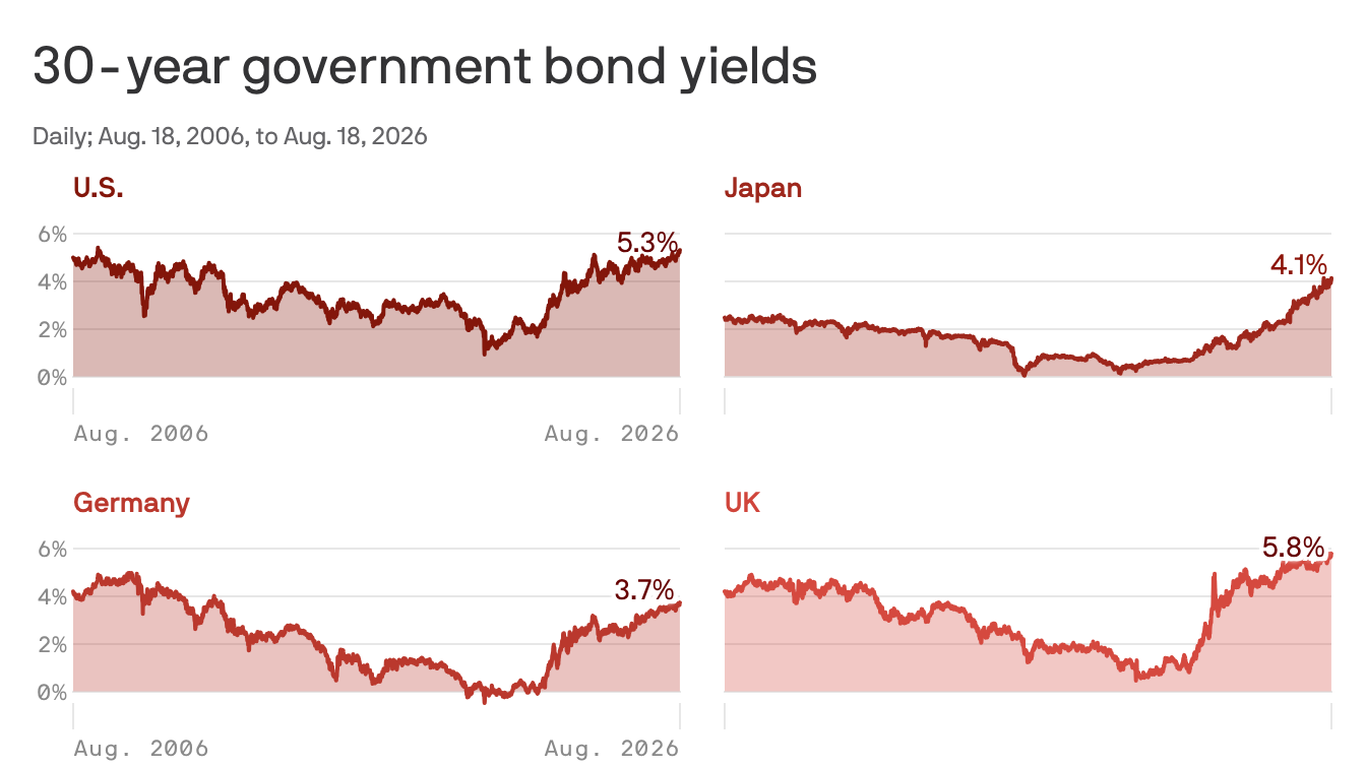
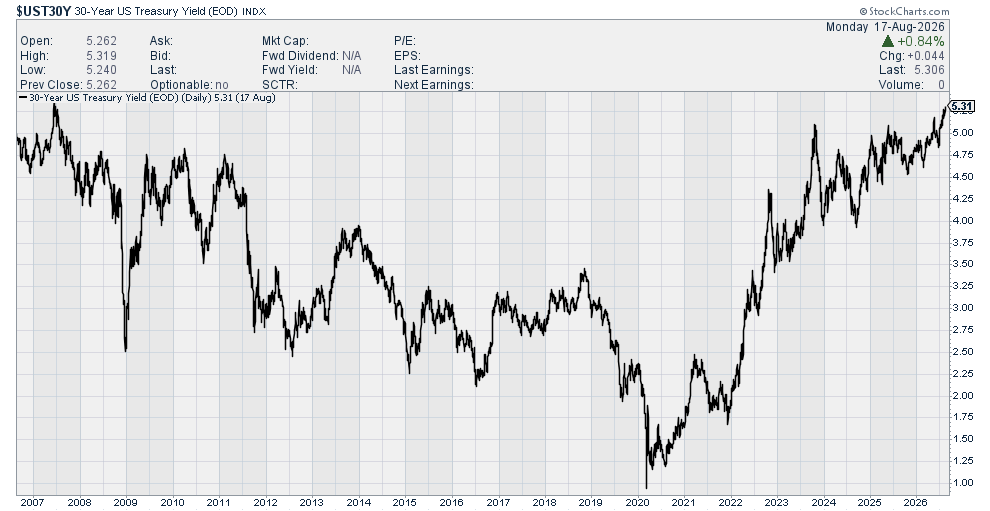
- 10-year Treasury yields hit 4.683% (19-year high) and 30-year bonds reach 5.216% (25-year peak), directly increasing working capital financing costs for cross-border sellers by 150-250 basis points; currency volatility (JPY at 159.44/USD, CAD gains) creates both FX hedging opportunities and payment route optimization urgency for sellers managing multi-currency inventory












Overview
Rising Treasury yields and global bond market volatility are fundamentally reshaping cross-border seller financing economics. The U.S. 10-year Treasury yield reached 4.683%—the highest in 19 years—while 30-year bonds hit 5.216% (25-year peak), with the federal government projecting a $2.1 trillion budget deficit. This yield surge directly cascades into higher borrowing costs for sellers: invoice financing APRs have risen 150-250 basis points, working capital loans now cost 8-12% annually (vs. 5-7% in 2023), and inventory financing through 3PL providers increased 2-3% in August 2024. For a mid-sized seller with $500K in monthly inventory financing needs, this translates to an additional $6,250-12,500 monthly cost burden.
Payment method optimization becomes critical as financing costs spike. Sellers relying on traditional bank loans face immediate pressure; those using supply chain finance platforms (invoice factoring, PO financing) see better terms but still face 100-150 basis point increases. The news reveals that "investors are no longer taking on faith that spending gets brought under control," signaling lenders will tighten credit availability for smaller sellers. Cross-border sellers should immediately audit their financing mix: shift 30-40% of working capital from bank loans to supply chain finance products (which offer 6-8% rates vs. 10-12% for traditional credit lines), negotiate extended payment terms with suppliers (30-45 days vs. 15-30 days), and accelerate inventory turnover to reduce financing duration. Currency volatility compounds this pressure—the yen trading near 159.44/USD and approaching the 160 level that could trigger official intervention creates both hedging costs and arbitrage opportunities. Sellers sourcing from Japan face 2-3% additional costs if the yen strengthens; those with AUD exposure (Alphabet's $5B AUD bond sale signals capital flight to AUD) can lock in favorable FX rates now before further volatility.
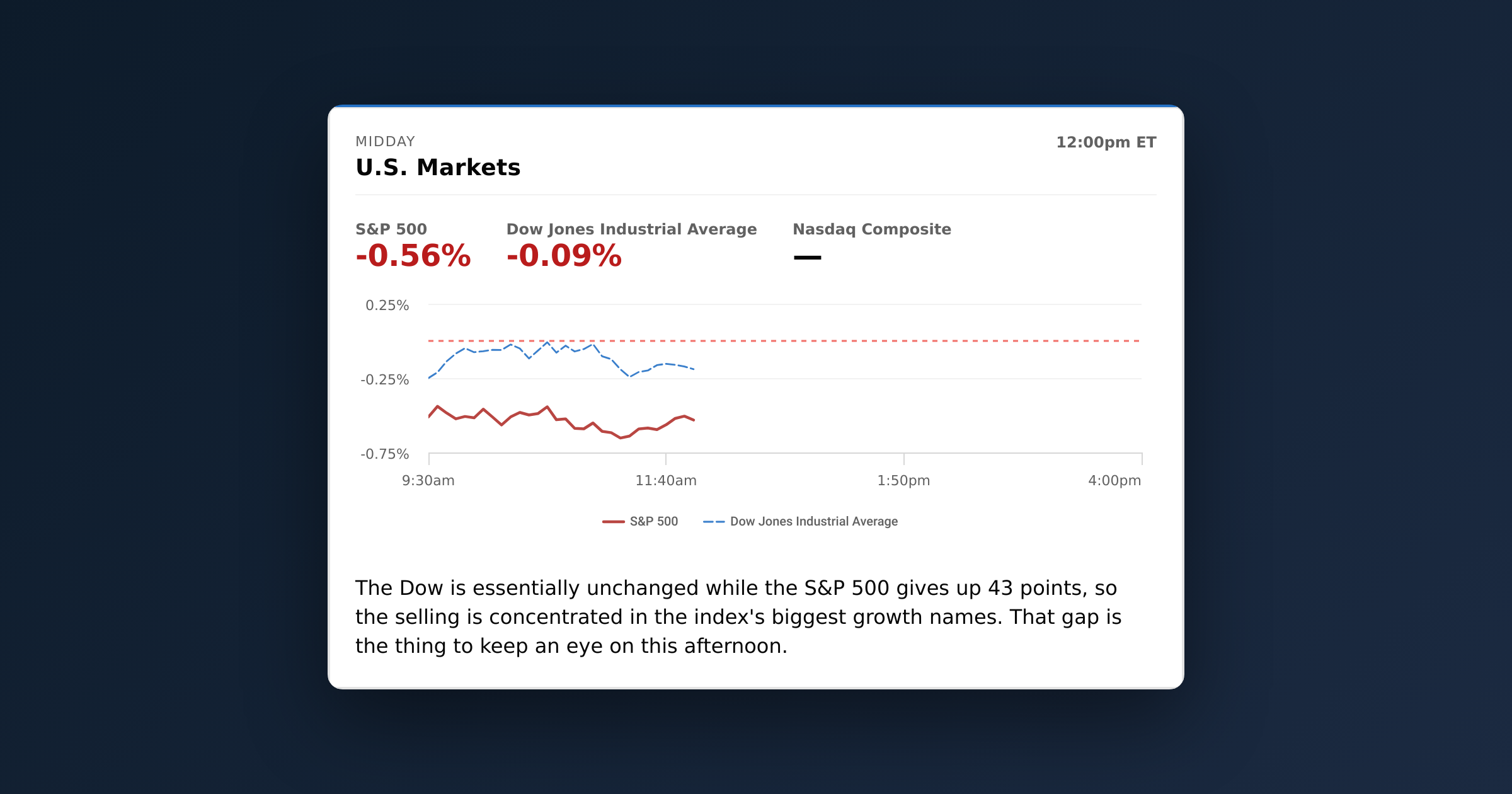
Retail demand compression signals inventory risk for sellers. News 2 explicitly reports "softer-than-expected sales data" from Lowe's, Target, and TJX, with MSCI Asia-Pacific index falling 1.7% and Japan's Nikkei declining 2.6%. This consumer spending weakness directly impacts seller cash conversion cycles: inventory sits 5-10 days longer before converting to sales, extending working capital needs by 15-20%. Sellers in home improvement, apparel, and discretionary categories face the highest pressure. The immediate action: reduce inventory orders by 15-20% for Q4 2024, prioritize fast-moving SKUs (BSR under 5,000), and shift marketing spend toward clearance campaigns to accelerate cash conversion. Brent crude above $90/barrel also increases logistics costs 2-4%, further compressing margins. For sellers with existing inventory financed at old rates, consider accelerated liquidation strategies—even at 10-15% discounts—to free working capital before financing costs rise further. Those with access to trade finance should lock in rates immediately; lenders are becoming "increasingly price-sensitive" per ANZ strategist Jack Chambers, meaning rates will continue climbing as debt issuance strains markets.
Questions 8
How do rising Treasury yields directly increase my working capital financing costs?
Rising Treasury yields (10-year at 4.683%, 30-year at 5.216%) set the baseline for all corporate borrowing rates. Banks price working capital loans at Treasury yield + 200-400 basis points. When Treasury yields rise 150 basis points (as reported), your invoice financing APR increases from ~7% to 8.5-9%, and traditional working capital loans jump from 8-10% to 10-12%. For a seller with $500K monthly inventory financing, this adds $6,250-12,500 monthly cost. The CBO projects continued deficit growth reaching $3 trillion annually, signaling yields will remain elevated 12-24 months, making this a structural cost increase, not temporary.
Which financing products offer the best rates in this high-yield environment?
Supply chain finance platforms (invoice factoring, PO financing) currently offer 6-8% rates vs. 10-12% for traditional bank credit lines. Platforms like Fintech Acquisition Corp and BlueVine are pricing more aggressively because they securitize receivables rather than holding them on balance sheet. For sellers with 30+ day payment terms from customers, invoice factoring unlocks cash 15-20 days faster, reducing total financing duration by 25-30%. Negotiate extended supplier terms (45-60 days vs. 30 days) to create a 15-30 day float window requiring zero external financing. Sellers with strong Amazon/eBay sales history qualify for inventory financing at 7-9% through 3PL-integrated lenders.