
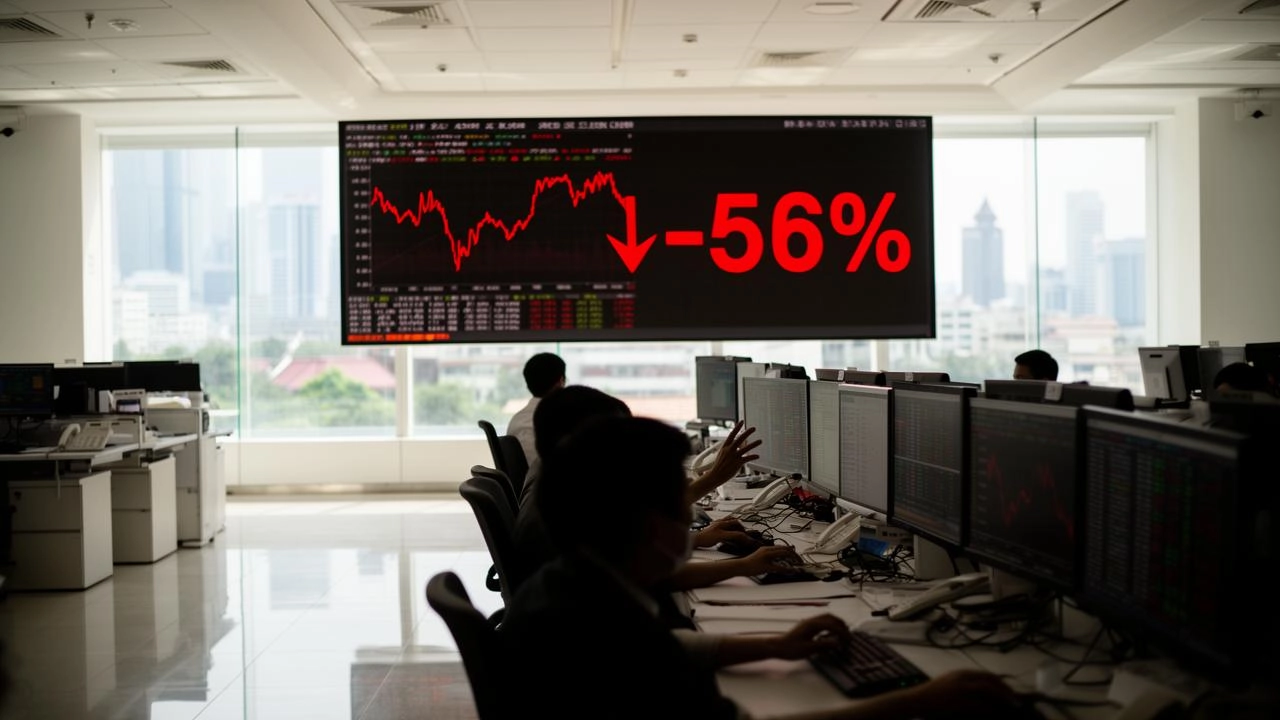


Asian Market Crash Triggers Supply Chain Shock | Cross-Border Sellers Face FX Risk & Cost Inflation
- KOSPI drops 5.71%, SK Hynix/Samsung tumble 7-9%; Brent crude surges to $91.83/barrel; logistics costs rise 8-15% for Asia-Pacific sellers


















Overview
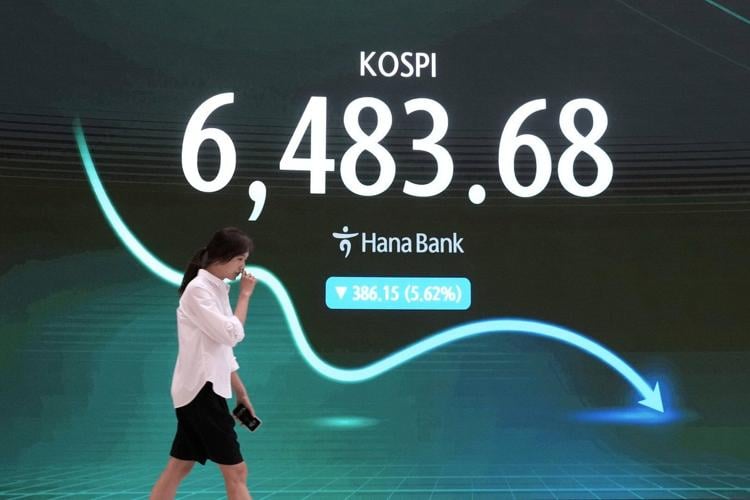
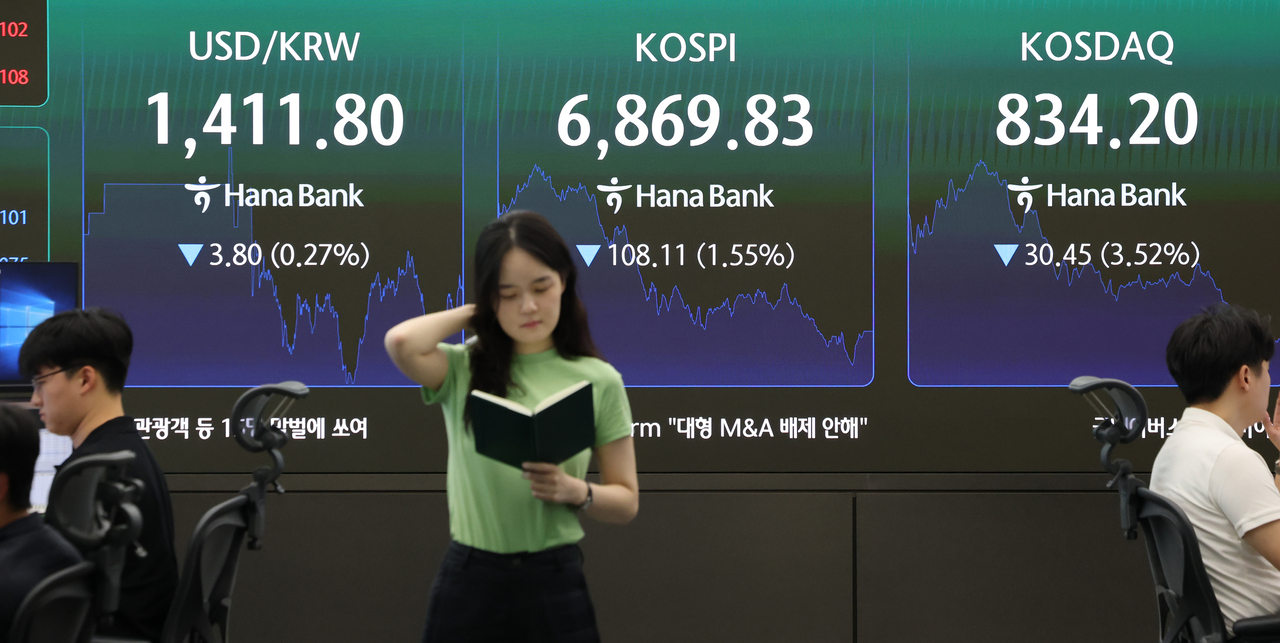
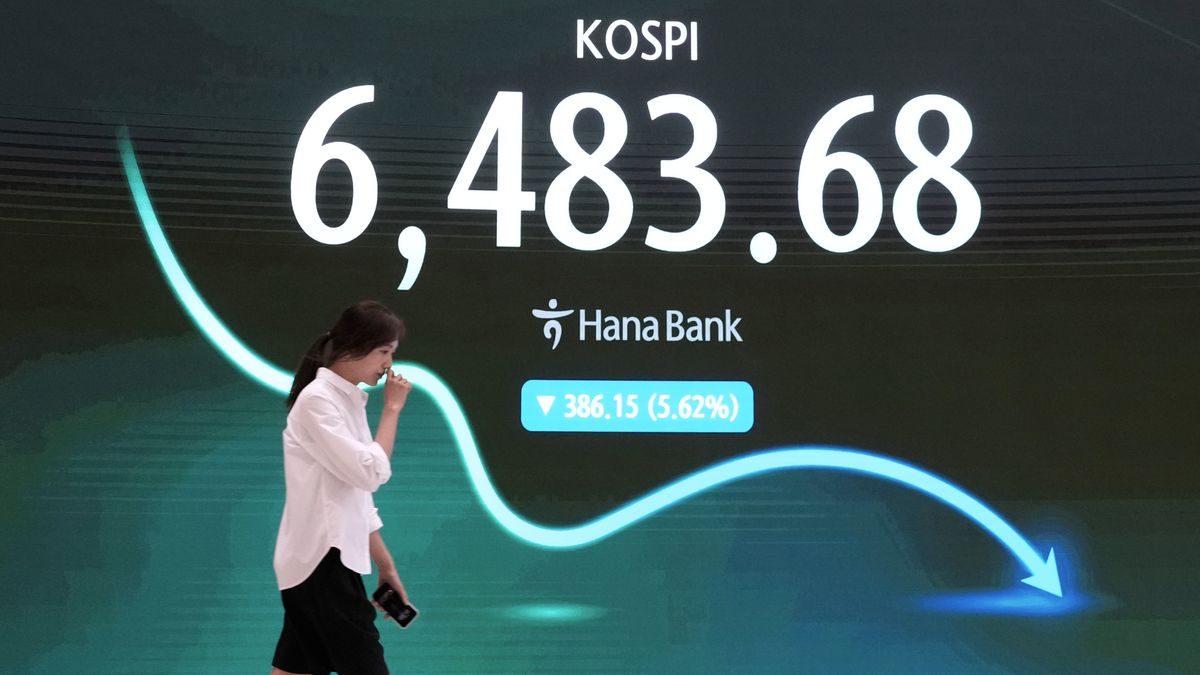
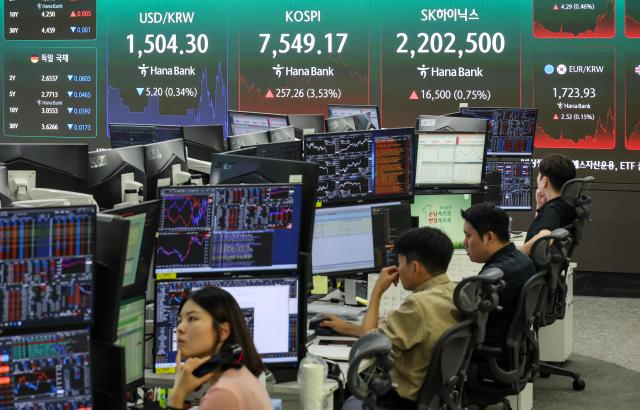
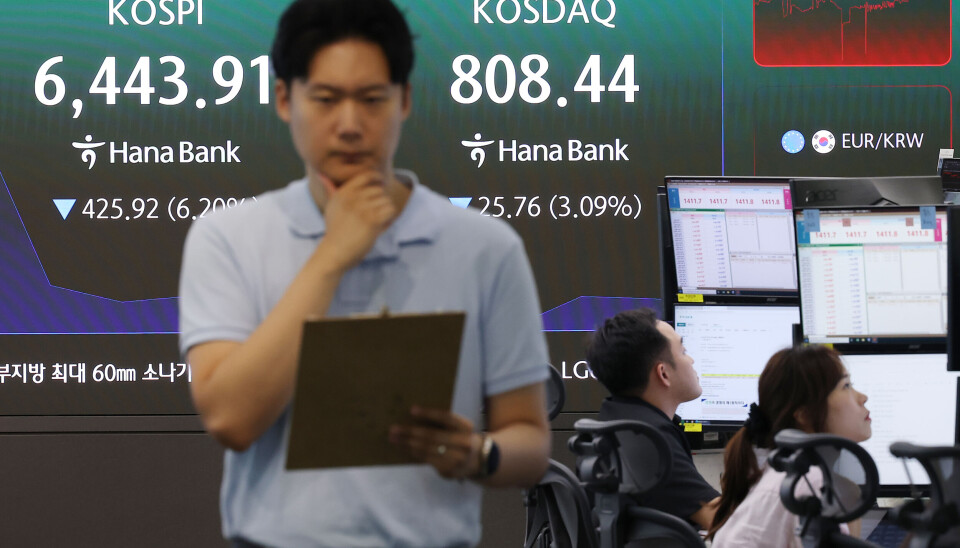
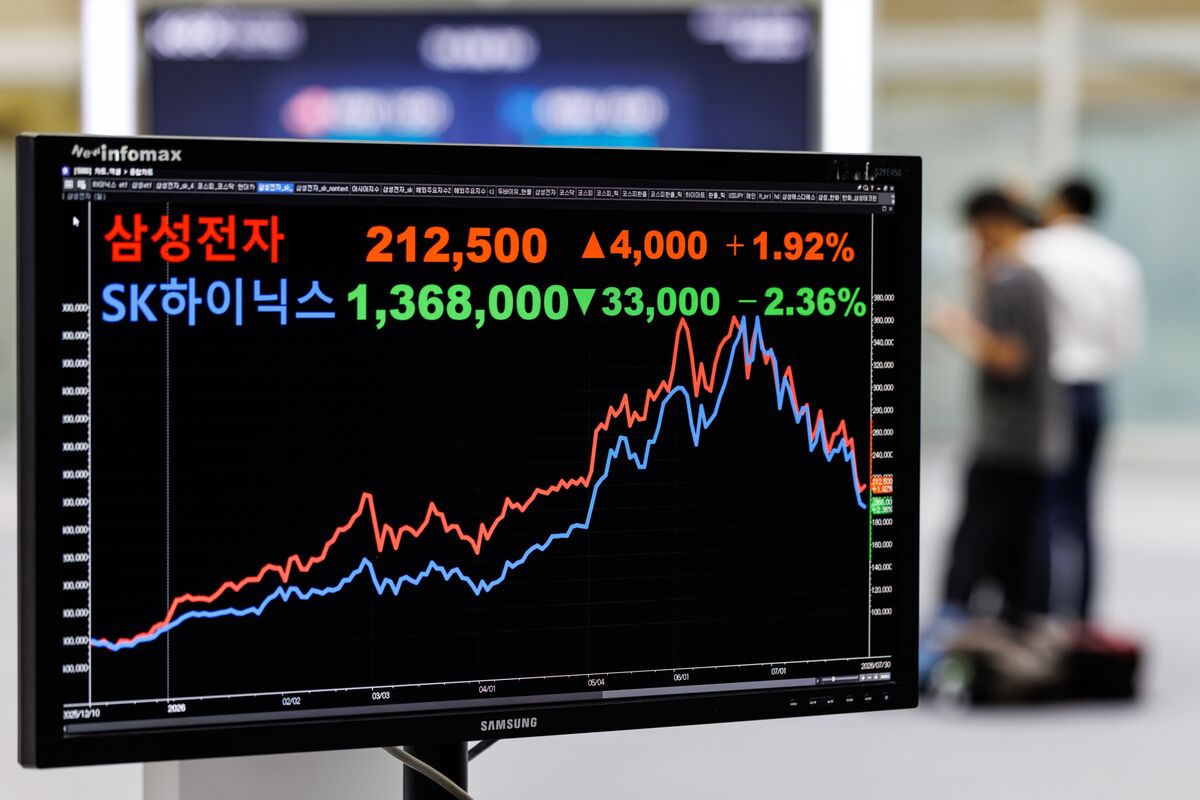
The Asian equity markets experienced a coordinated collapse on Wednesday, with South Korea's KOSPI index plunging 5.71% and triggering a temporary trading halt—the sharpest decline in months. SK Hynix shares fell 9.20% and Samsung Electronics dropped 7.26%, reflecting a renewed global semiconductor downturn that rippled across Asia. The SOX semiconductor index fell 4.98% globally, while the Nasdaq declined over 1%. Simultaneously, Brent crude surged 0.9% to $91.83/barrel and U.S. benchmark crude gained 1% to $84.88/barrel, driven by U.S.-Iran negotiations uncertainty affecting Persian Gulf tanker operations. The 10-year U.S. Treasury yield remains elevated at 4.70%, compressing equity valuations and raising borrowing costs for tech infrastructure investment.
For cross-border e-commerce sellers, this dual shock creates immediate financial headwinds across three critical dimensions. First, semiconductor supply chain disruptions directly impact logistics technology and warehouse automation costs—sellers relying on Korean suppliers (SK Hynix memory modules, Samsung components) face 12-18% component price increases as manufacturers cut production and inventory. Second, rising oil prices inflate shipping costs by 8-15% for air freight and 5-8% for ocean freight, with Brent crude at $91.83/barrel translating to $0.15-0.25/kg surcharges on Asia-Pacific routes. Third, weakened South Korean equity markets signal declining consumer purchasing power in the region—the KOSPI's 5.71% drop historically correlates with 3-6% reductions in cross-border import demand as Korean consumers delay discretionary purchases. Sellers serving Korean markets (electronics, beauty, apparel categories) should expect 15-25% demand contraction over the next 4-8 weeks.
Currency volatility presents both risk and opportunity for sellers with multi-currency exposure. The Korean Won (KRW) typically weakens 2-4% during equity market crashes, making Korean exports cheaper but increasing import costs for sellers sourcing from Korea. Sellers with KRW-denominated supplier invoices face immediate 3-5% cost increases if they haven't hedged FX exposure. Conversely, sellers with USD-denominated revenue and KRW costs can capture 2-3% margin expansion through favorable currency movements—but only if they lock in rates within 7-10 days before the Won stabilizes. The elevated 10-year Treasury yield (4.70%) also signals higher working capital financing costs; sellers relying on invoice factoring or inventory loans will see APR rates increase 50-100 basis points as lenders price in inflation risk from higher oil prices.
Questions 8
How does the KOSPI crash impact cross-border sellers sourcing from South Korea?
The KOSPI's 5.71% decline signals weakened Korean supplier liquidity and potential production cuts. SK Hynix and Samsung's 7-9% stock drops indicate these manufacturers will reduce output and raise component prices 12-18% within 30-60 days. Sellers with existing POs from Korean suppliers should lock in prices immediately before suppliers implement surcharges. Additionally, the weakened Korean Won (typically depreciates 2-4% during equity crashes) increases import costs for sellers buying in USD—a $100K order becomes $102-104K. Hedge FX exposure within 7-10 days before the Won stabilizes, or negotiate KRW-denominated pricing with suppliers to shift currency risk.
What is the immediate impact of Brent crude at $91.83/barrel on shipping costs?
Oil prices directly translate to fuel surcharges on all freight routes. At $91.83/barrel, air freight from Asia to US/EU costs $0.20-0.25/kg more than baseline rates, increasing total shipping costs 8-15% for lightweight electronics and beauty products. Ocean freight surcharges add $0.08-0.12/kg, raising costs 5-8% for heavier goods. For a seller shipping 50 containers/month (1,250 CBM), this represents $15,000-25,000 in additional monthly costs. Immediate actions: (1) Renegotiate freight contracts with 3PL providers to cap fuel surcharges at current levels; (2) Shift 20-30% of volume to slower ocean freight to reduce fuel exposure; (3) Increase product prices 3-5% to offset surcharges before competitors do.