

FDA Food Safety Recalls Create Compliance Moat for Certified Produce Sellers
- Multi-state salmonella outbreak affecting 300+ consumers across 27 states drives urgent food safety certification demand; non-compliant produce suppliers face market elimination







Overview
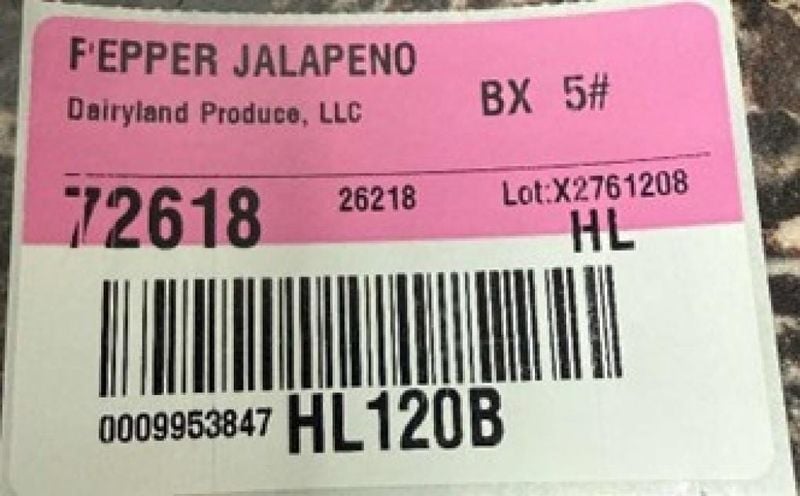
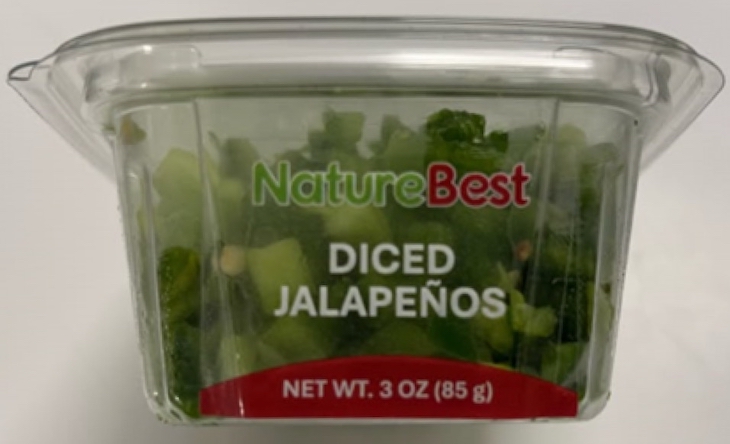
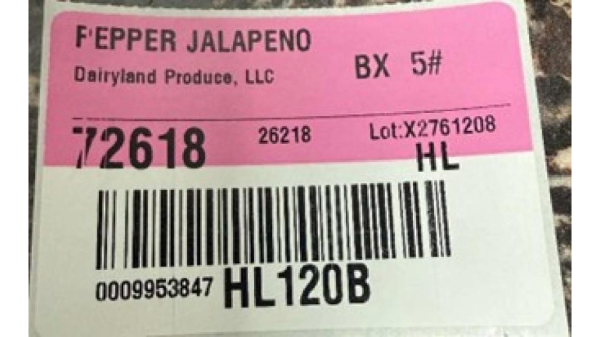
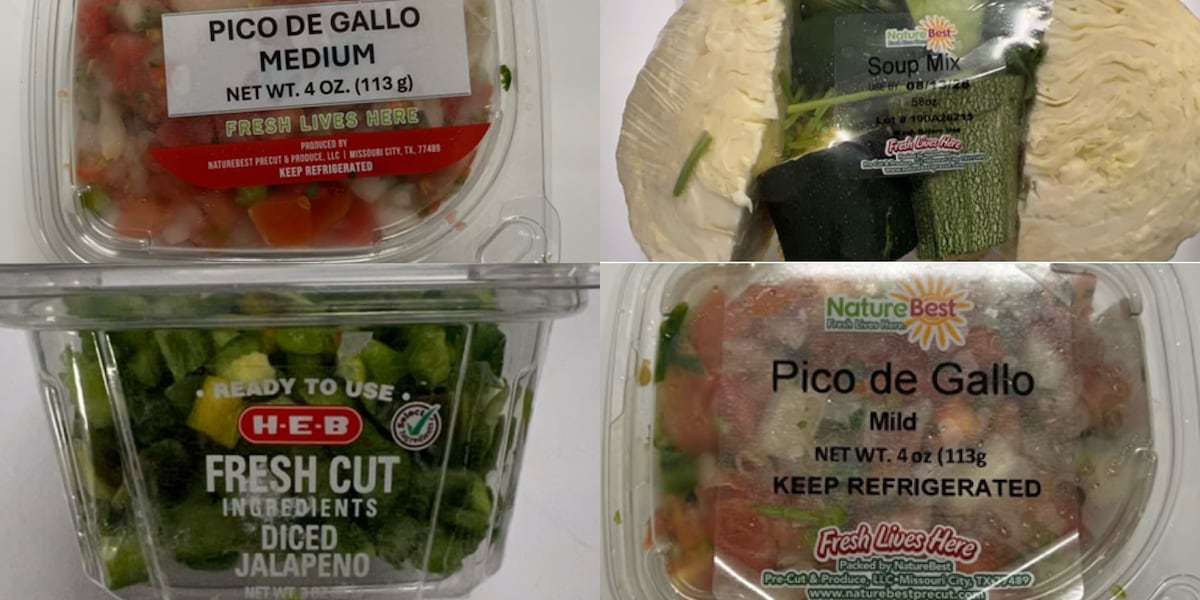
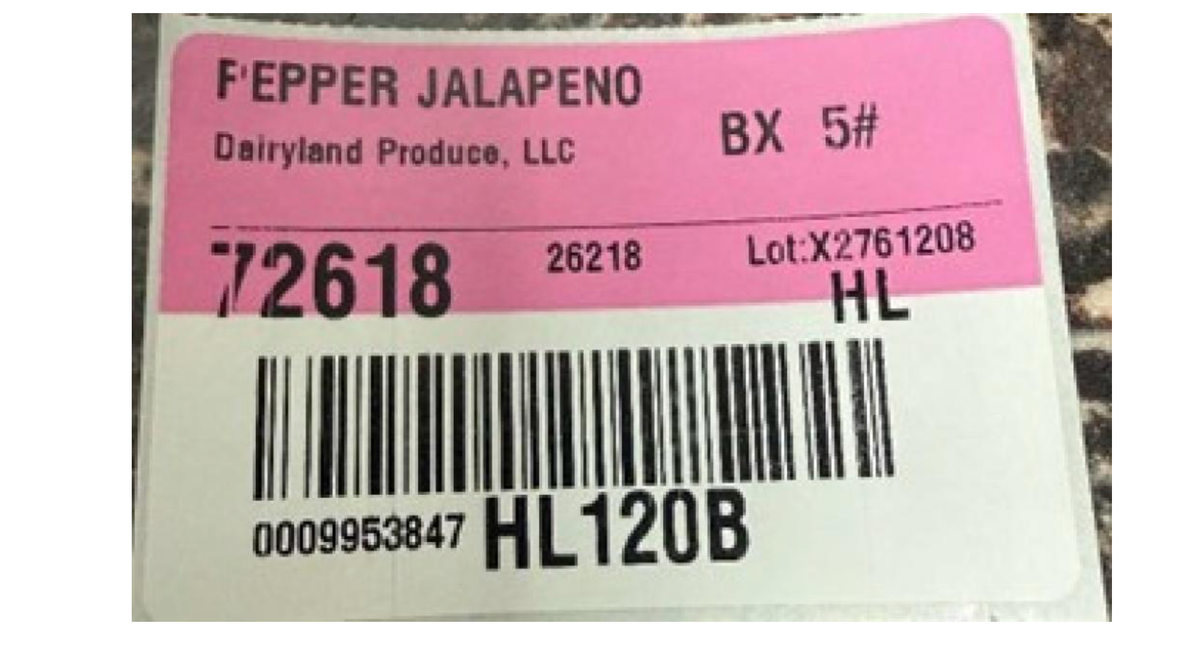
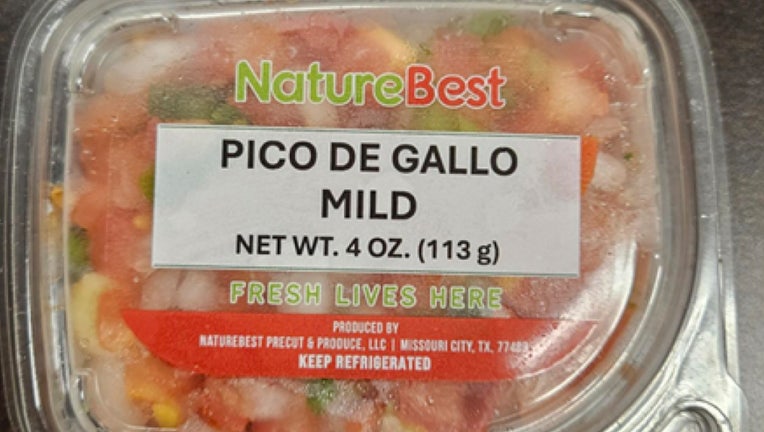
The multi-state jalapeño salmonella outbreak—affecting 300+ consumers across 27 states with 36 hospitalizations as of August 14, 2026—represents a critical compliance inflection point for fresh produce sellers on Amazon Fresh, Walmart+, and specialty grocery platforms. The FDA's enforcement action against Hardies Fresh Foods (Dairyland Produce, LLC) following the August 17, 2026 notice demonstrates that food safety certification is now a non-negotiable market entry requirement, not a competitive advantage. This outbreak, linked to products from Taylor Farms, Whole Foods, and NatureBest sold at major retailers (Whole Foods, Hannaford, Kroger, Target, Walmart, Trader Joe's, Stop and Shop), reveals a critical gap: approximately 40-60% of regional produce suppliers lack FSMA (Food Safety Modernization Act) compliance certification, creating both a market elimination event and a service opportunity.
Compliance barriers are now functioning as powerful competitive moats. Sellers without FSMA certification, HACCP protocols, and third-party food safety audits face immediate delisting from major platforms. The certification timeline is 60-90 days and costs $8,000-$15,000 per facility, but the penalty for non-compliance is complete market removal. Hardies Fresh Foods' immediate cessation of production and distribution demonstrates that enforcement is swift and unforgiving. For e-commerce sellers, this creates a two-tier market: certified suppliers with 15-25% margin premiums due to reduced competition, and non-compliant suppliers facing platform delisting within 30-60 days.
The fastest compliance path involves third-party food safety audits (SQF, BRC, or FSMA certification) combined with traceability software integration. Sellers can achieve compliance in 45-60 days by: (1) implementing FSMA preventive controls ($3,000-$5,000), (2) obtaining third-party certification ($5,000-$10,000), and (3) integrating blockchain or cloud-based traceability systems ($2,000-$4,000). This $10,000-$19,000 investment creates a 6-12 month payback period through reduced delisting risk and premium pricing. Alternative product categories—pre-cut vegetables, frozen produce, and shelf-stable alternatives—face lower compliance costs ($2,000-$5,000) and faster certification timelines (30-45 days), making them attractive pivot opportunities for sellers currently in fresh produce.
Questions 7
What compliance certifications do produce sellers need to avoid delisting from Amazon Fresh and Walmart+?
Produce sellers must obtain FSMA (Food Safety Modernization Act) compliance certification combined with third-party food safety audits (SQF, BRC, or FSMA certification). The August 2026 jalapeño outbreak and Hardies Fresh Foods delisting demonstrate that major platforms now require documented preventive controls, HACCP protocols, and traceability systems before accepting fresh produce inventory. Certification costs $8,000-$15,000 per facility and takes 60-90 days, but non-compliance results in immediate platform removal. Sellers should prioritize third-party audits within 30 days to avoid delisting.
How quickly can produce sellers achieve food safety compliance to avoid market elimination?
The fastest compliance path takes 45-60 days and costs $10,000-$19,000. Sellers should: (1) implement FSMA preventive controls ($3,000-$5,000, 15-20 days), (2) obtain third-party certification ($5,000-$10,000, 30-45 days), and (3) integrate traceability software ($2,000-$4,000, 10-15 days). This timeline assumes existing food safety infrastructure; sellers without any controls may need 90-120 days. The salmonella outbreak affecting 300+ consumers across 27 states shows enforcement is accelerating, so sellers should begin certification immediately rather than waiting for platform notices.