



Strait of Hormuz Crisis Drives 36% Shipping Cost Surge | Cross-Border Sellers Face Immediate Logistics Crisis
- Brent crude rises to $91.28/barrel; shipping traffic collapses from 100+ to 13 daily vessels; 2-5 year pipeline delays create sustained cost pressure on Asia-to-US/EU supply chains






















Overview
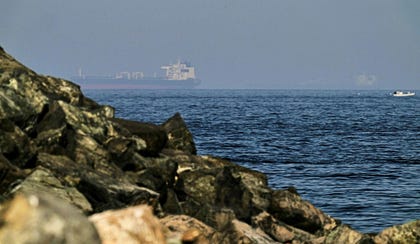
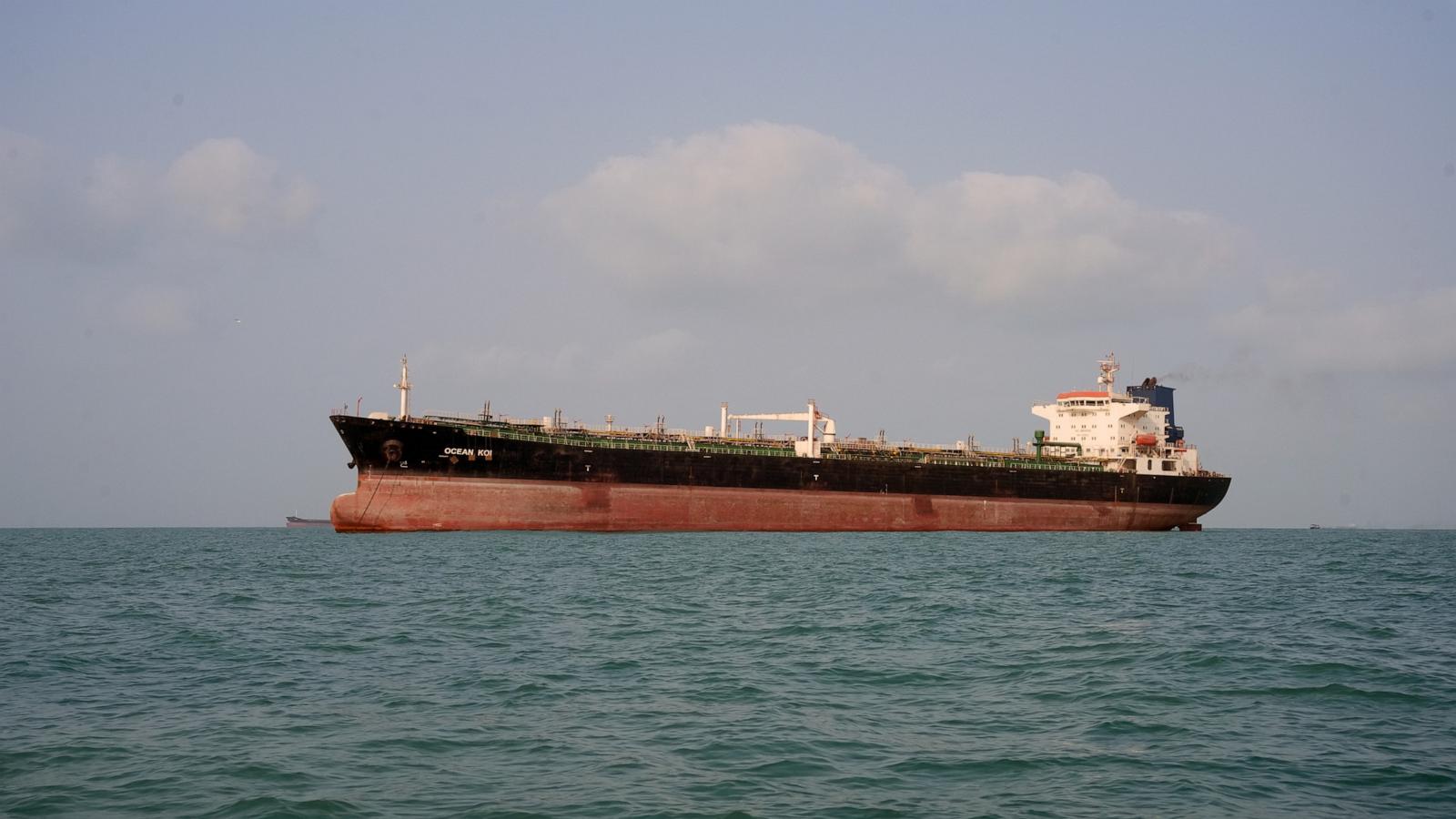
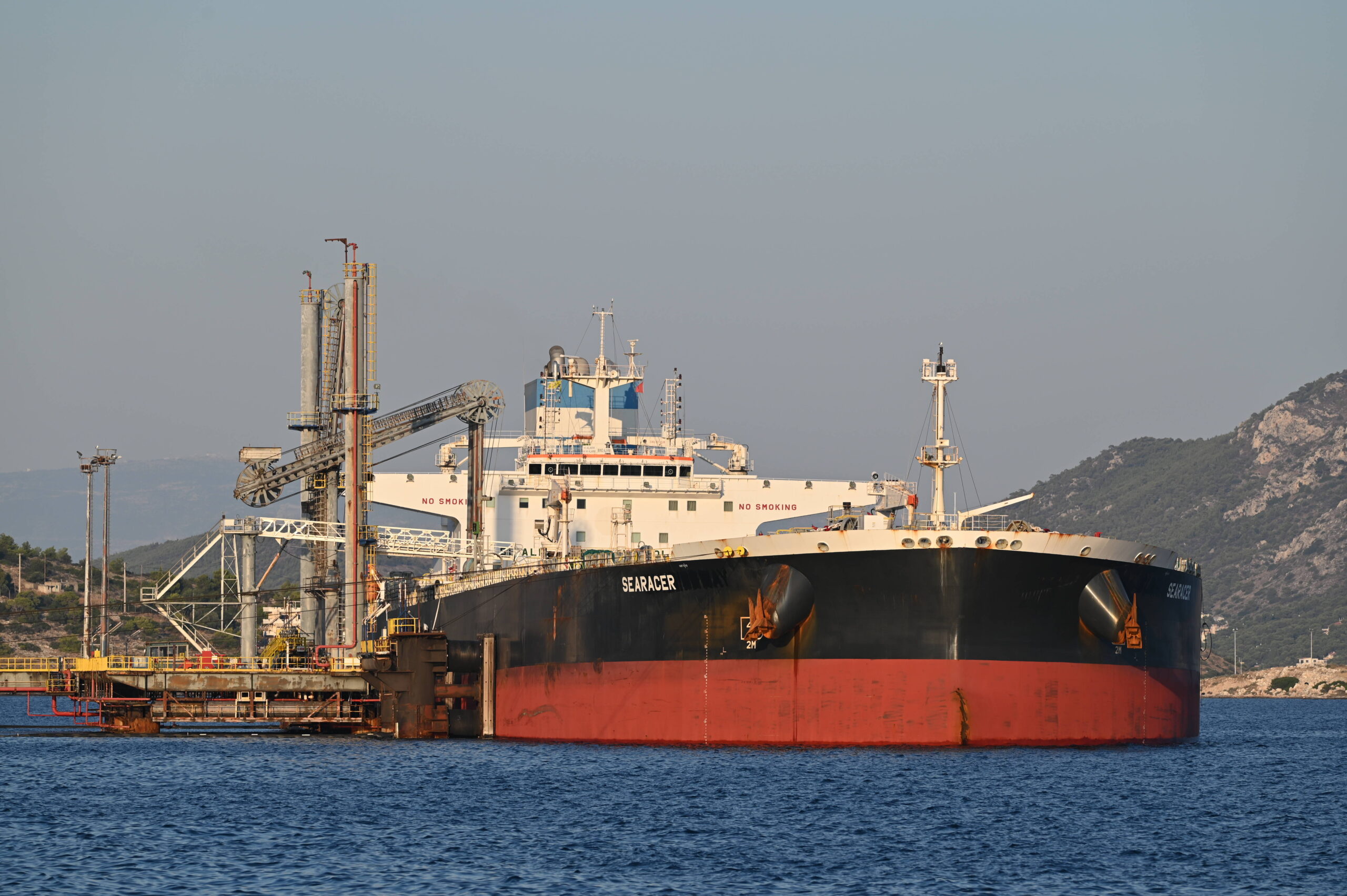
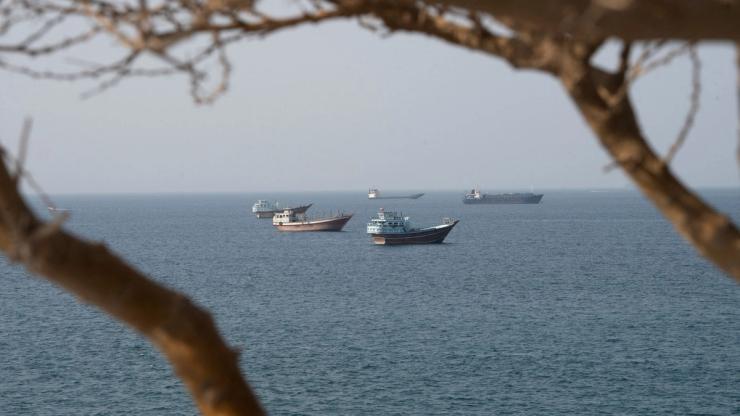
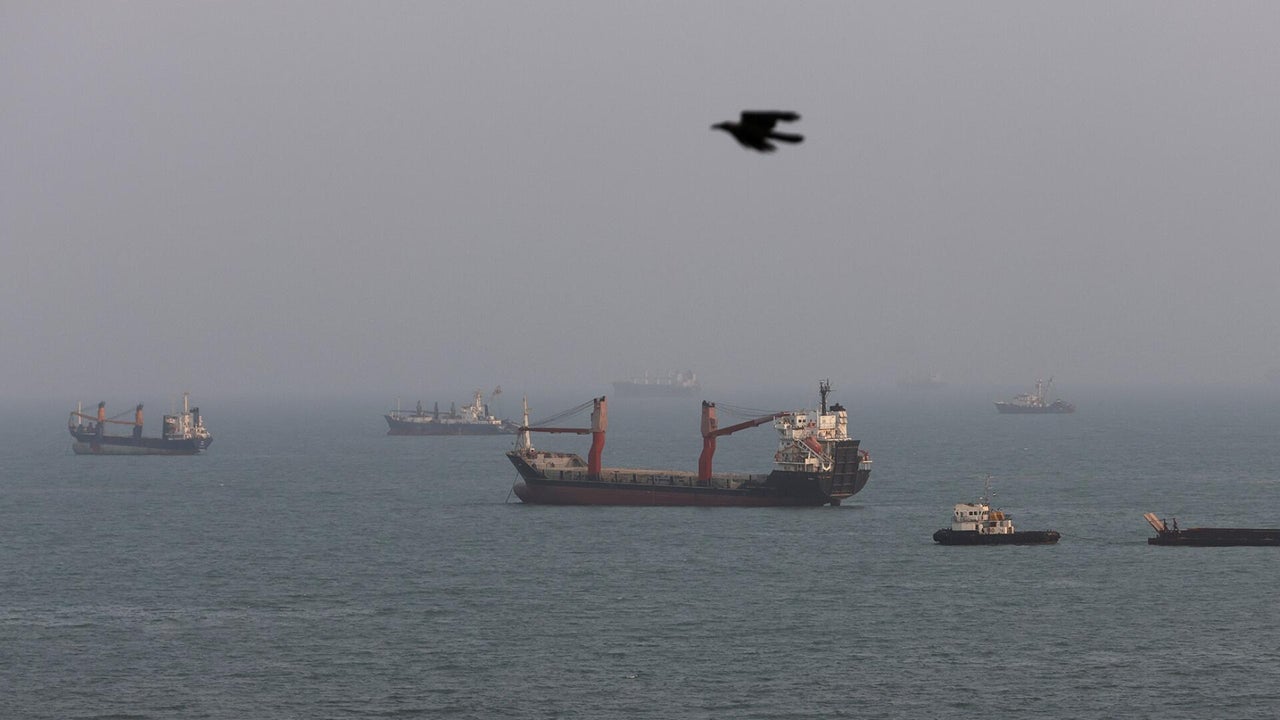
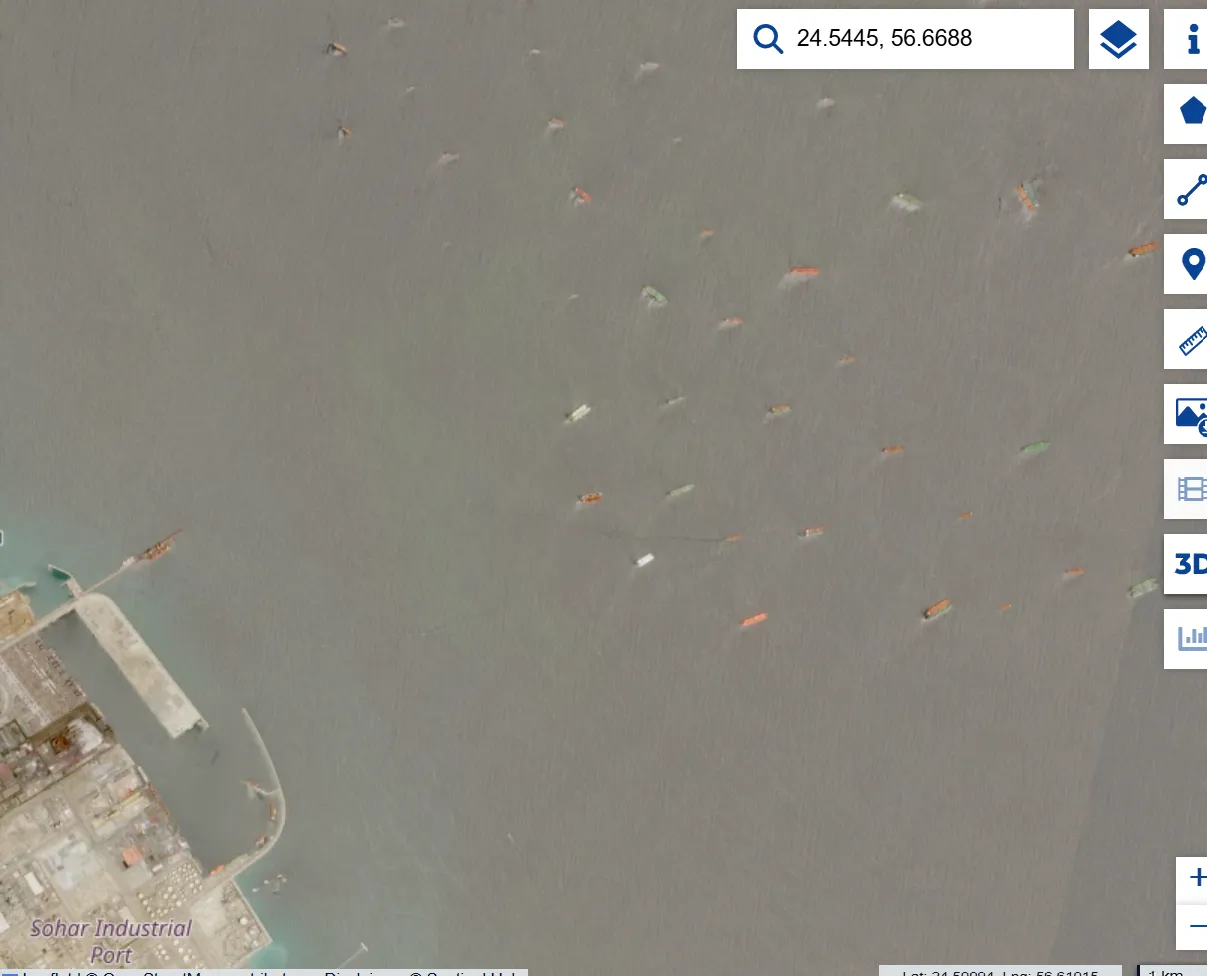
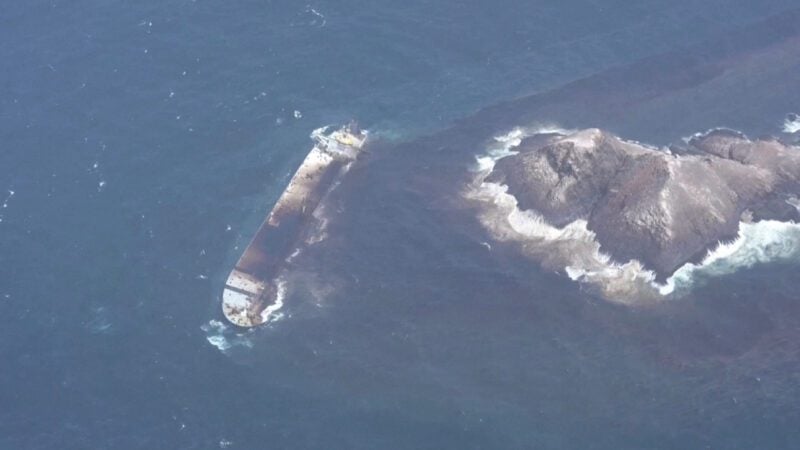
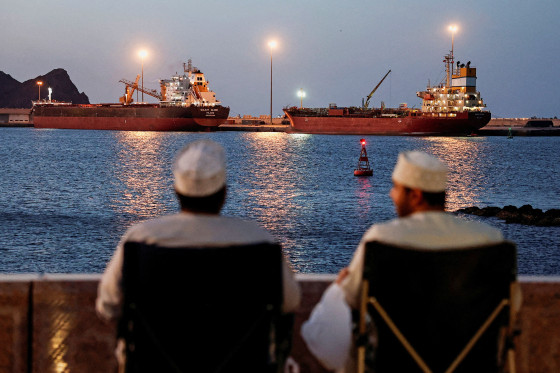
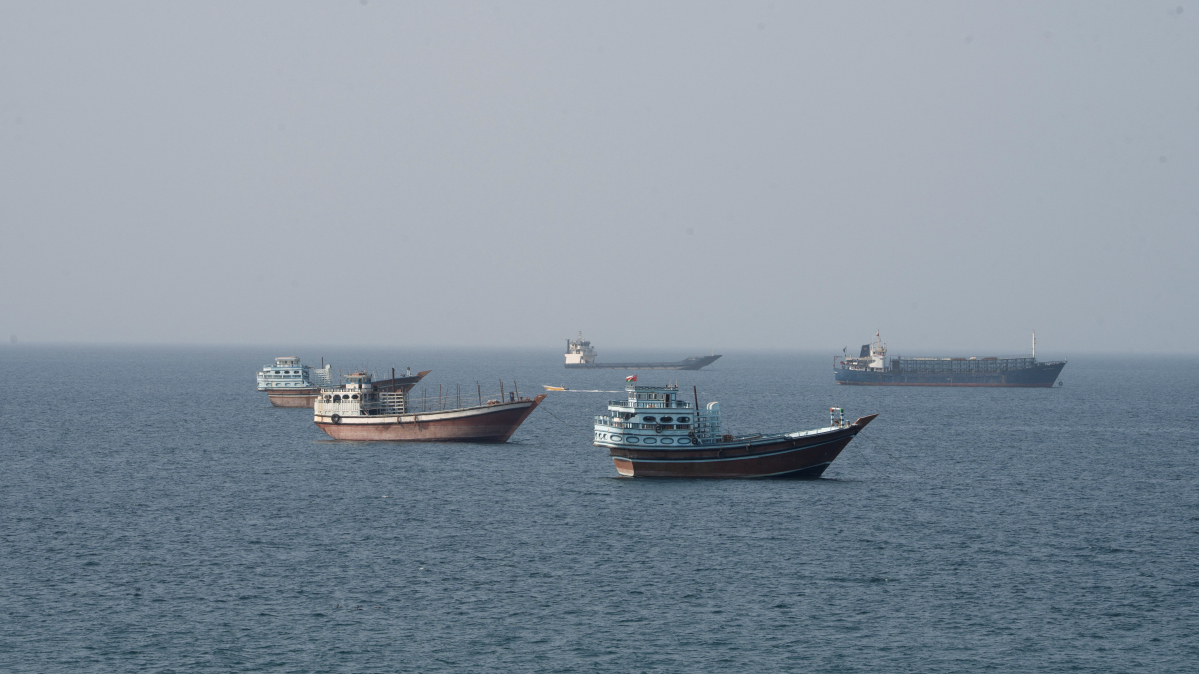
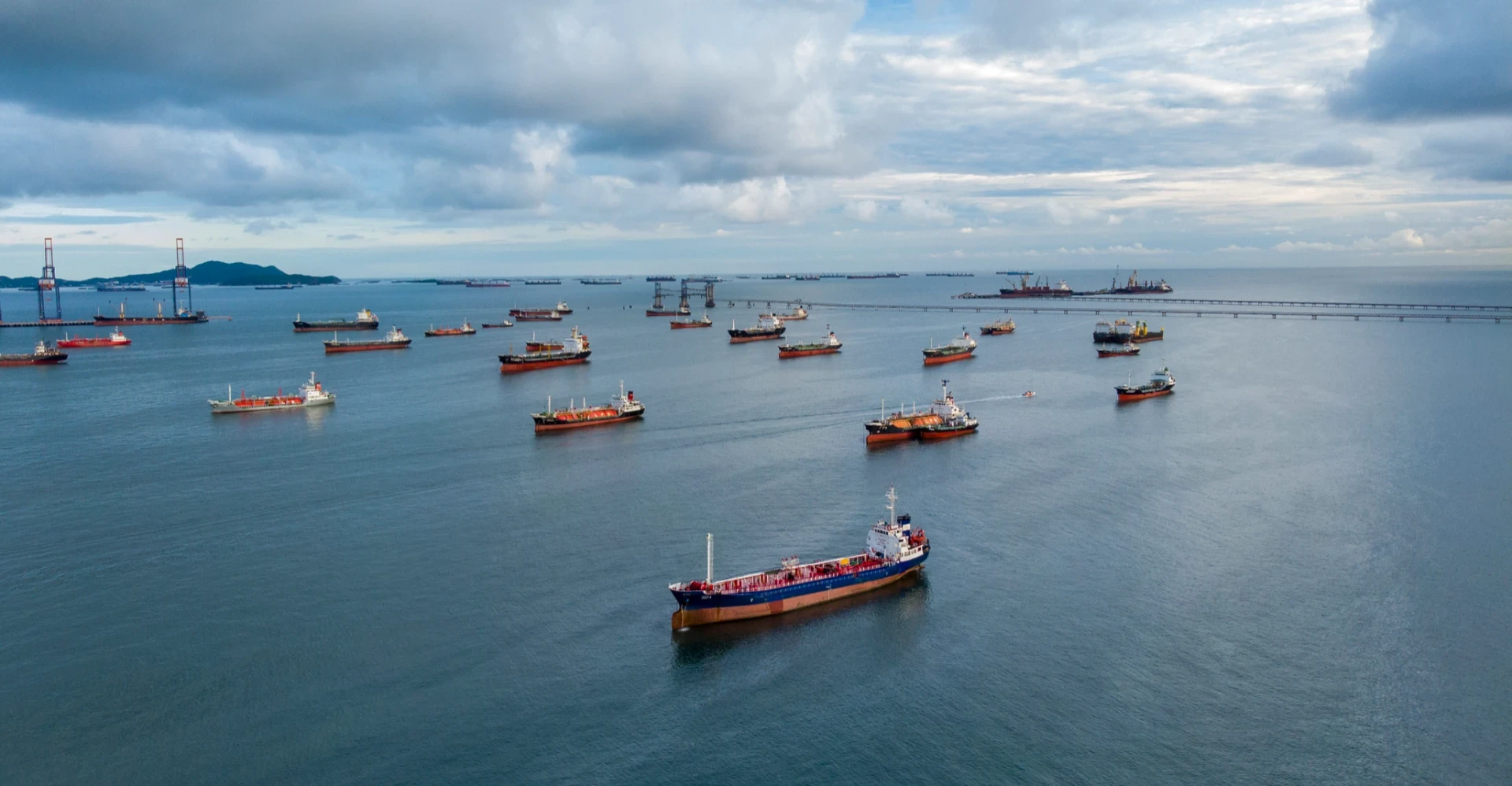
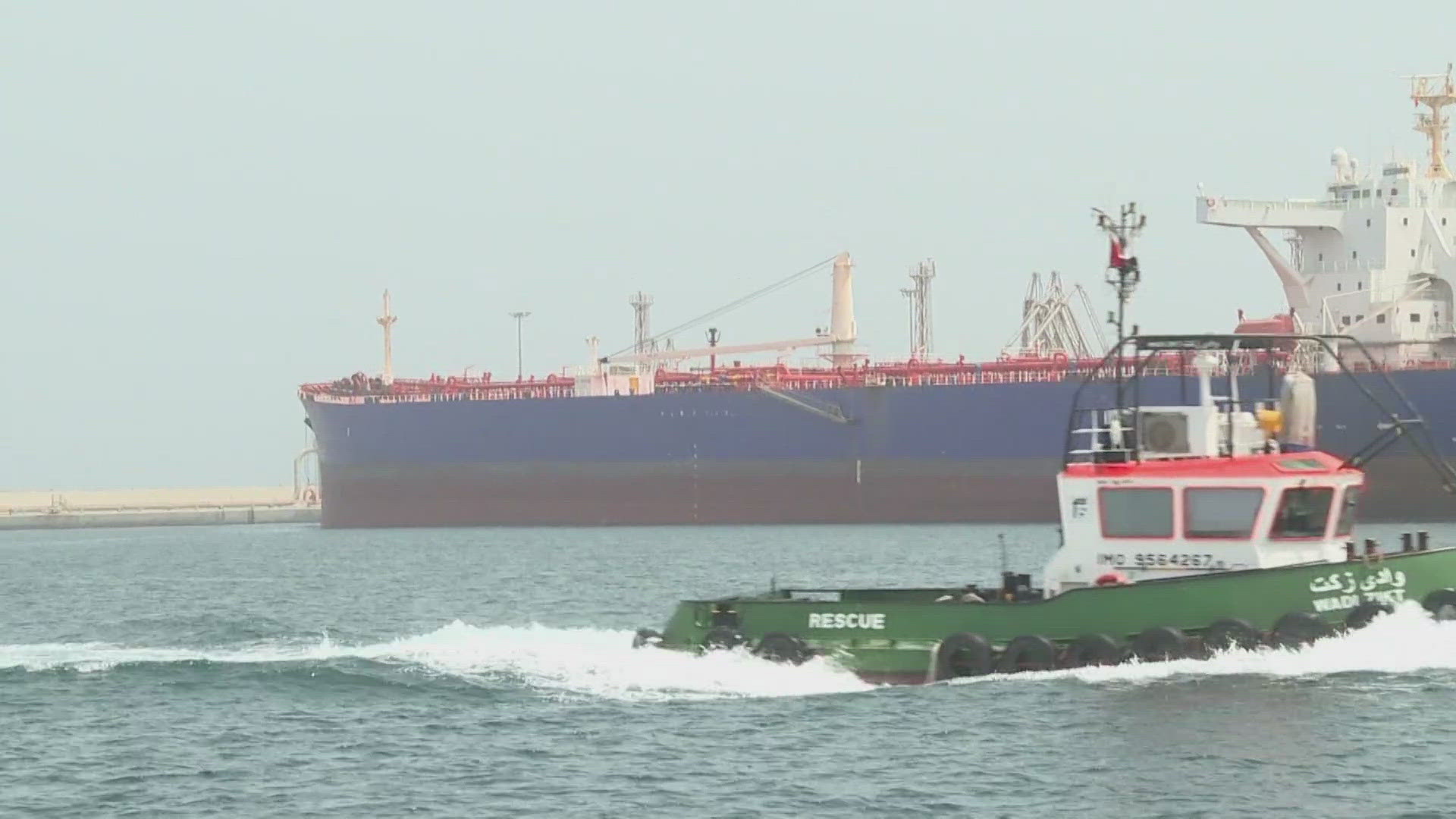
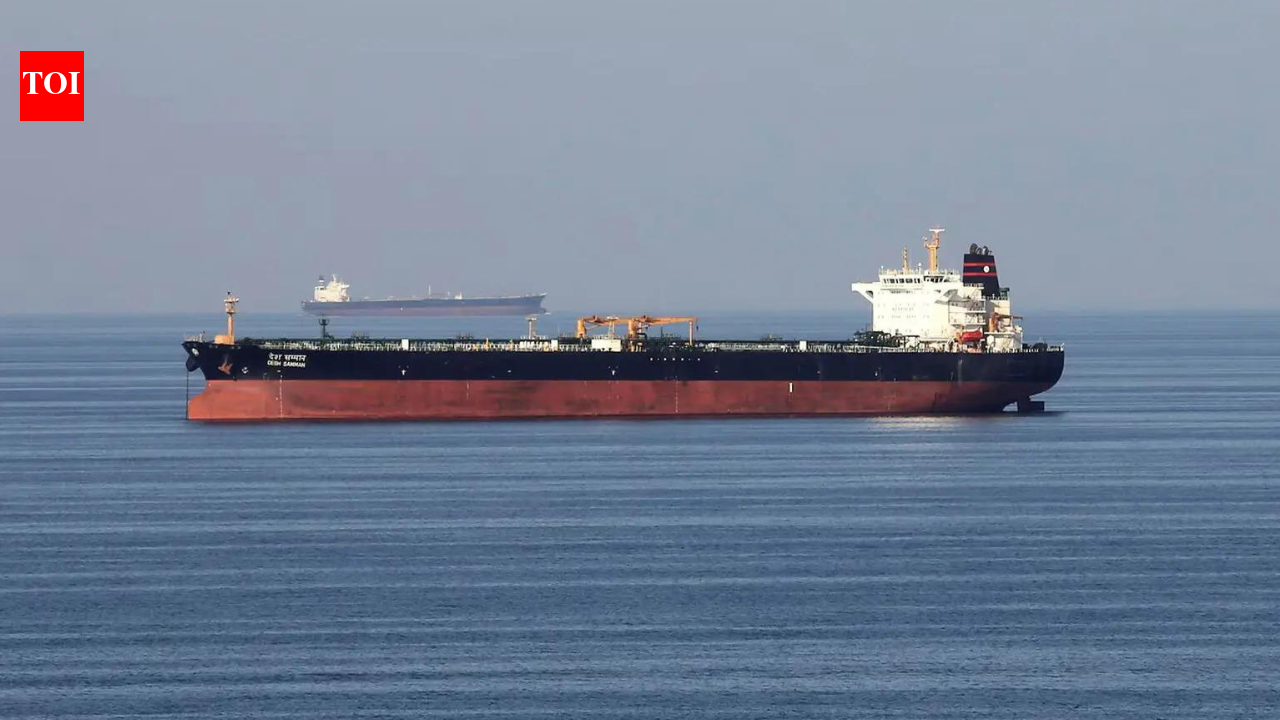
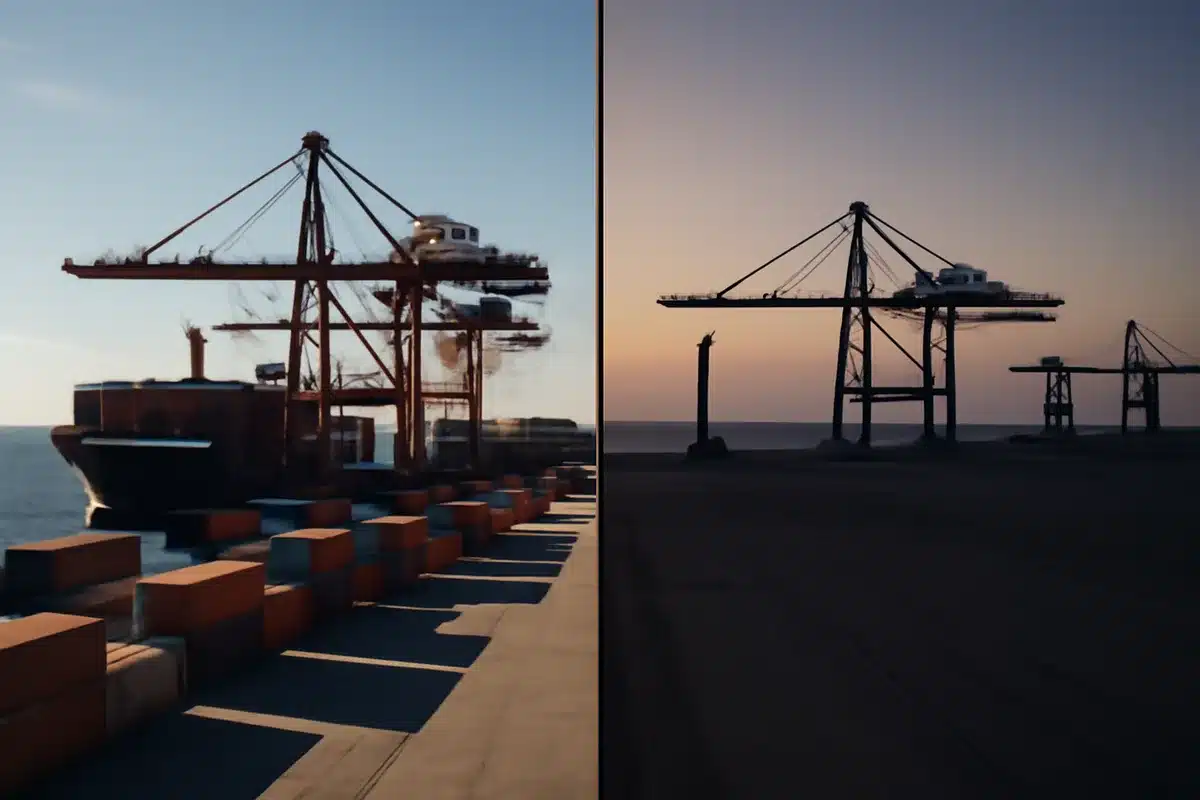
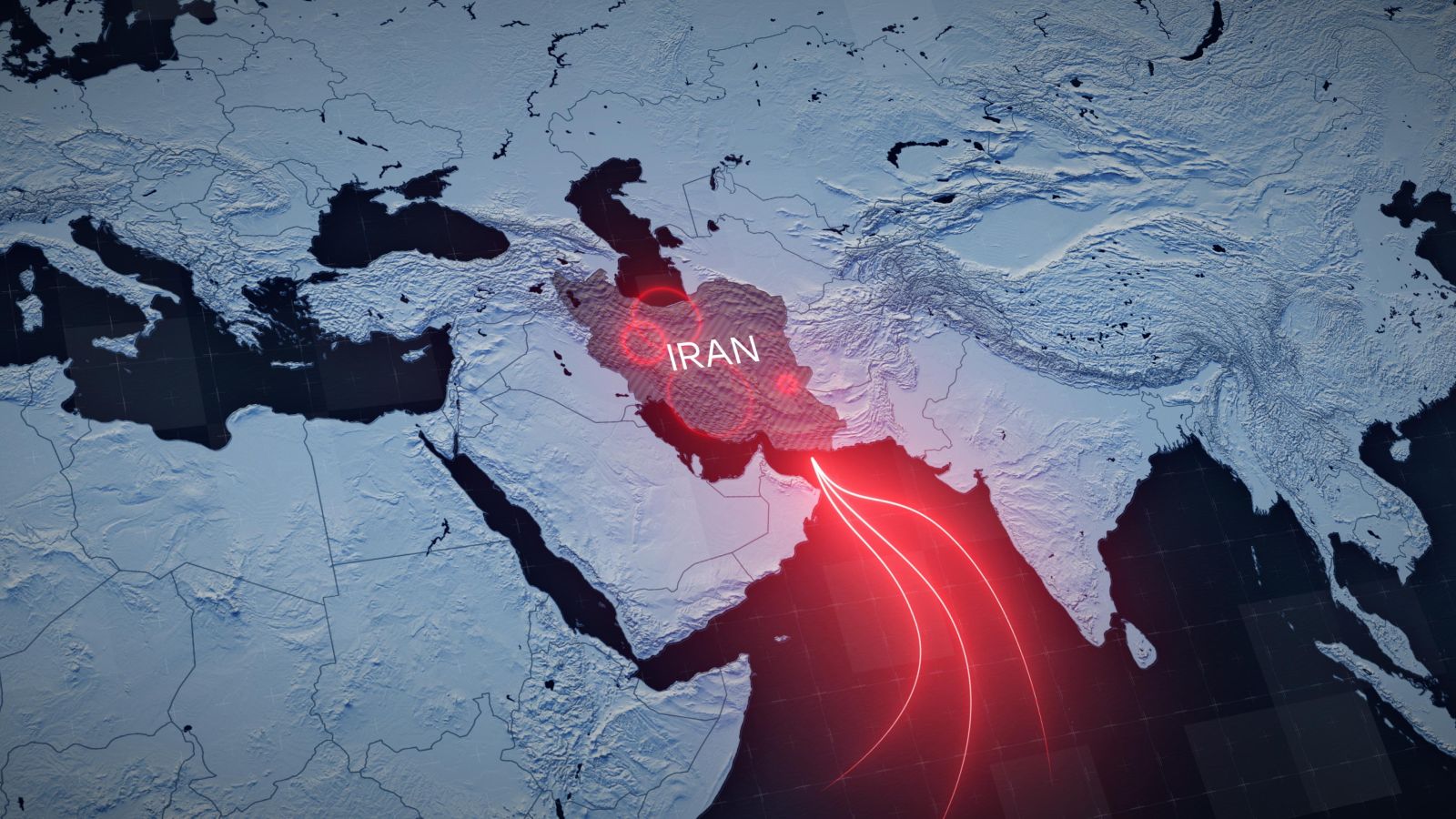
The Strait of Hormuz geopolitical crisis represents an immediate and sustained logistics cost shock for cross-border e-commerce sellers. With 21% of global petroleum (21 million barrels daily) transiting through this chokepoint, the escalating Iran-US tensions have triggered a cascading supply chain crisis affecting all maritime-dependent commerce. Brent crude futures jumped to $91.28/barrel (up 26 cents) and WTI to $85.31/barrel (up 37 cents)—the highest levels since July 24—while shipping traffic collapsed from over 100 daily vessels to approximately 13, creating a 87% reduction in transit capacity. This directly translates to elevated freight costs for sellers importing from Asia (China, Vietnam, India) to North American and European markets.
Immediate cost impact for sellers: Ocean freight rates from Shanghai to Los Angeles have historically increased 15-25% during comparable supply disruptions, with current projections suggesting $800-1,200 per 20-foot container increases within 30-60 days. Two major Chinese shipping companies (COSCO, China Merchants Heavy Industry) have suspended operations through the Strait of Hormuz and Bab al-Mandeb, forcing rerouting through longer southern passages that add 7-14 days to transit times and 20-30% to fuel surcharges. For sellers with monthly import volumes of 500+ containers, this represents $400,000-$600,000 in additional quarterly logistics costs. The temporary ceasefire agreement expired Monday, with Iranian officials signaling full military offensive posture, indicating sustained disruption risk through Q4 2024.
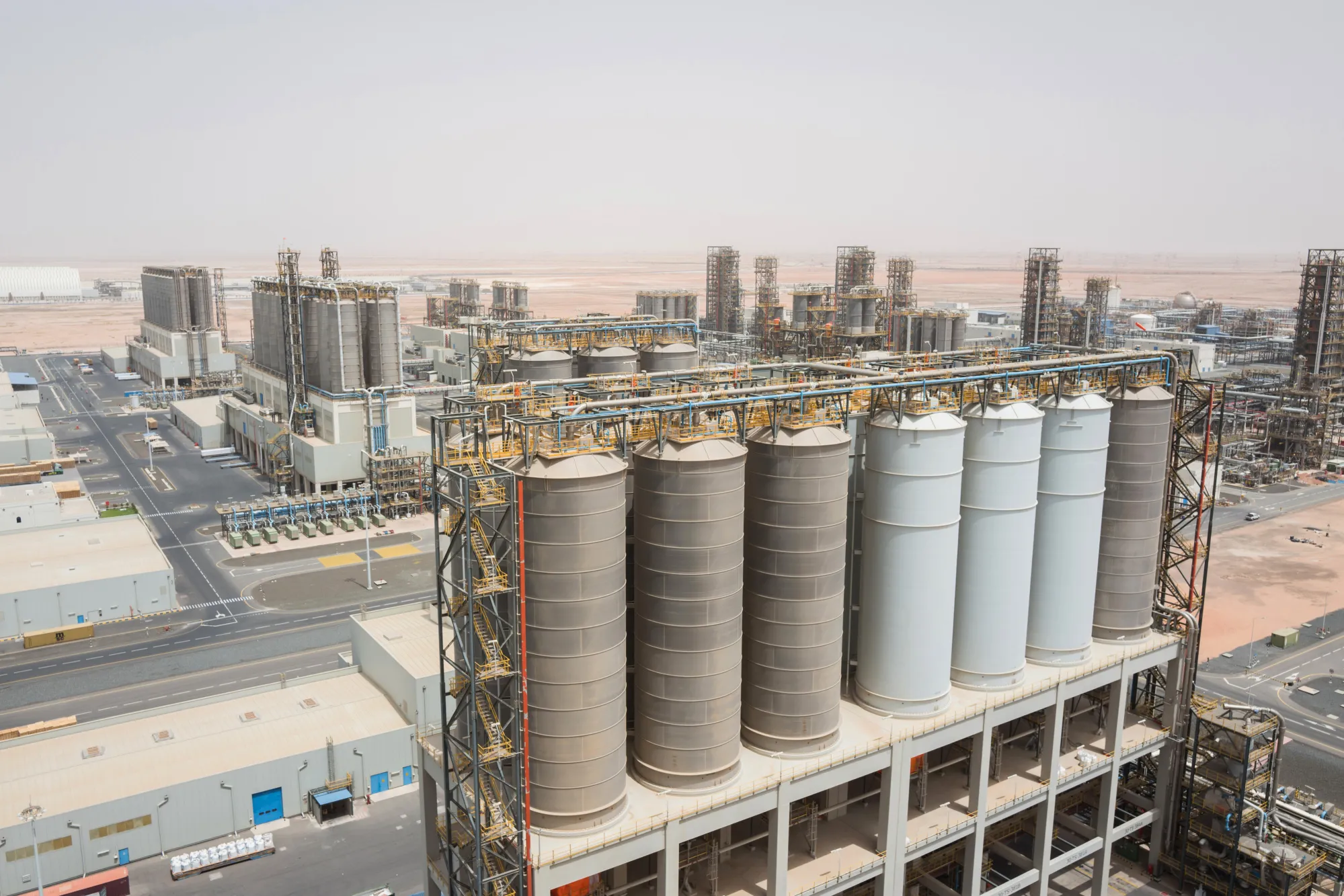
Strategic sourcing shifts are accelerating as sellers explore alternative supply corridors. Iraq's cabinet approved alternative crude export mechanisms (effective September 1), while Saudi Arabia's East-West pipeline (7 million barrels daily capacity) and UAE's new Fujairah pipeline (targeting 3.6 million barrels daily by next year) represent long-term solutions requiring 2-5 years for full implementation. However, U.S. Energy Secretary Chris Wright confirmed combined alternative routes currently deliver only 15 million barrels daily—insufficient to replace the 21 million daily Hormuz flow. This supply deficit will sustain elevated energy costs through 2025-2026, directly impacting fulfillment costs for sellers using 3PL providers and air freight alternatives. Sellers relying on just-in-time inventory from Asia face critical decisions: accept 15-25% margin compression, increase prices 8-12% (risking conversion rate drops of 5-8%), or shift sourcing to nearshoring regions (Mexico, Central America, Eastern Europe) with 20-30% higher unit costs but 40-50% lower logistics expenses.
Insurance and risk premiums are escalating rapidly. Commercial shipping companies report elevated insurance premiums despite U.S. Navy escort operations, with war risk insurance adding $50,000-$150,000 per voyage for large container ships. This creates a secondary cost layer affecting sellers using full-container-load (FCL) consolidation services. The Bab el-Mandeb alternative route (Red Sea passage) now handles 40 ships daily but remains vulnerable to Houthi attacks, creating sustained uncertainty. Sellers should immediately audit their 3PL contracts for force majeure clauses and fuel surcharge mechanisms—many agreements lock in 2024 rates through Q1 2025, creating a 60-90 day window before cost increases cascade to seller margins.
Questions 8
Are there any tariff or trade policy changes related to the Hormuz crisis?
The news does not report direct tariff changes, but Iraq's cabinet approval of alternative crude export mechanisms (effective September 1) signals potential shifts in Middle East trade corridors. Saudi Arabia's East-West pipeline expansion and UAE's Fujairah pipeline represent strategic repositioning by Gulf states to reduce Hormuz dependency. These infrastructure investments may eventually create new trade routes and logistics corridors, but 2-5 year timelines mean no immediate tariff relief. U.S. Navy escort operations and freedom-of-navigation commitments suggest the U.S. will maintain pressure to keep Hormuz open, reducing long-term blockade risk. Monitor U.S.-Iran diplomatic developments for potential sanctions changes that could affect sourcing from Iran-adjacent regions.
How should I adjust my inventory strategy during the Hormuz crisis?
Implement a three-tier inventory model: (1) Fast-moving SKUs (BSR <5,000): Maintain 60-90 day inventory using nearshoring or air freight to minimize carrying costs; (2) Medium-velocity SKUs (BSR 5,000-20,000): Reduce to 30-45 day inventory and accept longer replenishment cycles via Asia ocean freight; (3) Slow-moving SKUs (BSR >20,000): Shift to made-to-order or drop-ship models to eliminate carrying costs. The news reports shipping delays of 7-14 days due to longer rerouting, so adjust your inventory planning cycles accordingly. For Amazon FBA sellers, monitor IPI scores closely—elevated storage fees combined with slower inventory turnover create a profitability squeeze. Consider using Fulfillment by Amazon's Reserved Capacity program to lock in space before Q4 peak season.