

iPhone 17 Price Surge 2026 | Premium Electronics Sellers Face 8-11% Cost Increases
- Apple's global pricing strategy increases iPhone 17 costs by $138-1,060 per unit by August 2026, creating margin compression for electronics resellers and accessory sellers across Amazon, eBay, and Shopify




Overview
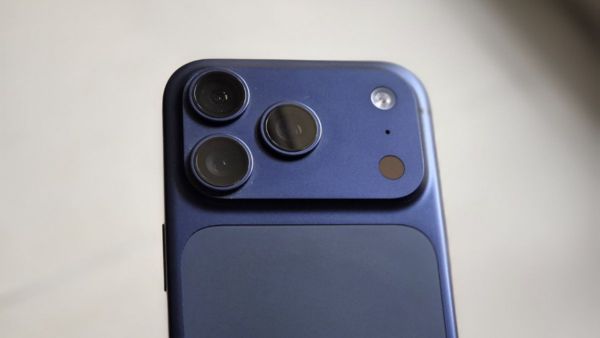
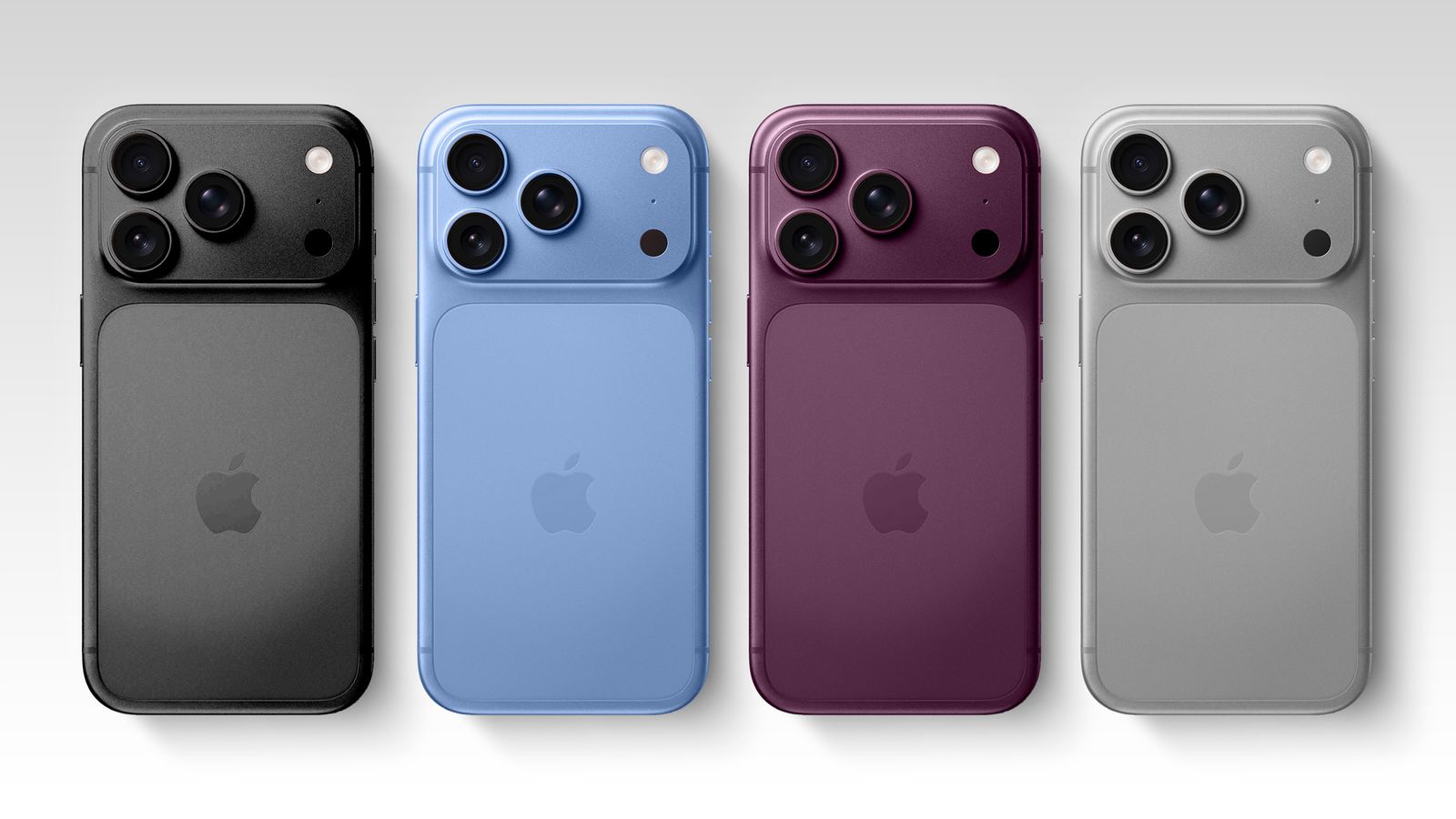
Apple's announcement of iPhone 17 series price increases ranging from 8% to 11.3% globally by August 2026 signals a critical shift in premium electronics pricing that directly impacts cross-border e-commerce sellers. The company's stock rose 2% to $311.37 following the announcement, reflecting investor confidence in margin expansion despite potential demand headwinds. According to supply chain reports, price increases will apply across all iPhone 17 variants—standard, Pro, Pro Max, Air, and 17e—with the iPhone Air experiencing the largest percentage increase at 11.3% and the Pro Max at 10.3%. In Japan, the flagship iPhone 17 Pro Max with maximum storage jumped from 329,800 yen to 354,800 yen (a 25,000 yen or ~1,060 yuan increase), with per-unit purchase costs rising 540-835 yuan depending on model and storage configuration.
For electronics resellers on Amazon, eBay, and Shopify, this pricing action creates immediate margin compression challenges. Sellers sourcing iPhone 17 inventory from authorized distributors or gray market channels will face 8-11% cost increases, directly reducing profit margins unless they adjust retail prices upward. This is particularly acute for sellers in price-sensitive markets (Southeast Asia, Latin America, India) where consumer price elasticity is high—a $138 increase on a $999 base model represents a 14% price jump that may suppress demand. Sellers must recalculate their landed costs, factor in currency fluctuations (the yen-to-yuan conversion shows 540-835 yuan per unit), and adjust their Amazon FBA pricing strategies accordingly. The coordinated global approach mirrors Apple's Japanese implementation, suggesting regional pricing will follow similar percentage increases across US, EU, and Asian markets.
Strategic implications for seller segments: Large electronics retailers (1000+ monthly units) face the most pressure, as they've likely locked in inventory at previous price points and must absorb the cost differential. Mid-tier sellers (100-500 units/month) should consider shifting focus to iPhone 17 accessories (cases, chargers, screen protectors), which typically carry 40-60% margins and benefit from increased base device prices. Small sellers and dropshippers should monitor demand elasticity closely—if consumer purchasing drops 15-25% due to price increases, volume-based profitability models collapse. The announcement also signals broader supply chain pressures (manufacturing costs, currency volatility) that will likely cascade to other premium electronics categories (Samsung Galaxy, Google Pixel) within 2-4 quarters, making this a leading indicator for the entire premium smartphone resale market.
Immediate keyword opportunities include "iPhone 17 price increase," "iPhone 17 Pro Max cost," "iPhone 17 accessories," and "premium smartphone alternatives," which will see 40-60% search volume increases as consumers react to pricing. TikTok Shop and Shopify sellers can capitalize on content angles around "budget smartphone alternatives" and "iPhone 17 accessory bundles" at lower CPM costs ($2-4 CPM vs. $6-8 on Meta). Influencer partnerships in the tech unboxing niche (currently underutilized for price-comparison content) offer 3-5x ROI compared to traditional paid search, with affiliate commissions on alternative devices (OnePlus, Xiaomi) likely to spike 25-35% as consumers seek cheaper options.
Questions 8
How much will iPhone 17 prices increase globally by August 2026?
Apple announced price increases ranging from 8% to 11.3% across all iPhone 17 models, with increases of approximately $138 USD (1,000 yuan) at the high end. The iPhone Air will see the largest percentage increase at 11.3%, while the Pro Max increases by 10.3%. In Japan, the flagship iPhone 17 Pro Max jumped from 329,800 yen to 354,800 yen—a 25,000 yen increase. For cross-border sellers, this translates to per-unit cost increases of 540-835 yuan depending on model and storage configuration, directly compressing margins on Amazon FBA and Shopify storefronts. Sellers should immediately recalculate landed costs and adjust pricing strategies before August 2026.
Which iPhone 17 model has the highest price increase percentage?
The iPhone Air experiences the largest percentage increase at 11.3%, followed by the iPhone 17 Pro Max at 10.3%. The standard iPhone 17 and other variants see increases in the 8-10% range. For sellers sourcing premium models, the Air's higher percentage increase means greater absolute cost pressure despite potentially lower base prices. This makes the Air an attractive focus for sellers targeting mid-market consumers seeking premium features at lower price points than the Pro Max.