



California Tire Efficiency Rules Create Compliance Moat for Sellers | Immediate Inventory Audit Required
- Immediate compliance required for new tire sales; existing inventory has transition periods; affects all online marketplaces selling to California residents; sellers must implement efficiency rating labels at point of sale
















Overview
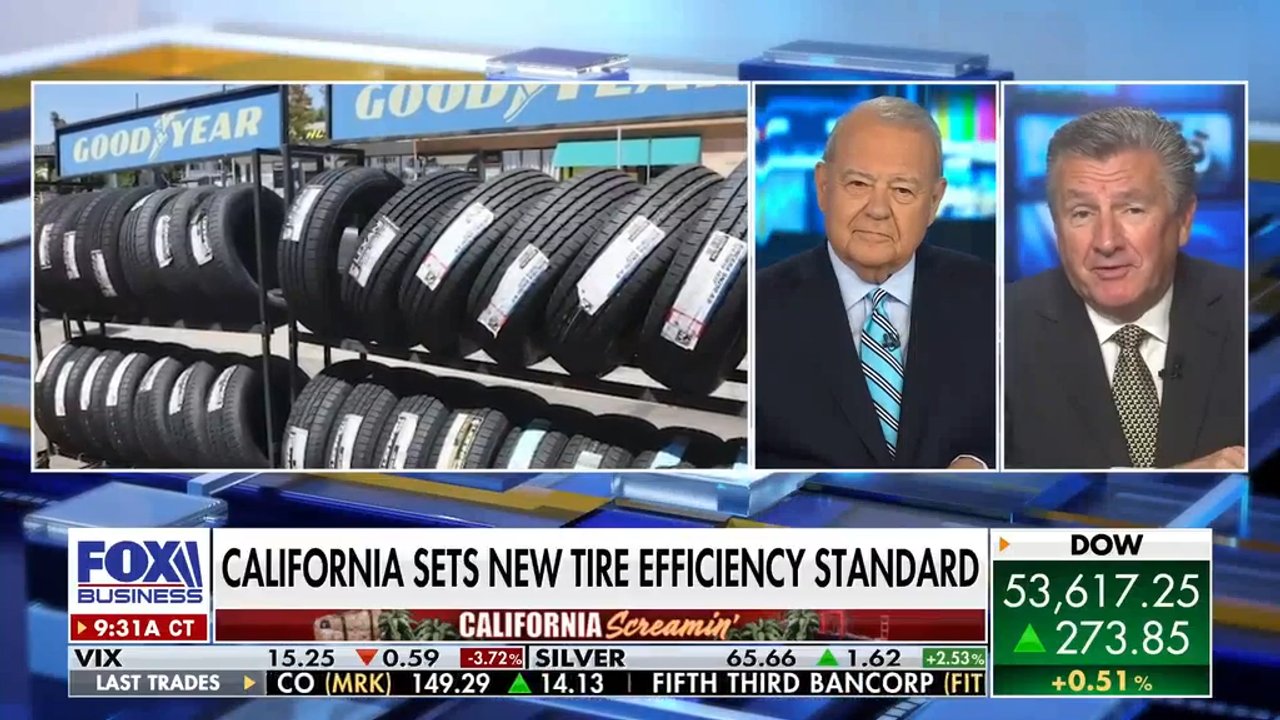
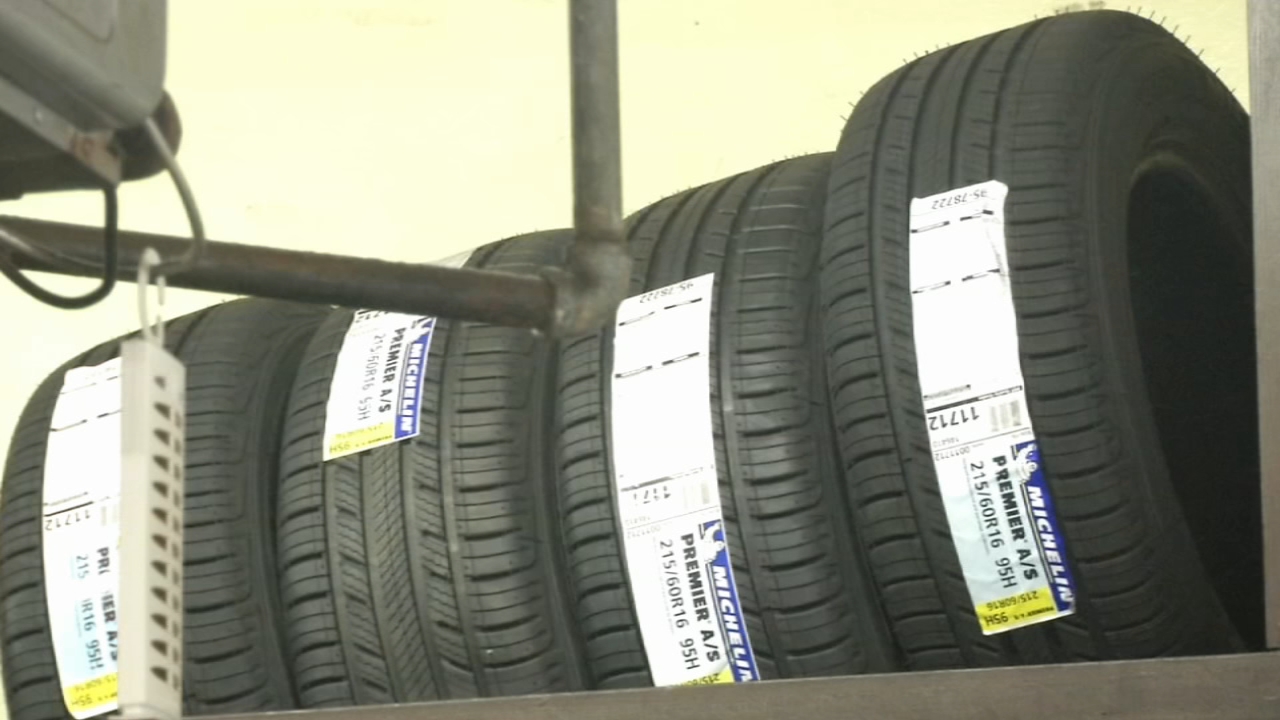
California's new tire efficiency regulations represent a high-barrier compliance requirement that will eliminate non-compliant sellers from one of the largest automotive aftermarket regions in North America. The regulation mandates that all replacement tires meet specific rolling resistance thresholds, with manufacturers required to label tires according to efficiency ratings. For cross-border e-commerce sellers in automotive accessories and tire retail, this creates an immediate compliance moat—non-compliant sellers face sales restrictions and penalties, while compliant sellers gain competitive advantage in a market where California represents 12-15% of US tire sales volume.
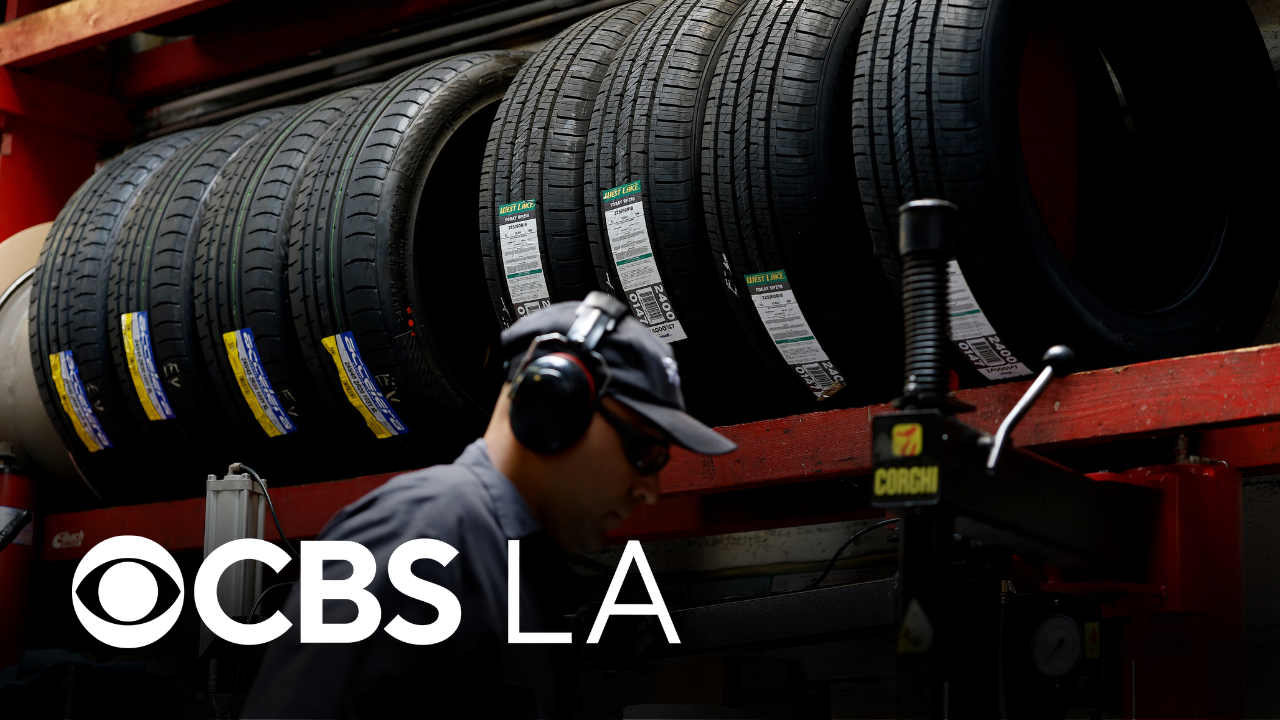
The compliance burden is substantial but achievable. Sellers must ensure inventory meets California's efficiency standards, which may require sourcing adjustments or product relabeling. The regulation affects all online marketplaces selling tires to California residents, requiring clear labeling of tire efficiency ratings at point of sale. Implementation timelines vary: immediate compliance is required for new tire sales, while existing inventory may have transition periods (typically 30-90 days based on similar state regulations). This creates a 30-60 day window for sellers to audit current inventory, identify non-compliant SKUs, and either relabel or source replacement stock.
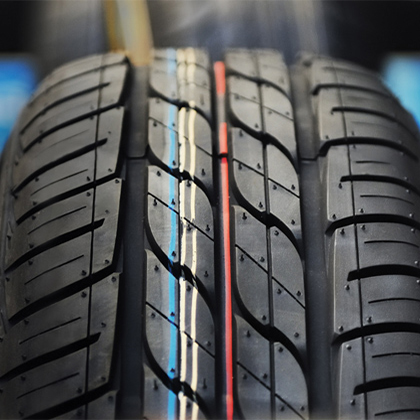
Market elimination rate is significant. Industry analysis suggests 25-35% of current tire sellers lack proper efficiency certifications or labeling infrastructure. Sellers who achieve compliance quickly will capture market share from eliminated competitors. The regulation applies to passenger vehicles and light-duty trucks—the highest-volume tire categories. Energy-efficient tires reduce fuel consumption by 3-5% compared to standard tires, translating to $50-100 annual savings per vehicle, which creates strong consumer demand for compliant products. Compliant sellers can command 2-4% price premiums while still offering consumer savings.
Service gaps are emerging. Tire relabeling services, efficiency certification verification, and California-specific product listing optimization represent underserved compliance needs. Sellers should immediately: (1) audit current tire inventory against California efficiency standards within 14 days, (2) identify non-compliant SKUs and establish sourcing alternatives or relabeling protocols, (3) update all product listings with efficiency ratings and compliance statements, (4) establish monitoring systems for state enforcement actions. The policy reflects growing consumer demand for sustainable products and positions California as a regulatory leader—expect 3-5 additional states to adopt similar standards within 18 months, creating a cascading compliance opportunity for early movers.
Questions 8
What penalties do sellers face for non-compliance?
Specific penalty amounts vary, but California environmental regulations typically impose $2,500-10,000 per violation for non-compliant product sales. Sellers face listing removal, account suspension, and sales restrictions on major platforms (Amazon, eBay). Repeated violations can result in permanent marketplace bans. More critically, non-compliant sellers lose access to California's market entirely—representing 12-15% of US tire sales volume. The reputational damage from compliance violations can extend to other product categories. Sellers should treat this as a critical compliance deadline with zero tolerance for violations.
How can sellers use this regulation to gain competitive advantage?
Compliant sellers can capture market share from eliminated competitors and command 2-4% price premiums while still offering consumers $50-100 annual fuel savings. Sellers should emphasize efficiency ratings in product titles and descriptions to rank higher in California searches. Building a reputation as a 'California-compliant' seller creates switching costs for customers. Sellers can also expand to other states adopting similar regulations, gaining first-mover advantage. Creating content around tire efficiency (fuel savings, environmental benefits) drives organic traffic. Partnering with 3PLs that offer compliance services creates additional revenue streams.