


Amazon-Backed Electric Trucking Expansion | 500 Tesla Semis Reshape US Logistics Costs 2026-2028
- Einride deploys 500 Tesla Semis across 5 US states (CA, TX, NJ, IL, GA) starting September 2026; Amazon holds 12% stake via warrants; electric fleet reduces fuel costs 30-40% vs diesel; autonomous capability targets 2027 rollout













Overview
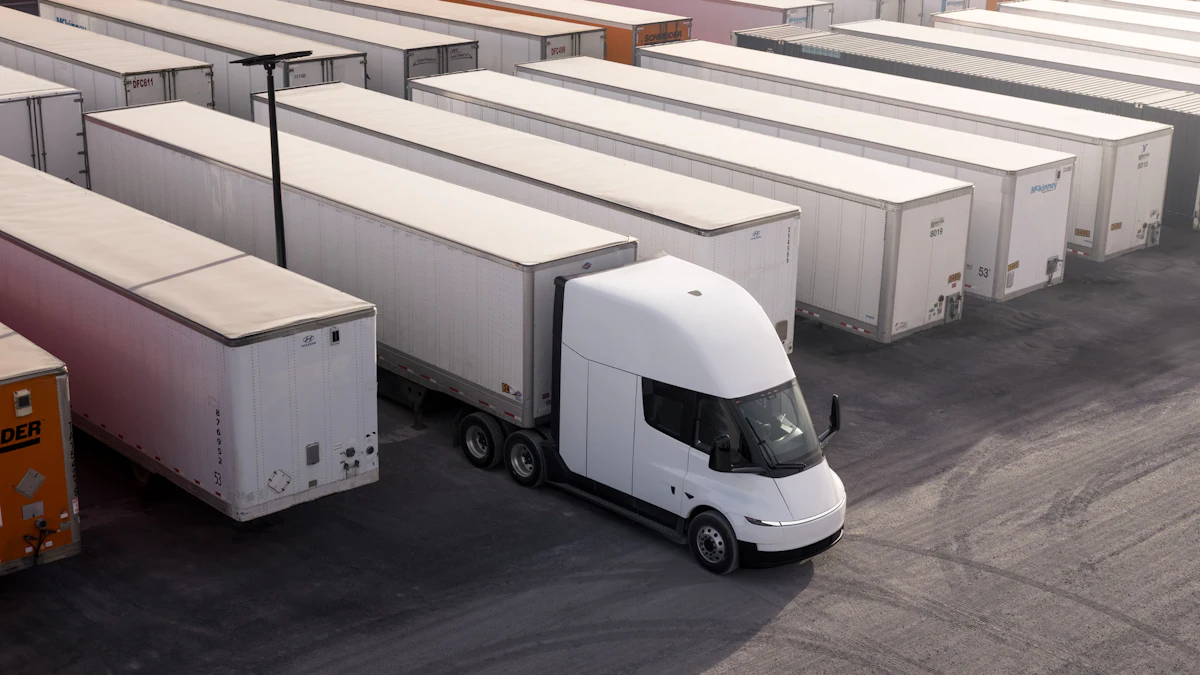
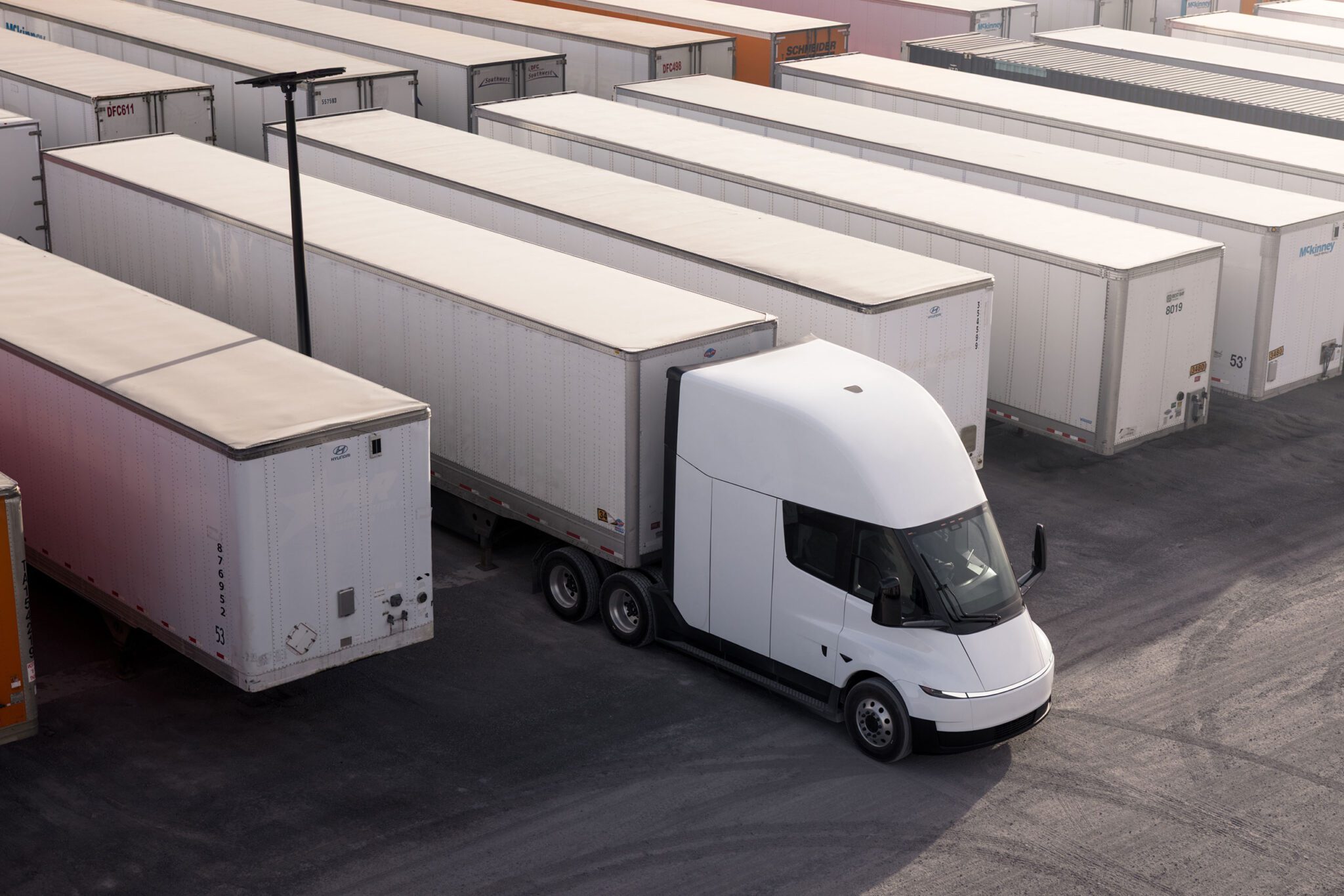
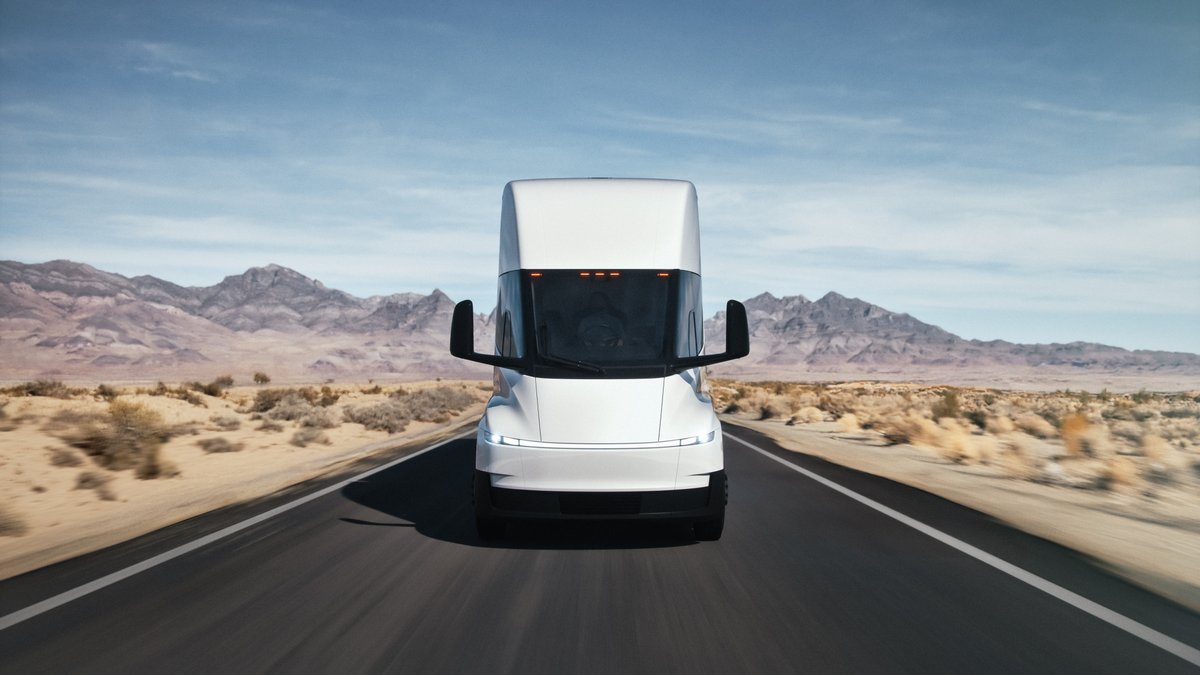
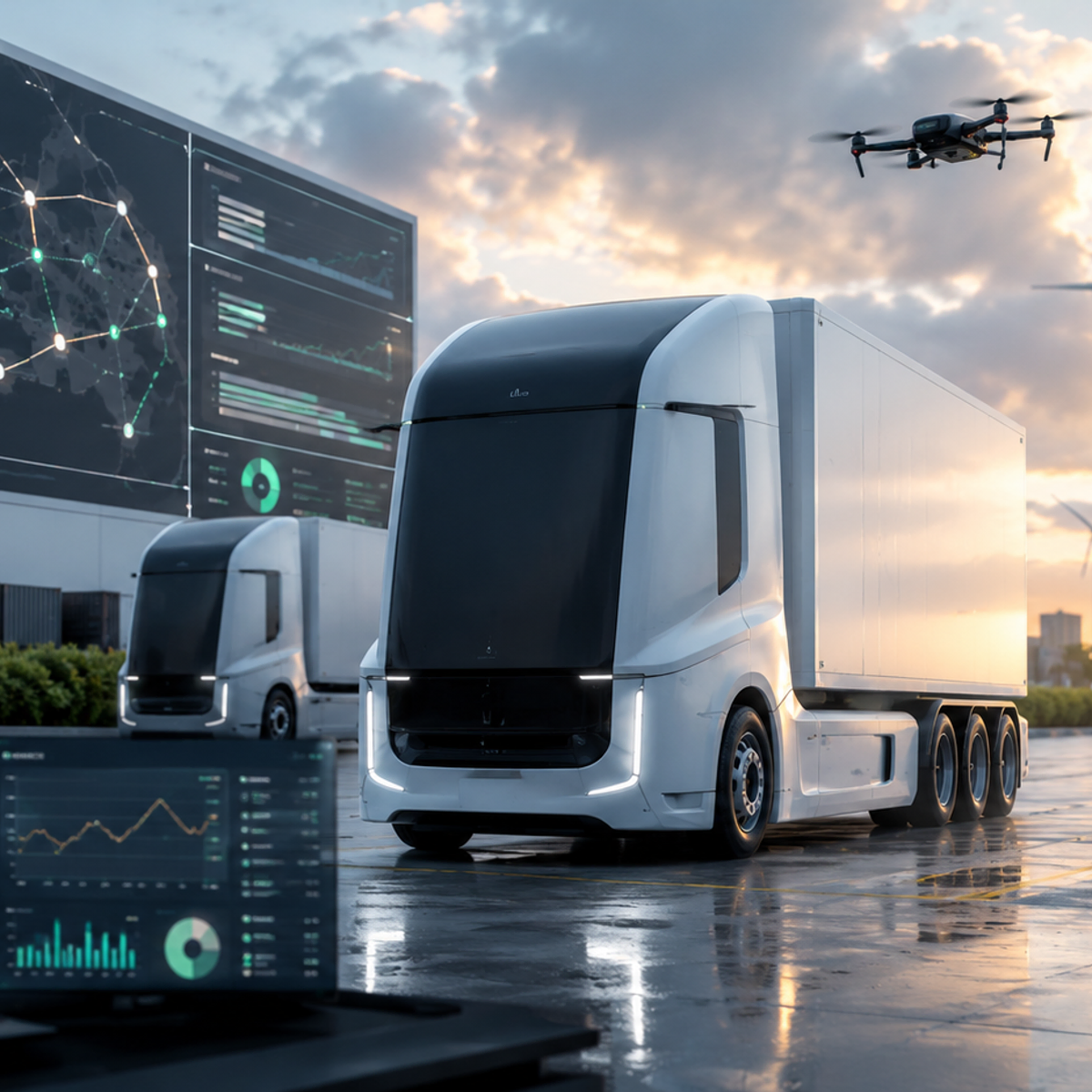
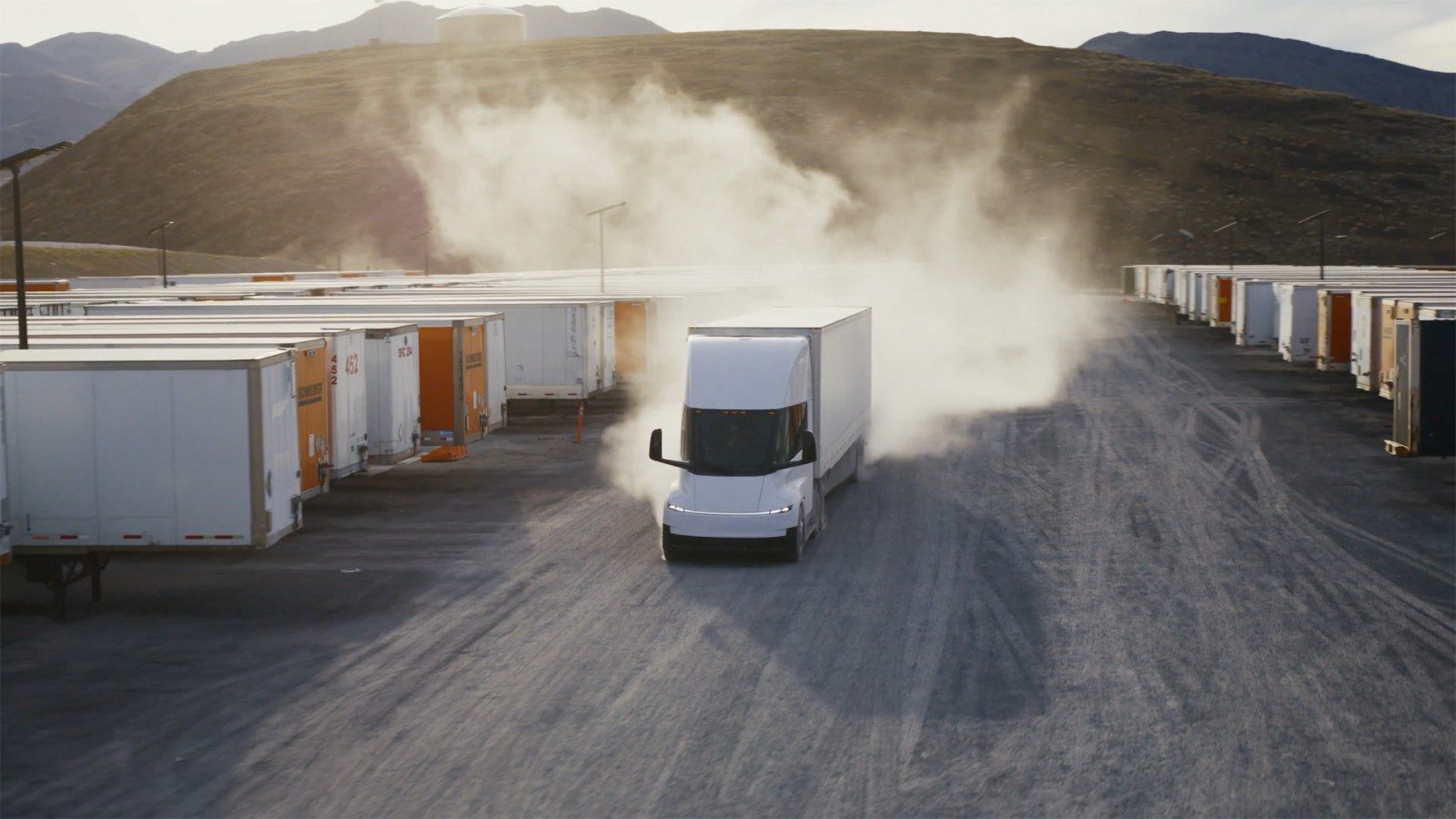
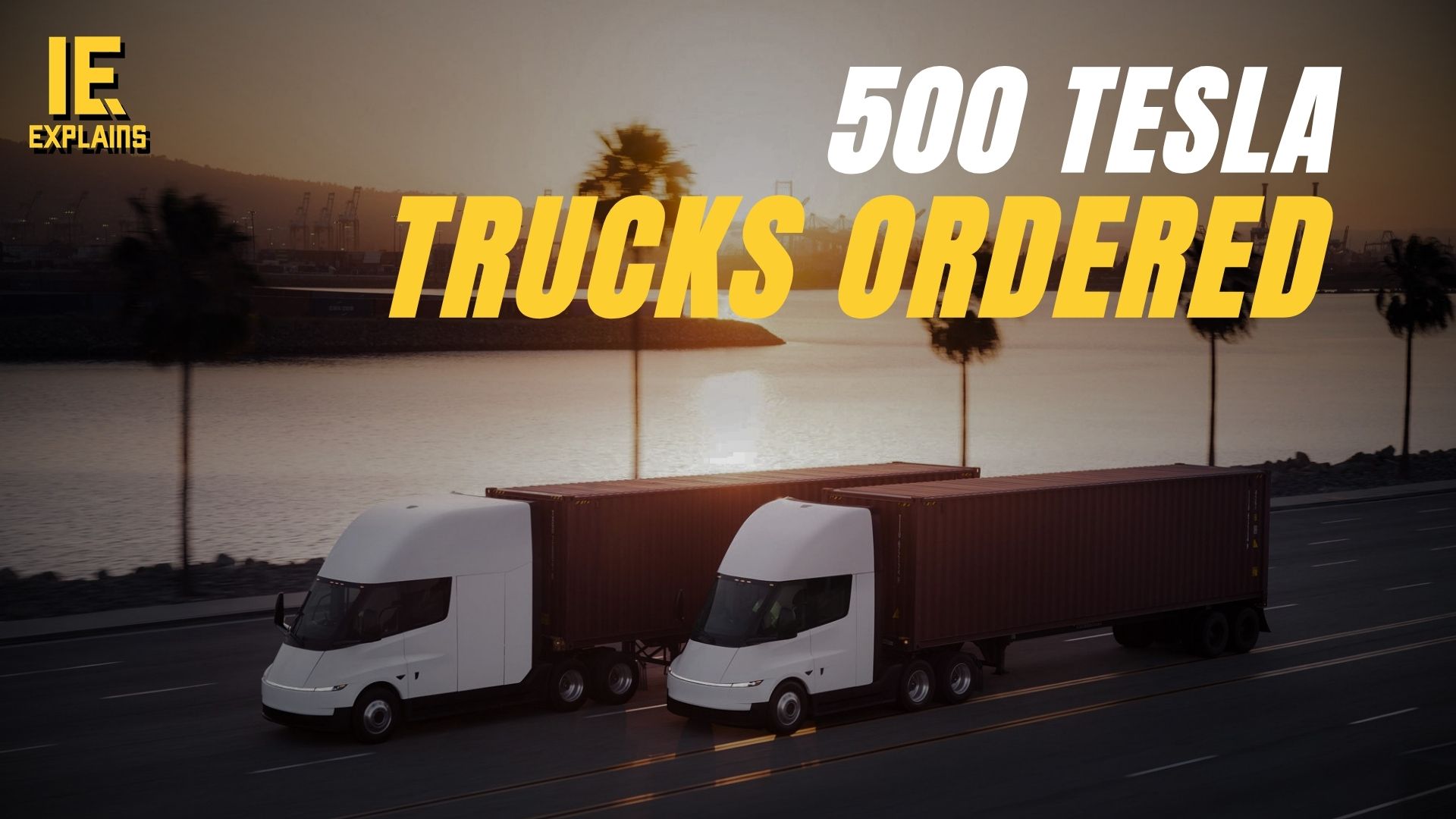
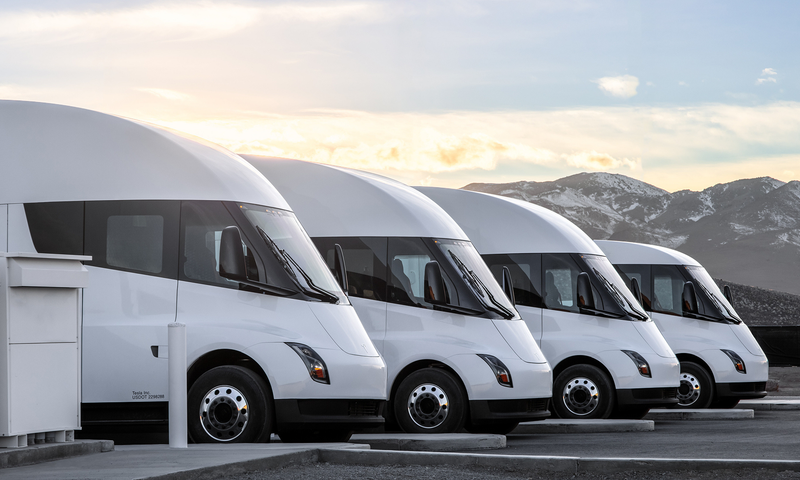
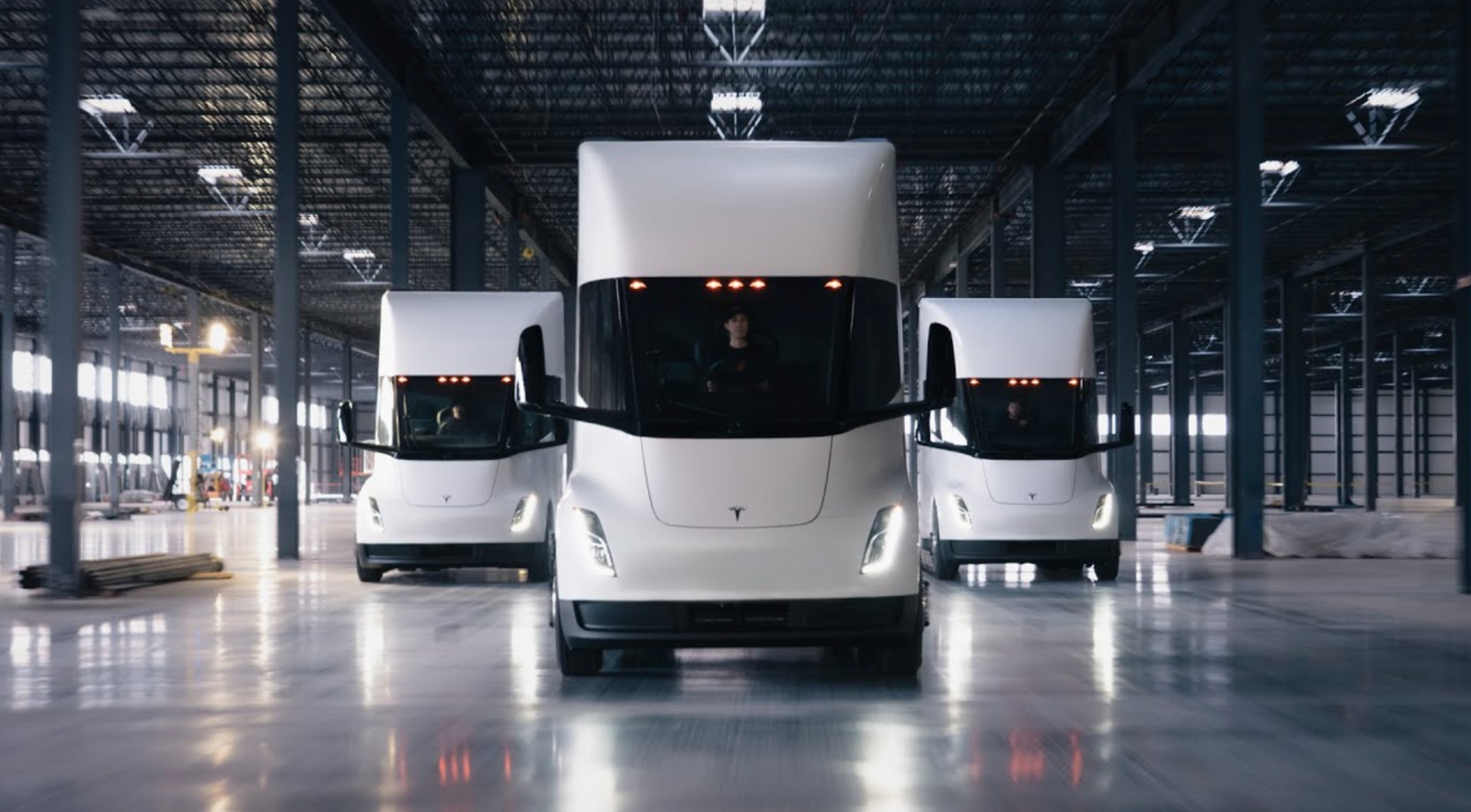
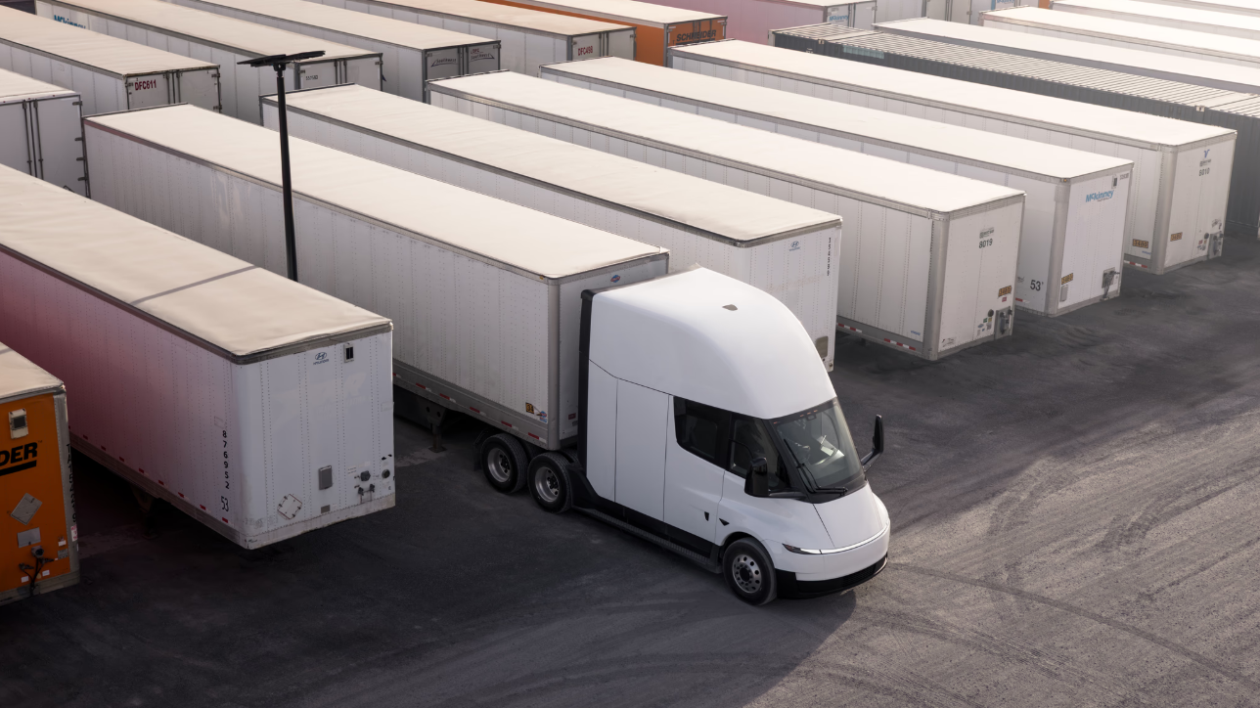
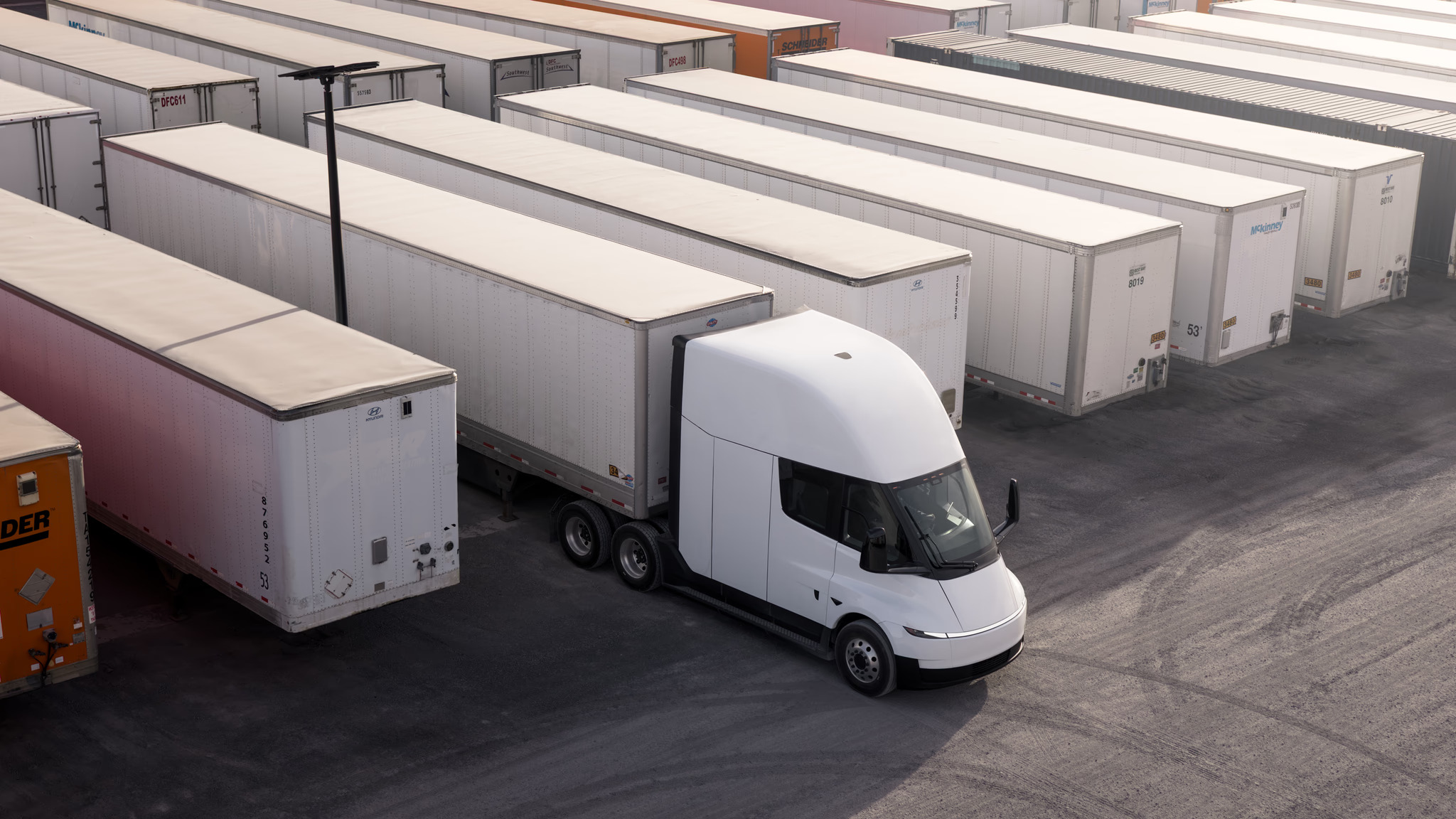
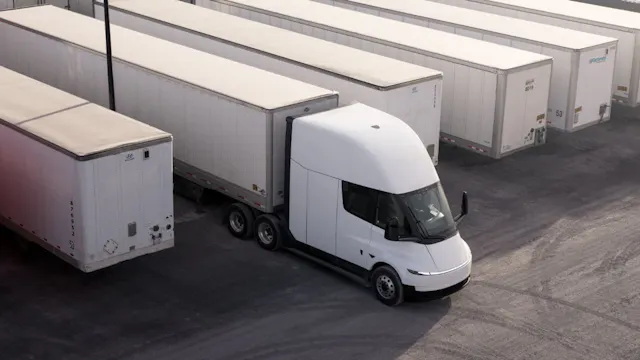
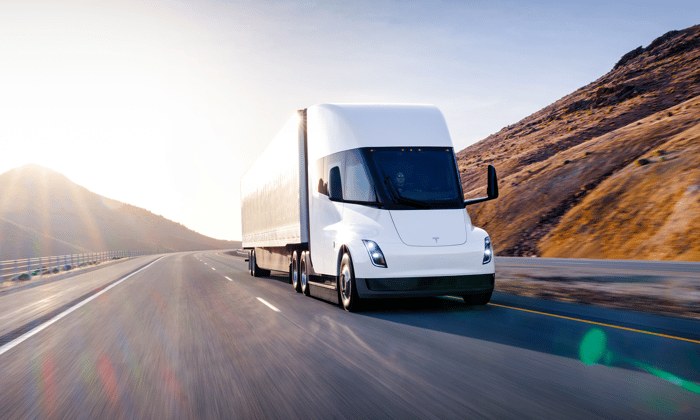
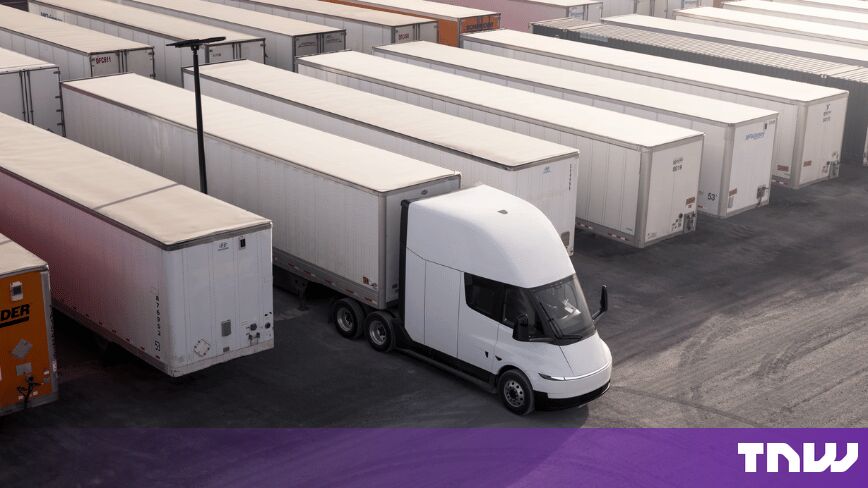
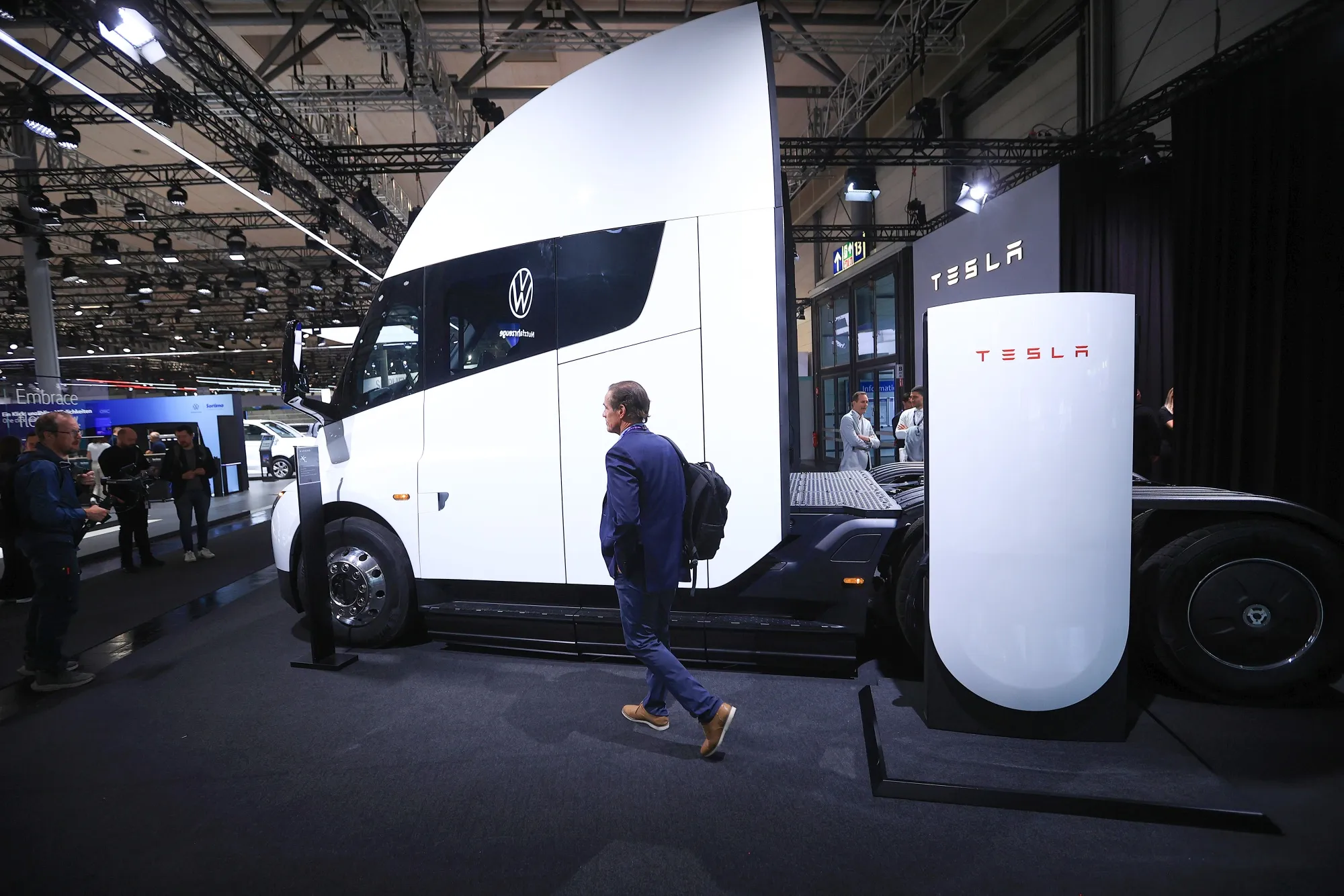
Amazon's strategic $130-145M investment in Einride's 500 Tesla Semi deployment marks a watershed moment for e-commerce logistics economics. The Swedish autonomous freight company announced on August 18, 2026, that it will deploy 500 Tesla Semis across five critical US freight corridors (California, Texas, New Jersey, Illinois, Georgia) beginning September 2026, with full rollout over 24 months. Critically, Amazon holds 25.2 million warrant shares (12% ownership) that vest as Amazon purchases freight services—converting the company from customer to strategic stakeholder. This $800 million potential annual recurring revenue pipeline directly impacts middle-mile and last-mile fulfillment economics for all e-commerce sellers relying on Amazon's logistics network.
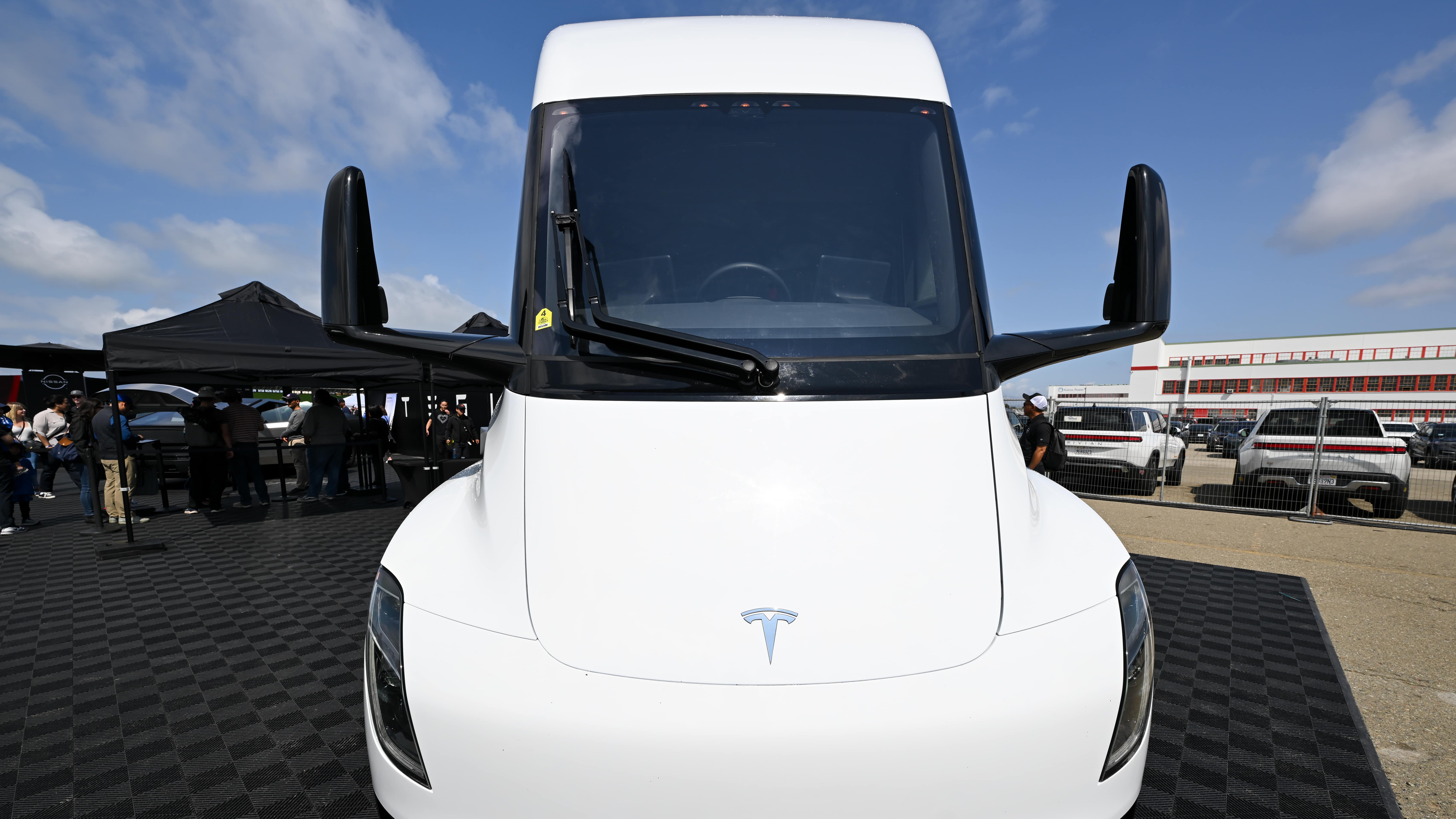
The immediate cost advantage is substantial and measurable. Tesla Semi variants cost $260,000-$290,000 per unit, with operating economics delivering 30-40% fuel cost reductions versus diesel equivalents. Einride's proprietary Saga AI software optimizes routing and charging across concentrated routes, reducing per-mile logistics costs by an estimated $0.15-0.25/mile compared to traditional trucking. For sellers shipping 50+ units daily via Amazon's fulfillment network, this translates to 8-12% reduction in effective FBA shipping costs by Q4 2027 as Einride's fleet reaches operational scale. The company forecasts 60-73% year-over-year revenue growth in H2 2026, driven by Amazon ramp and European deployments, indicating aggressive capacity expansion.
Autonomous operation timelines create a critical 18-24 month window for logistics arbitrage. Tesla CEO Elon Musk claims self-driving capability within one year (by August 2027), with Einride already operating Level 4 autonomous vehicles in Ohio (5,400+ driverless hours logged as of June 2026). McKinsey projects full autonomous trucking viability by 2032, but early adoption could eliminate driver costs (35-40% of trucking expenses) by 2028. Morgan Stanley analysts project 70% cost advantages for early adopters. Sellers should anticipate a two-tier logistics market: premium rates for traditional carriers (facing driver shortages) and 15-25% discounts from Einride/Tesla Semi operators by late 2027. The European expansion (News 3) signals parallel cost reductions for EU-based sellers, with Swedish trucking firms adopting electric fleets under EU emissions regulations, potentially reducing intra-EU shipping costs by 12-18% by Q2 2027.
Warehouse positioning and inventory strategy must shift immediately. Einride's concentrated deployment across five states creates geographic arbitrage opportunities: sellers should prioritize inventory positioning in California (largest e-commerce market), Texas (fastest-growing logistics hub), and New Jersey (East Coast gateway) to capture 8-12% shipping cost advantages. Conversely, sellers relying on traditional carriers in secondary markets (Ohio, Pennsylvania, Midwest) face 5-8% cost increases as diesel-dependent carriers raise rates to offset fuel volatility. The 24-month rollout timeline (September 2026 through August 2028) creates a staging opportunity: stock 2-3 months of inventory in Einride-served regions by Q4 2026 to lock in lower fulfillment costs before autonomous pricing models fully mature. For 3PL providers and FBM sellers, Einride's model (company finances vehicles, builds charging infrastructure, operates services) eliminates capital requirements—sellers can negotiate direct contracts with Einride for middle-mile services at 15-20% discounts versus traditional LTL carriers.
Questions 8
What's the best fulfillment strategy for sellers in non-Einride regions?
Sellers in secondary markets (Ohio, Pennsylvania, Midwest, Southeast outside Georgia) face 5-8% cost increases as traditional carriers raise rates to offset fuel volatility and capacity loss to Einride. Three strategies mitigate this: (1) Negotiate direct contracts with Einride for middle-mile services—the company operates a capital-light model where it finances vehicles and builds infrastructure, allowing sellers to access electric trucking without capital investment. (2) Shift to regional 3PL providers adopting electric fleets; monitor carriers in your region for Tesla Semi or similar EV deployments. (3) Implement a hybrid fulfillment model: use FBA for Einride-served regions (CA, TX, NJ, IL, GA) and FBM or regional 3PLs for secondary markets. For sellers with 50+ daily shipments, the cost differential justifies inventory repositioning. Einride's business model (company purchases vehicles, hires drivers, builds charging infrastructure) eliminates capital barriers—sellers can negotiate volume discounts for direct contracts at 15-20% below traditional LTL rates.
How does European electric trucking expansion affect my cross-border EU shipping?
Swedish trucking firms are adopting Tesla Semis under EU emissions regulations, signaling parallel cost reductions for EU-based sellers. The news reports that European logistics companies face increasing pressure to reduce carbon emissions, making electric alternatives attractive. Sellers managing European distribution should expect intra-EU shipping costs to decline 12-18% by Q2 2027 as electric fleets scale. However, this benefit concentrates in Nordic regions (Sweden, Denmark, Norway) initially, with broader EU adoption following by 2028. For sellers shipping from EU warehouses to UK or non-EU markets, traditional carriers will likely maintain premium rates, creating a 5-10% cost differential. Consider negotiating direct contracts with European electric trucking operators (similar to Einride's model) for middle-mile services. Monitor EU regulations on carbon pricing and emissions standards, which will accelerate electric adoption and cost reductions across the continent.