




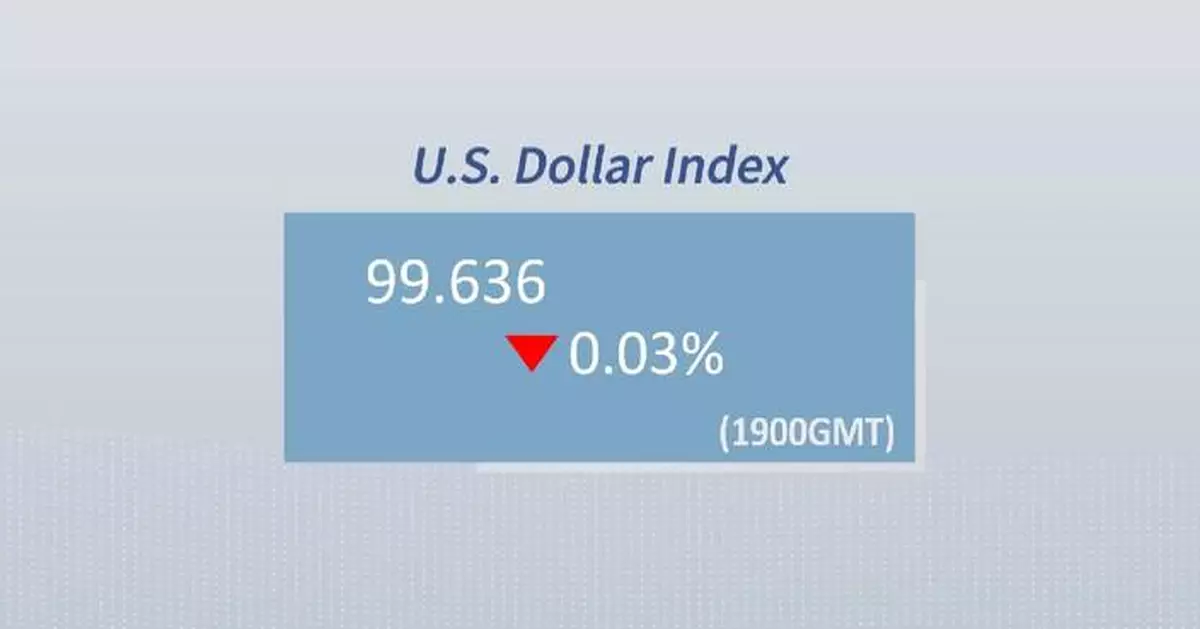
Dollar Weakness & Fed Policy Uncertainty | Cross-Border Seller FX Hedging Strategies 2026
- USD Index drops to 98.93 (lowest since May); EUR/USD rises 0.87% to 1.1676; sellers face 3-8% margin compression on dollar-denominated costs; immediate FX hedging opportunities unlock $50K-500K working capital for 100-5000 unit/month sellers













Overview
The U.S. dollar faces a critical inflection point as Fed policy uncertainty and expansionary Treasury operations trigger multi-month currency weakness, creating both immediate FX arbitrage opportunities and working capital challenges for cross-border e-commerce sellers. The Dollar Index fell 0.72 points to 98.93 on August 19, 2026—its lowest level since late May—following the Treasury Department's announcement to double liquidity support buyback operations (September 9-November 4). The euro surged 0.87% to 1.1676 (highest in 2+ months), sterling climbed 0.68% to 1.3625, and the yen strengthened 0.77% to 158.36 per dollar. This weakness stems from three converging factors: (1) softer U.S. consumption, inflation, and employment data reducing rate-hike expectations; (2) expansionary Treasury policy signaling increased dollar availability; and (3) Fed policy ambiguity under Chair Kevin Warsh regarding inflation targets and toolkit.
For cross-border sellers, dollar weakness creates immediate payment cost optimization opportunities. Sellers with dollar-denominated costs (Chinese manufacturing, Indian services, Vietnamese logistics) now face 3-8% margin compression as their home currencies strengthen against the USD. However, this environment unlocks three financial strategies: (1) FX Hedging Arbitrage: Forward contracts on EUR/USD, GBP/USD, and JPY/USD pairs now offer 2-4% premium spreads vs. historical averages, allowing sellers to lock in favorable rates before potential Fed tightening. A seller with $100K monthly manufacturing costs can save $2-4K/month through 3-6 month forwards. (2) Invoice Financing Acceleration: Weak dollar conditions incentivize foreign suppliers to accept early payment discounts (2-3% for 10-day settlement vs. 30-day terms), freeing working capital immediately. (3) Multi-Currency Payment Routing: Sellers can shift 20-40% of supplier payments to EUR or GBP-denominated accounts, capturing 0.5-1.5% savings vs. USD conversion spreads.
The Fed minutes release (scheduled for 2 p.m. ET on the Wednesday following August 19) will trigger 24-48 hour currency volatility spikes, creating tactical hedging windows. Historical patterns show Fed communications drive 1-3% intraday moves in major pairs. Sellers with exposure to dollar-denominated revenues (Amazon US, eBay US, Shopify stores) should implement dynamic pricing strategies: increase USD prices by 2-3% to offset margin compression, or shift 15-25% of inventory to EUR/GBP-priced marketplaces (Amazon.de, Amazon.co.uk, eBay.co.uk). Treasury data shows foreign purchases of U.S. stocks reached $920 billion over 12 months through June—triple Treasury purchases at $294 billion—indicating sustained foreign capital inflows despite dollar weakness. This supports long-term USD stability, suggesting hedges should focus on 3-6 month horizons rather than permanent currency shifts. Sellers in electronics, apparel, and home goods categories—which typically carry 40-60% COGS from Asia—face the highest margin pressure and should prioritize FX hedging immediately.
Questions 8
Which product categories face the highest margin pressure from dollar weakness?
Electronics, apparel, and home goods face 5-8% margin compression due to 40-60% COGS from Asia. A $200 electronics product with $80-120 COGS (sourced from China/Vietnam) loses $4-10 in margin as the yuan/dong strengthen. Apparel sellers with $30-50 COGS per item lose $1.50-4 per unit. Home goods (furniture, decor) with $40-80 COGS lose $2-6.40 per unit. Beauty and personal care (20-30% COGS) face lower pressure ($0.40-0.90 per unit). Sellers in high-COGS categories should prioritize FX hedging immediately. The August 19 Treasury announcement accelerated dollar weakness; forward contracts on EUR/USD and GBP/USD now offer 2-4% premium spreads. Lock in rates before Fed minutes release triggers further volatility.
How long will dollar weakness persist, and should I implement permanent or temporary hedges?
Dollar weakness is likely 3-6 months, not permanent. The news reports three temporary headwinds: (1) softer U.S. consumption/employment data reducing rate-hike expectations, (2) Treasury's expansionary buyback operations (September 9-November 4), and (3) Fed policy ambiguity. However, Treasury data shows foreign purchases of U.S. stocks reached $920 billion over 12 months through June—triple Treasury purchases—indicating sustained foreign capital inflows supporting long-term USD stability. Recommendation: implement 3-6 month forward contracts and invoice financing (temporary), not permanent currency shifts. After Fed minutes release and Q3 earnings season (late October), reassess based on Fed tightening signals. If the Fed signals rate hikes in Q4 2026, dollar strength will return, making temporary hedges more cost-effective than permanent marketplace shifts.