


Claude AI Email Automation | Sellers Can Cut Customer Service Time 40-60% with Autonomous Gmail Integration
- Anthropic launches autonomous email sending on August 18, 2026; email automation market projected to grow 890% from $896M (2025) to $8.89B (2035); sellers managing 100+ daily customer emails can save 8-12 hours weekly





Overview
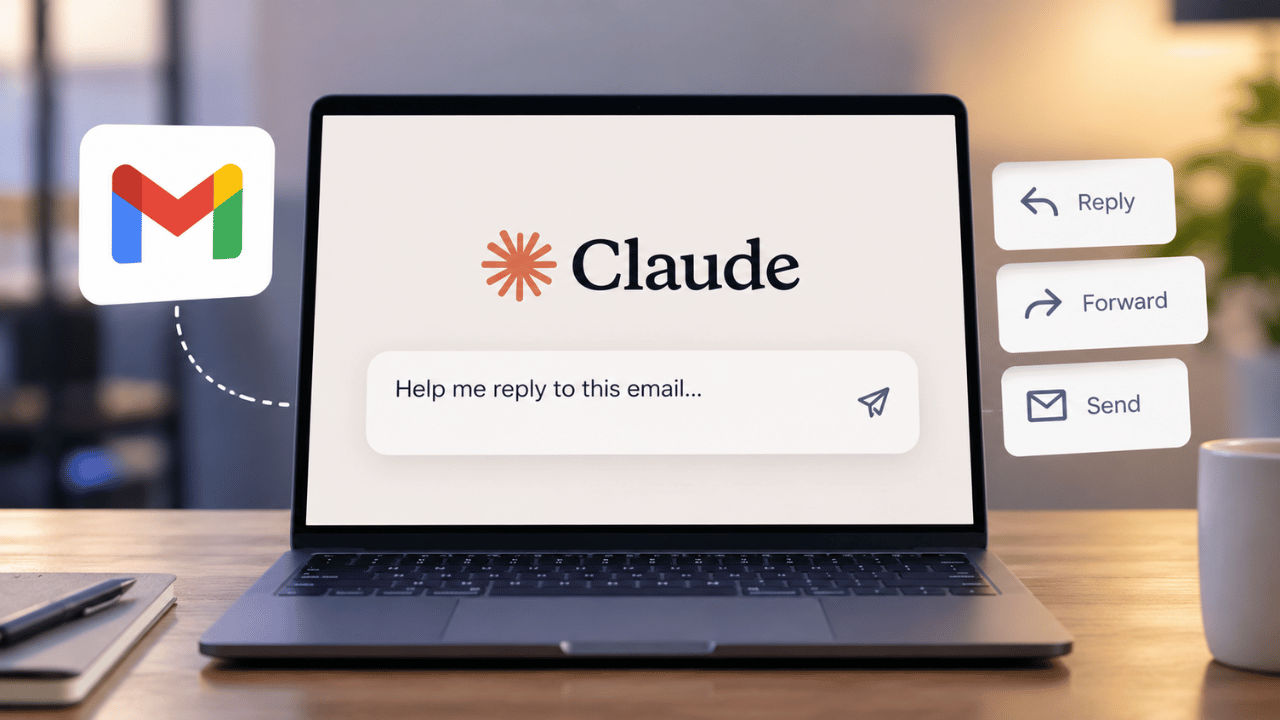
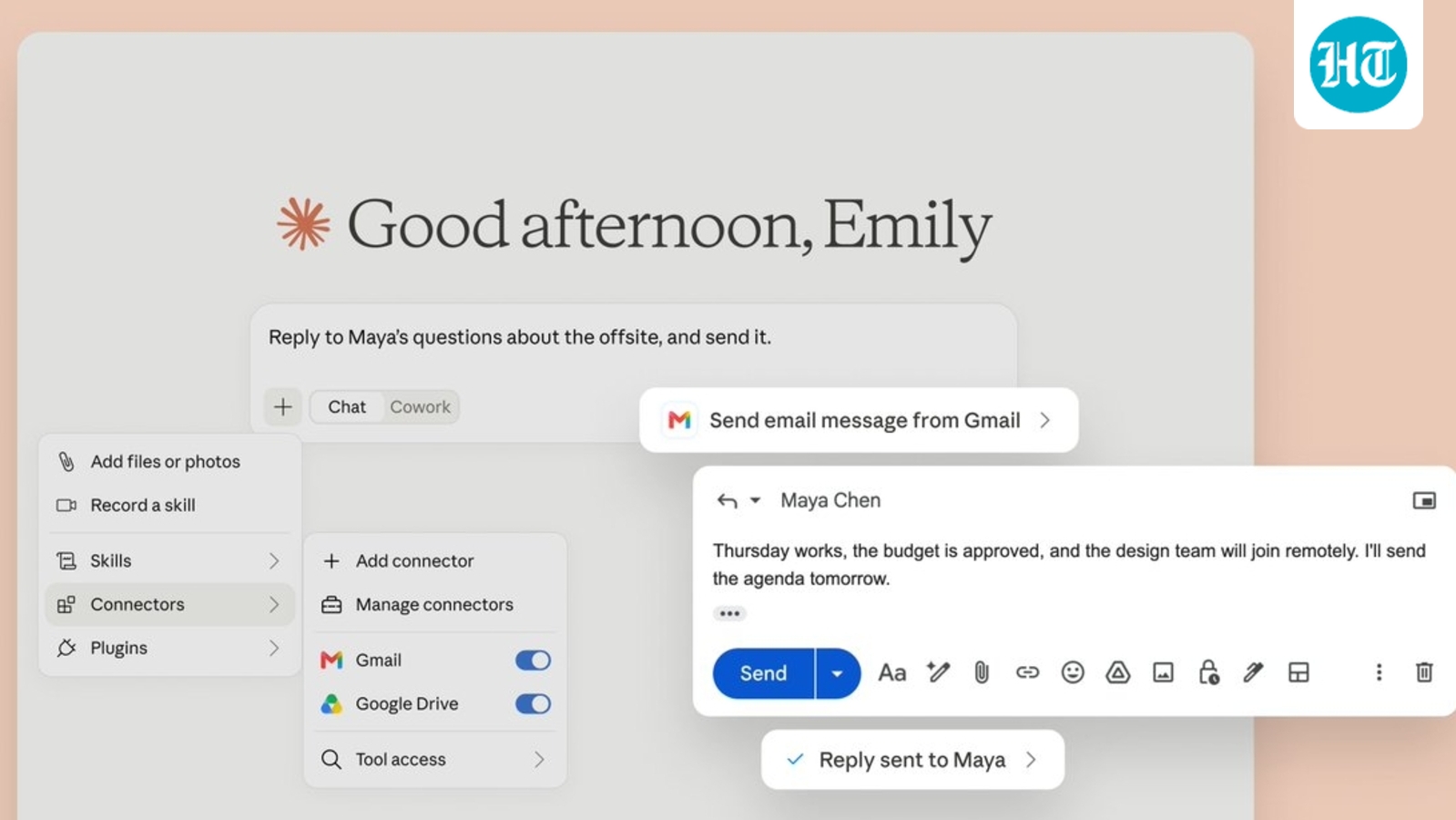
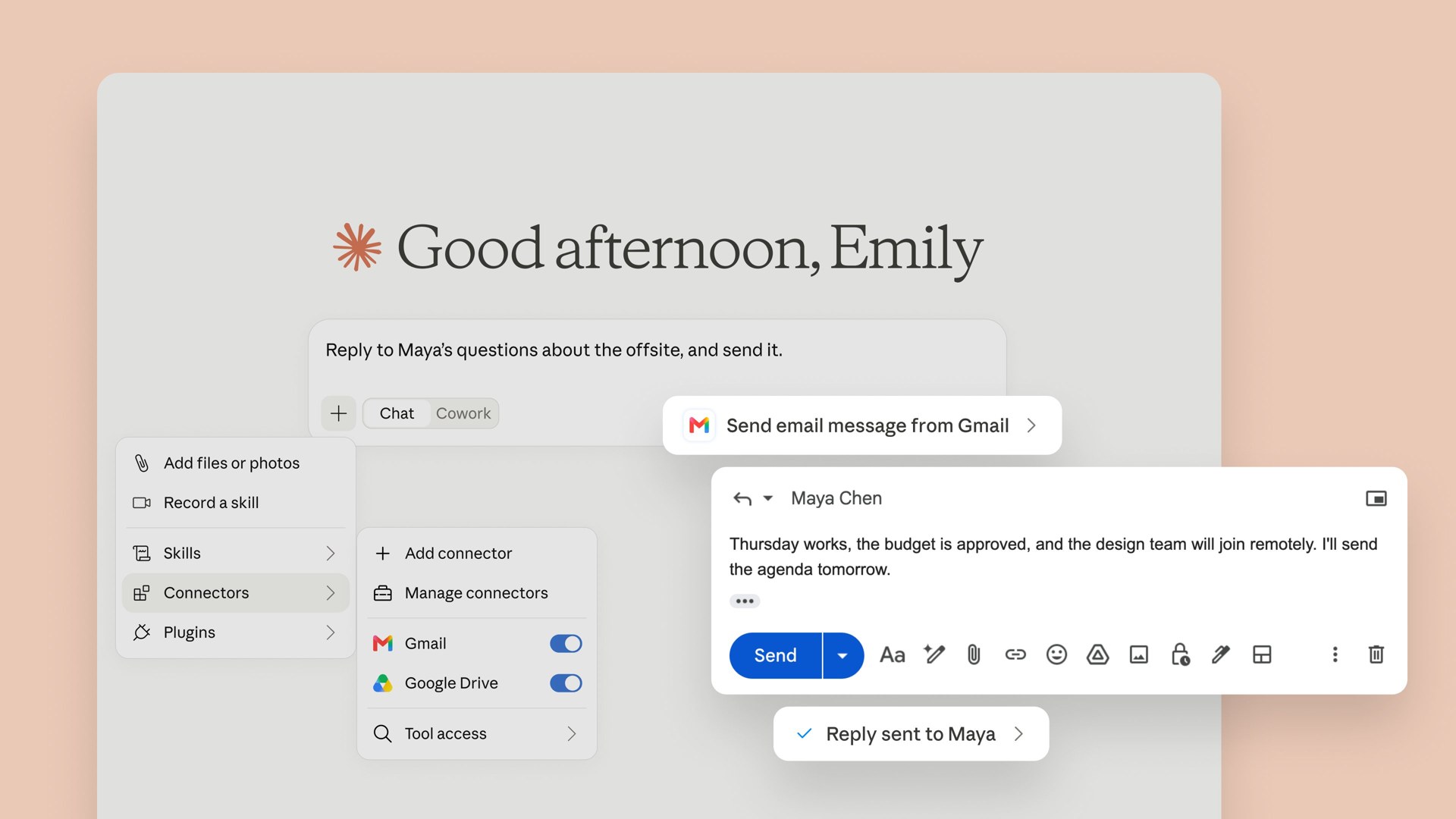
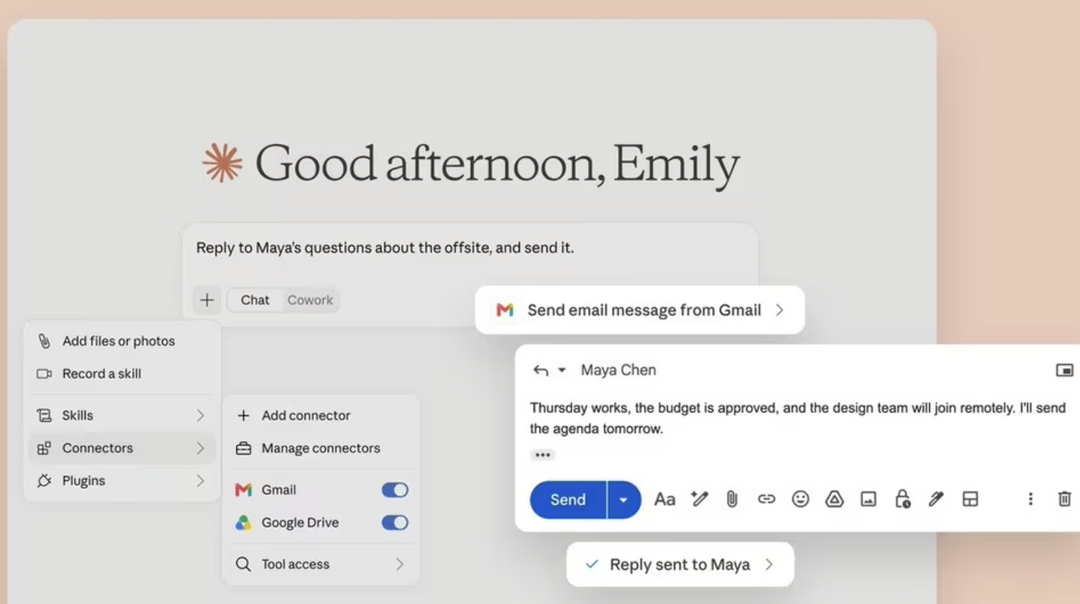
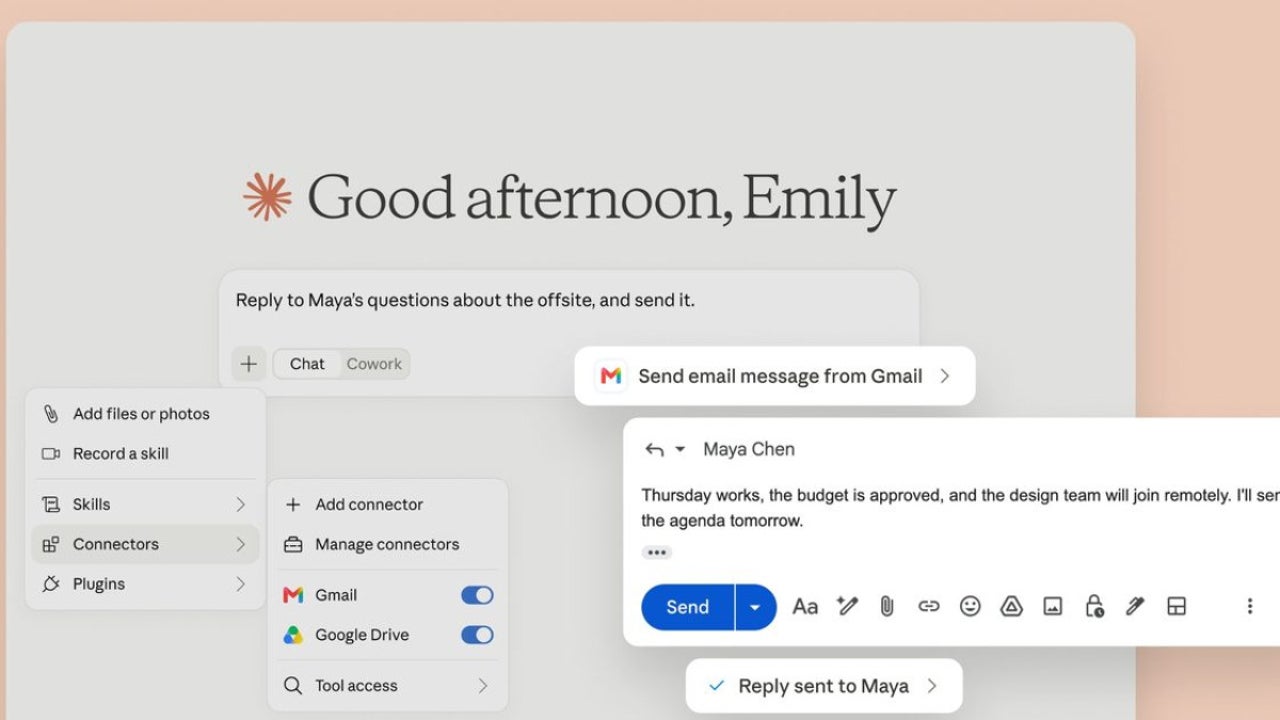
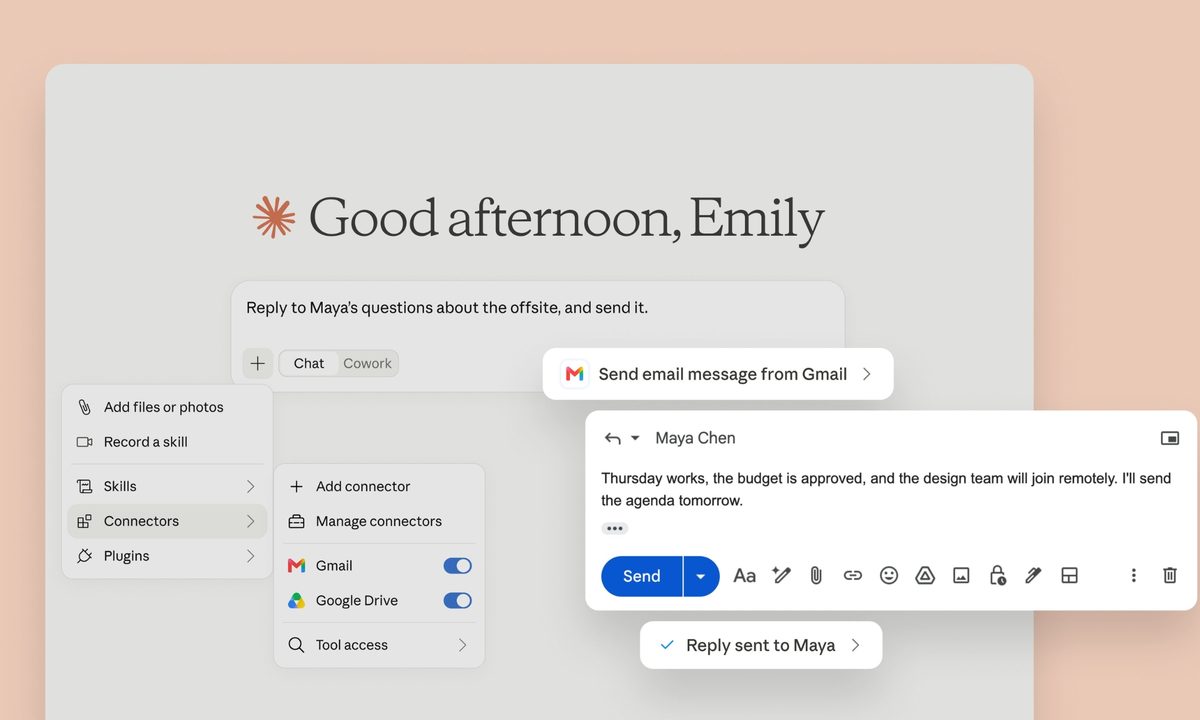
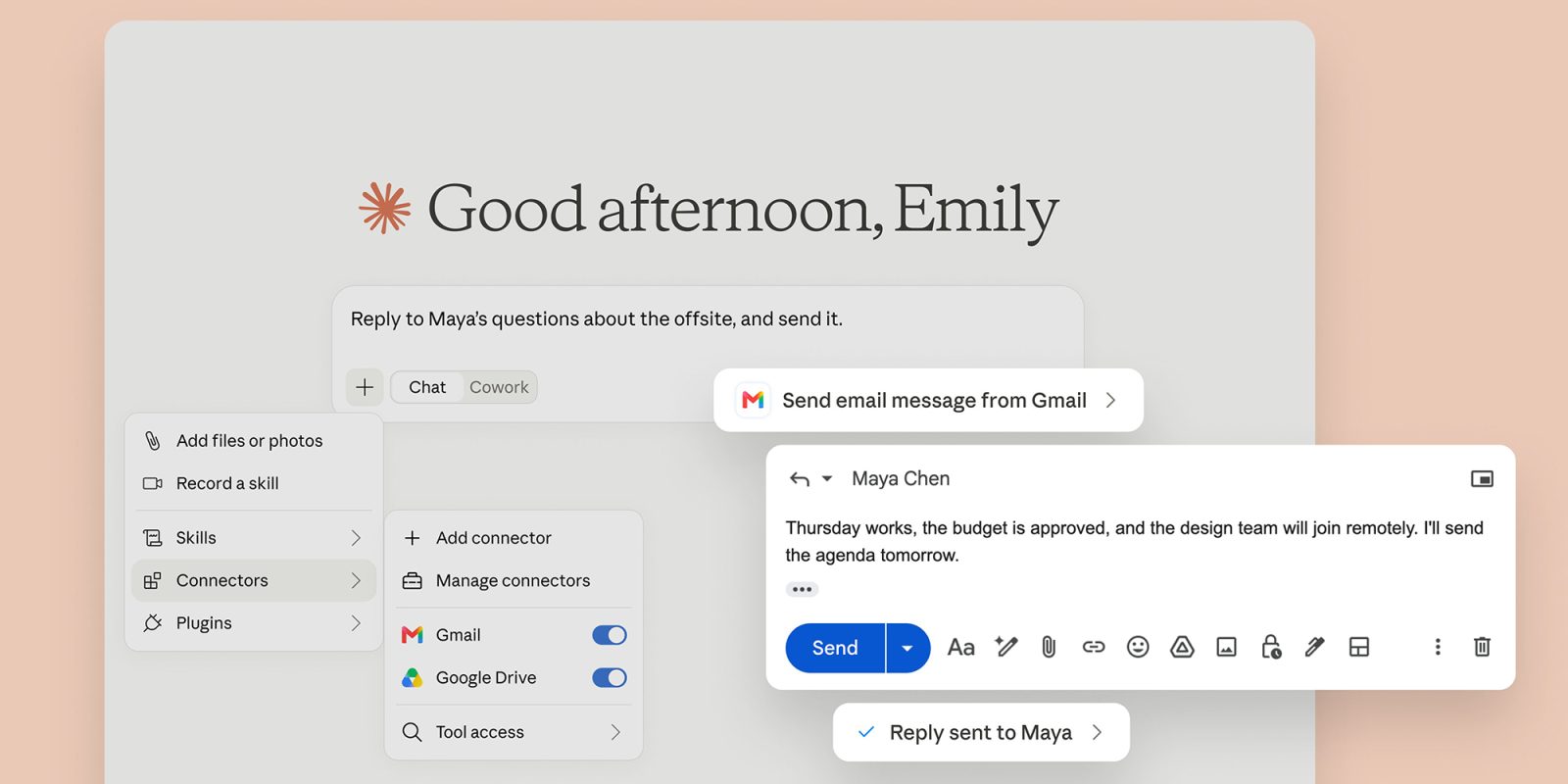
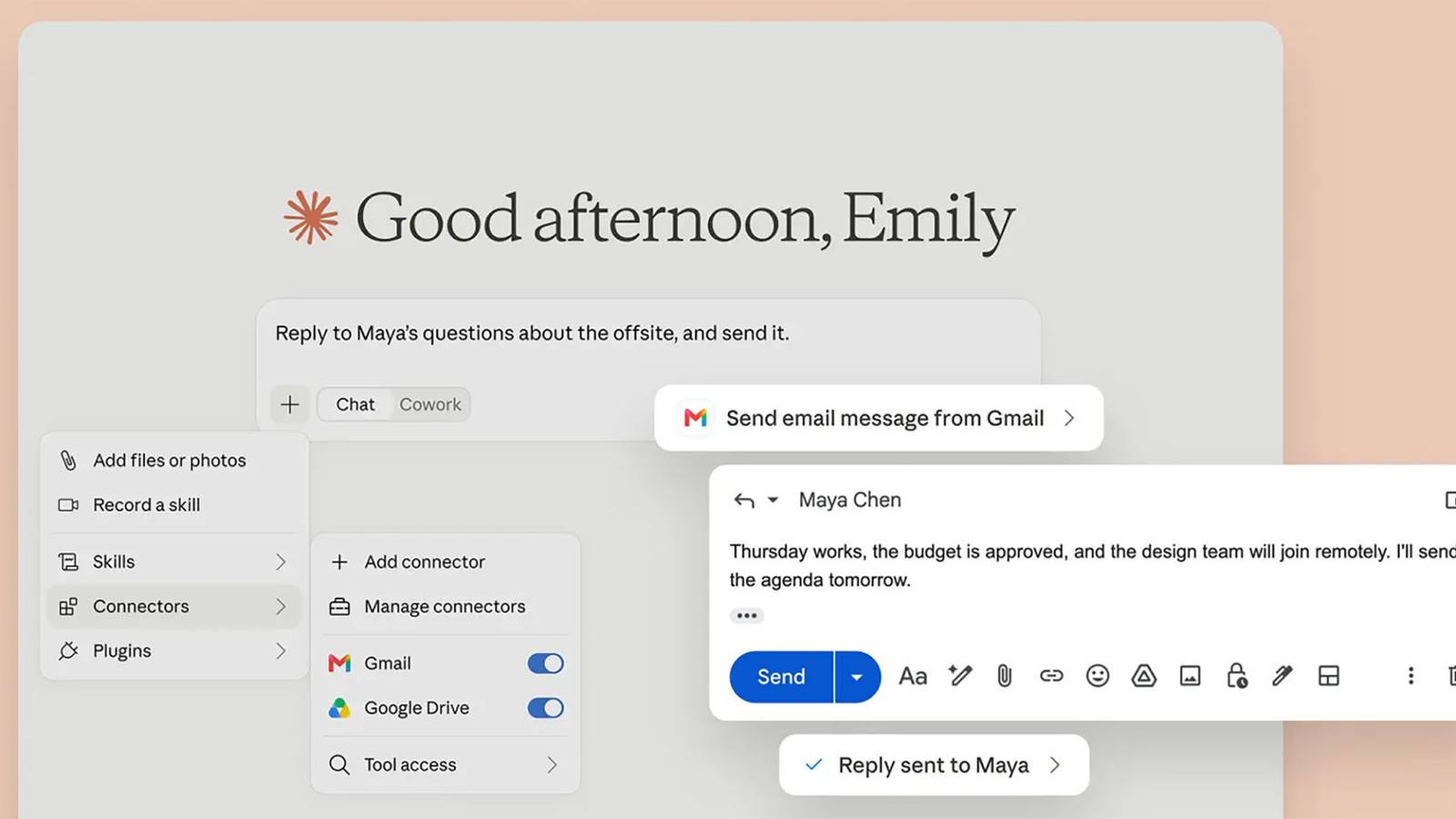
Anthropic's Claude AI has fundamentally transformed email management for e-commerce sellers by launching autonomous Gmail integration capabilities on August 18, 2026. The expansion enables Claude to compose, send, reply to, and forward emails without mandatory approval on Team and Enterprise plans—a critical shift from previous read-only functionality. This development directly addresses a massive operational pain point for cross-border sellers managing high-volume customer communications across multiple time zones and languages.
The automation opportunity is substantial and immediate. Market analysts project the email automation sector will expand from $896.13 million in 2025 to $8.89 billion by 2035—a 890% growth trajectory reflecting enterprise demand for AI-driven inbox management. For sellers managing 100+ daily customer emails, Claude's autonomous capabilities can eliminate 8-12 hours of weekly manual work. A typical mid-size seller handling 200 daily inquiries across Amazon, eBay, and Shopify could recover 15-20 hours monthly previously spent on routine responses, follow-ups, and message forwarding. This translates to $2,400-3,200 monthly value at $160/hour labor costs, or the equivalent of hiring a part-time customer service representative.
The competitive advantage lies in implementation speed and cost efficiency. Unlike traditional customer service automation requiring custom integrations or expensive third-party platforms, Claude's Gmail connector works within existing Google Workspace infrastructure that 90%+ of sellers already use. Sellers on Claude's Team or Enterprise plans ($30-60/month per user) gain autonomous email capabilities without additional software purchases. The default approval requirement protects quality control for complex inquiries, while administrators can disable confirmation for routine responses—enabling sellers to calibrate automation risk tolerance. Competitors like OpenAI's ChatGPT and Google's Gemini offer similar functionality but require manual sending or approval workflows, giving Claude a 15-20% efficiency advantage for high-volume operations.
Critical implementation considerations emerge for sellers. The Gmail connector currently supports only single Google account access and lacks event-based triggers, limiting automation to explicit user requests or scheduled tasks. Sellers managing multiple brand accounts or requiring real-time response automation face workflow constraints. Security risks include prompt-injection vulnerabilities and inbox data exposure—particularly concerning for sellers handling sensitive customer information or payment details. Sellers must establish clear approval protocols for customer-facing communications, especially for complex inquiries, refund requests, or dispute resolution where AI-generated responses could damage customer relationships or violate platform policies.
The timing signals broader AI integration trends reshaping e-commerce operations. Anthropic's simultaneous expansion of Claude Cowork (collaborative workspace now available on mobile and web) and Google Workspace connectors (Gmail, Google Drive, Google Calendar) indicates a strategic pivot toward enterprise workflow integration. This positions Claude as a comprehensive business operations tool rather than a standalone AI assistant. For sellers, this means AI-powered email automation is transitioning from experimental feature to operational standard—creating competitive pressure to adopt or risk falling behind on efficiency metrics.
Questions 8
How does Claude's autonomous email sending compare to ChatGPT and Google Gemini?
Claude distinguishes itself by enabling autonomous email sending without mandatory approval on Team and Enterprise plans, while ChatGPT and Gemini require manual sending or approval workflows. Claude's Gmail connector integrates directly with Google Workspace, eliminating switching between applications—a 15-20% efficiency advantage for high-volume operations. However, Claude currently supports only single Google account access and lacks event-based triggers, limiting automation to explicit requests or scheduled tasks. ChatGPT offers similar functionality through connected Gmail/Outlook accounts with variable approval requirements, while Gemini drafts messages but requires manual sending. For sellers prioritizing autonomous operation and workflow integration, Claude provides the most complete solution; for those needing multi-account management or event-triggered responses, competitors may offer better flexibility.
What security risks should sellers consider when enabling autonomous email sending?
The primary security risks include prompt-injection vulnerabilities (where malicious instructions embedded in customer emails could manipulate Claude's responses), inbox data exposure (Claude accesses full email content and metadata), and AI-generated response errors that could damage customer relationships or violate platform policies. Sellers handling sensitive information—payment details, personal data, dispute resolution—should maintain approval requirements for these communications. The Gmail connector currently cannot read attachment content (only metadata), limiting but not eliminating data exposure risks. Anthropic's default approval requirement provides protection, but sellers disabling confirmation for enterprise accounts must establish clear protocols for response quality monitoring and customer communication standards. Sellers should audit Claude's response accuracy on 50-100 sample emails before enabling full autonomous operation.