


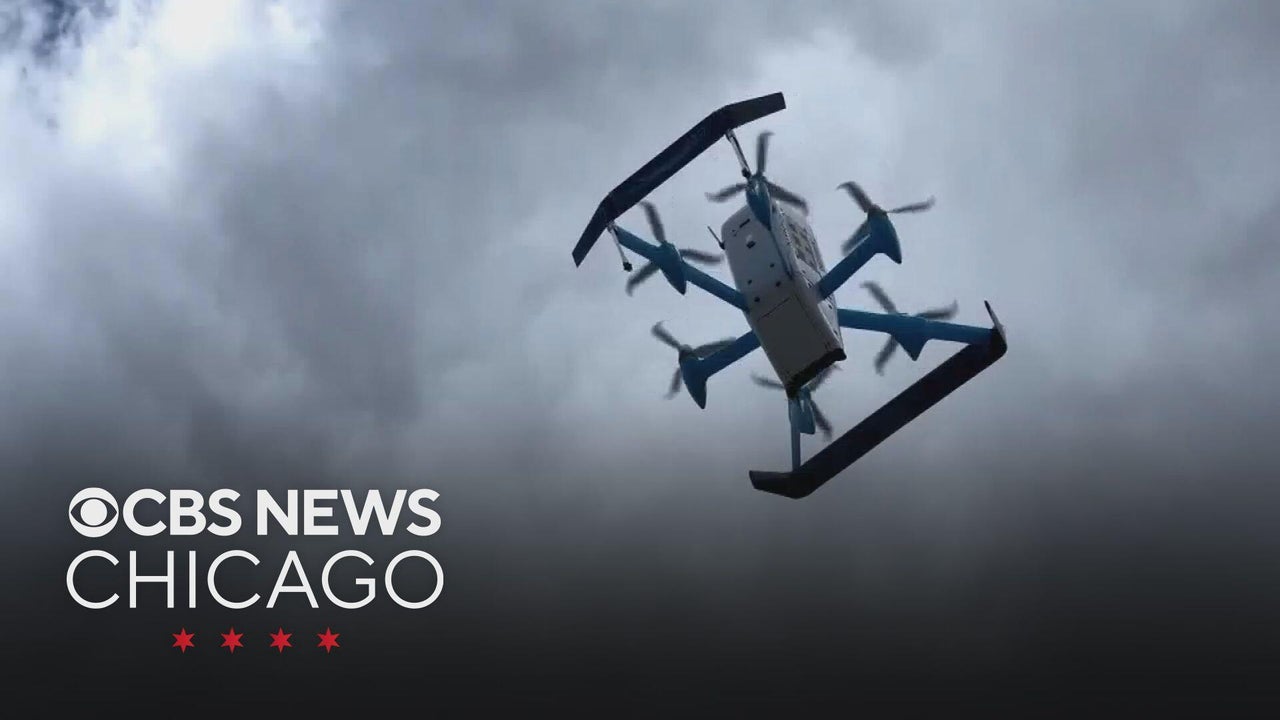
Amazon Prime Air Drone Expansion to 500 Cities | Last-Mile Logistics Revolution for Lightweight Product Sellers
- Amazon expanding drone delivery from 11 to ~500 US locations by year-end; 30-minute delivery for packages up to 5 lbs creates new fulfillment economics for lightweight categories (medications, electronics accessories, beauty products)









Overview
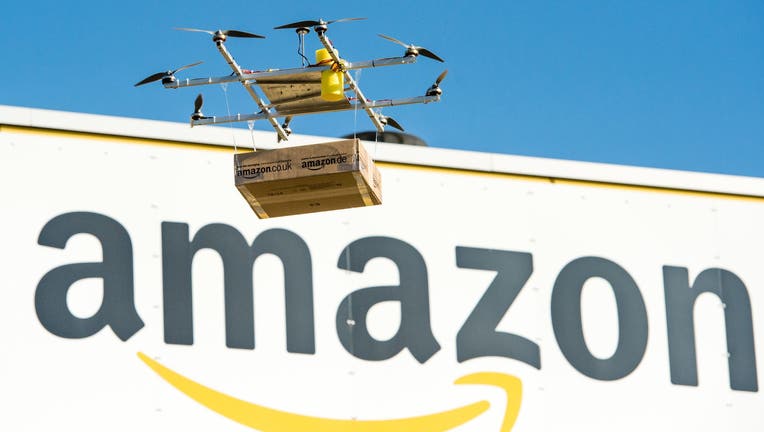
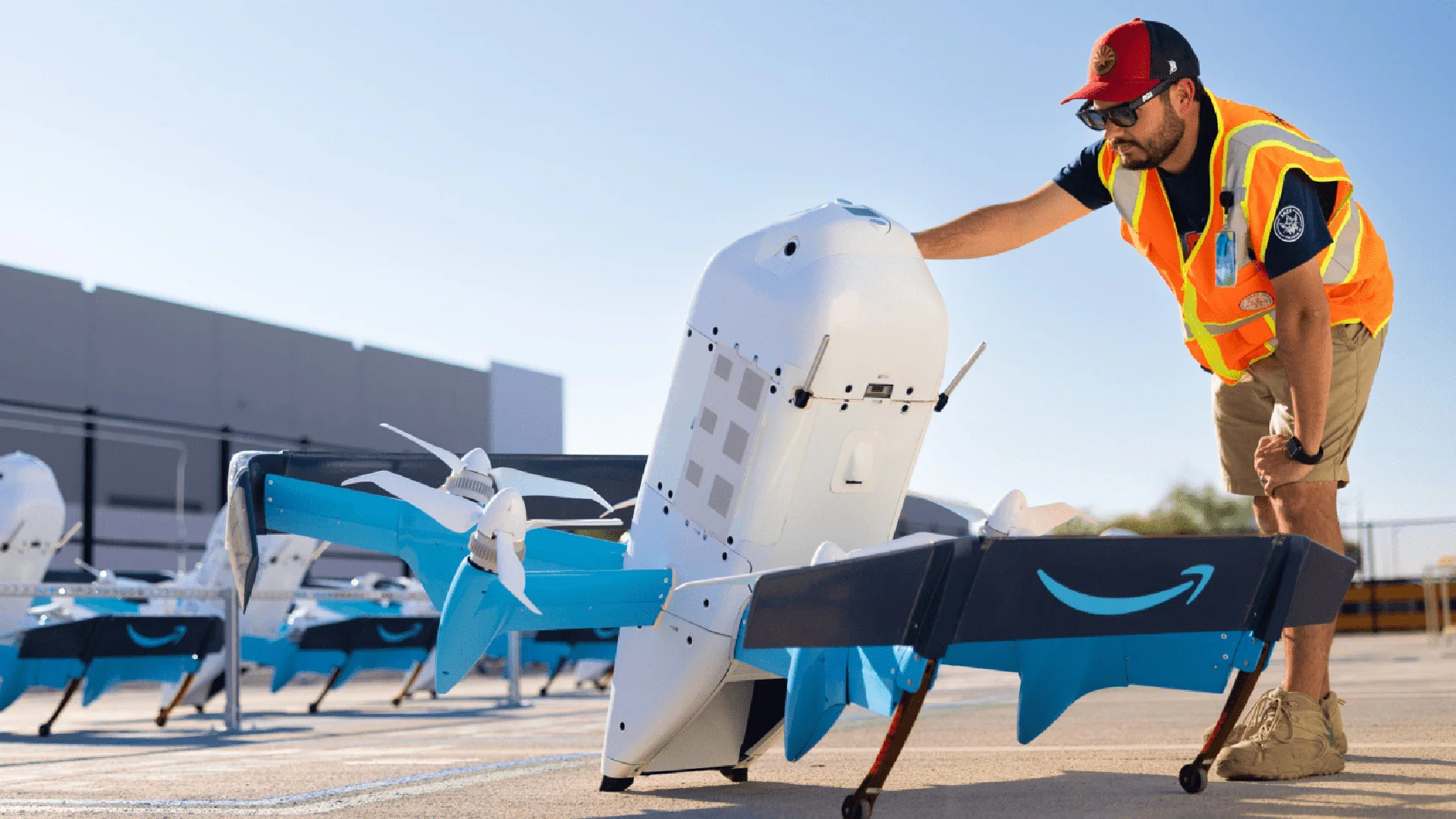
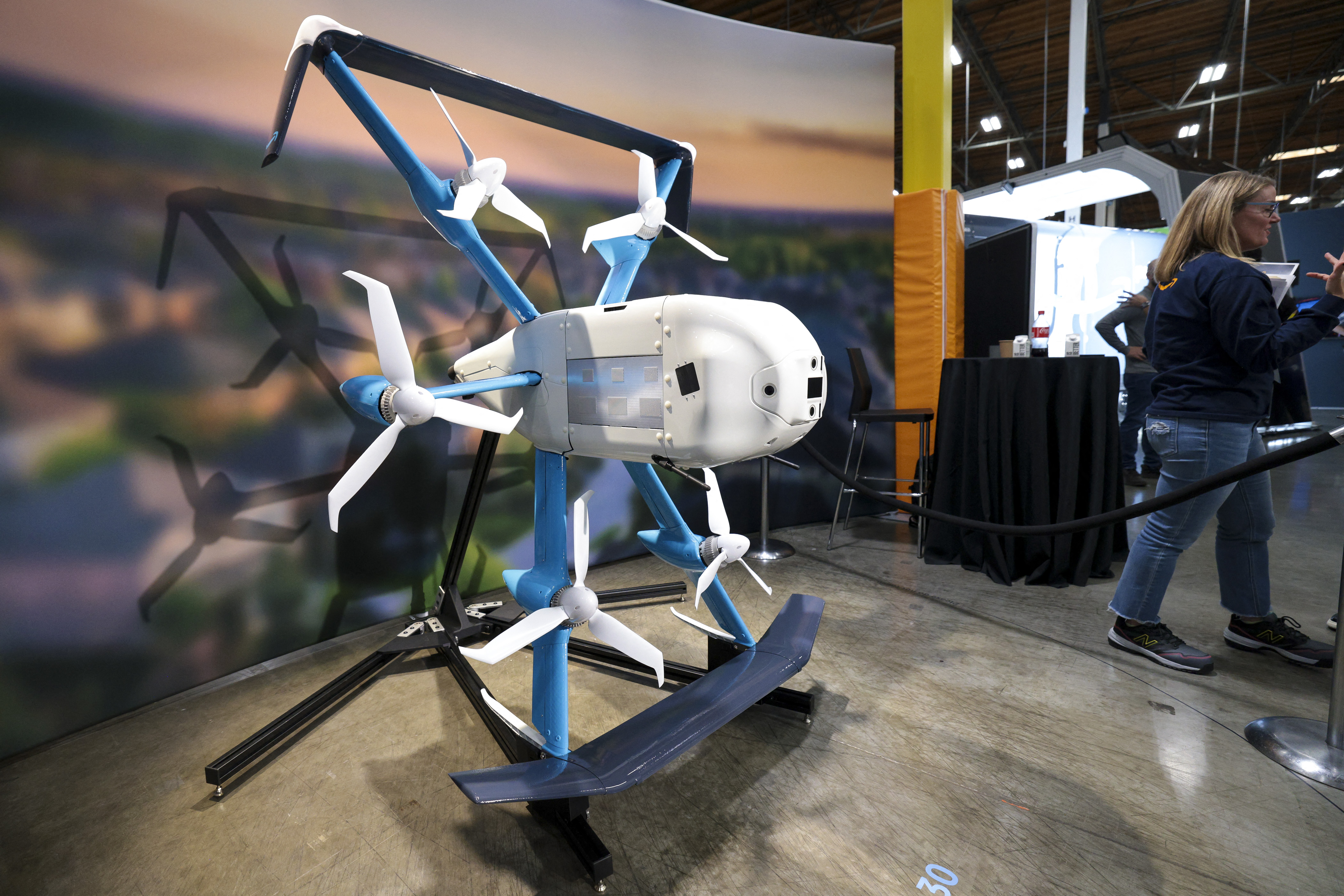
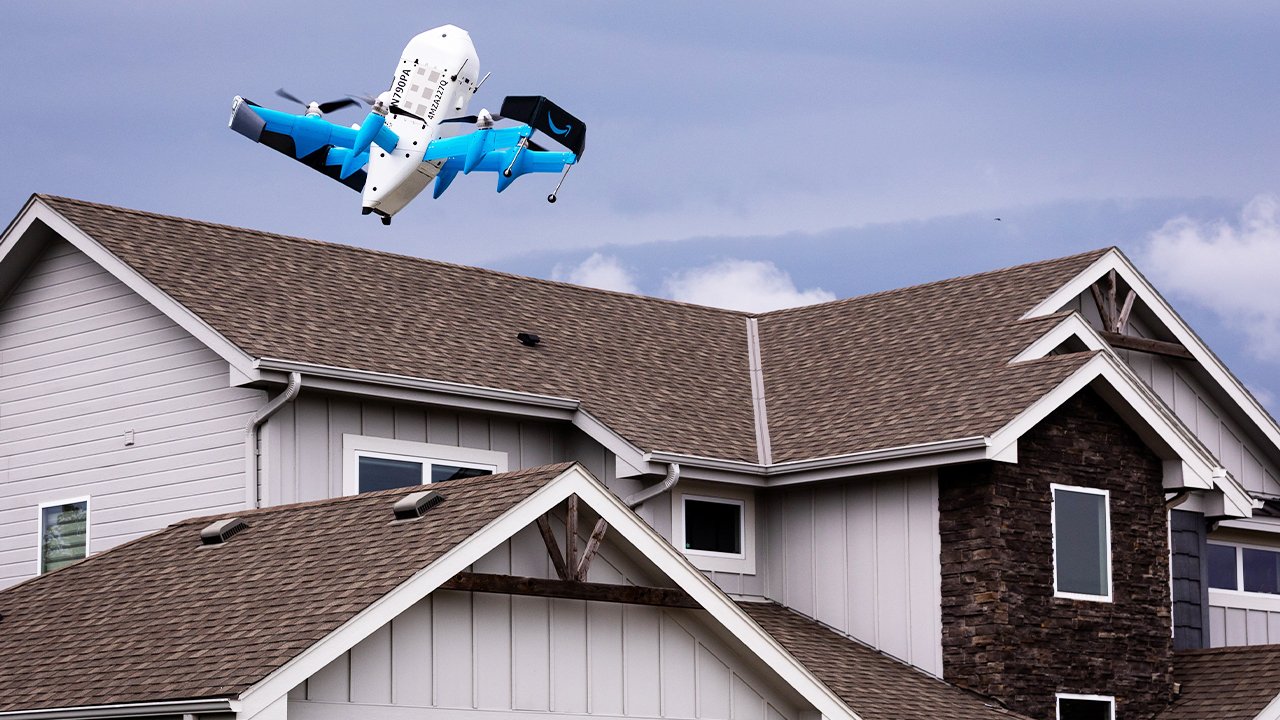
Amazon's Prime Air drone delivery expansion to approximately 500 U.S. cities by year-end represents a fundamental shift in last-mile logistics economics that directly impacts seller fulfillment strategies, inventory positioning, and product category competitiveness. The expansion grows from 11 current operational locations to serve 30 million customers, with drones delivering packages up to 5 pounds in as fast as 30 minutes. Pricing is set at $4.99 per delivery ($2.99 for Prime members, free on orders over $50), creating a new cost-competitive fulfillment option for lightweight, time-sensitive products.
For sellers, this drone expansion fundamentally alters last-mile cost structures in suburban markets across major metros (Chicago, Atlanta, Cleveland, Boise, Syracuse, Cleveland areas). Traditional ground delivery for lightweight packages currently costs $3-8 per unit depending on zone and carrier; Amazon's $2.99 Prime member drone delivery undercuts this significantly. Sellers using Fulfillment by Amazon (FBA) in these 500 expansion zones will see faster delivery times (30 minutes vs. 1-2 days for standard ground), directly improving customer satisfaction metrics and Buy Box eligibility. However, this advantage only applies to packages under 5 pounds—the critical constraint. Product categories benefiting most include: medications/OTC drugs, small electronics accessories (chargers, cables, adapters), beauty/skincare samples, vitamins/supplements, and small home goods. Sellers in these categories should prioritize FBA inventory positioning in warehouses serving the 500 expansion zones.
The competitive pressure intensifies as Walmart expands drone delivery to 270 locations by 2027 through partnership with Alphabet's Wing division, currently operating at 75+ stores. This creates a two-platform drone delivery race that will accelerate adoption and force sellers to optimize for drone-compatible packaging (lightweight, compact, durable for aerial release). Forrester analyst Sucharita Kodali notes that while drone delivery shows promise for urgent lightweight items like medications, long-term consumer adoption rates remain uncertain—suggesting early-mover sellers in time-sensitive categories (same-day medications, emergency supplies) will capture disproportionate share before market saturation. The operational challenges remain significant: regulatory hurdles, noise concerns, tree cover obstacles, and the requirement for licensed pilots and support teams mean drone delivery will remain concentrated in suburban areas away from dense urban cores and major airports, limiting coverage to approximately 30% of current US population initially.
Immediate logistics implications: Sellers should audit their product portfolio for drone-eligible SKUs (under 5 lbs, high-velocity, high-margin items) and shift inventory allocation toward FBA warehouses in the 500 expansion zones. This is particularly critical for Q4 2024 and 2025 holiday seasons when 30-minute delivery becomes a competitive advantage. Sellers currently using 3PL or FBM fulfillment for lightweight products should evaluate FBA cost-benefit analysis in these zones—the combination of faster delivery, lower last-mile costs, and improved Buy Box eligibility may justify higher FBA storage fees. Additionally, sellers should monitor regulatory approval timelines for their specific metro areas; the news indicates FAA approval is largely secured, but local zoning board hearings continue, meaning some of the 500 cities may not activate until Q1 2025.
Questions 8
Should sellers shift from 3PL to FBA for lightweight products in drone delivery zones?
For lightweight, high-velocity products in the 500 drone delivery zones, FBA becomes more attractive due to the combination of faster delivery (30 minutes), lower last-mile costs ($2.99 vs. $3-8 ground), and improved Buy Box eligibility. However, the decision depends on your product margins, inventory turnover, and FBA storage costs in specific zones. Conduct a detailed cost-benefit analysis: calculate the value of 30-minute delivery to customer satisfaction and conversion rates, compare FBA storage fees against 3PL costs, and assess Buy Box impact. For time-sensitive categories (medications, emergency supplies), the shift to FBA is likely justified. For slower-moving items, 3PL may remain more cost-effective despite losing the delivery speed advantage.
What timeline should sellers use for inventory planning around drone delivery activation?
Amazon plans to reach approximately 500 cities by year-end 2024, but regulatory approval timelines vary by location. Sellers should plan inventory positioning for Q4 2024 holiday season assuming the major metros (Chicago, Atlanta, Cleveland, Boise, Syracuse) activate by November 2024, with smaller towns potentially activating in Q1 2025. For immediate action: audit drone-eligible SKUs by October 15, 2024; shift inventory to FBA warehouses in major expansion zones by November 1, 2024; and monitor local zoning board approvals for your specific metro areas. The half-billion-package delivery target by decade's end suggests Amazon will prioritize high-population suburban zones first, so focus initial inventory moves on major metros.