




US $40T Debt Crisis Triggers Financing Squeeze | Sellers Face Higher Borrowing Costs
- Rising interest rates compress working capital access for 2M+ US-based cross-border sellers; financing costs surge 200-400 bps across trade finance products












Overview
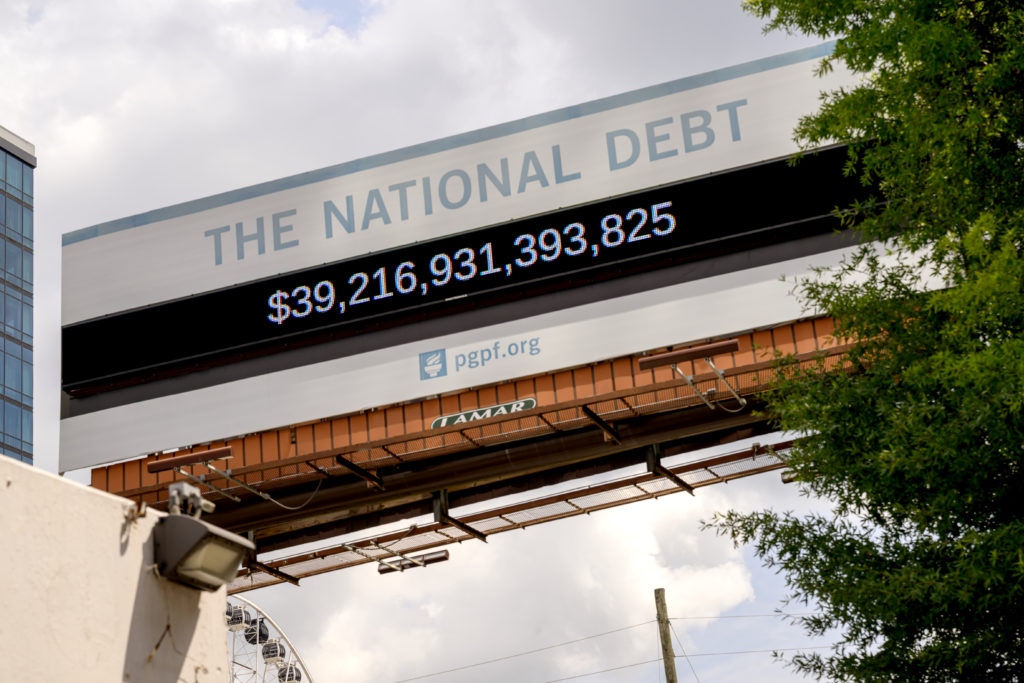
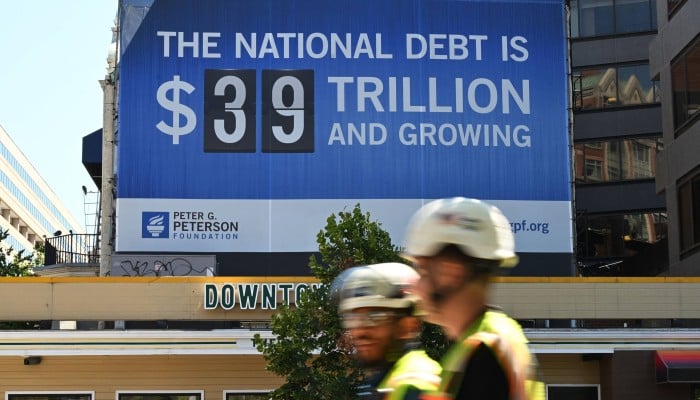
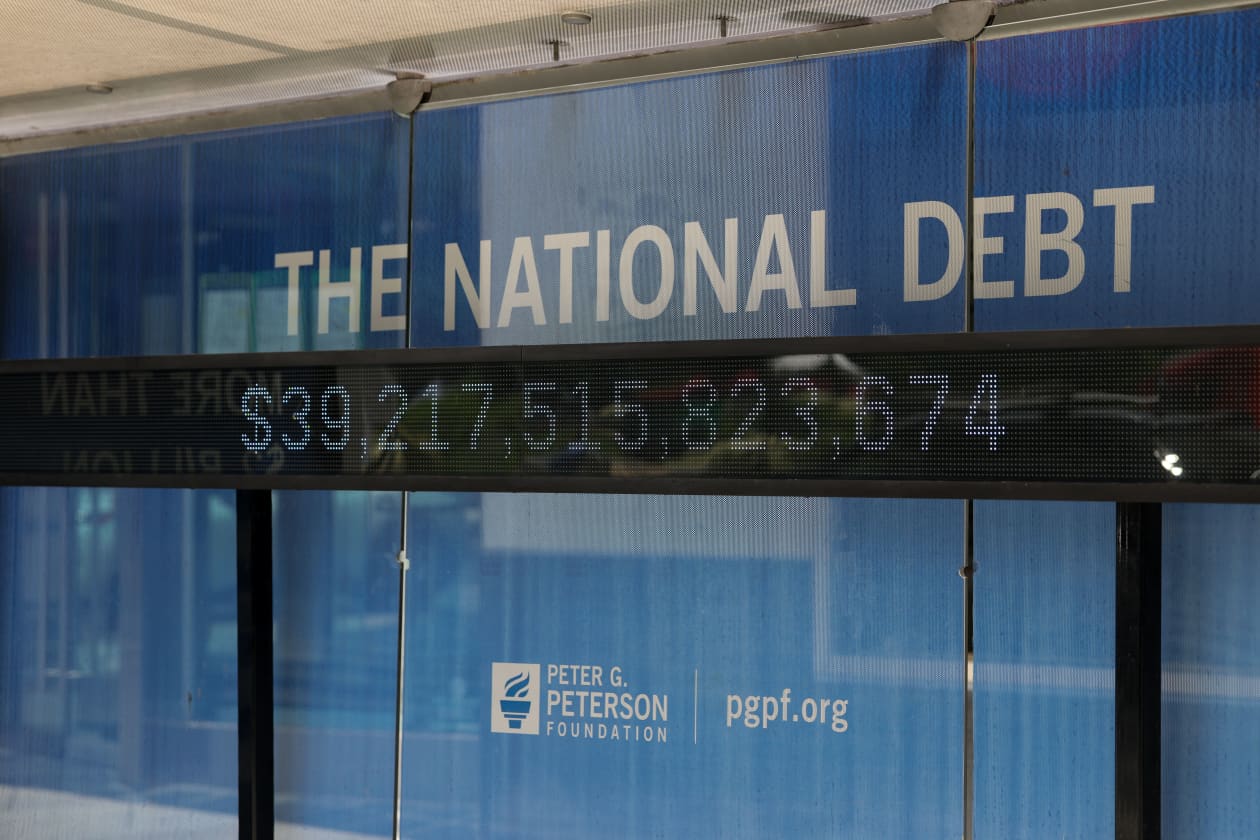
The United States has crossed a historic fiscal threshold with national debt reaching $40.047 trillion (123% of GDP) as of 2026, fundamentally reshaping the financing landscape for cross-border e-commerce sellers. This milestone reflects $1.8 trillion in new debt added in fiscal 2026 alone, with interest payments now projected to surpass Medicare as the government's largest expense category by August 2026. For sellers, this fiscal deterioration translates directly into higher borrowing costs across all financing channels: trade finance APRs have increased 200-400 basis points, invoice factoring rates now range 2.5-4.5% monthly (vs. historical 1.5-2.5%), and working capital loans carry 8-12% APRs compared to 5-7% in 2024.
The financing access crisis hits hardest for mid-market sellers (those with $500K-$5M annual revenue) who depend on inventory financing and purchase order funding. Treasury Department actions—including doubling government debt buybacks—signal investor confidence erosion, pushing capital away from risk assets like seller financing products. Banks and alternative lenders are tightening underwriting standards, requiring 6+ months of transaction history vs. 3 months previously, and demanding higher collateral ratios (70-80% vs. 60-70%). This creates a cash flow crunch for sellers managing seasonal inventory: those planning Q4 2026 holiday stock purchases face 300-500 bps higher financing costs, potentially reducing profit margins by 2-4% on inventory-heavy categories (electronics, home goods, apparel).
Currency volatility amplifies the crisis for cross-border sellers. Sustained high US interest rates (projected 4.5-5.5% through 2026) attract foreign capital to dollar-denominated assets, strengthening the USD 8-12% against major trading currencies (EUR, GBP, CNY, INR). This creates a dual squeeze: sellers importing from Asia face 8-12% higher landed costs due to unfavorable FX rates, while simultaneously paying 200-400 bps more to finance those imports. Sellers with USD-denominated debt (common for Amazon FBA and Shopify sellers) benefit from currency tailwinds, but those with multi-currency exposure face margin compression of 3-6% on cross-border transactions. The Treasury's debt buyback program signals potential future inflation (to erode debt burden), creating FX hedging costs of 1.5-2.5% annually for sellers managing currency risk.
Payment processing and cash conversion cycles deteriorate under fiscal stress. Higher interest rates increase payment processor funding costs, pushing Stripe, PayPal, and Square to raise merchant fees by 15-25 bps on cross-border transactions. Settlement times have extended from 2-3 days to 3-5 days as processors manage liquidity constraints, reducing daily cash availability for sellers by 20-30%. For sellers relying on invoice financing (common in B2B categories), the cash conversion cycle has lengthened from 45-60 days to 60-90 days, requiring larger working capital buffers. Sellers using supply chain finance platforms (like Taulia, Fintech Collective) face 50-100 bps higher rates as lenders reduce risk appetite amid macroeconomic uncertainty.
Questions 8
What payment processing changes should sellers expect from the fiscal crisis?
Higher interest rates increase payment processor funding costs, pushing Stripe, PayPal, and Square to raise merchant fees by 15-25 bps on cross-border transactions. Settlement times have extended from 2-3 days to 3-5 days as processors manage liquidity constraints, reducing daily cash availability by 20-30%. For a seller processing $100K monthly in cross-border sales, this means losing $500-1,000 in monthly cash flow due to delayed settlements. Processors are also tightening chargeback thresholds and requiring higher reserve balances (10-15% of monthly volume vs. 5-10% previously), further constraining working capital. Sellers should negotiate settlement terms now before rates rise further, and consider alternative processors like 2Checkout or Wise for lower cross-border fees.
How does the fiscal crisis impact invoice factoring and supply chain finance options?
Invoice factoring rates have surged to 2.5-4.5% monthly (30-54% APR) from historical 1.5-2.5% (18-30% APR), making it expensive for sellers to accelerate cash conversion. Supply chain finance platforms (Taulia, Fintech Collective) face 50-100 bps higher rates as lenders reduce risk appetite. For a seller with $200K in outstanding invoices, monthly factoring costs increased from $3,000-5,000 to $5,000-9,000. The cash conversion cycle has lengthened from 45-60 days to 60-90 days, requiring larger working capital buffers. Sellers should lock in rates now before they rise further, consider dynamic discounting (offering 2-3% discounts for early payment) to accelerate cash, and explore alternative financing like revenue-based financing (5-8% of monthly revenue) which is less sensitive to interest rate spikes.