






Meta's $200B COPPA Trial Signals Stricter Youth Data Compliance Rules for All Platforms
- 29 US states allege illegal data collection from children under 13; potential mandatory product redesigns create compliance service opportunities for sellers using Meta advertising













Overview
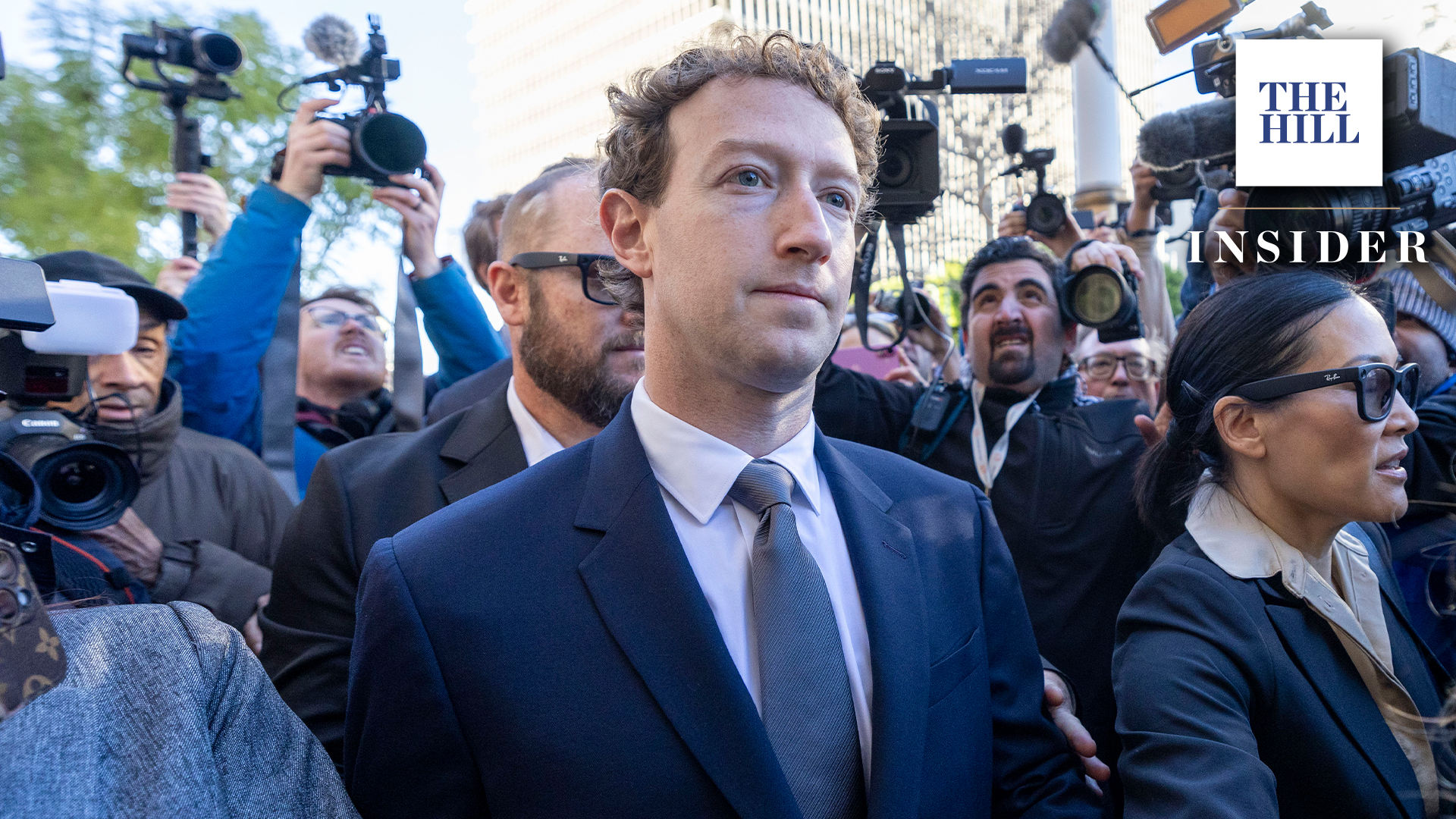
Meta faces a landmark federal trial brought by 29 US state attorneys general alleging systematic violations of the Children's Online Privacy Protection Act (COPPA), with potential damages reaching $200 billion—equivalent to Meta's entire 2025 annual revenue. Former Meta safety engineer Arturo Béjar testified that the company employed a "don't ask, don't tell" strategy regarding child safety, with algorithms pushing content from sexual predators and displaying violent imagery. The trial, occurring in Oakland, California, alleges Meta illegally collected data on children under 13 without parental consent, contradicting CEO Mark Zuckerberg's public statements prioritizing child safety. Béjar discovered "tens of thousands" of children under 13 on Instagram despite Meta's claims of enforcement, and criticized safety features like "Take a Break" (2021) as "designed to fail."
For e-commerce sellers, this trial creates three critical compliance vectors: First, advertising platform risk—sellers using Facebook/Instagram for youth-targeted campaigns (toys, apparel, gaming, beauty) face potential feature restrictions if Meta is forced to redesign engagement algorithms. The trial specifically targets video autoplay and engagement counters that exploit adolescent psychology, features central to Meta's ad targeting. Second, data compliance liability—sellers collecting customer data through Meta pixels or custom audiences must ensure COPPA compliance if their products target minors. Third, market opportunity—compliance service providers (age verification tools, COPPA-compliant data processors, youth-safe advertising platforms) will see explosive demand if Meta loses and faces mandatory product redesigns.
The operational impact spans 1-3 months immediately. Sellers in youth-focused categories (toys, gaming, children's apparel, educational products) should audit their Meta advertising campaigns for COPPA violations—specifically, campaigns targeting users under 13 or using engagement metrics that exploit social comparison. The trial is expected to last six weeks, with potential injunctions against dangerous product features coming as early as Q2 2025. If Meta loses, the company could be forced to disable engagement counters, autoplay features, or algorithmic recommendations for users under 13, reducing ad effectiveness for youth-targeted sellers by an estimated 30-50%. Additionally, 25 additional state lawsuits are scheduled for later trials, suggesting COPPA enforcement will intensify across all platforms. Sellers should immediately review their data collection practices, ensure parental consent mechanisms for minors, and consider diversifying advertising spend to platforms with stronger youth safety records (TikTok Shop, YouTube, Pinterest) to reduce platform concentration risk.
Questions 8
Which product categories face the highest COPPA compliance risk on Meta?
Youth-focused categories face the highest risk: toys ($25B+ market), gaming ($45B+ market), children's apparel ($35B+ market), educational products, and beauty/skincare marketed to teens. These categories rely heavily on Meta's engagement-based targeting (likes, shares, comments) to reach minors. The trial specifically targets engagement counters and video autoplay as 'inherently unsafe for teenagers,' features central to Meta's ad algorithm. If Meta is forced to disable these features for users under 13, sellers in these categories will lose their primary targeting mechanism. Sellers should diversify advertising to TikTok Shop, YouTube, and Pinterest, which have stronger youth safety compliance records.
What are the immediate compliance steps sellers should take regarding youth data collection?
Sellers should immediately: (1) Audit Meta pixel implementation to ensure it doesn't track users under 13 without parental consent; (2) Review custom audiences to exclude minors if your product is age-restricted; (3) Implement age verification at checkout if selling age-gated products (gaming, certain beauty items); (4) Document parental consent mechanisms if intentionally targeting minors; (5) Review privacy policy for COPPA compliance language. The FTC enforces COPPA with penalties up to $43,792 per violation. The trial is expected to last six weeks, with potential injunctions coming Q2 2025. Sellers should complete audits by January 31, 2025, before any Meta feature restrictions take effect.