



Diesel Surge to $7/Gallon Reshapes Last-Mile Logistics Costs for US Sellers
- California diesel hits record $7/gallon (Aug 2026); national average $5.50. Geopolitical disruptions cut 2M+ barrels/day globally. Immediate impact: 8-15% shipping cost increases for FBA, 3PL, and dropship sellers nationwide

Overview
California diesel prices reached $7 per gallon on August 19, 2026, driven by cascading geopolitical disruptions that have removed approximately 2 million barrels per day from global supply. This represents a $1.89 year-over-year increase and signals a structural shift in logistics costs that will directly impact cross-border e-commerce sellers' bottom lines through Q4 2026 and beyond.
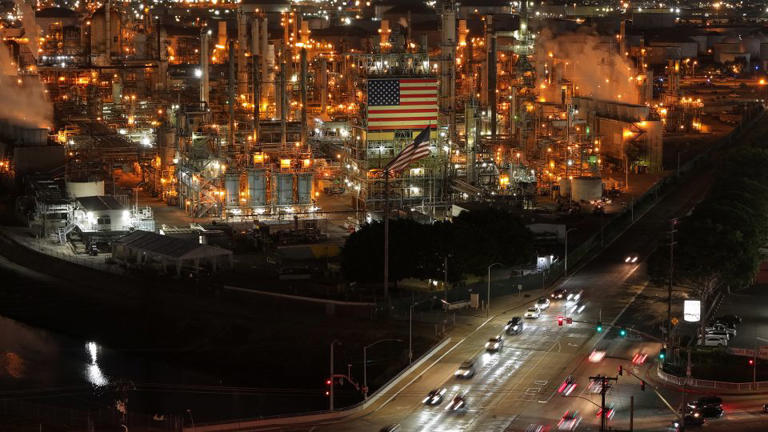
The supply crisis stems from three simultaneous disruptions: Ukrainian drone attacks on Russian refineries have forced Moscow to ban ~800,000 barrels/day of diesel exports; disruptions in the Strait of Hormuz have affected ~1.2 million barrels/day of Middle East exports; and Houthi attacks on Saudi Arabia's Jizan refinery shut down 200,000 barrels/day through at least August. Nationally, diesel averaged $5.50/gallon (up 40 cents monthly, $1.81 year-over-year), but California's premium reflects state-specific factors: mandatory special diesel formulation, environmental regulations, and state excise taxes. S&P Global reports 6 million barrels/day of global refining capacity remains offline, with analysts predicting elevated prices until damaged refineries resume operations—a timeline complicated by sanctions on Russian repairs.
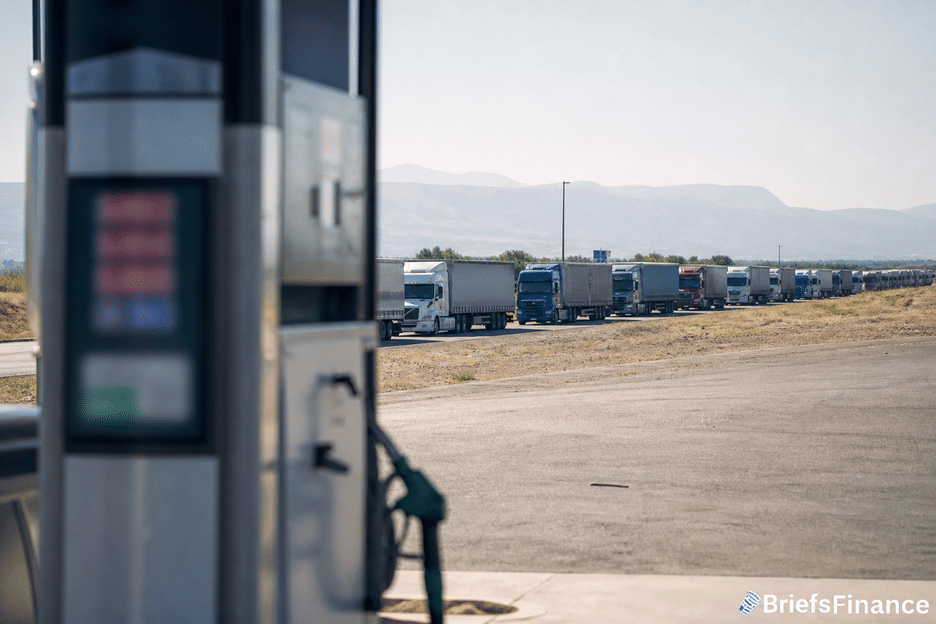
For e-commerce sellers, this translates to immediate cost pressures across fulfillment models. Amazon FBA sellers shipping to California distribution centers face 8-12% increases in last-mile delivery costs, directly compressing margins on fast-moving consumer goods (FMCG), electronics, and apparel. Third-party logistics (3PL) providers relying on diesel-powered trucking will pass through surcharges: expect $0.15-0.35/pound increases on ground shipping from distribution hubs to end customers. Dropshippers and sellers using regional fulfillment networks must recalculate landed costs immediately—particularly for heavy/bulky categories (furniture, home goods, sporting equipment) where transportation represents 15-25% of total landed cost. The inflationary pressure extends to consumer prices: Kevin Book of ClearView Energy Partners notes higher diesel costs translate to increased grocery bills and consumer goods prices, reducing discretionary spending power and dampening demand for non-essential categories through Q4.
Strategic inventory and logistics repositioning is critical now. Sellers should immediately audit their fulfillment network: consolidate inventory in lower-cost regions (Texas, Arizona, Nevada) where diesel premiums are 40-60 cents/gallon below California; evaluate shifting 20-30% of California-destined inventory to regional 3PLs in Nevada or Arizona with lower fuel surcharges; and consider pre-positioning Q4 holiday inventory in September-October before further price escalation. For sellers with existing California FBA inventory, calculate breakeven points on liquidation vs. holding—high-velocity SKUs (BSR <10K) justify holding, while slow movers (BSR >50K) should be liquidated or redirected to other regions. Cross-border sellers importing from Asia should accelerate Q4 shipments by 2-3 weeks to lock in current port-to-warehouse costs before potential carrier surcharge announcements.
Questions 8
Which product categories are most vulnerable to diesel cost increases?
Heavy/bulky categories where transportation represents 15-25% of landed cost are most vulnerable: furniture, sporting equipment, home goods, large appliances, and building materials. For these categories, an 8-12% shipping cost increase directly compresses margins by 1.2-3%. Fast-moving consumables (health, beauty, household supplies) are less vulnerable because higher retail prices are more easily passed to consumers. Electronics and apparel (moderate weight) experience 0.5-1.5% margin compression. Sellers should immediately audit category-level margin impact: calculate transportation as % of landed cost, identify categories exceeding 20% transportation cost, and prioritize regional fulfillment repositioning for those categories. The diesel surge ($1.89 year-over-year) is expected to persist through Q4 2026, making category-level cost optimization critical for profitability.
Which fulfillment regions offer the lowest diesel-related shipping costs right now?
Texas, Arizona, and Nevada distribution hubs currently offer 40-60 cents/gallon diesel cost advantages compared to California's $7/gallon peak. Sellers should prioritize pre-positioning Q4 inventory in these regions by September-October to lock in current rates before further carrier surcharge announcements. Regional 3PL providers in Phoenix, Las Vegas, and Dallas offer 15-25% lower last-mile costs for ground shipping to West Coast customers compared to California-based fulfillment. For heavy/bulky categories (furniture, sporting equipment, home goods) where transportation represents 15-25% of landed cost, this regional shift can recover 2-4% margin compression from fuel surcharges.