



Cyclospora Outbreak Reshapes Fresh Produce Supply | Seller Sourcing Shift
- 26M US households halt salad purchases; 82% plan return; local/hydroponic suppliers gain 17%+ sales surge
















Overview
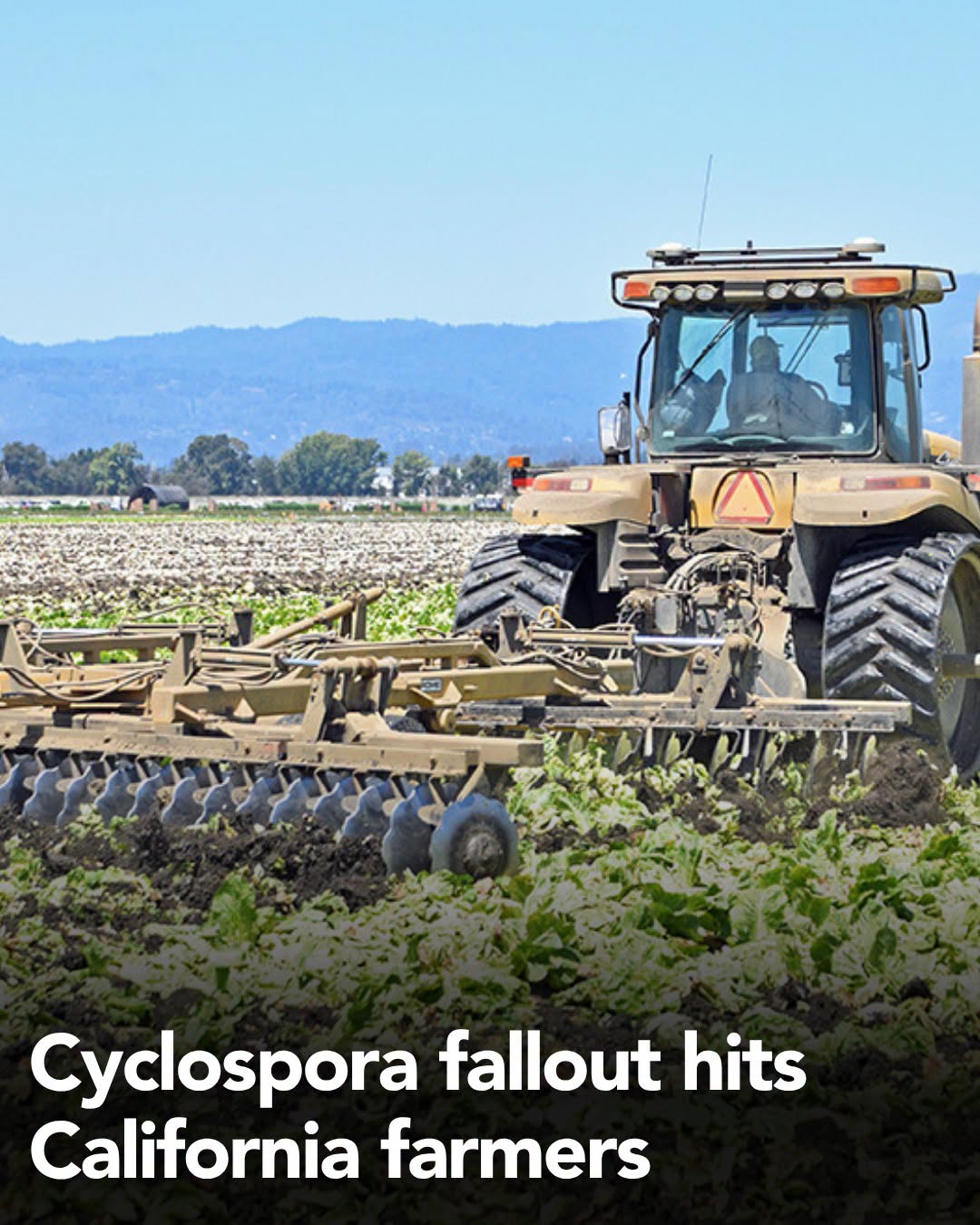
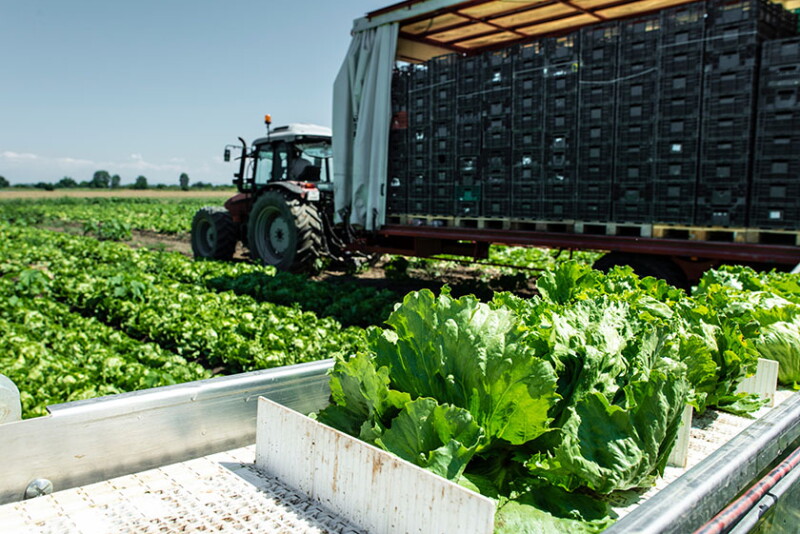
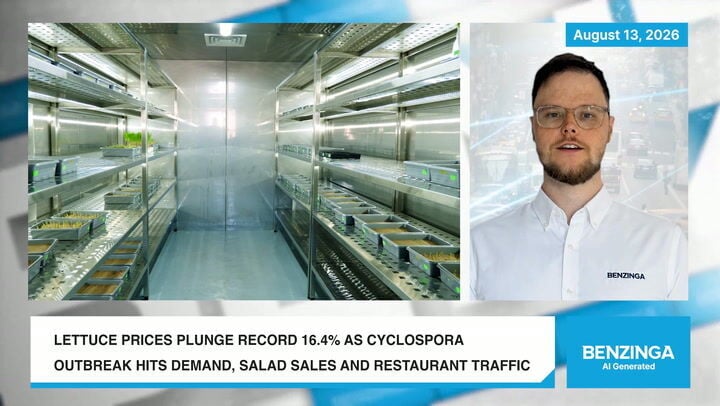
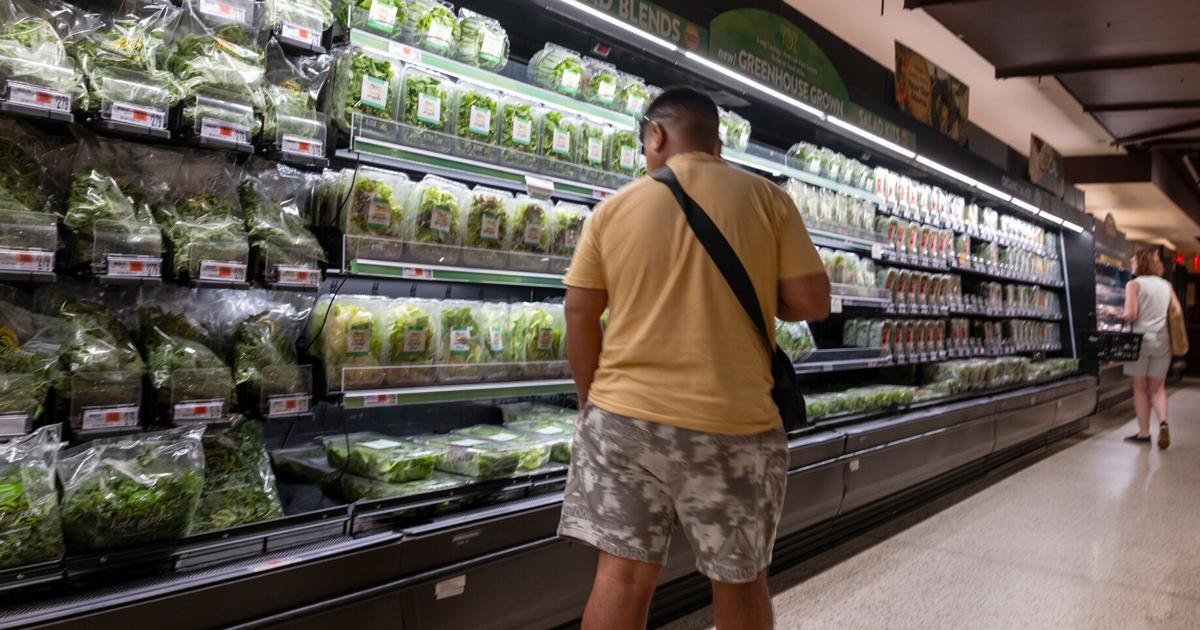
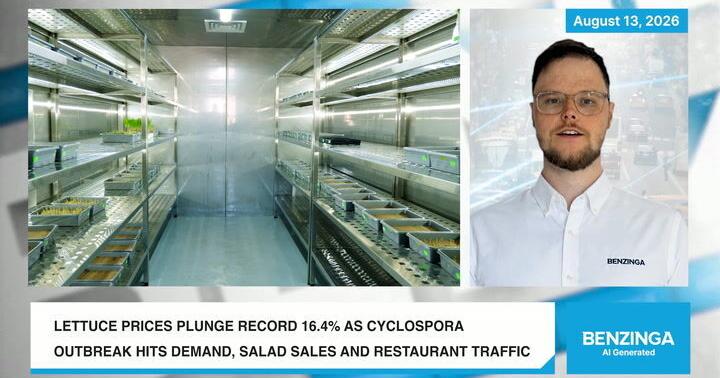
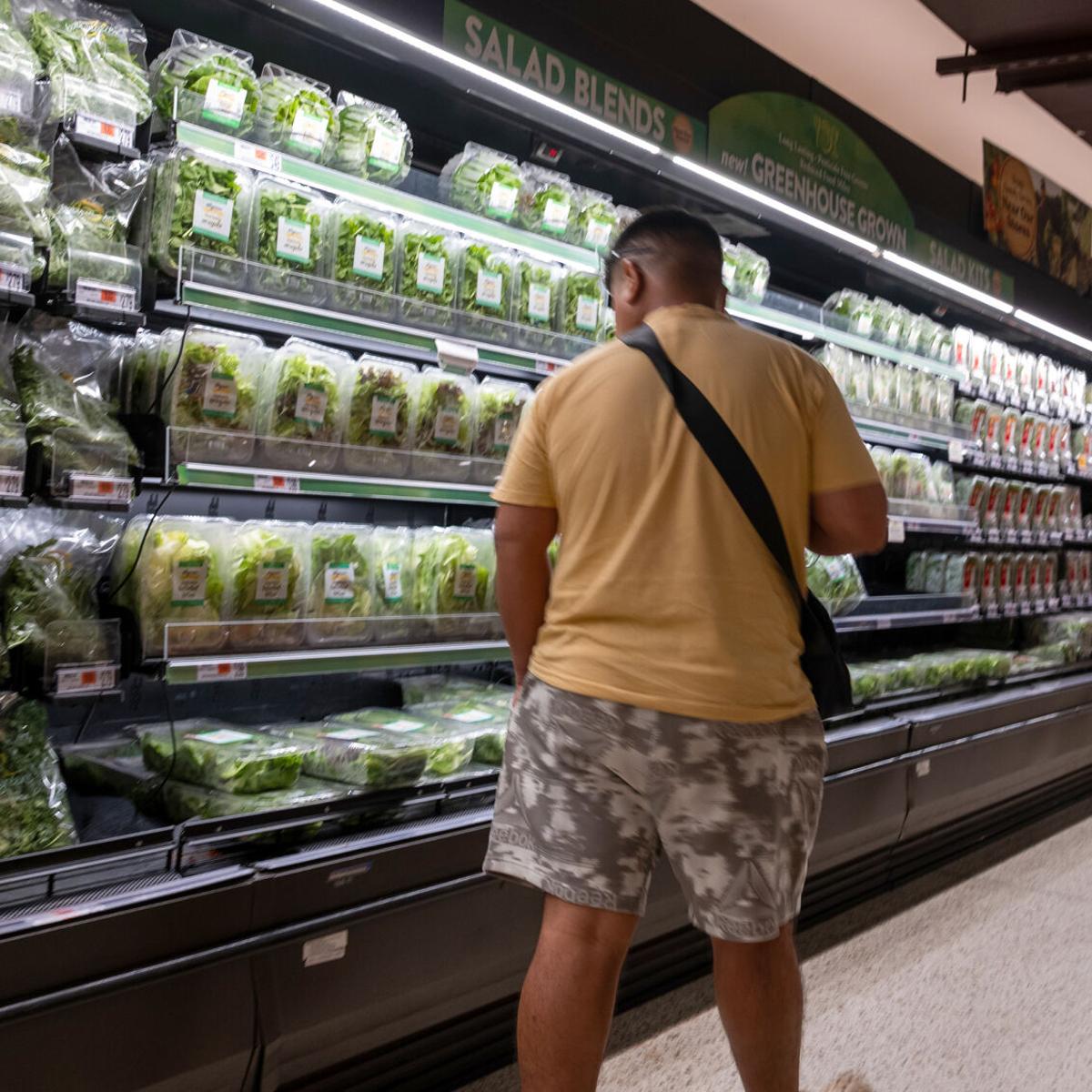
The 2024-2025 cyclospora outbreak linked to Taylor Farms iceberg lettuce from central Mexico has triggered a seismic shift in US fresh produce sourcing and consumer purchasing behavior, creating immediate logistics and inventory opportunities for cross-border sellers. According to Numerator's tracking of 200,000+ households across 44,000+ retailers, 26 million US households stopped buying salads and fresh greens during July 2025, with 6.5 million ceasing salad mix purchases entirely. In outbreak-affected states (15 states designated), per-household spending dropped 10.7%, while quick-service restaurant chains experienced 16%+ salad trip declines. The outbreak—which sickened 15,716+ confirmed cases as of August 2024 with 2 deaths—prompted Walmart to recall Marketside bagged lettuce and Taco Bell to remove all Taylor Farms lettuce, signaling major supply chain disruption.
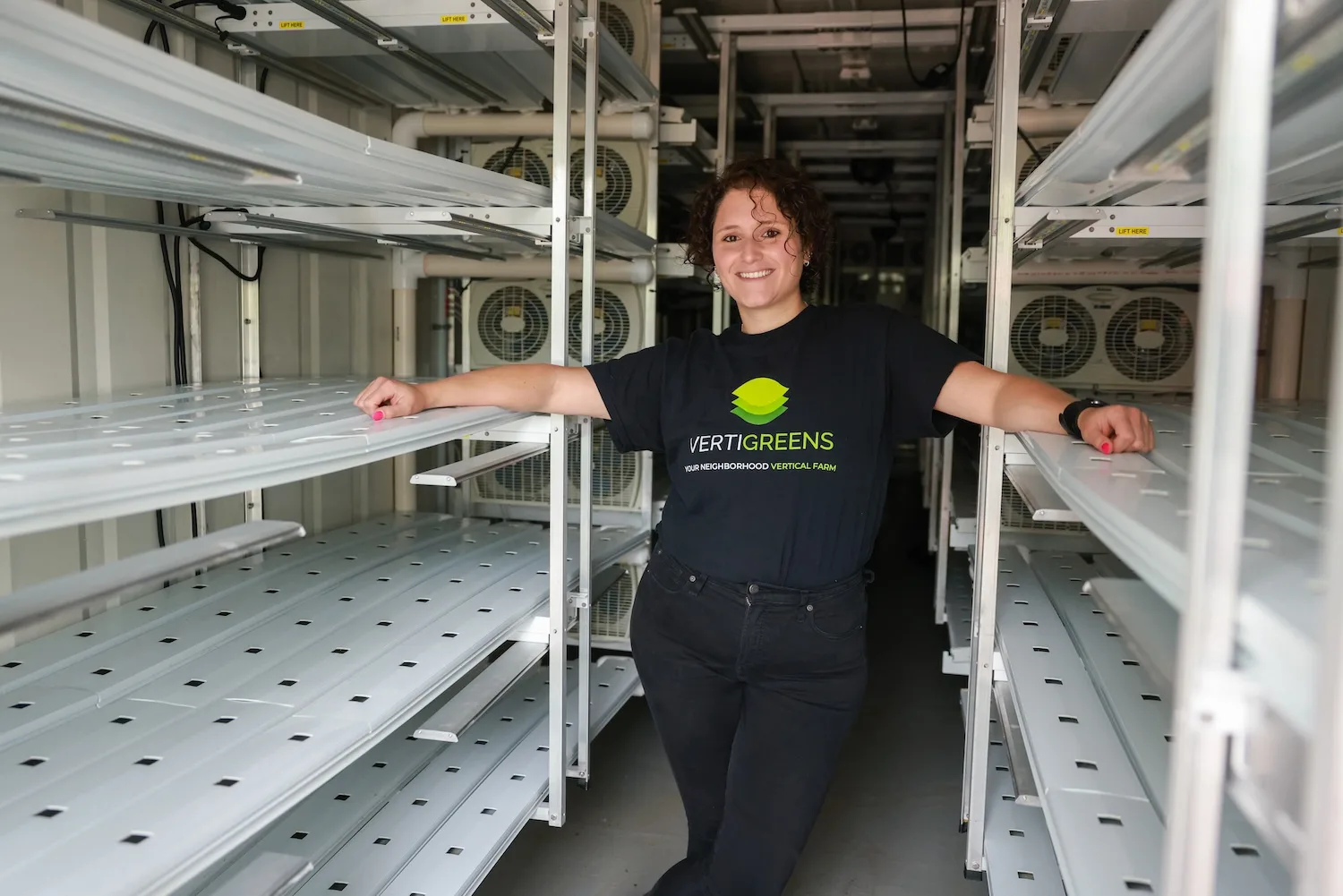
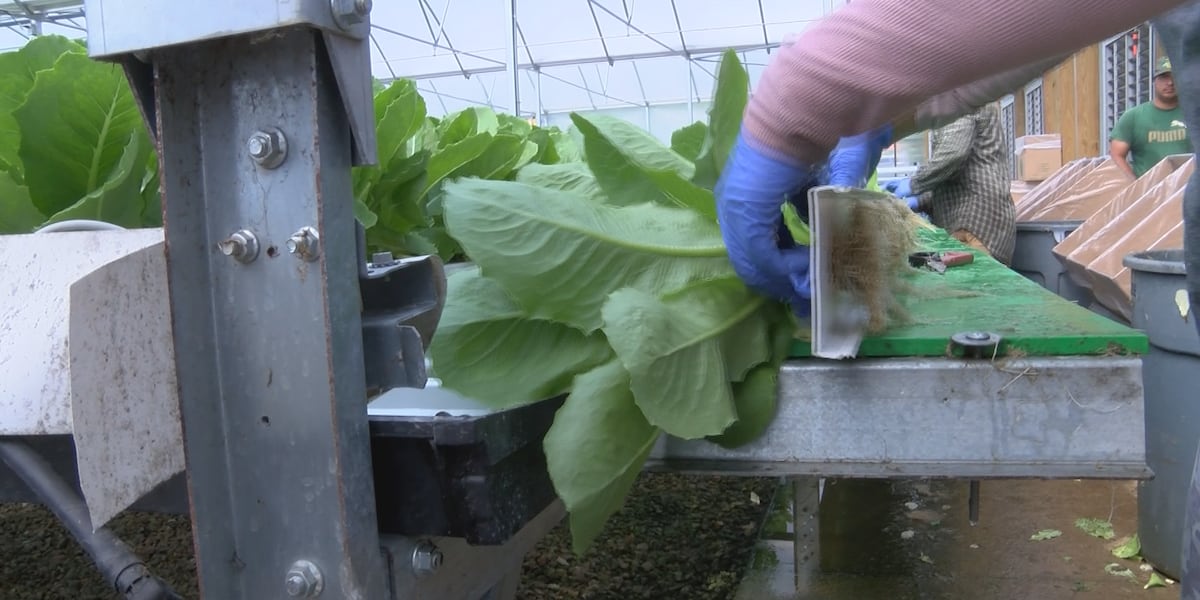
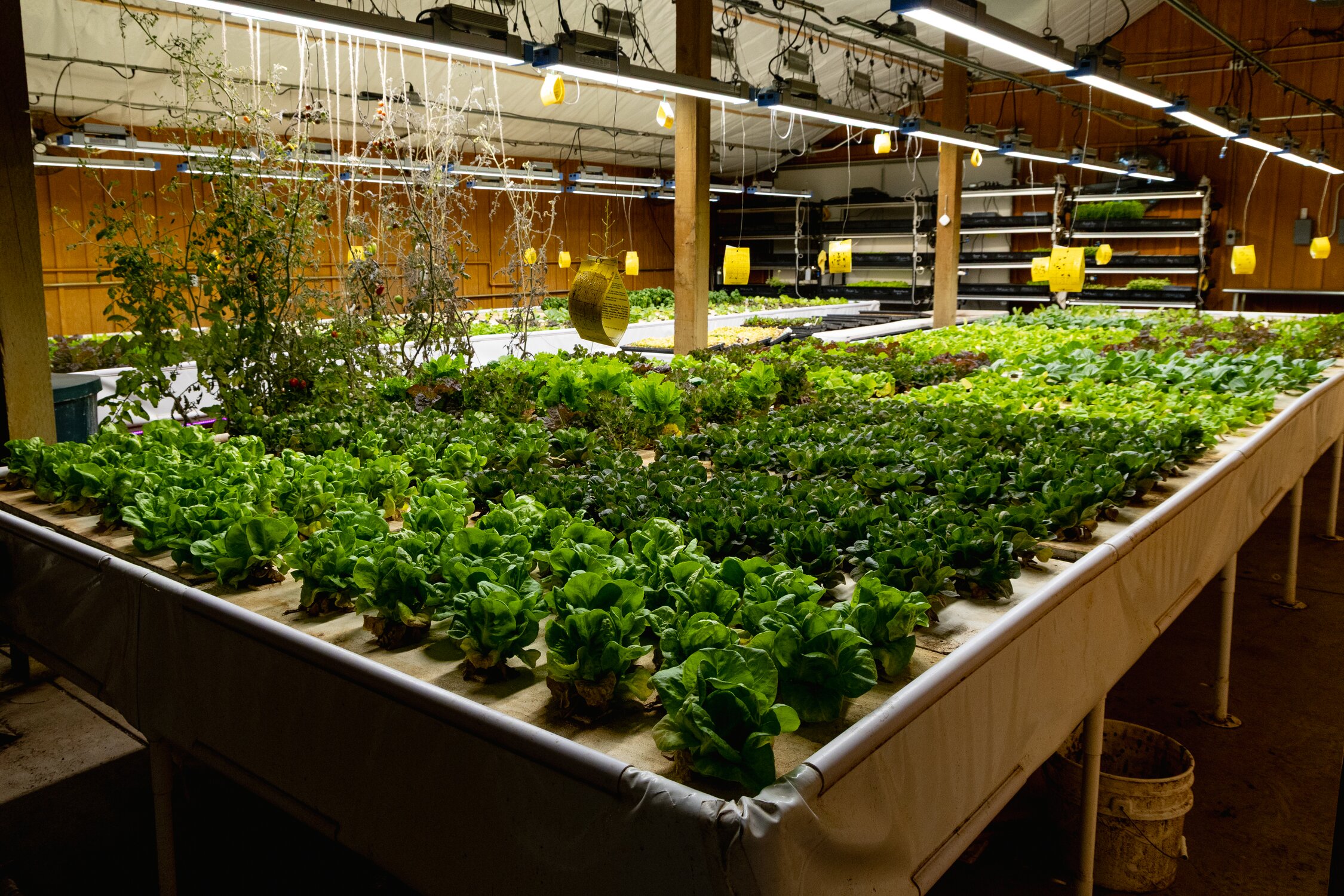
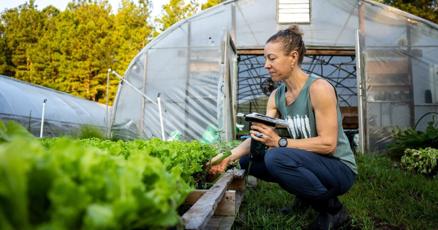
The critical logistics opportunity: This outbreak has accelerated a structural shift from long-distance Mexican imports to local/controlled-environment agriculture (CEA) suppliers. Further Up Farms (Colorado) reports 17% lettuce sales increase since July, selling out inventory at farmers markets, while Gotham Greens' hydroponic operations across 9 states report surging demand. This represents a supply chain regionalization trend that directly impacts cross-border sellers sourcing fresh produce categories. Sellers importing salad kits, pre-cut vegetables, or fresh greens from Mexico face extended lead times (4-6 weeks ocean freight from central Mexico) and heightened FDA scrutiny, while domestic suppliers offer 3-day harvest-to-consumer cycles with superior food safety positioning. The outbreak also exposed FDA resource constraints—the agency lost 20+ staff members and discontinued microbial contamination advisory committees—meaning future recalls may be slower to identify, increasing inventory risk for sellers holding Mexican-sourced produce.
Immediate inventory and sourcing actions for sellers: (1) Liquidate Mexican-sourced fresh produce inventory NOW before consumer sentiment hardens further; Numerator data shows 82% of lapsed buyers plan to return, but only once outbreak containment is confirmed (likely September-October 2025). (2) Shift sourcing to US-based CEA suppliers (hydroponic/aquaponic) for salad mixes, lettuce, and greens categories—these suppliers command 3-day delivery vs. 4-6 week ocean freight, reducing inventory holding costs by 40-60% and improving freshness positioning. (3) Reposition warehouse inventory: Move salad/greens inventory from regional distribution centers to local fulfillment hubs in non-outbreak states (Colorado, Wyoming, Montana show lower case counts) to capitalize on consumer preference for locally-sourced produce. (4) Adjust tariff/landed cost calculations: Mexican imports now face reputational discount (10-15% lower sell-through) plus extended FDA inspection delays (add 2-3 weeks to lead time), making US domestic sourcing cost-competitive despite higher unit costs. For sellers on Amazon Fresh, Walmart+, or Instacart, this shift is critical—these platforms prioritize local sourcing and food safety certifications, and Mexican-origin produce now faces algorithmic de-prioritization.
Questions 7
Should sellers pivot to dropshipping or POD models for fresh produce categories?
**Dropshipping is not viable** for fresh produce due to 3-day shelf-life constraints and quality control requirements—customers expect fresh, visually perfect products that dropshipping cannot guarantee. **Print-on-demand (POD) is irrelevant** for fresh produce. Instead, consider **hybrid fulfillment models**: (1) **FBA with regional warehousing**: Use Amazon FBA in non-outbreak states (Colorado, Wyoming) with daily inventory replenishment from local CEA suppliers. (2) **FBM with 3PL partnerships**: Maintain inventory at regional 3PLs near CEA suppliers, fulfilling orders within 2-3 days to emphasize freshness. (3) **Direct-to-consumer (D2C) with subscription**: Offer weekly salad/greens subscriptions sourced from local farms—this model captures the 82% of returning consumers and builds brand loyalty. The outbreak has made **speed and local sourcing** the competitive differentiators, making traditional dropshipping obsolete for this category. Sellers with capital should invest in regional warehouse partnerships rather than relying on distant fulfillment centers.
How does the cyclospora outbreak impact cross-border sellers importing fresh produce from Mexico?
The outbreak directly affects Mexican produce imports through two mechanisms: (1) **Consumer sentiment shift**—26 million US households stopped buying salads in July 2025, creating 10.7% spending drops in outbreak states, meaning Mexican-sourced salad kits and pre-cut vegetables face 10-15% lower sell-through rates. (2) **Supply chain delays**—FDA scrutiny of Mexican imports has extended inspection times by 2-3 weeks, adding to the standard 4-6 week ocean freight lead time from central Mexico. Sellers should liquidate existing Mexican inventory immediately and shift to US-based controlled-environment agriculture (CEA) suppliers offering 3-day delivery cycles. The reputational discount on Mexican produce will persist through Q4 2025 until outbreak containment is confirmed.