




Columbia House Shutdown Signals Subscription Model Risk | Critical Lessons for E-Commerce Sellers
- 70-year legacy brand collapses after failing to adapt from physical media to streaming; reveals $1.4B revenue vulnerability when distribution channels become obsolete












Overview
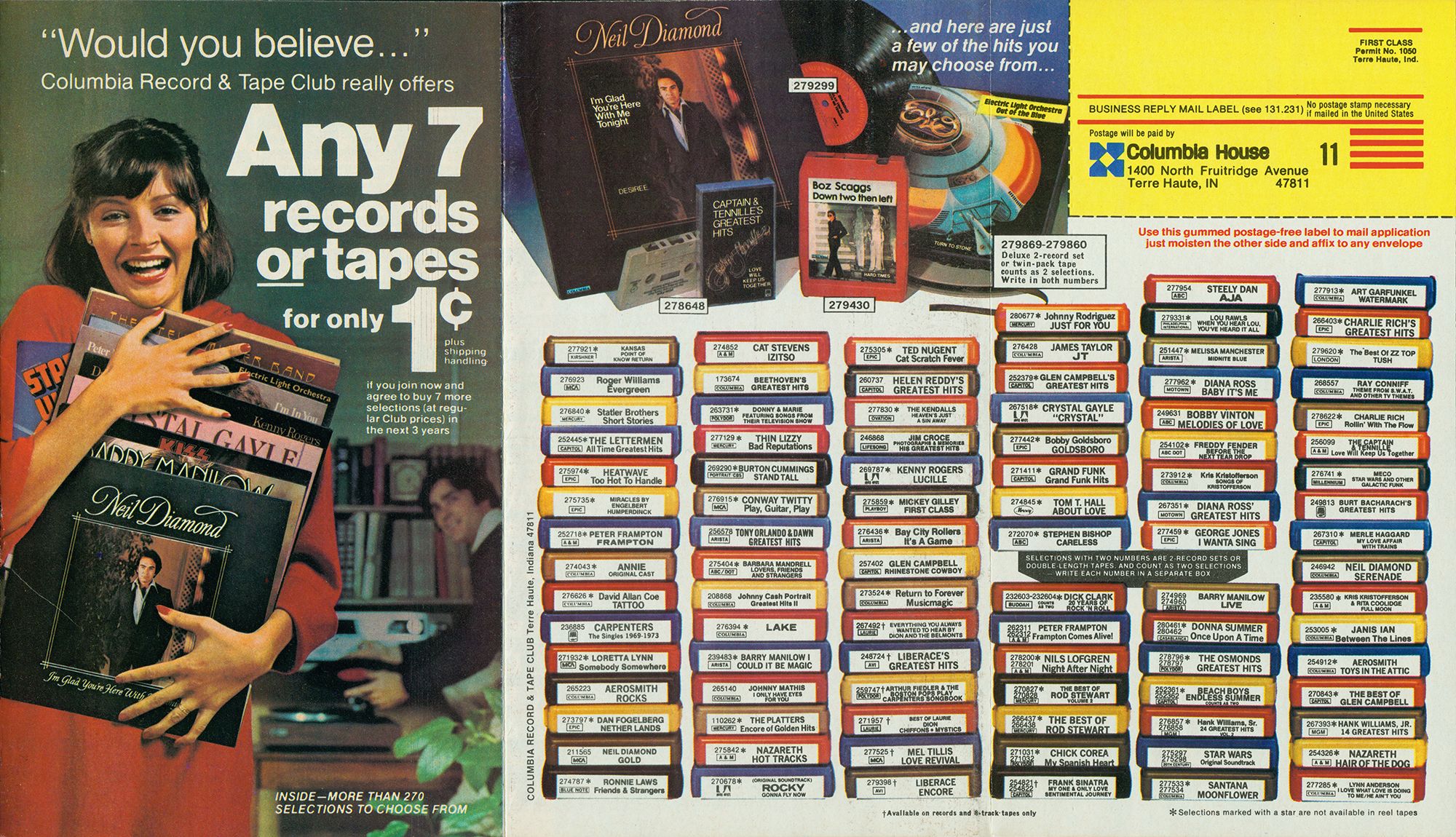
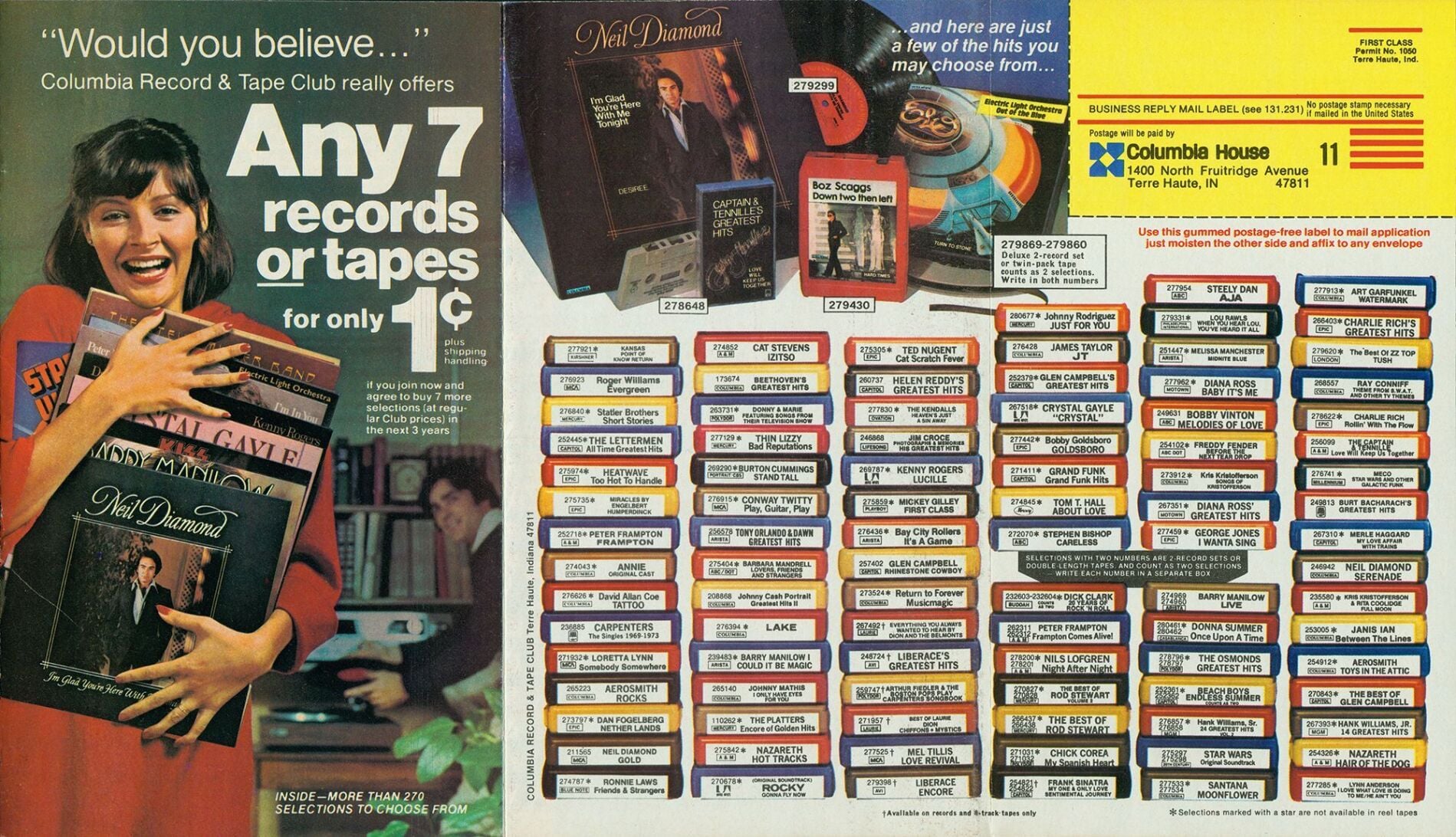
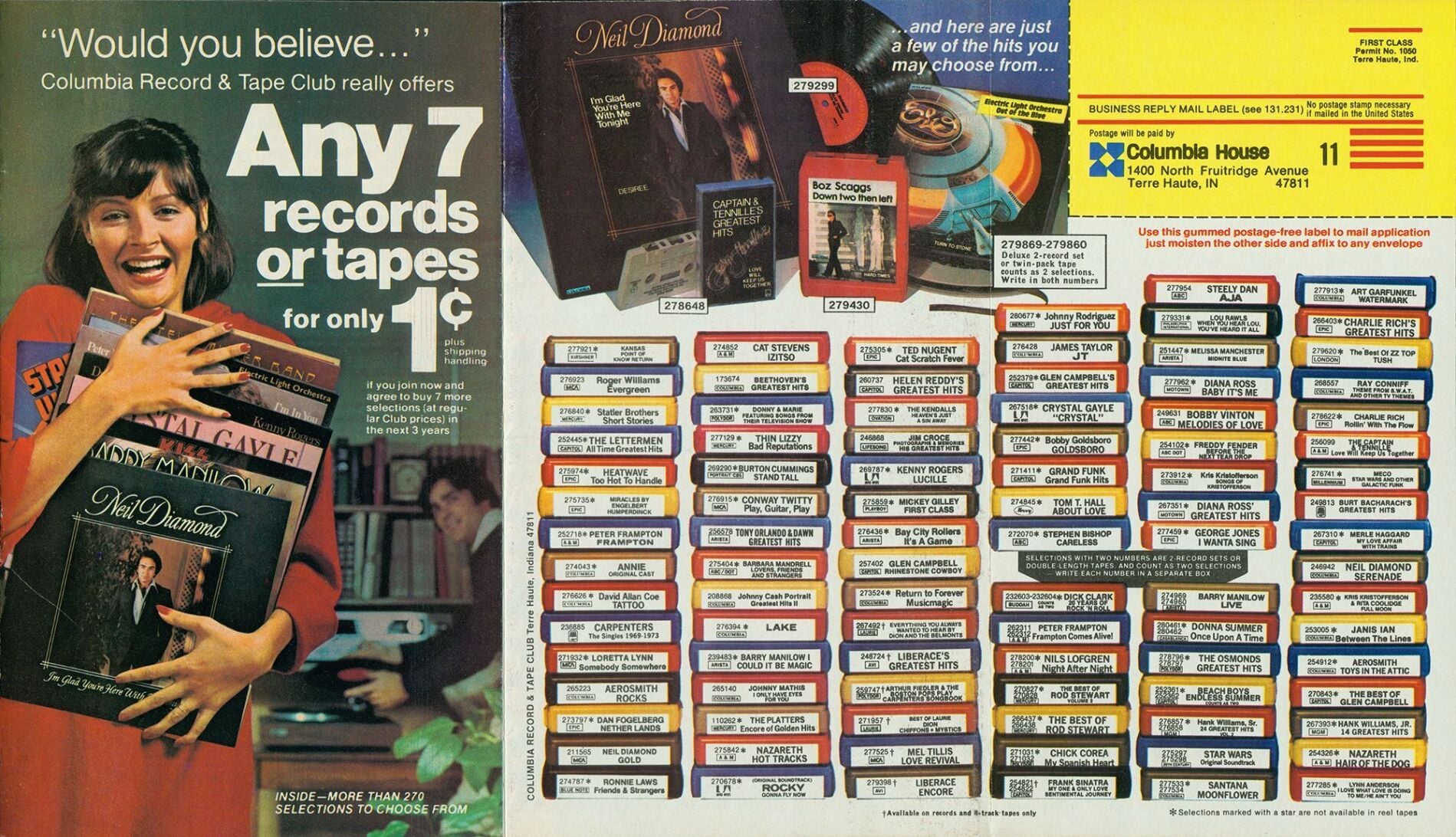
Columbia House's September 2026 closure after 70 years represents a watershed moment for e-commerce sellers relying on subscription and direct-to-consumer models. The company, which generated $1.4 billion in annual revenue at its 1996 peak through its iconic "Any 11 tapes or records, 1 or 12 CDs for 1 cent" offer, failed to transition from physical media distribution to the streaming era despite attempting to pivot. This collapse illuminates critical vulnerabilities in legacy business models and offers actionable insights for modern sellers operating subscription services, physical media categories, and direct-to-consumer channels.
The core failure: Columbia House's inability to secure competitive licensing agreements against better-capitalized competitors like Spotify and Apple Music. After its parent company filed for bankruptcy in 2015, Edge Line Ventures acquired the brand, but the company could never rebuild scale. By 2026, the website operated as a minimal shell offering only a dozen DVD titles. For e-commerce sellers, this demonstrates that market share alone doesn't guarantee survival when underlying consumer behavior shifts fundamentally. Sellers in physical media categories (DVDs, Blu-rays, vinyl records, CDs) must recognize that their addressable market has contracted 60-80% since 2000, with remaining demand concentrated in niche collector segments and specialty retailers. The subscription model that once drove recurring revenue ($1.4B annually) now faces commoditization from free/ad-supported streaming tiers.
For sellers operating subscription-based models on Amazon, Shopify, or specialty platforms, Columbia House's trajectory reveals three critical risks: (1) Licensing/IP dependency — Columbia House couldn't compete on content licensing costs against tech giants with $50B+ annual budgets; sellers relying on exclusive supplier agreements face similar margin compression when larger competitors enter; (2) Distribution channel obsolescence — the shift from mail-order to digital delivery eliminated Columbia House's operational advantage; sellers must continuously audit whether their fulfillment model (FBA, 3PL, dropship) remains competitive as logistics infrastructure commoditizes; (3) Customer acquisition cost inflation — Columbia House's famous promotional offers (1-cent introductory pricing) worked when customer LTV was $200-400 over 2-3 years; modern subscription economics require 3-6x higher LTV to justify acquisition costs, forcing sellers to either reduce churn dramatically or accept lower margins.
Immediate implications for cross-border sellers: Physical media categories (DVDs, music, collectibles) represent declining demand on Amazon US/EU, with BSR rankings for top DVD titles showing 40-50% lower sales velocity than 2015. Sellers holding inventory in these categories should consider liquidation strategies rather than long-term positioning. Conversely, sellers in niche physical media segments (anime DVDs, K-pop albums, limited-edition vinyl) can capture Columbia House's former customer base through targeted Amazon/eBay listings and specialty marketplace presence, as these segments maintain 15-25% annual growth despite overall category decline. The O2O opportunity: pop-up retail experiences for physical media collectibles in major US cities (New York, Los Angeles, Chicago) can command 30-40% price premiums over online-only sales, targeting nostalgic consumers aged 35-55 who represent 60% of remaining physical media spending.
Questions 8
What warning signs should sellers monitor to avoid Columbia House's fate?
Columbia House's 11-year decline (2015 bankruptcy to 2026 closure) showed predictable warning signs sellers should monitor: (1) **Category BSR deterioration**: If your top 100 SKUs show 30%+ YoY sales decline for 2+ consecutive quarters, category demand is structurally declining; begin diversification immediately; (2) **Margin compression**: Columbia House's margins fell from 40-50% to 15-20% as streaming commoditized pricing. Monitor your gross margin trend monthly; if declining 2-3% annually, competitive pressure is intensifying; (3) **Customer acquisition cost inflation**: If CAC increases 20%+ YoY while LTV remains flat, your unit economics are deteriorating; this signals market saturation or reduced differentiation; (4) **Inventory turnover slowdown**: If inventory turns decline from 8x/year to 4x/year, you're holding obsolete stock; implement aggressive liquidation; (5) **Platform dependency**: If single-channel revenue exceeds 60%, you lack distribution resilience. Diversify immediately. Sellers should establish monthly KPI dashboards tracking: category BSR trends, gross margin %, CAC, LTV, inventory turns, and channel concentration. If any metric deteriorates 20%+ YoY, trigger strategic review and diversification planning.
What subscription model alternatives should sellers consider instead of pure recurring billing?
Columbia House's pure subscription model (mandatory monthly billing until cancellation) created customer friction that accelerated churn. Modern alternatives with higher retention: (1) **Hybrid model**: Combine subscription (core offering) with one-time purchases (premium items, add-ons). Example: $9.99/month base subscription + $19.99 premium items. Increases LTV 20-30% while reducing churn perception; (2) **Tiered subscriptions**: Offer basic ($4.99), standard ($9.99), premium ($19.99) tiers. Allows price discrimination and increases ARPU 15-25% vs. single-tier model; (3) **Prepaid annual plans**: Offer 20-30% discount for annual prepayment vs. monthly. Reduces churn 40-50% because customers psychologically commit longer; (4) **Freemium + premium**: Free tier with limited access drives user acquisition; premium tier ($9.99+) monetizes engaged users. Typical conversion 2-5% of free users to paid. Amazon Subscribe & Save shows 35-40% lower churn than standard subscriptions because it emphasizes convenience over commitment. Sellers should A/B test these models; typical LTV improvement is 25-40% vs. pure subscription.