


Best Buy Geek Squad Warranty Scandal Exposes Retail Service Risks | O2O Trust Crisis for Electronics Sellers
- Warranty service failure erodes customer trust in physical retail; creates $600+ component loss liability and opportunity for direct-to-consumer electronics sellers to differentiate through transparent repair policies and in-store service guarantees
Overview
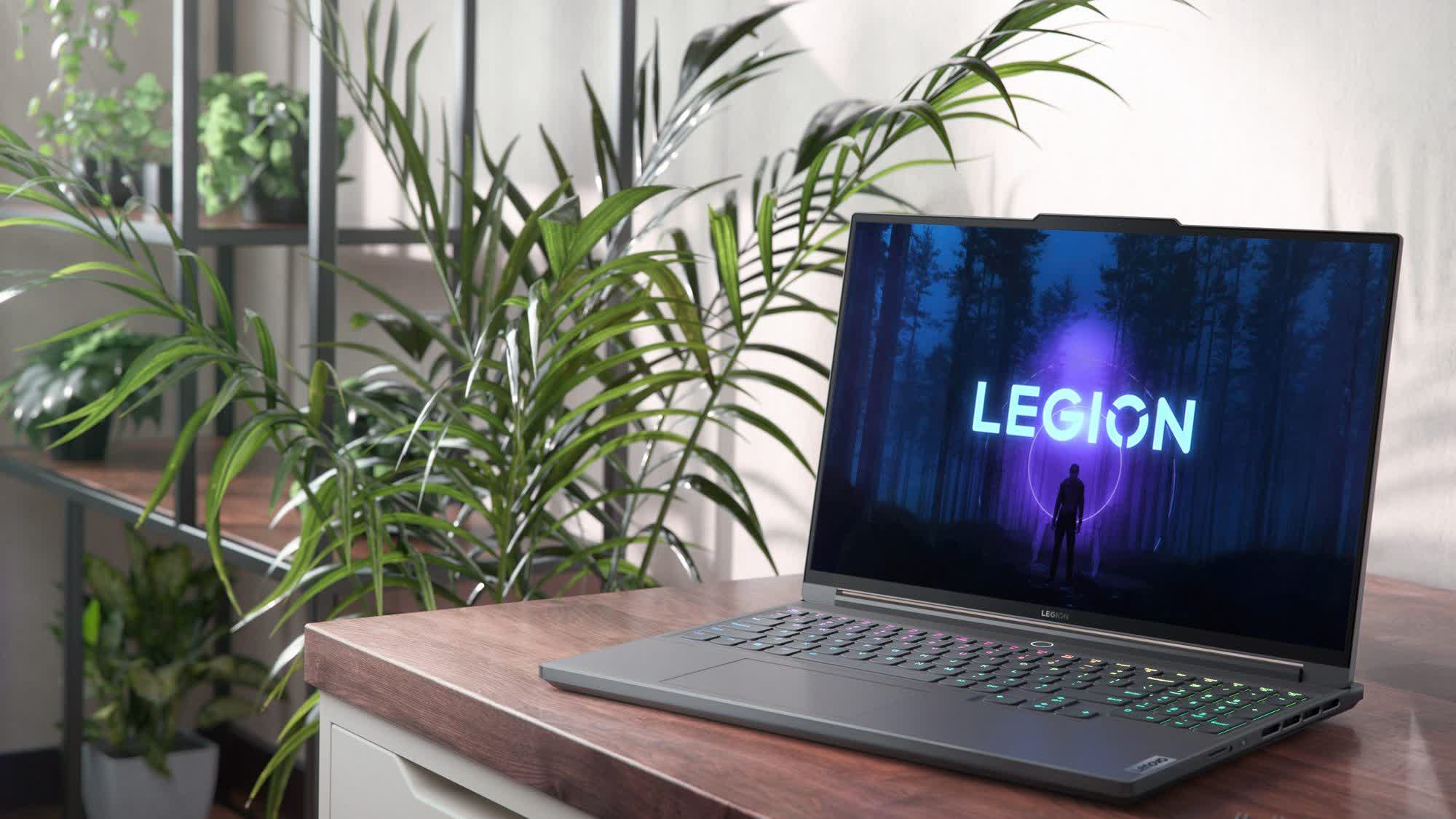
Best Buy's Geek Squad warranty service failure—removing a $600 32GB RAM module from a customer's 64GB Lenovo Legion 5 laptop during repairs—represents a critical trust breakdown in retail electronics service that directly impacts cross-border electronics sellers and O2O strategies. The incident, documented in July-August 2026, reveals systemic vulnerabilities in third-party repair ecosystems that drive customers toward alternative purchasing channels and warranty providers. When a customer sent their Intel Core i9-14900HX gaming laptop for warranty service on July 25 and received it back on August 4 with half the original memory (64GB reduced to 32GB), Best Buy's technicians falsely claimed the device "only supports 32GB maximum"—contradicting both the laptop's actual specifications and Best Buy's own product listings showing 64GB variants. The missing component represents a $600+ financial loss at current memory pricing, with the customer forced to escalate through physical store visits rather than online channels.
This warranty service failure creates three critical opportunities for electronics sellers: First, direct-to-consumer (D2C) electronics brands can capture market share by offering transparent, documented warranty processes with in-store verification checkpoints. Sellers of gaming laptops, RAM modules, and high-end components can differentiate by guaranteeing component-level documentation and photo verification during repairs—addressing the exact pain point Best Buy failed to manage. Second, independent repair shops and authorized service networks can position themselves as trust-focused alternatives to big-box retailers, particularly in tier-1 cities (New York, Los Angeles, Chicago, San Francisco) where gaming laptop buyers have high disposable income and demand premium service. Third, the incident signals rising memory component prices ($600+ for 32GB DDR5 modules) create financial incentives for retailers to minimize replacement costs—a trend that benefits sellers of refurbished/certified pre-owned gaming laptops with transparent upgrade documentation.
For O2O strategy specifically, this scandal demonstrates why physical retail presence is essential for high-value electronics categories. The customer's resolution path required visiting a physical Best Buy location to escalate the issue—proving that in-store customer service remains the final arbiter of trust for expensive purchases. Electronics sellers should establish pop-up service centers or authorized repair partnerships in high-traffic retail locations (Best Buy, Micro Center, mall anchor stores) to offer documented component verification and transparent repair processes. This creates a competitive moat against pure-play online retailers and builds customer lifetime value through service trust. The incident also reveals that third-party sellers (like PC Heaven, mentioned in the news as potentially installing the extra RAM module) face reputational risk when their upgrades are mishandled by retailer service centers—creating demand for sellers to offer their own in-store service guarantees or partner with certified repair networks.
Actionable implications for electronics sellers: Memory pricing volatility ($600+ for premium DDR5 modules) creates margin pressure on warranty claims, making transparent pricing and component documentation critical competitive advantages. Sellers should monitor Geek Squad service failures and similar incidents to identify underserved customer segments willing to pay premiums for documented, transparent repair processes. The gaming laptop category specifically shows high vulnerability to service failures—with customers purchasing $2,000-4,000 systems expecting component-level accountability.
Questions 7
How does Best Buy's warranty service failure impact electronics sellers on Amazon and Shopify?
Best Buy's removal of a $600 RAM module during warranty repair demonstrates that big-box retailers cannot be trusted as reliable service partners for high-value electronics. This creates immediate opportunity for D2C electronics sellers to capture customers by offering transparent, documented warranty processes with photo verification and component-level accountability. Sellers on Amazon and Shopify can differentiate by guaranteeing in-store service verification in partnership with authorized repair centers, directly addressing the trust gap Best Buy created. Gaming laptop sellers specifically should highlight their warranty documentation practices in product listings and customer reviews to capitalize on negative sentiment toward Geek Squad.
What O2O strategy should electronics sellers adopt to compete with Best Buy's service failures?
Establish pop-up service centers or authorized repair partnerships in tier-1 cities (New York, Los Angeles, Chicago, San Francisco) where gaming laptop buyers concentrate. These physical touchpoints should offer documented component verification, photo-based repair tracking, and transparent pricing—directly contrasting with Best Buy's undocumented service practices. The Best Buy incident proves customers will visit physical locations to escalate warranty issues, making in-store service presence a critical competitive advantage. Sellers should partner with existing retail locations (Micro Center, Best Buy competitors, mall anchor stores) to offer 'certified service verification' as a premium service tier, creating recurring revenue and customer lifetime value.