
US Food Safety Crisis 2025-2026 | Compliance Opportunity for Sellers
- FDA staffing cuts to historic lows create 40% surge in contamination complaints; sellers face new liability exposure and certification demand











Overview
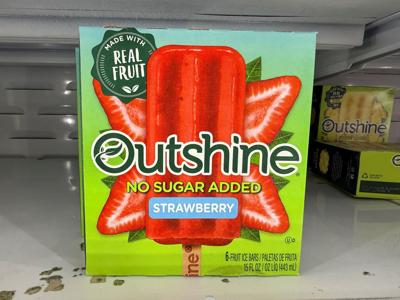
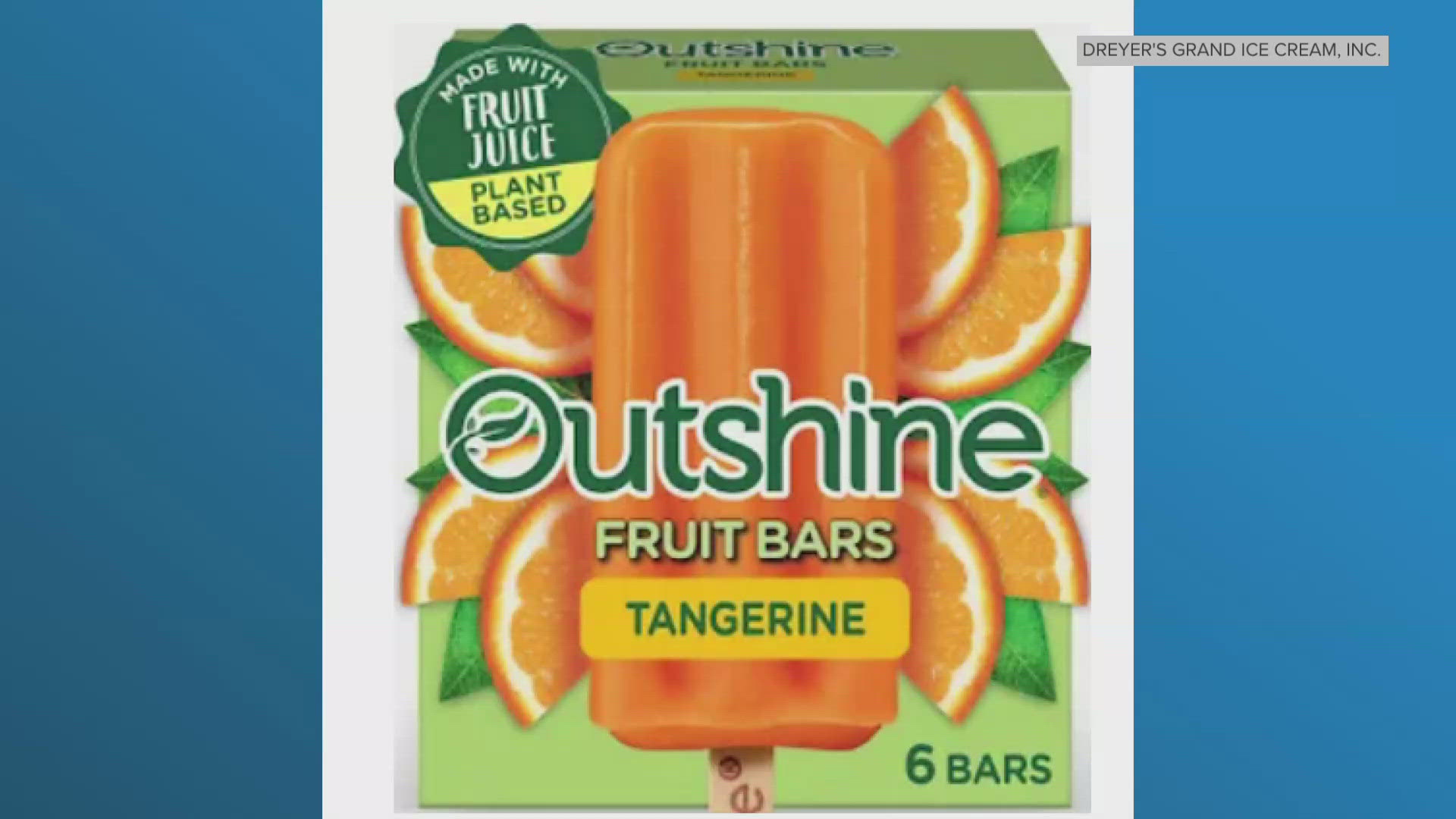
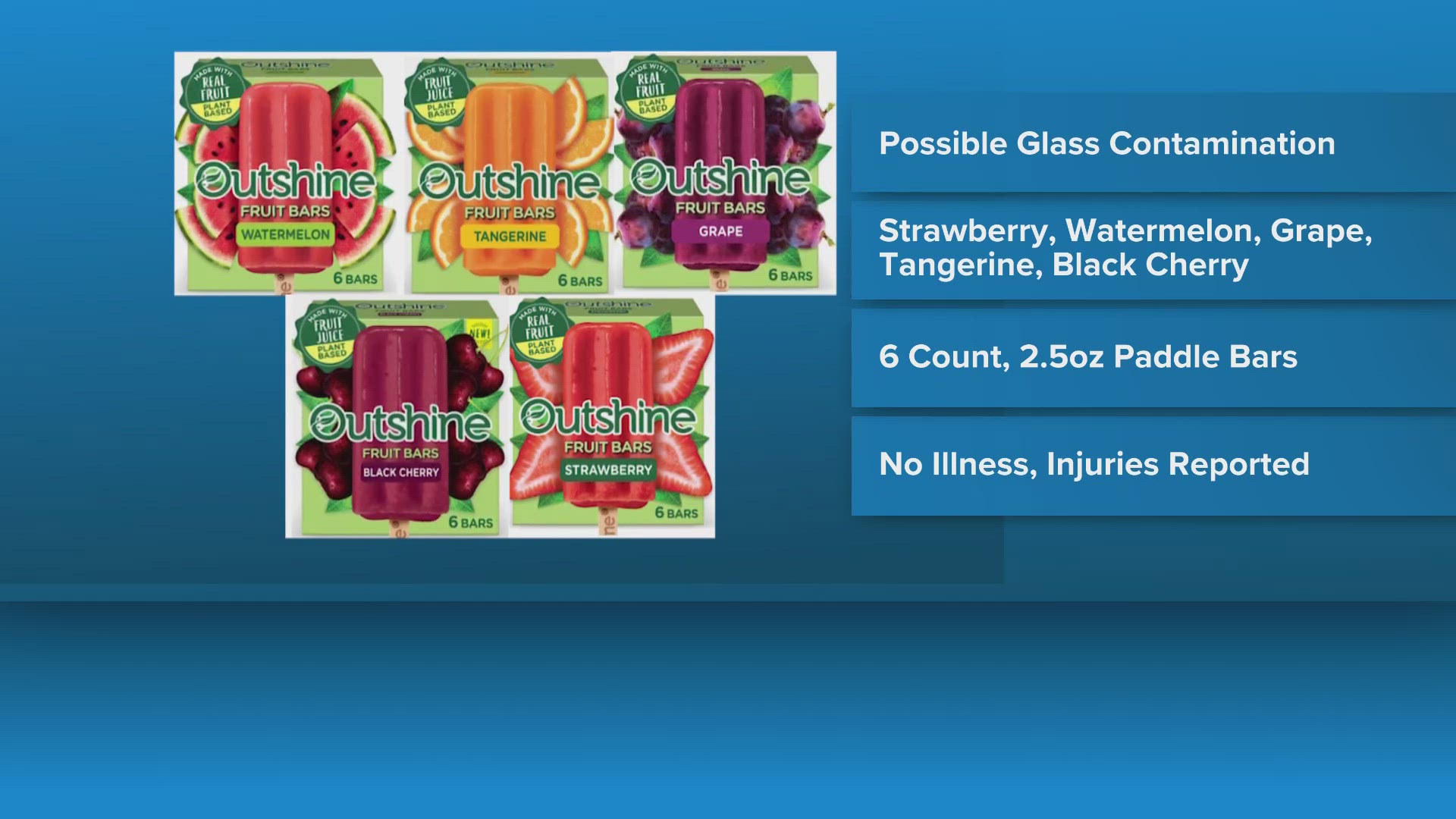
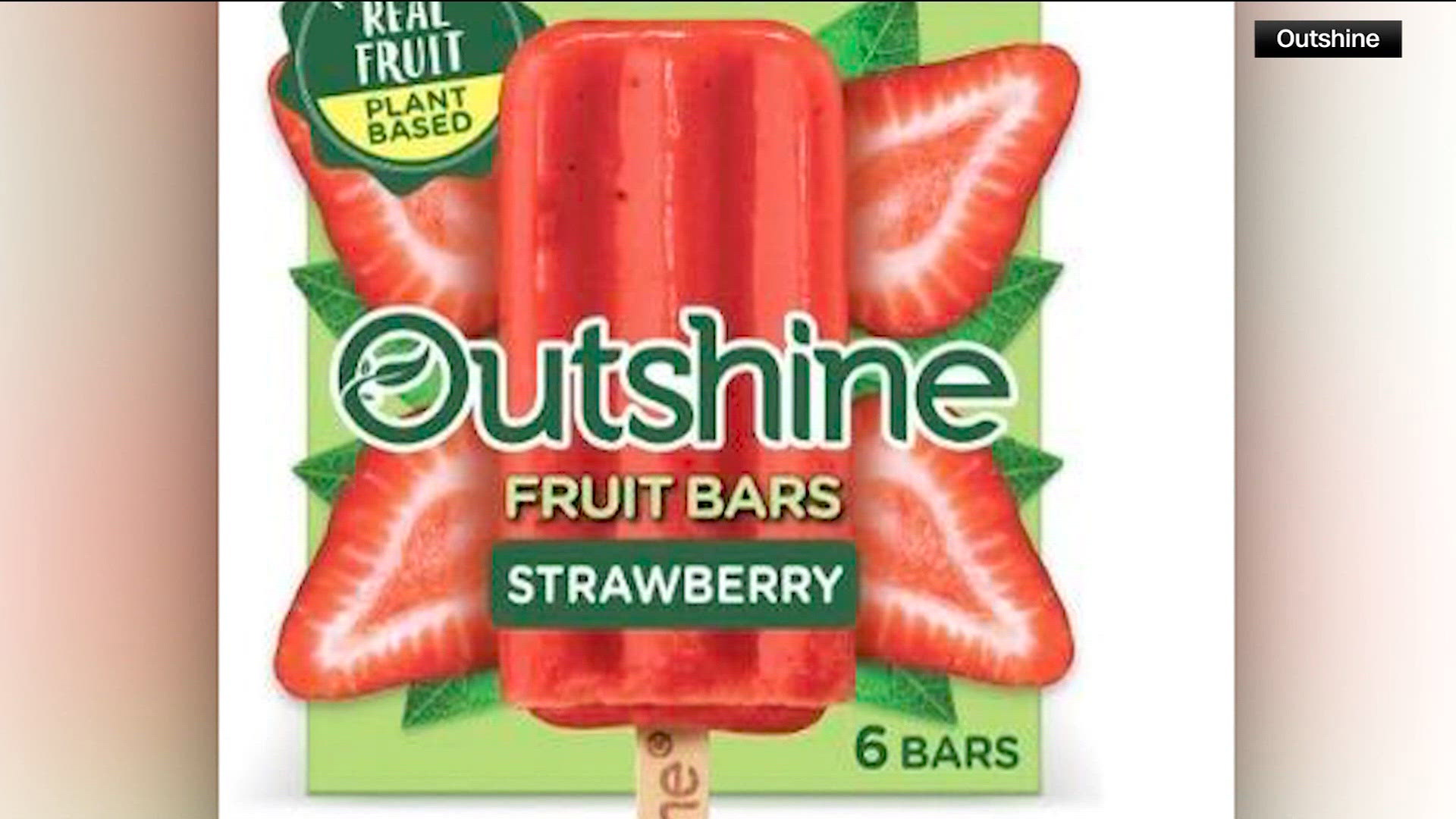
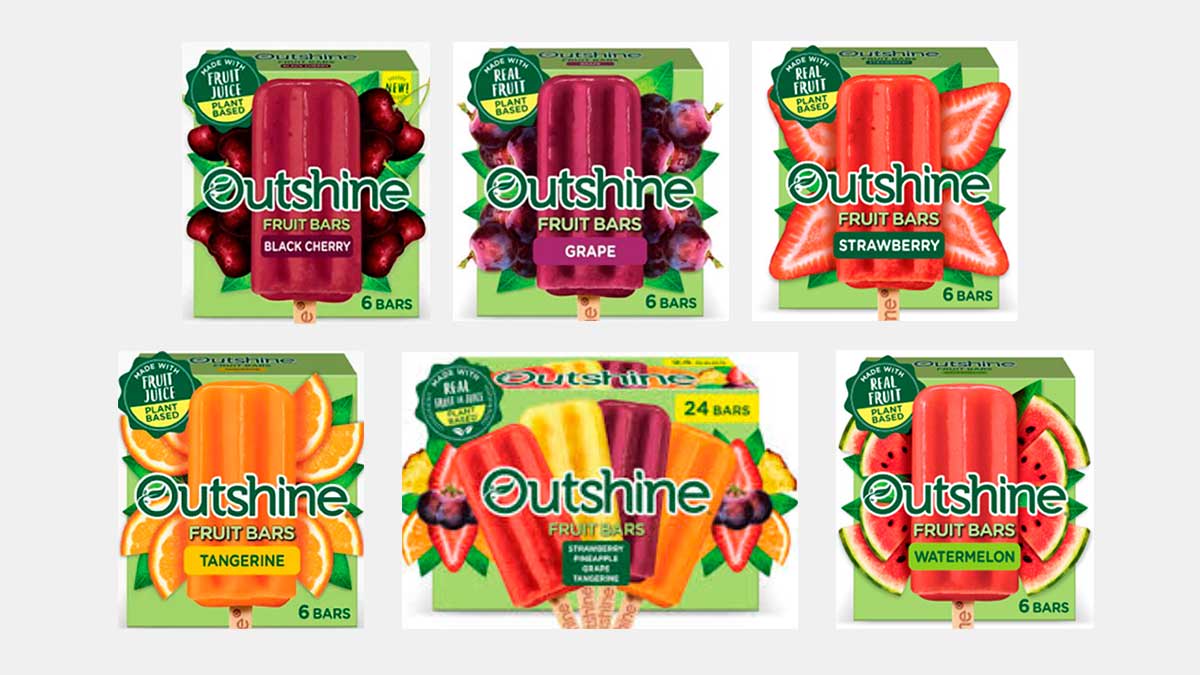
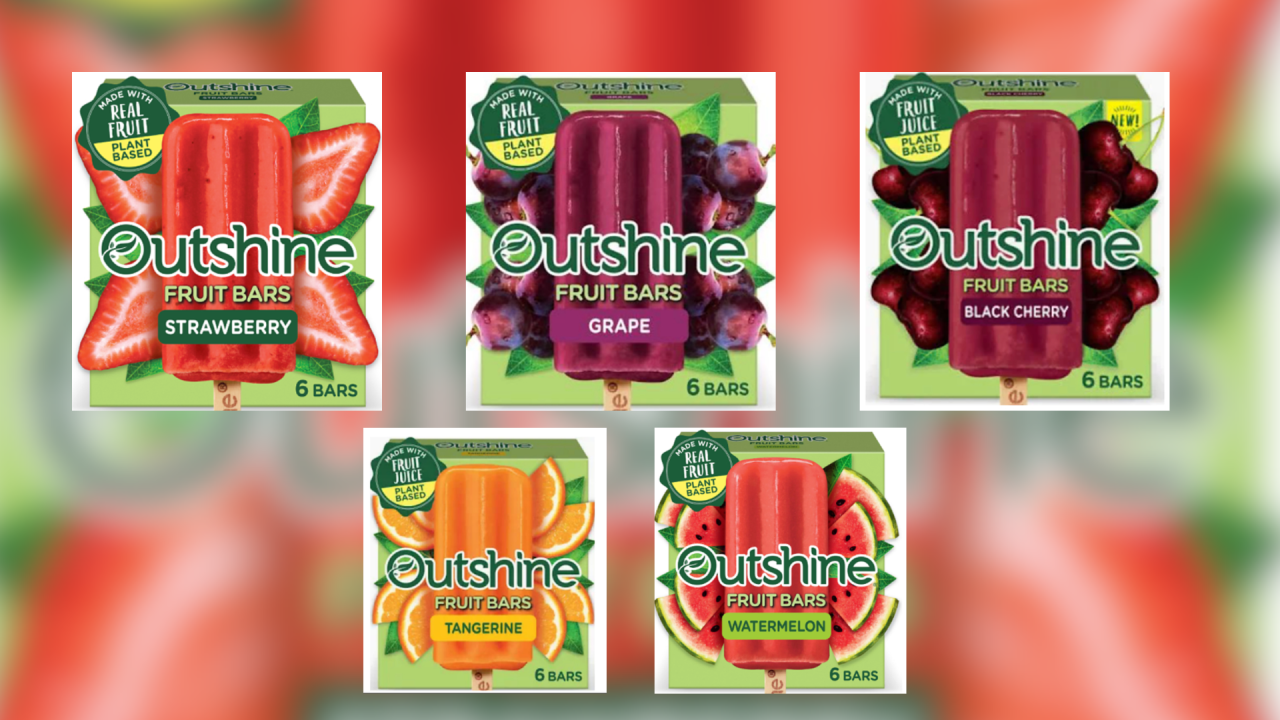
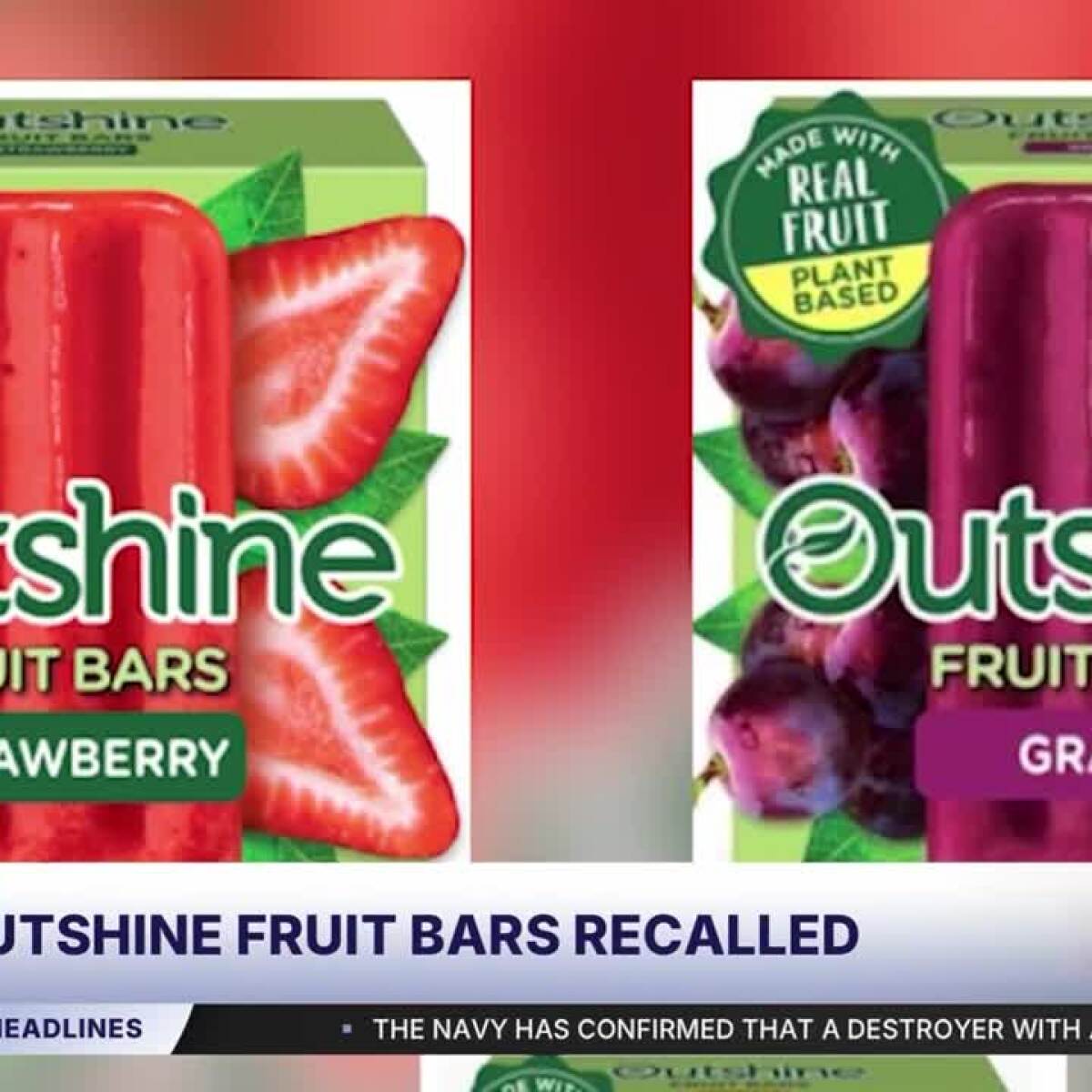
The U.S. food safety infrastructure is experiencing a critical collapse that creates both severe compliance risks and significant business opportunities for e-commerce sellers. The FDA has reduced foreign food inspections to historic lows, the CDC's cyclosporiasis response team was cut from 11 to 3 staff members (73% reduction), and the USDA documented a 40% increase in complaints about meat, egg, and poultry products in 2025—with foreign objects (glass, metal, plastic) as the most common complaint category. Dreyer's Grand Ice Cream's recall of Outshine Fruit Bars due to glass contamination in 2.5-ounce six-packs exemplifies the broader crisis affecting multiple categories: Pillsbury rolls with glass, sourdough bread with metal pieces, and plant-based chicken nuggets with plastic contamination.
From a compliance perspective, this creates a two-tier market opportunity. First, sellers of food products on Amazon, Walmart, and specialty food platforms face dramatically increased liability exposure. The reduced FDA inspection capacity means contaminated products are more likely to reach consumers, triggering recalls that devastate seller ratings and trigger Amazon A+ account suspensions. Sellers must now implement third-party testing and certification protocols that were previously optional—adding $500-2,000 per SKU in compliance costs but creating a competitive moat against non-compliant competitors.
Second, this regulatory vacuum creates service opportunities. Third-party food safety certification providers, testing labs, and compliance consulting services are experiencing unprecedented demand. Sellers seeking to differentiate through "FDA-verified" or "third-party tested" badges will pay premium rates for expedited certification. The compliance cost barrier will eliminate an estimated 30-40% of small food sellers on Amazon and Walmart who cannot afford testing, consolidating market share among compliant sellers.
The measles surge (2,632 cases in 2026 vs. 282 in 2024—835% increase) and cyclosporiasis outbreak (15,716 cases, up 1,821 weekly) signal that consumer demand for health-certified, contamination-free products will spike. Sellers offering products with visible third-party testing certifications, transparent supply chain documentation, and domestic sourcing will command 15-25% price premiums. This is a 6-12 month window before competitors catch up to compliance requirements.
Questions 7
How can sellers differentiate through supply chain transparency?
Sellers can implement supply chain transparency certifications (SGS, NSF, BRC) that document sourcing, manufacturing, and testing protocols. The measles surge (835% increase from 2024-2026) and cyclosporiasis outbreak signal consumer demand for health-certified products. Sellers offering transparent sourcing documentation and domestic manufacturing can command 20-30% price premiums. Certification costs range from $3,000-8,000 annually but create customer loyalty and reduce return rates by 25-40%.
What is the timeline for compliance before Amazon/Walmart enforcement?
Amazon and Walmart are expected to enforce stricter food safety requirements within 6-12 months as the contamination crisis escalates. Sellers should initiate third-party testing immediately—certification timelines are 4-8 weeks. The window to establish compliance before competitors is narrow; early movers will capture market share as non-compliant sellers are delisted. Sellers delaying compliance risk account suspension following any contamination incident, with recovery timelines of 30-90 days.