





COPPA Enforcement Escalates | Meta Faces Billions in Damages, Reshaping Youth Marketing Compliance for E-Commerce Sellers
- Landmark 29-state lawsuit alleges systematic COPPA violations affecting tens of thousands of underage users; potential billion-dollar damages reshape advertising compliance requirements for sellers targeting youth demographics








Overview
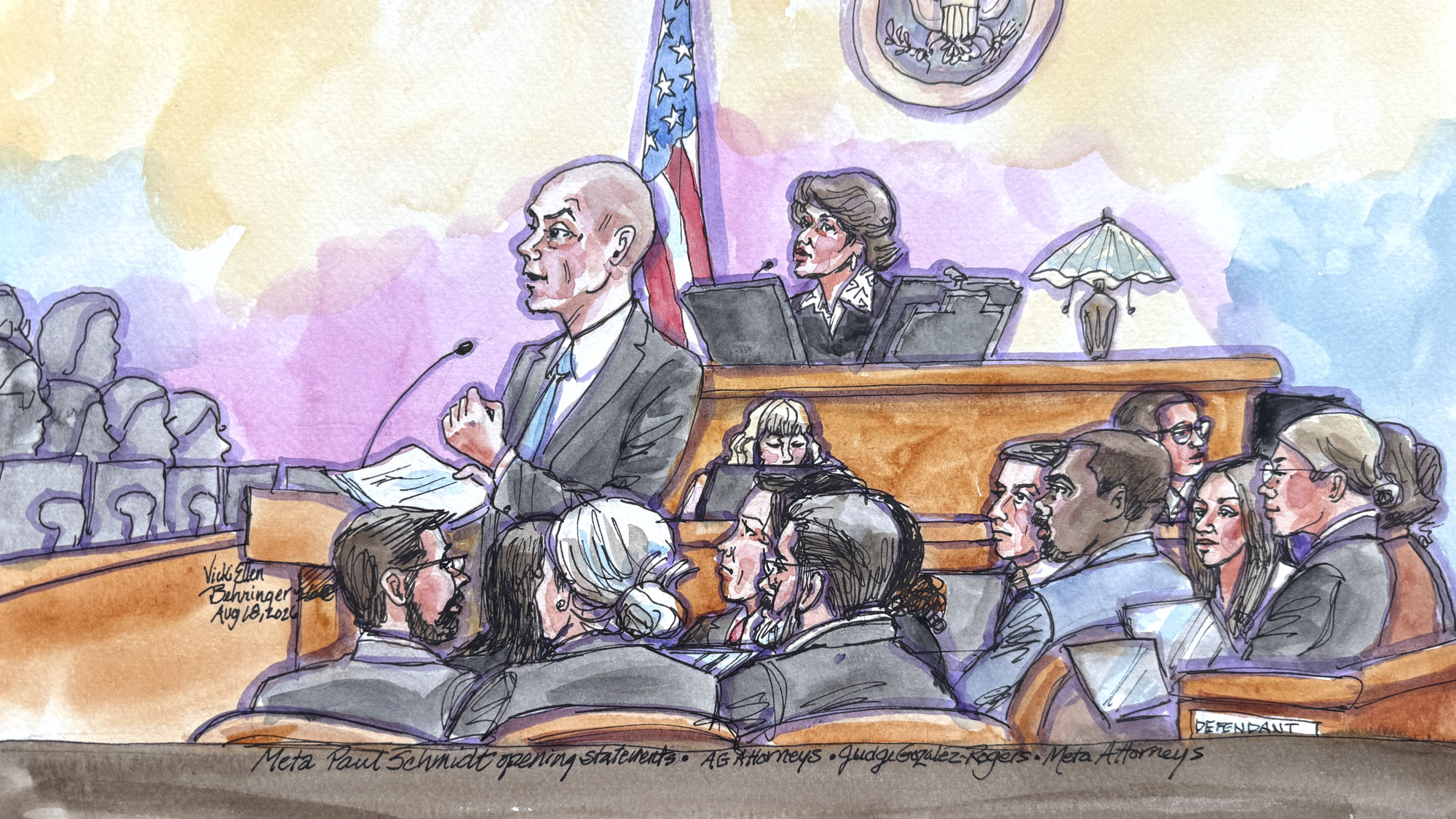
Meta faces a landmark federal trial in Oakland involving 29 state lawsuits alleging systematic COPPA (Children's Online Privacy Protection Act) violations on Instagram. Former engineering director Arturo Béjar testified that Meta employed a "don't ask, don't tell" approach regarding children under 13, discovering "tens of thousands" of underage users while the company maintained "no goals, no metrics" for age verification. The trial, expected to last six weeks, seeks injunctions against dangerous product features and potential damages reaching billions of dollars—representing the most aggressive COPPA enforcement action since the law's 1998 enactment.
For e-commerce sellers, this lawsuit creates immediate compliance barriers and market opportunities. The core allegation—that Meta knowingly collected data from minors under 13 without parental consent—directly implicates any seller using Instagram's advertising platform to reach audiences that may include children. The lawsuit specifically targets engagement-maximizing features (video autoplay, engagement counters) that exploit adolescent psychology, signaling regulators will scrutinize platform algorithms and seller targeting practices. Sellers currently running youth-focused campaigns on Instagram face elevated compliance risk: if Meta loses, the court may impose mandatory age verification systems, parental consent requirements, or advertising restrictions that fundamentally alter how brands reach Gen Z consumers. The 29-state coordination (California, Colorado, Kentucky, New Jersey plus 25 additional states) indicates this is not isolated litigation—it reflects coordinated state-level enforcement that will likely extend to other platforms (TikTok, YouTube, Snapchat) and create cascading compliance requirements.
The compliance opportunity emerges in three dimensions. First, sellers in youth-sensitive categories (toys, gaming, fashion, beauty) must immediately audit their Instagram advertising targeting to ensure compliance with emerging COPPA standards—those who proactively implement parental consent workflows and age-gating mechanisms will gain competitive advantage as enforcement tightens. Second, the lawsuit's focus on "addictive design" creates demand for compliance consulting services: sellers need guidance on which engagement tactics (limited-time offers, scarcity messaging, influencer partnerships) may trigger regulatory scrutiny when targeting minors. Third, alternative platforms with stronger age verification (Discord, Reddit, TikTok Shop in regulated markets) may capture market share from Instagram as advertisers migrate to lower-compliance-risk channels. The trial's six-week duration and potential injunctions mean sellers should expect platform policy changes within 3-6 months, making immediate compliance audits essential for avoiding account suspension or advertising restrictions.
Questions 8
Should I move my advertising budget away from Instagram to other platforms?
Not necessarily, but diversification is prudent. Instagram will likely implement stricter age controls, reducing reach in youth demographics by 15-25%. Consider allocating 20-30% of youth-focused budget to TikTok Shop (which has stronger age verification), Discord (for gaming/tech products), or Reddit (for niche communities). YouTube remains viable but faces similar regulatory pressure. The key is reducing dependence on any single platform during this enforcement wave. Sellers with diversified platform presence will weather compliance changes better than those relying solely on Instagram for youth-targeted sales.
What compliance documentation should I maintain to protect my business?
Maintain records of: (1) audience targeting settings and age restrictions applied to each campaign, (2) parental consent documentation for any users under 13, (3) age verification methods used, (4) product descriptions and marketing language (to prove you're not using exploitative tactics), and (5) compliance audits conducted. Store these for at least 3 years—regulators may investigate sellers during the Meta enforcement wave. If you use influencers to reach youth audiences, document their age verification and parental consent processes. This documentation protects you if the FTC expands enforcement to sellers and proves you acted in good faith.