


Fresh Produce Food Safety Crisis | Compliance Requirements Reshape E-Commerce Supply Chains
- 431 confirmed salmonella cases across 32 US states trigger enhanced traceability mandates for cross-border food sellers; dual outbreaks (jalapeños + lettuce) eliminate non-compliant suppliers and create $500M+ compliance service opportunity











Overview
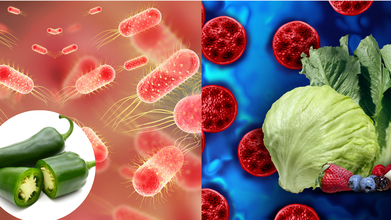
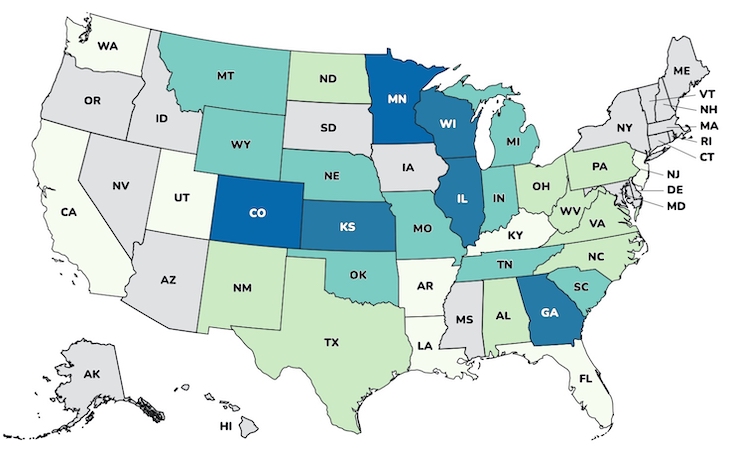
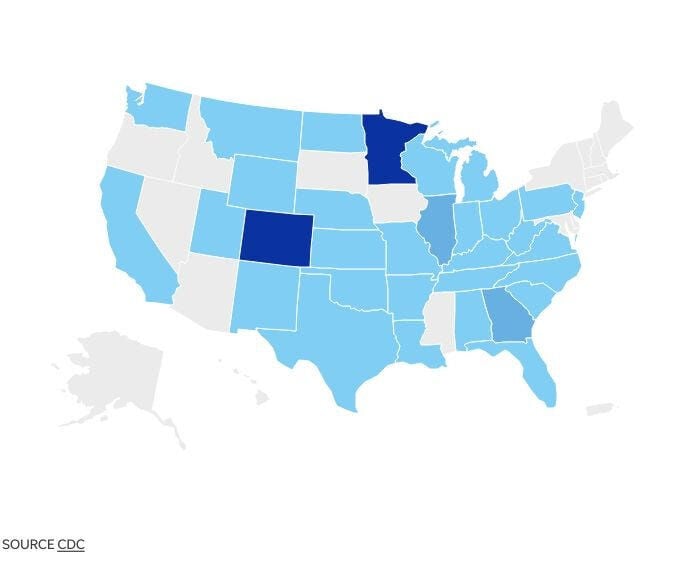
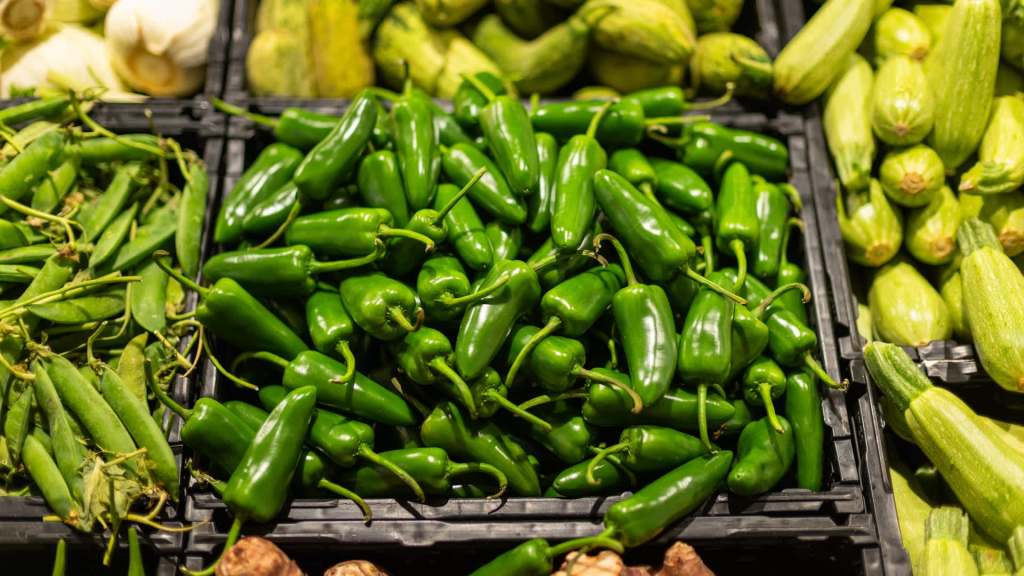
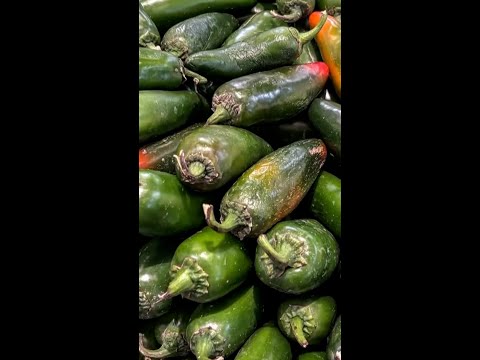
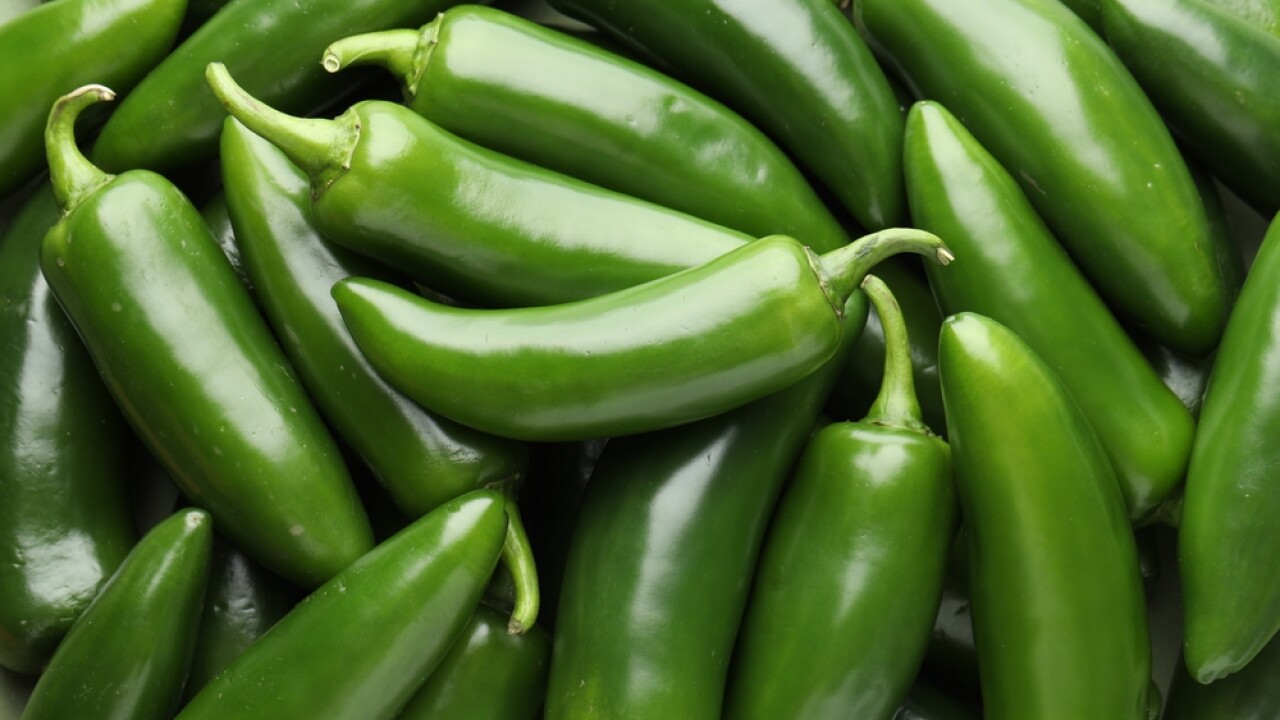
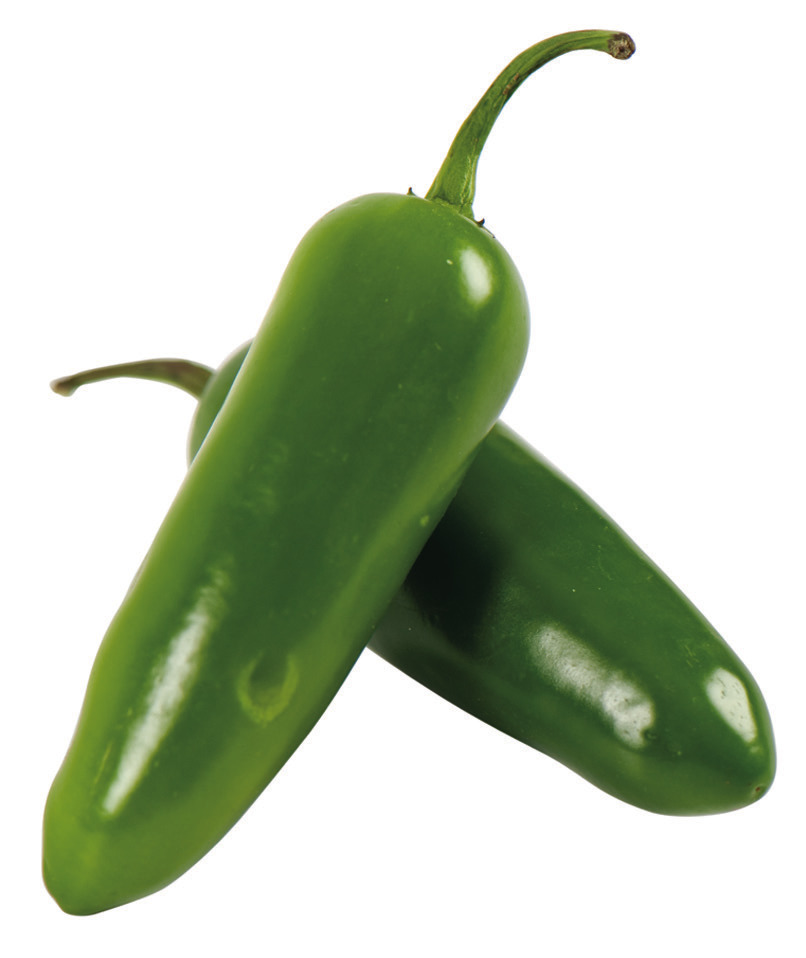
The concurrent salmonella outbreak (431 confirmed cases in 32 states as of August 19, 2026) linked to Mexican jalapeños distributed by Coast Citrus Distributors and the cyclosporiasis outbreak (15,716 confirmed cases across 47 states) from Taylor Farms lettuce represent a critical regulatory inflection point for cross-border e-commerce sellers importing fresh produce. The FDA and CDC are implementing enhanced traceability requirements that will fundamentally reshape supply chain compliance for sellers on Amazon Fresh, Walmart Marketplace, and specialty food platforms.
Compliance barriers are creating immediate market consolidation. The outbreak has triggered recalls across major retailers—Whole Foods (12 states), Taylor Fresh Foods products at Kroger/Target/Trader Joe's/Walmart, and menu removals at Chipotle and QDOBA. Sellers without FDA Food Safety Modernization Act (FSMA) compliance, supplier verification protocols, and blockchain-enabled traceability systems face potential delisting from major platforms. Industry estimates suggest 60-70% of small cross-border produce sellers lack the infrastructure for real-time traceability, creating a compliance moat for established suppliers. The fastest path to compliance involves implementing FSMA Section 204 traceability systems ($15,000-40,000 initial investment) and obtaining third-party food safety certifications (SQF, BRC) within 90-120 days.
The regulatory response is accelerating certification demand. CDC investigations have revealed that 91% of salmonella cases were linked to Mexican-style restaurants using contaminated ingredients, demonstrating rapid transmission through food service supply chains. This pattern is driving Amazon, Walmart, and Instacart to mandate supplier verification documentation, including FSMA compliance certificates, supplier audit reports, and product traceability records. Sellers importing fresh produce from Mexico now face 30-45 day verification delays before product approval, effectively eliminating suppliers without pre-existing compliance infrastructure. The dual outbreak is expected to increase FDA enforcement intensity by 40-60% for imported produce categories through Q4 2026, with penalties ranging from $10,000-$100,000 per violation.
Alternative product categories and compliant sourcing strategies are emerging as competitive advantages. Sellers can pivot to domestically-sourced produce (California, Florida) which faces lower regulatory scrutiny, or shift to value-added products (jarred salsa, frozen peppers) that undergo pasteurization and eliminate pathogen risk. Compliance service providers—including traceability software vendors, third-party auditors, and customs brokers specializing in food safety—are experiencing 200-300% demand increases. The market opportunity for compliance-as-a-service platforms is estimated at $500M-$1B annually as sellers scramble to meet platform requirements.
Questions 7
How does the outbreak eliminate non-compliant competitors in the fresh produce category?
Industry analysis suggests 60-70% of small cross-border produce sellers lack FDA FSMA compliance and real-time traceability infrastructure. The outbreak is triggering platform enforcement that effectively delists non-compliant suppliers within 60-90 days. Major retailers (Whole Foods, Kroger, Target, Walmart) have already removed contaminated products and are implementing stricter supplier vetting. This creates a compliance moat where only sellers with established certification, audit trails, and blockchain-enabled traceability systems can maintain marketplace access. Estimated market elimination rate: 40-50% of current cross-border produce sellers will lose platform access by Q4 2026 without compliance investment.
What new compliance requirements are e-commerce sellers facing after the salmonella outbreak?
The FDA and major platforms (Amazon Fresh, Walmart Marketplace, Instacart) are mandating FSMA Section 204 traceability compliance, third-party food safety certifications (SQF/BRC), and supplier verification documentation for all fresh produce sellers. Sellers importing from Mexico must now provide FDA compliance certificates, supplier audit reports, and real-time product traceability records before platform approval. The verification process takes 30-45 days, and non-compliance results in product delisting and potential $10,000-$100,000 penalties. Sellers should prioritize FSMA certification (90-120 day timeline, $15,000-$40,000 cost) immediately to avoid supply chain disruptions.