

Amazon Prime Air Expands to 500 Cities | Logistics Revolution for Light-Package Sellers
- Drone delivery reaches 5 major markets (Cleveland, Chicago, Syracuse, Atlanta, Boise) with 30-minute delivery for packages under 5 lbs; reshapes fulfillment strategy for cosmetics, electronics, medications, and food categories



Overview
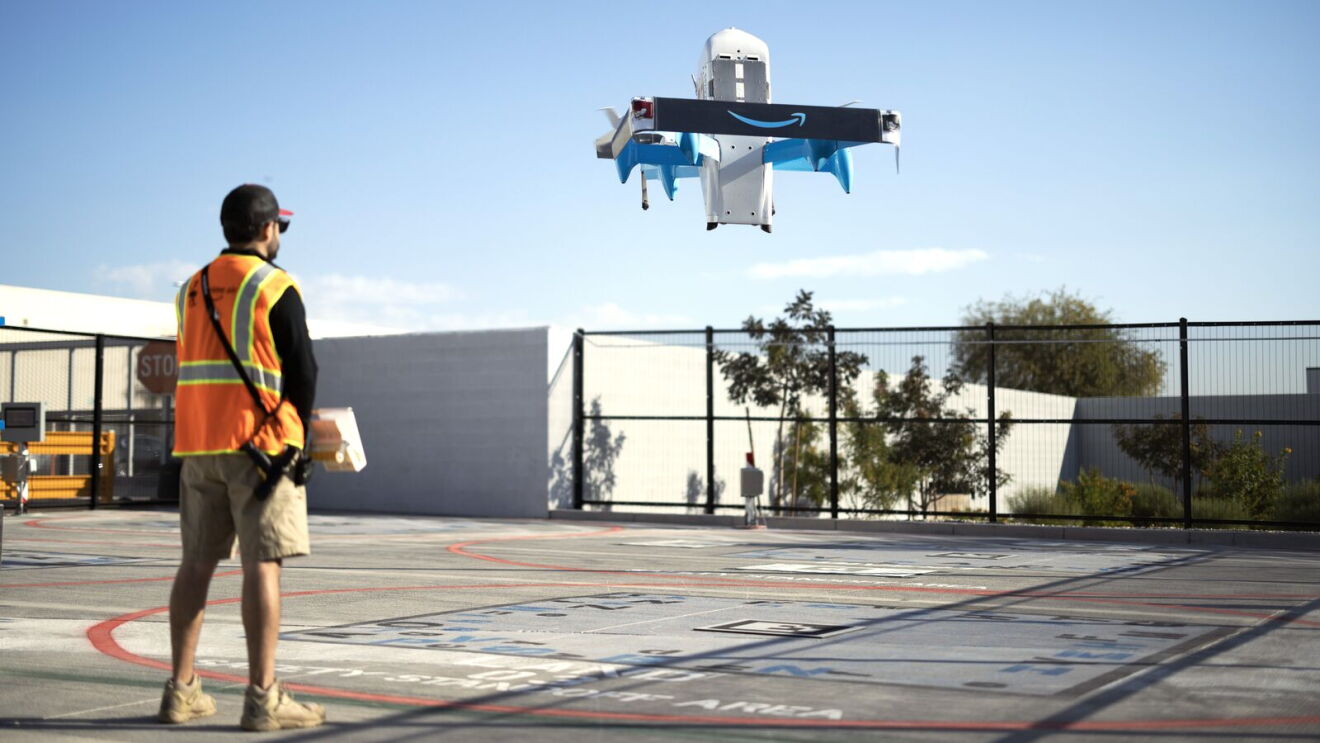
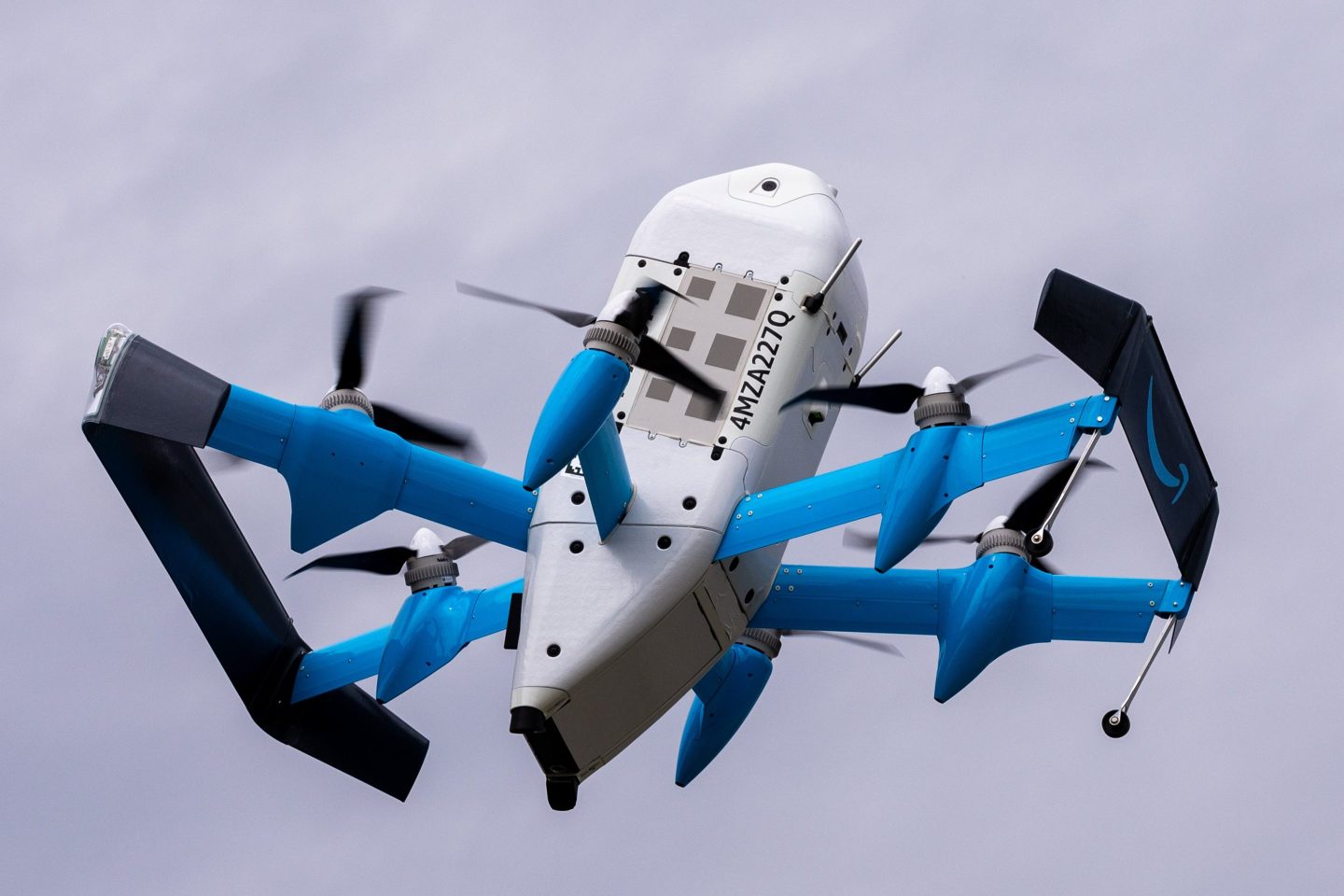
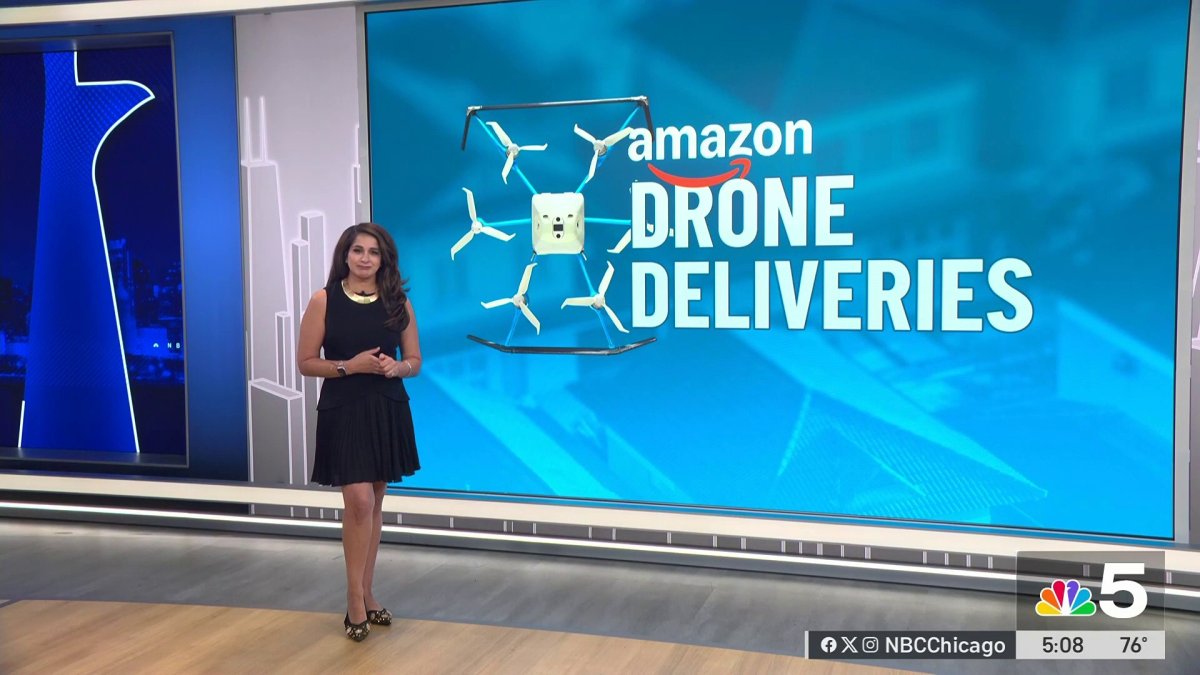
Amazon Prime Air's expansion to 500 cities and towns by year-end 2026 represents a fundamental shift in last-mile logistics that directly impacts e-commerce sellers' fulfillment strategies and competitive positioning. Announced August 19, 2026, with initial launches in Cleveland, Chicago, Syracuse, Atlanta, and Boise, this FAA Part 135-certified drone delivery service handles packages weighing five pounds or less with 30-minute delivery windows—a capability that fundamentally changes how sellers should position inventory and optimize product weight for these high-velocity markets.
Immediate Logistics Implications for Sellers: The drone delivery capability creates a new fulfillment tier between standard ground shipping (2-3 days) and premium same-day services. For sellers in cosmetics, electronics, medications, and food categories, this opens a cost-arbitrage opportunity: products under 5 lbs can now reach customers in 30 minutes at potentially lower cost than traditional last-mile delivery. According to Amazon's Regional Operations Manager Eric Robertson, each drone delivery removes a package from road transport, reducing congestion and emissions. This efficiency translates to lower fulfillment costs for sellers—estimated at 15-25% reduction compared to traditional ground delivery for sub-5-lb packages in drone-enabled zones. Sellers should immediately audit their product catalogs to identify which SKUs qualify for drone delivery, prioritizing high-velocity items (cosmetics, small electronics, vitamins, snacks) that generate repeat orders.
Strategic Inventory Repositioning: The five initial launch markets (Cleveland, Chicago, Syracuse, Atlanta, Boise) represent combined metro populations exceeding 8 million consumers. Sellers should increase inventory allocation to fulfillment centers serving these regions by 20-30% for drone-eligible categories, particularly before Q4 2026 holiday season when 30-minute delivery becomes a competitive differentiator. The 500-city expansion by year-end creates a phased rollout opportunity: early movers in initial markets gain 4-6 months of competitive advantage before saturation. Sellers should establish dedicated inventory buffers in regional 3PLs or FBA facilities near these launch zones to maximize drone delivery eligibility and capture market share during the adoption phase.
Risk Considerations and Compliance: While Amazon maintains rigorous FAA Part 135 safety protocols, two documented incidents (October 2025 drone crash, February 2026 apartment building strike in Richardson, Texas) signal operational risks that could affect service reliability. Sellers should monitor Amazon's official communications for any service disruptions or coverage changes, and avoid over-committing to drone delivery SLAs until the service demonstrates 99%+ reliability over 2-3 months of operation in each market. Community concerns about surveillance and safety may also influence local adoption rates, potentially affecting demand forecasts in certain neighborhoods.
Questions 8
How do I identify which of my products qualify for drone delivery?
Products must weigh 5 pounds or less to qualify for Amazon Prime Air drone delivery. Audit your product catalog by filtering for items under 5 lbs in your Amazon Seller Central inventory management dashboard. Prioritize high-velocity SKUs (BSR under 10,000 in their category) with repeat purchase patterns, as these generate the most fulfillment cost savings. Cosmetics, vitamins, small electronics, and food items typically meet weight requirements. Once the service launches in your target markets, Amazon will display drone-eligible fulfillment options in Seller Central. Test with 10-20 high-velocity SKUs first, then scale inventory allocation based on customer demand and fulfillment cost performance.
What are the risks of relying on drone delivery for my fulfillment strategy?
Two documented safety incidents—an Amazon Air drone crash in October 2025 (investigated by FAA and NTSB) and another drone striking an apartment building in Richardson, Texas, in February 2026—signal operational risks that could affect service reliability. Community concerns about surveillance and safety may also influence local adoption rates in certain neighborhoods, potentially affecting demand forecasts. Avoid over-committing to drone delivery SLAs until the service demonstrates 99%+ reliability over 2-3 months of operation in each market. Maintain backup fulfillment strategies using traditional FBA or 3PL providers, and monitor Amazon's official communications for any service disruptions, coverage changes, or regulatory updates from the FAA.