



Fed Rate Hike Signals 2026 | Sellers Face 8-12% Financing Cost Surge
- Nine Fed officials predict 2026 rate increases; inventory financing costs rise 200-400 bps; import-dependent sellers hit by USD strength













Overview
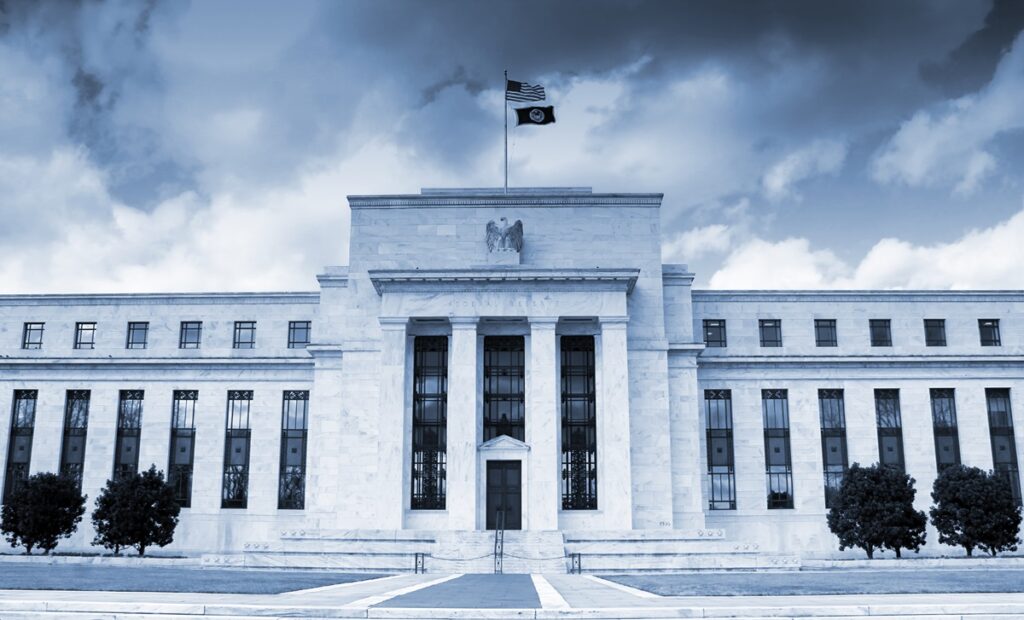
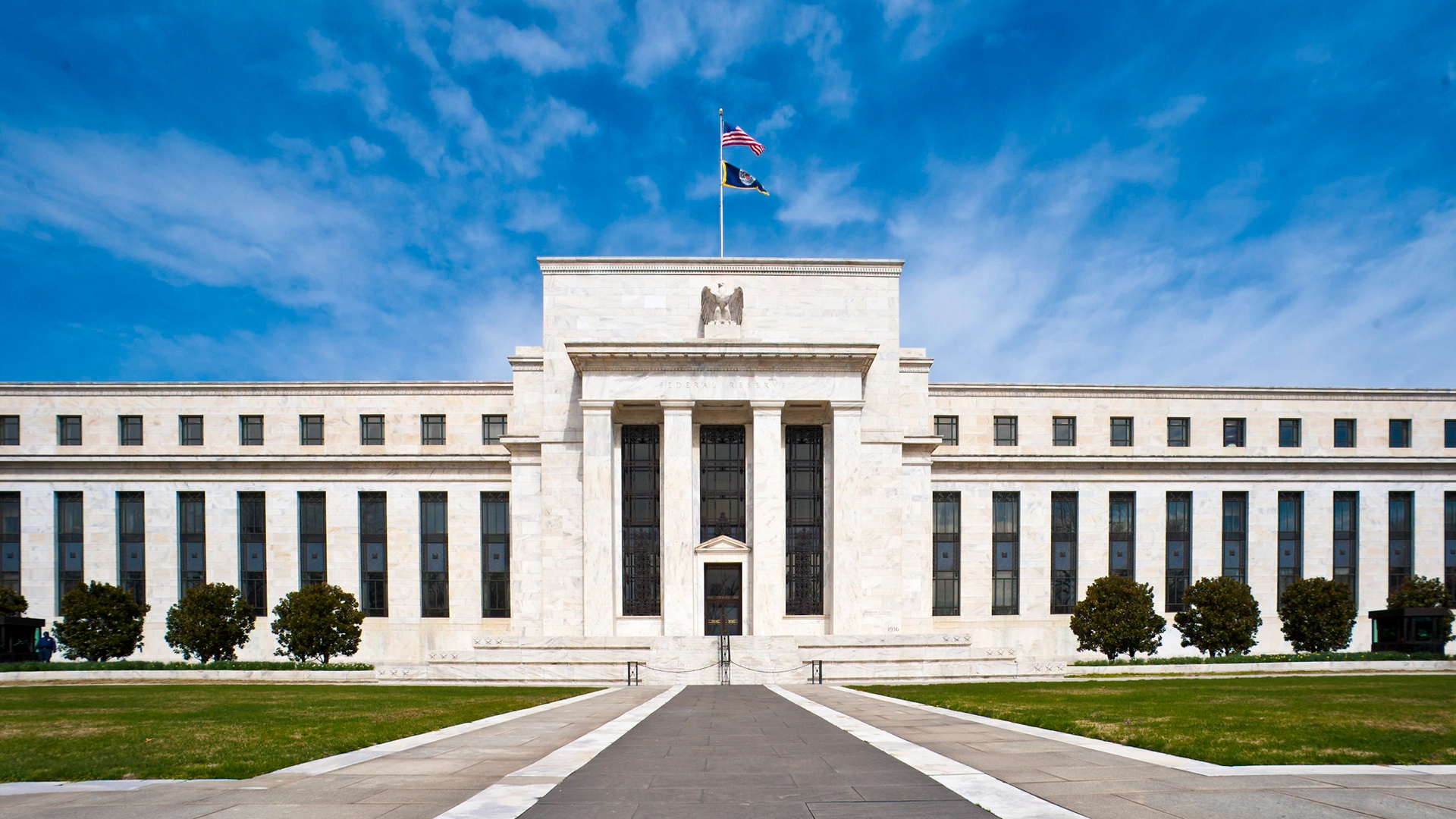
Federal Reserve officials signaled in July 2025 meeting minutes that interest rate increases may become necessary later in 2026 if inflation remains elevated. The FOMC voted 9-3 to maintain rates at 3.5-3.75%, marking the fifth consecutive hold, but three regional Fed presidents (Lorie Logan, Beth Hammack, Neel Kashkari) dissented for a 0.25% hike. Critically, nine of 19 committee officials in June's Economic Projections predicted at least one rate hike during 2026. With annual CPI at 3.4% and PCE at 3.7% (exceeding the 2% target), inflation pressures persist despite moderation expectations. The Fed attributes elevated inflation to Iran conflict energy prices and Trump tariff pass-through effects.
For cross-border e-commerce sellers, this creates immediate financing headwinds. Higher interest rates directly increase borrowing costs for inventory financing, working capital loans, and business expansion—critical lifelines for sellers managing 30-90 day cash conversion cycles. Sellers with variable-rate debt face immediate payment increases of $200-400 monthly per $50K borrowed. Import-dependent sellers experience dual pressure: the strengthening USD (typically rising 2-4% during rate hike cycles) makes foreign inventory 3-6% more expensive, while elevated financing costs compress margins by 8-12% for sellers relying on credit lines. Discretionary categories (fashion, electronics, home goods) face demand headwinds as consumer spending power declines—historically, each 0.25% rate increase reduces discretionary e-commerce demand by 1-2%.
The policy divergence creates strategic uncertainty. President Trump publicly opposes rate increases, positioning the administration against inflation-focused Fed officials. This creates a 6-12 month window of policy uncertainty that affects seller capital expenditure planning. Sellers should immediately lock in fixed-rate financing while available (current rates: 8-11% for inventory loans, 6-9% for working capital lines). Optimize inventory management to reduce working capital needs by 15-20%—shift to just-in-time sourcing, reduce SKU depth in slow-moving categories, and accelerate inventory turnover. Monitor the September 15-16 FOMC meeting for additional rate guidance; if three dissents persist, probability of 2026 hikes increases materially, justifying immediate hedging action.
Questions 8
How do I compare fixed-rate vs. variable-rate financing given rate hike risks?
Fixed-rate financing (8-11% for inventory, 6-9% for working capital) locks in costs regardless of Fed actions, providing certainty for 12-24 month planning. Variable-rate financing (currently 7-9%, rising to 8-10% if rates increase) offers lower initial costs but exposes you to 0.25-0.50% increases per Fed hike. For sellers with tight margins (under 25%), fixed-rate is safer—the 1-2% premium buys protection worth $250-1,000 monthly on $100K borrowed. For sellers with strong margins (over 35%), variable-rate may be acceptable if you can absorb $200-400 monthly increases. The news's emphasis on policy uncertainty suggests fixed-rate is prudent through 2026.
What should I do at the September 15-16 FOMC meeting?
The September meeting is critical—monitor it closely for updated rate guidance. If dissenting votes persist (three officials voted for hikes in July), probability of 2026 rate increases rises materially, justifying immediate action. Watch Fed Chair Kevin Warsh's statements on inflation targets and tariff impacts. If the committee signals higher conviction on 2026 hikes, accelerate your financing lock-in and inventory optimization. If they signal rate cuts instead (aligning with Trump's preference), you can delay fixed-rate financing and maintain higher inventory levels. Set calendar reminders for the announcement (likely 2 PM ET on September 16) and review your financing strategy within 24 hours.