




Sports Equipment Product Liability Crisis | Sellers Face Urgent Safety Compliance Requirements
- Wrongful death lawsuit exposes critical product defect patterns; sellers of sports equipment must implement secondary safety mechanisms or face market elimination and liability exposure






Overview
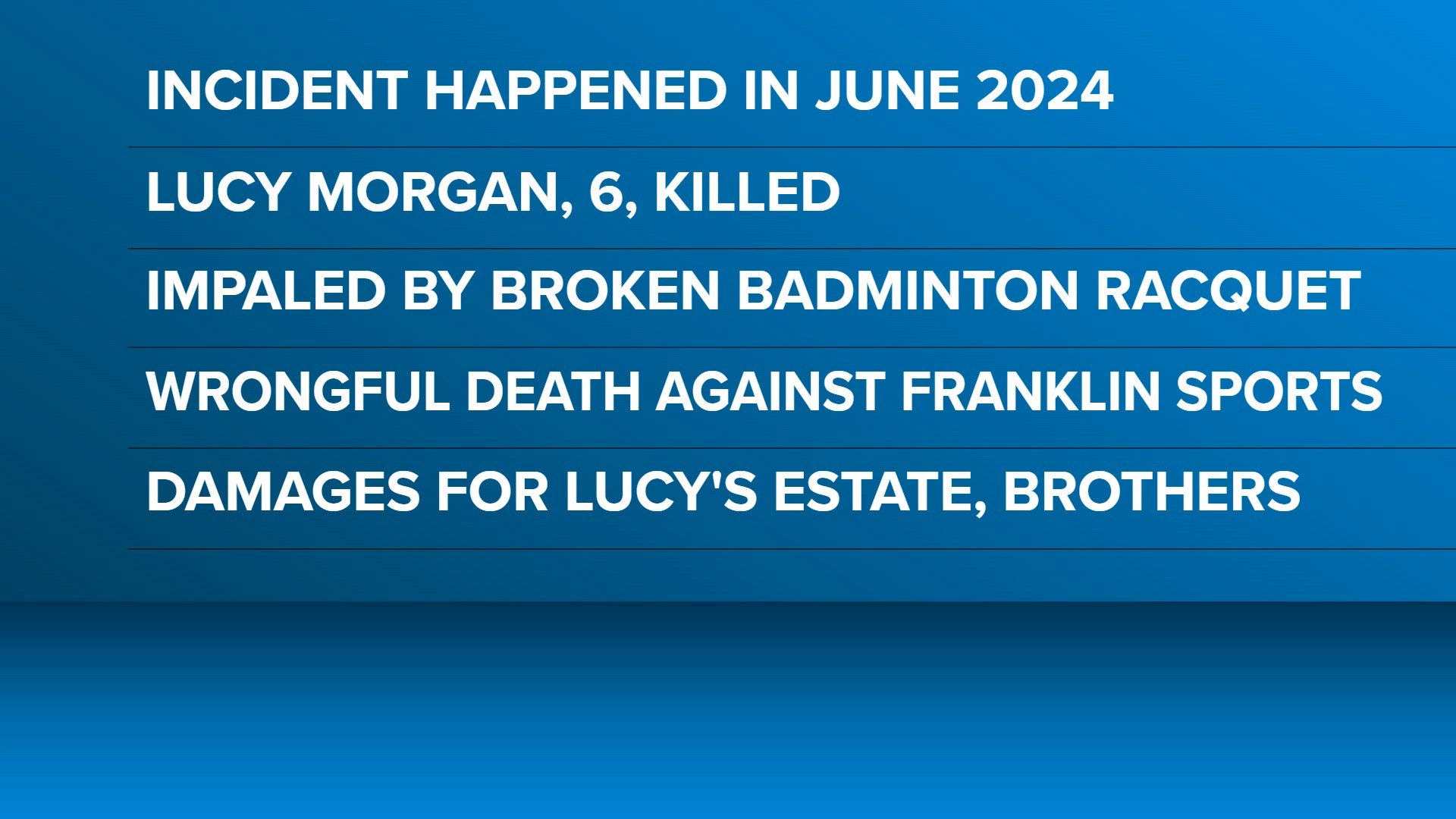
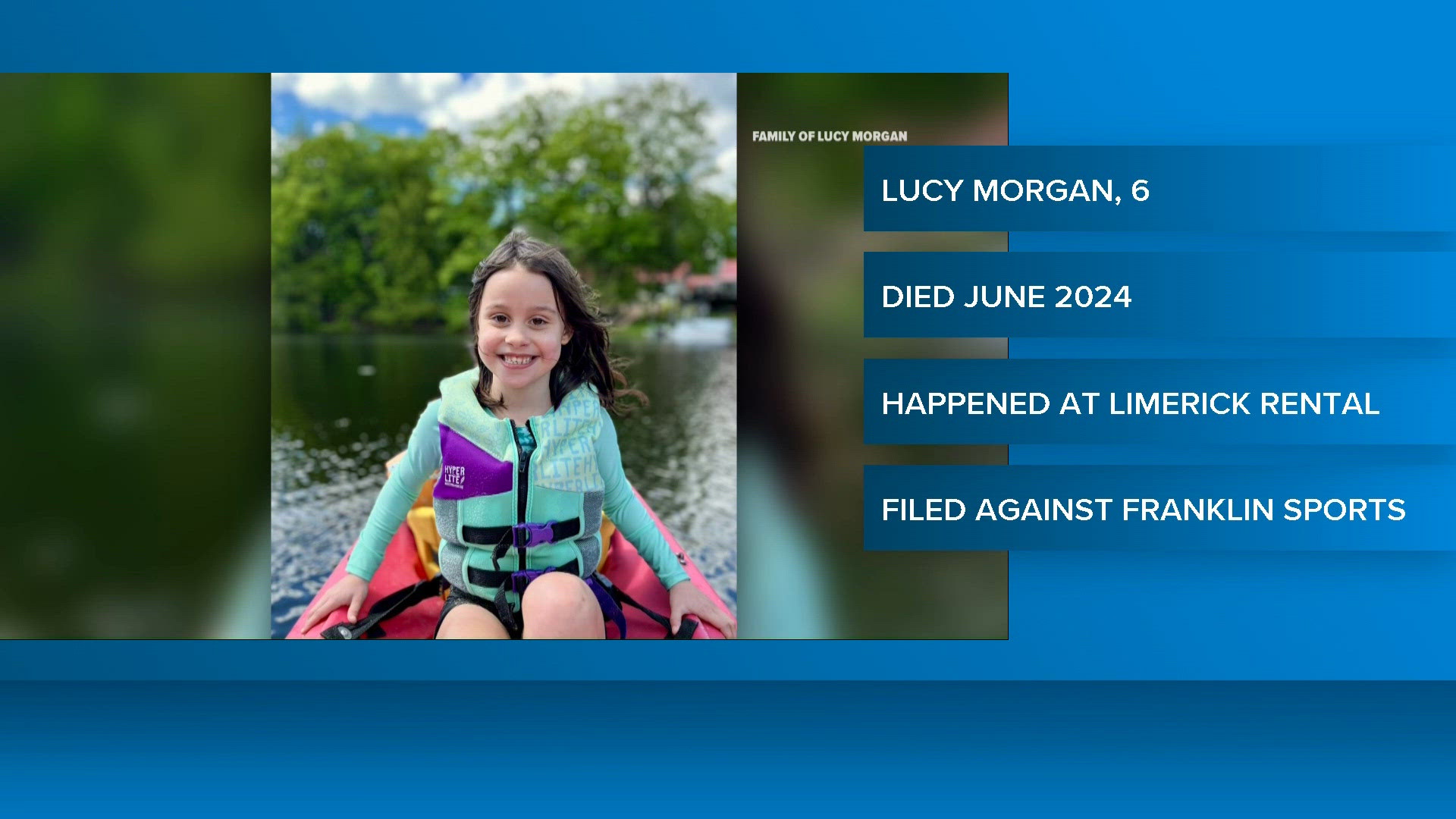
The Franklin Sports badminton racket wrongful death lawsuit filed in York County, Maine represents a watershed moment for product liability compliance in the sports equipment category. A 6-year-old child's death in June 2024 from a detached aluminum racket shaft—combined with evidence of a prior incident in New York where another child lost an eye—establishes a pattern of known hazards that manufacturers failed to remediate. This case creates immediate compliance implications for all sellers offering sports equipment on Amazon, eBay, Shopify, and specialty sporting goods platforms.
The core compliance issue: The lawsuit alleges Franklin Sports failed to implement a "simple fix—a pin in the handle costing only pennies"—despite documented prior incidents. This establishes that manufacturers had knowledge of the defect and chose not to implement low-cost safety solutions. For e-commerce sellers, this creates a dangerous precedent: courts may now view failure to implement penny-cost safety mechanisms as evidence of negligence, even for sellers who were not the original manufacturer.
Immediate market impact: Sports equipment sellers face three compliance pathways. First, sellers must conduct immediate product safety audits for any rackets, bats, or equipment with detachable components (aluminum shafts, handles, grips). Second, sellers must implement secondary restraint mechanisms—pins, clips, or adhesive reinforcement—that cost $0.05-0.15 per unit to manufacture. Third, sellers must update product listings with explicit warnings about component separation risks, particularly for children's equipment. Failure to implement these changes exposes sellers to product liability claims, Amazon/eBay suspension for safety violations, and potential recall obligations.
Compliance cost structure: Adding a secondary restraint mechanism increases manufacturing costs by $0.10-0.25 per unit for badminton rackets and similar equipment. For sellers importing 5,000 units monthly, this represents $500-1,250 in additional monthly costs. However, the alternative—liability exposure from a single injury claim—can reach $5-50M in damages, making compliance economically rational. Sellers must also budget $2,000-5,000 for product testing and certification to document that secondary mechanisms prevent component separation under normal use conditions.
Category-specific winnowing: This lawsuit will likely trigger regulatory action by the Consumer Product Safety Commission (CPSC), potentially resulting in mandatory safety standards for rackets and similar equipment. Sellers who implement compliant designs now gain competitive advantage as non-compliant competitors face market removal. The sports equipment category on Amazon (estimated $8-12B annually in cross-border sales) will see consolidation toward sellers with robust quality control and safety documentation. Small sellers without compliance infrastructure will be forced to exit the category or pivot to alternative products.
Questions 7
How should sellers audit existing sports equipment inventory for compliance?
Sellers must immediately review all rackets and similar equipment for component attachment methods. Specifically, check: (1) adhesive strength between metal shafts and handles, (2) presence of secondary restraint mechanisms (pins, clips, or mechanical locks), (3) product testing documentation showing component separation resistance under normal use, and (4) warning labels on packaging and listings. For items without secondary mechanisms, sellers should either implement retrofits (adding pins costs $0.10-0.25 per unit) or delist products until compliant versions are sourced. Amazon and eBay may proactively request safety documentation for sports equipment listings within 30-60 days.
What product liability risks do sports equipment sellers face after the Franklin Sports lawsuit?
The Franklin Sports case establishes that manufacturers with knowledge of component separation hazards face severe liability if they fail to implement low-cost safety fixes. For e-commerce sellers, this means any racket, bat, or equipment with detachable parts must now include secondary restraint mechanisms (pins, clips, reinforced adhesive) or face potential suspension from Amazon/eBay and liability claims. The lawsuit's emphasis on a 'penny-cost' solution suggests courts will view failure to implement such fixes as evidence of negligence, making compliance mandatory rather than optional for sellers in this category.