

/afaqs/media/media_files/2026/08/20/meta_ai-2026-08-20-12-38-37.jpg)
/socialsamosa/media/media_files/2026/08/20/7-9-2026-08-20-12-25-41.jpg)


Meta AI Mac App & SMB Assistant Launch | Automation Opportunity for E-Commerce Sellers
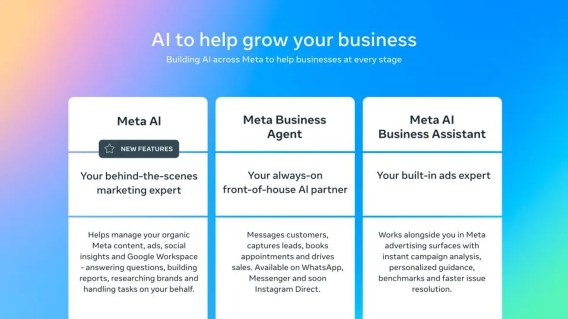
- Meta launches free AI tools for creators and small businesses with Facebook/Instagram analytics integration; enables automated content recommendations and campaign optimization for sellers using Meta advertising platforms


/bmi/media/media_files/NA4NscTeAZwYy9eTZg6i.jpg)







/ciol/media/media_files/2026/08/20/meta-brings-business-data-into-ai-for-small-businesses-2026-08-20-13-35-37.png)

Overview
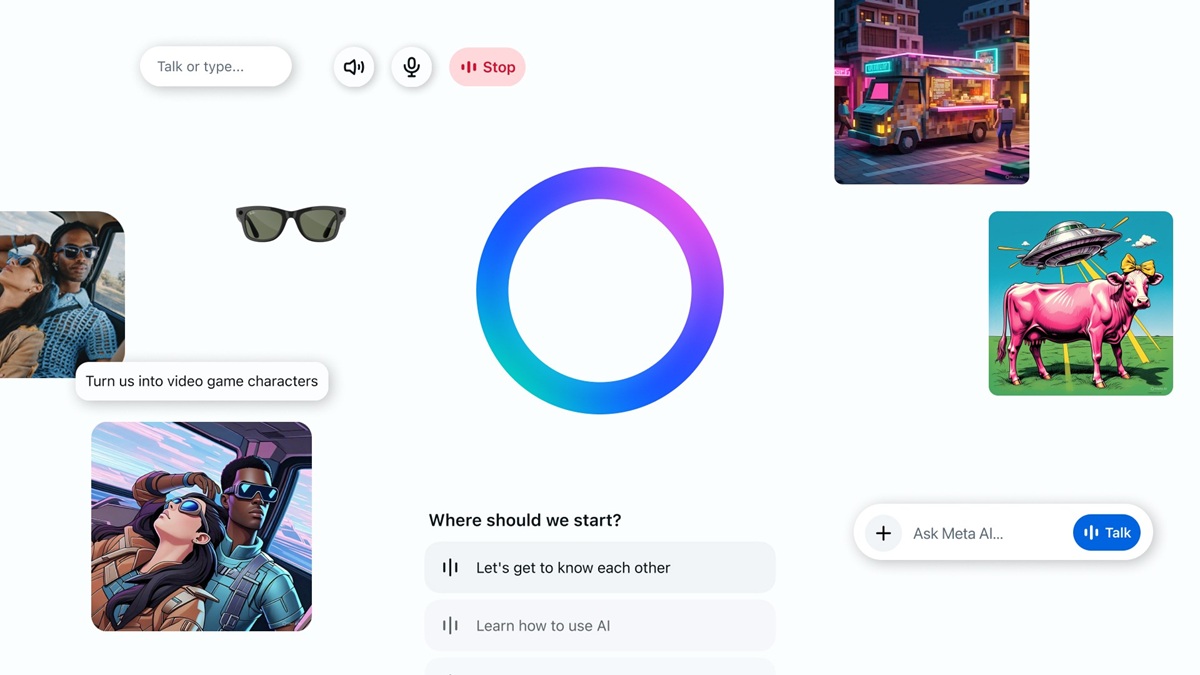
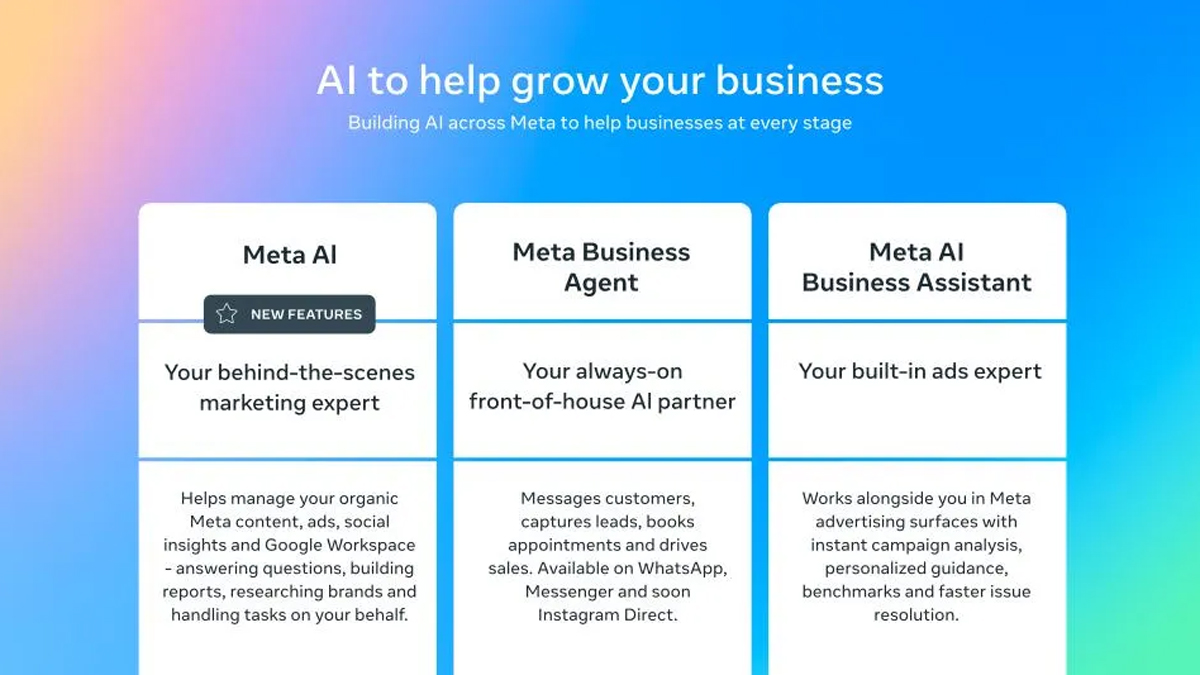
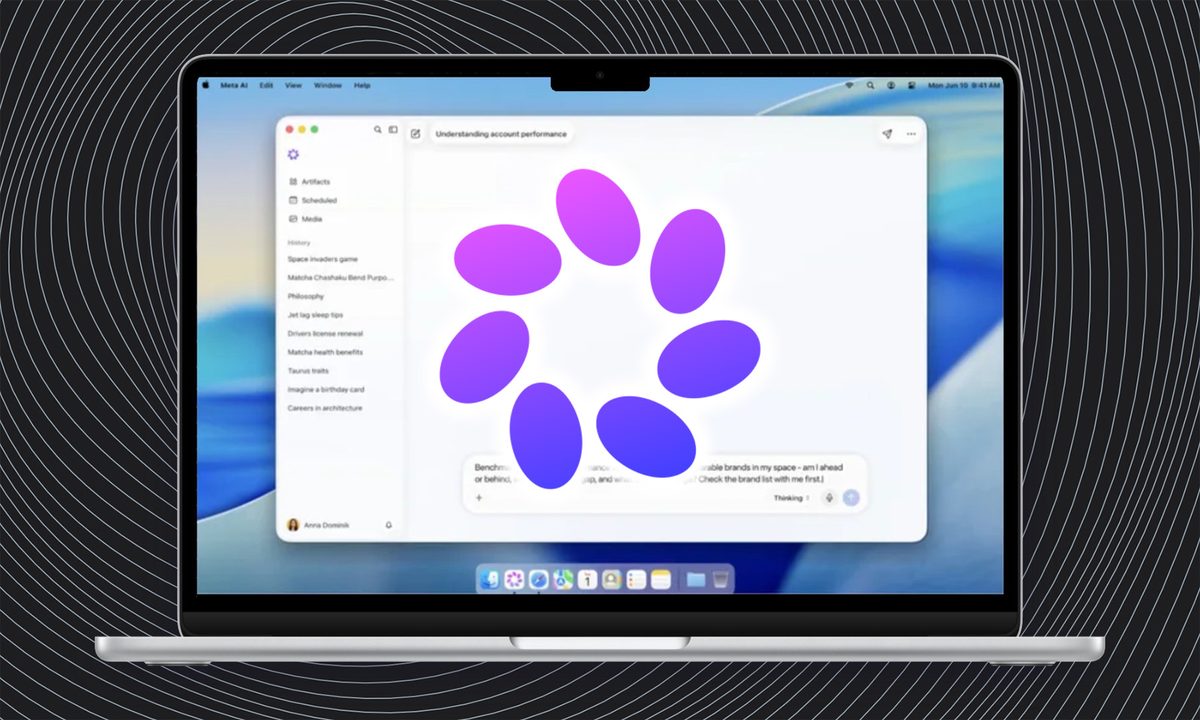
Meta has launched a comprehensive AI strategy targeting e-commerce sellers and small business owners through two integrated tools announced August 19, 2026: a dedicated Mac desktop application and an AI-powered SMB assistant. These tools directly address a critical pain point for online sellers—the time-intensive process of analyzing multi-source marketing data and optimizing campaigns without technical expertise.
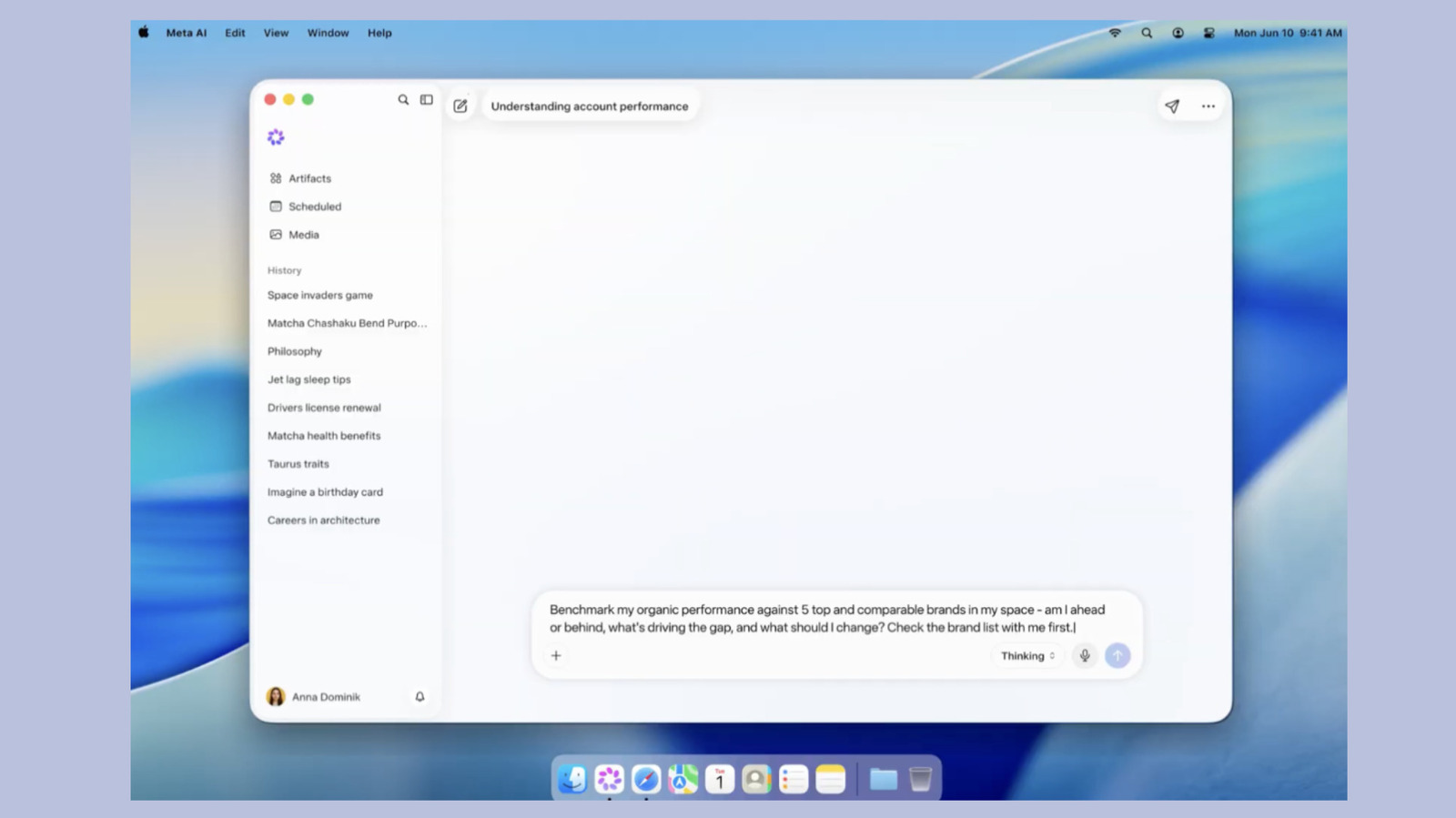
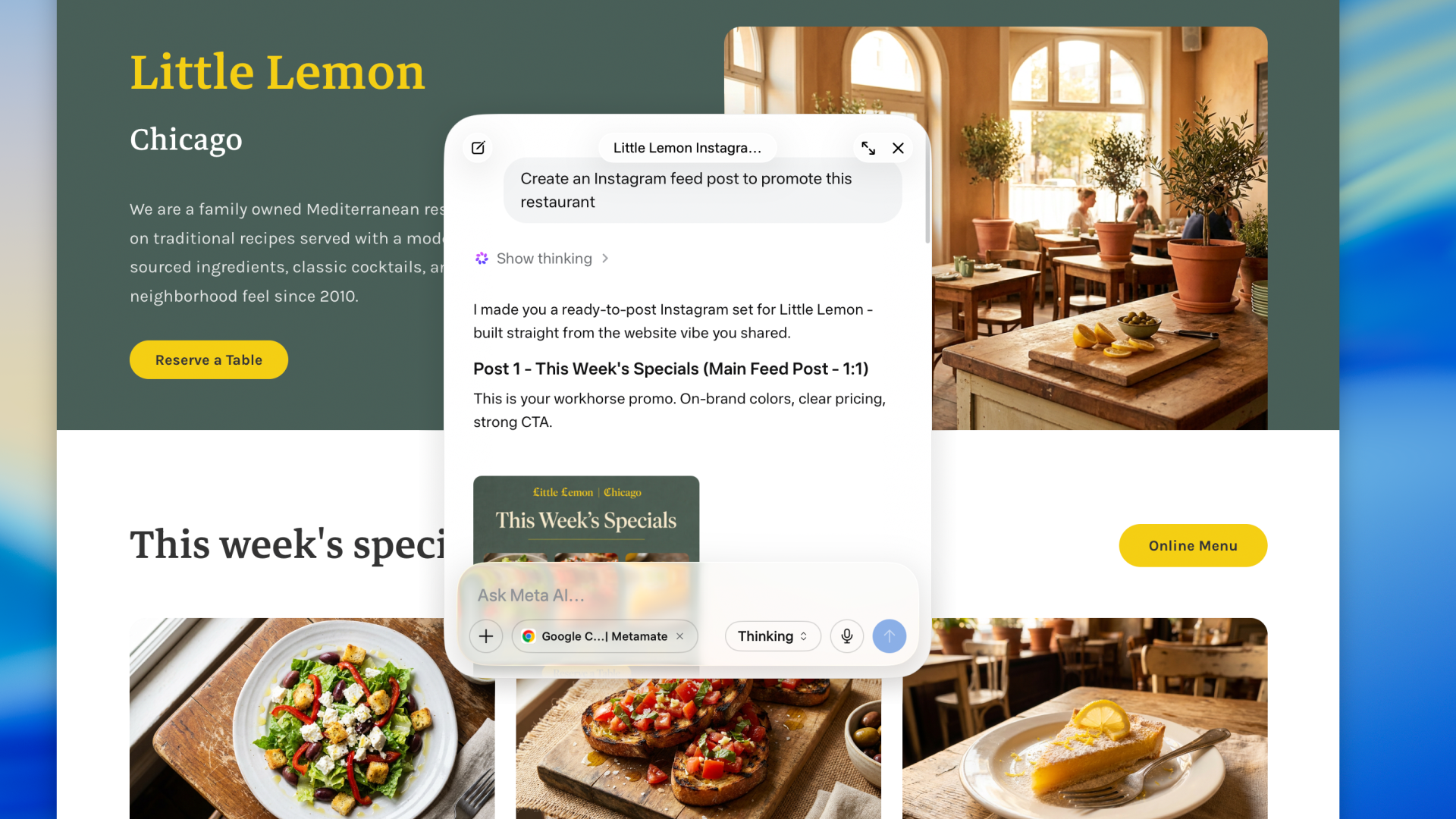
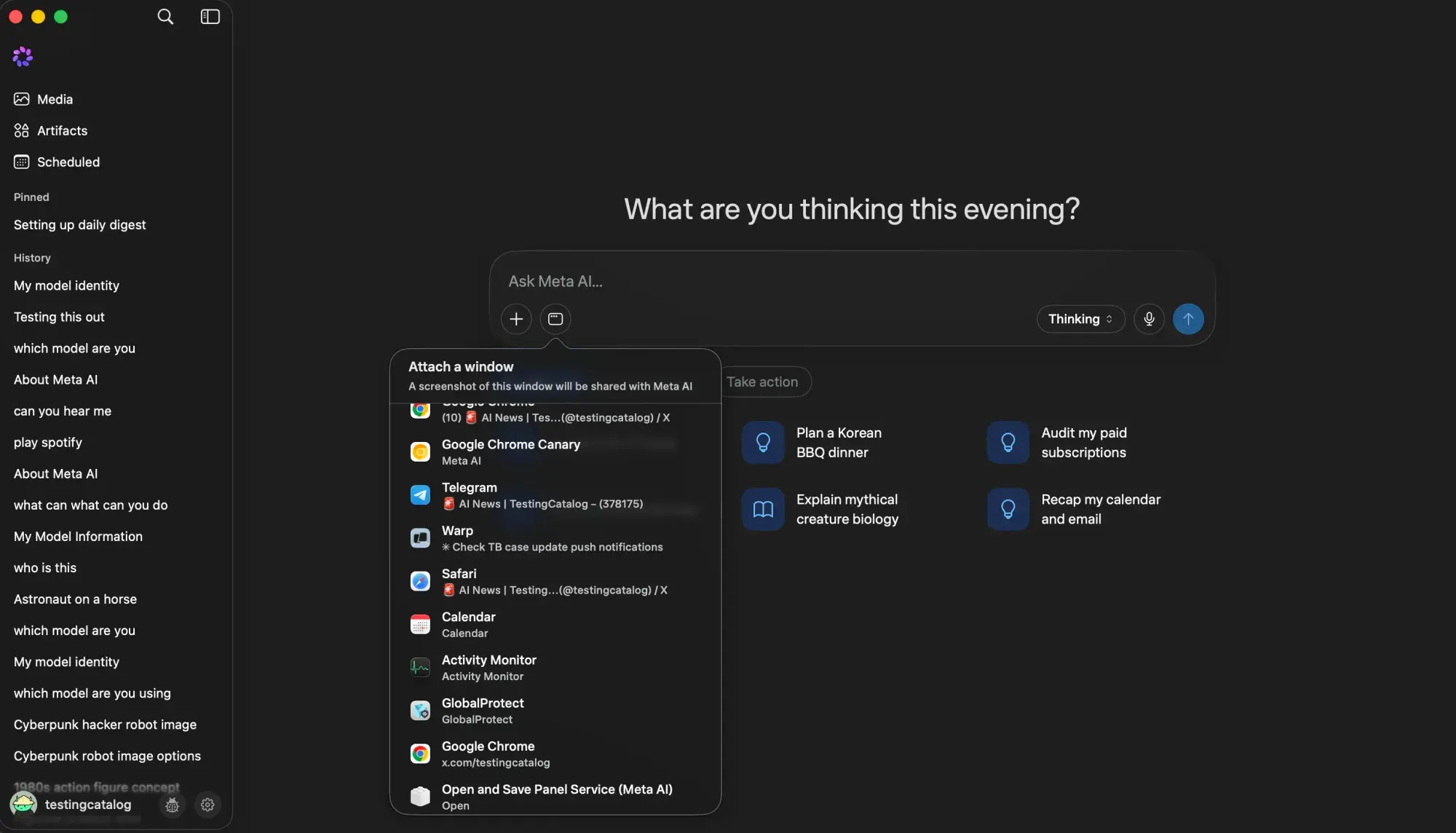
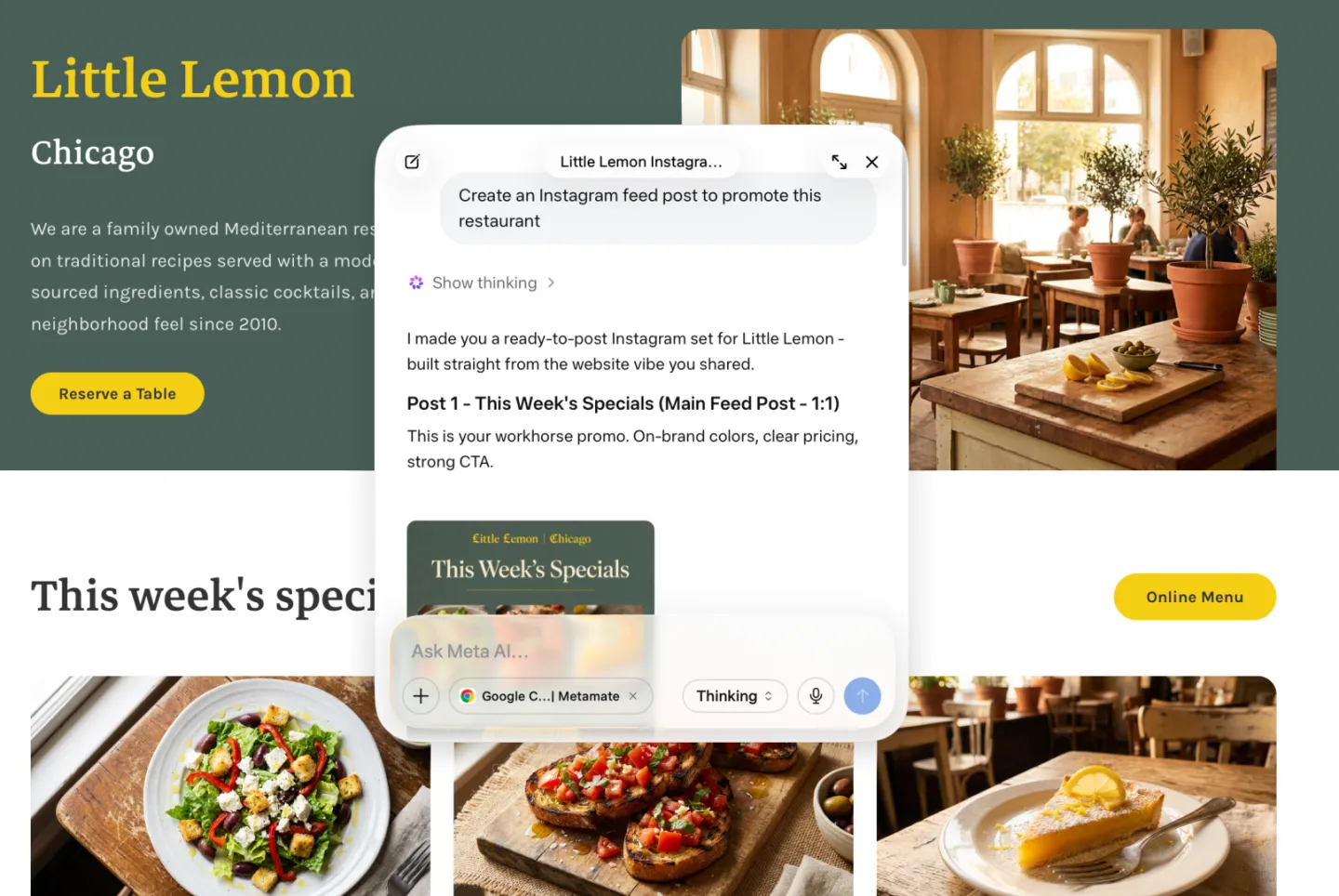
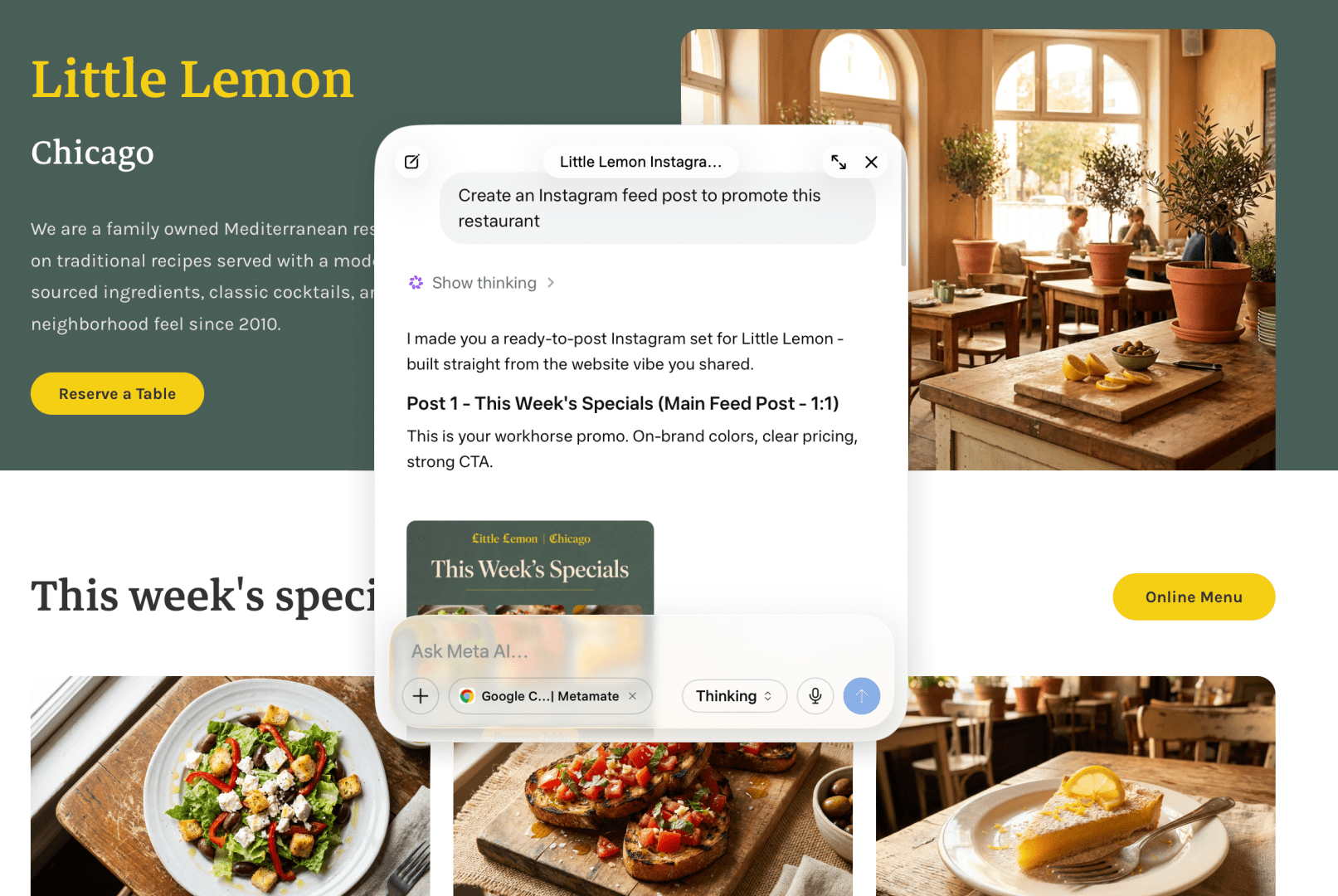
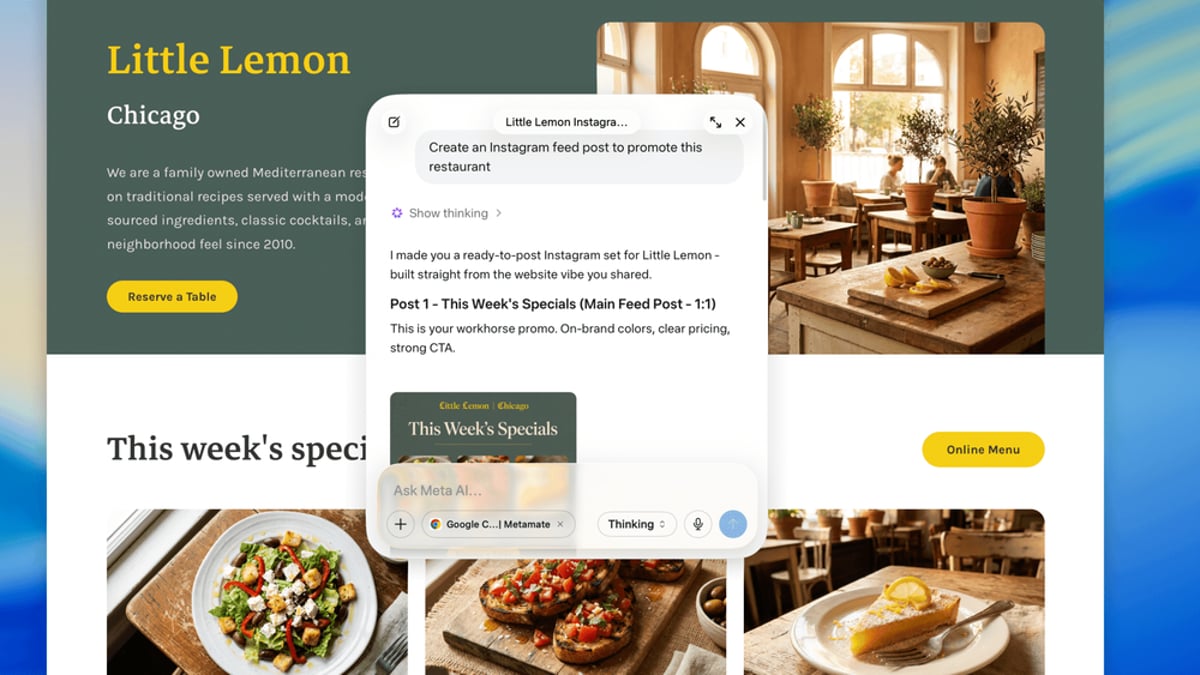
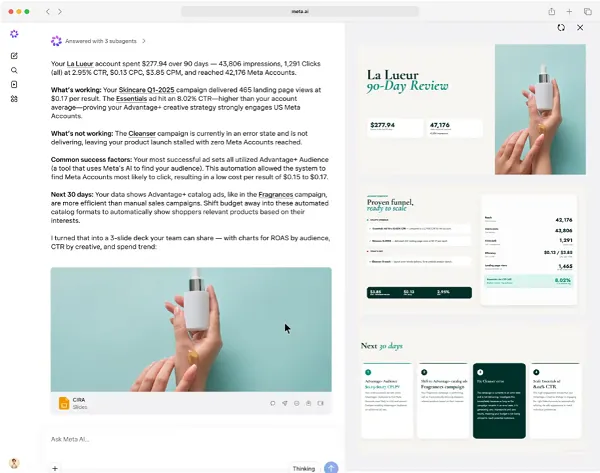
The immediate automation opportunity is substantial. The Meta AI Mac app enables sellers to automate 5-8 hours per week of manual analytics work by connecting Facebook, Instagram, and Google Workspace data into a single conversational interface. Sellers can request natural language prompts like "Which content types performed best on Instagram last week?" and receive automated weekly performance reports with optimization recommendations. This eliminates the need for manual spreadsheet creation, dashboard monitoring, and cross-platform data compilation—tasks that currently consume 20-30% of SMB marketing time according to industry benchmarks.
For e-commerce sellers specifically, the competitive advantage window is 3-6 months. Early adopters using Meta AI's screen-sharing and content analysis features can identify high-performing product categories 2-3 weeks faster than competitors still using manual analytics. The AI's ability to analyze post performance metrics (reach, likes, shares, saves) and generate targeted promotional messages directly translates to 8-15% faster campaign optimization cycles. Sellers managing 50+ SKUs across multiple product categories can reduce content testing time from 4-6 weeks to 2-3 weeks using AI-generated recommendations.
The monetization trajectory creates urgency. Meta is positioning this as "free-to-start" with expansion requiring subscription to Meta One. This adoption pattern mirrors enterprise SaaS playbooks—free access establishes user dependency before premium pricing. Sellers should expect feature limitations within 6-12 months, with advanced automation (Business Agent tools for campaign automation) requiring paid subscriptions. Early adoption at zero cost provides 6-12 months of competitive advantage before paywall implementation.
Data privacy considerations impact seller strategy. Meta's policy permits data shared with the company—including Google Workspace information—to be used for training AI systems and targeted advertising. Sellers handling sensitive business data should use Incognito Mode for confidential analytics, though this limits AI learning capabilities. This creates a trade-off: maximum AI accuracy requires data sharing, but data sharing enables Meta to train competing seller insights into the system.
Questions 8
What is the competitive advantage timeline for early adopters of Meta AI tools?
Early adopters have a 3-6 month window before Meta implements premium pricing through Meta One subscriptions. During this free-access period, sellers can identify high-performing product categories 2-3 weeks faster than competitors using manual analytics, enabling faster inventory allocation and promotional strategy adjustments. The AI's ability to analyze post performance metrics (reach, likes, shares, saves) and generate targeted promotional messages creates an 8-15% faster campaign optimization advantage. After the paywall, advanced automation features (Business Agent tools) will require paid subscriptions, making current free access a time-limited competitive moat.
How can e-commerce sellers use Meta AI Mac app to reduce marketing analysis time?
The Meta AI Mac app automates 5-8 hours weekly of manual analytics work by connecting Facebook, Instagram, and Google Workspace data into a single conversational interface. Sellers can request natural language prompts like 'Which products generated the most engagement last week?' and receive instant performance reports with optimization recommendations. The screen-sharing feature allows AI to analyze visible content and suggest improvements in real-time. For sellers managing 50+ SKUs, this reduces content testing cycles from 4-6 weeks to 2-3 weeks, directly improving campaign ROI and inventory turnover.