
Alibaba's $56B AI Investment Reshapes E-Commerce Platform | Seller Opportunity in AI-Powered Tools
- Alibaba commits 380 billion yuan ($56B) over 3 years to AI infrastructure; 75% profit decline signals near-term cost pressures but long-term platform improvements for sellers using Alibaba, AliExpress, and Taobao


















/Alibaba%20by%20Photo%20Agency%20via%20Shutterstock.jpg)



Overview
Alibaba's Strategic Pivot: From E-Commerce Leader to AI Infrastructure Provider
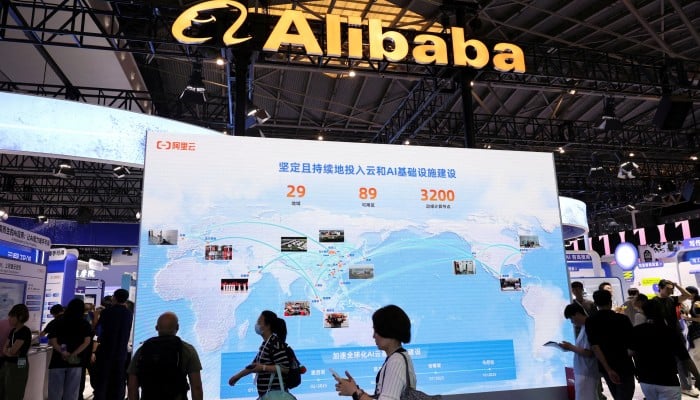
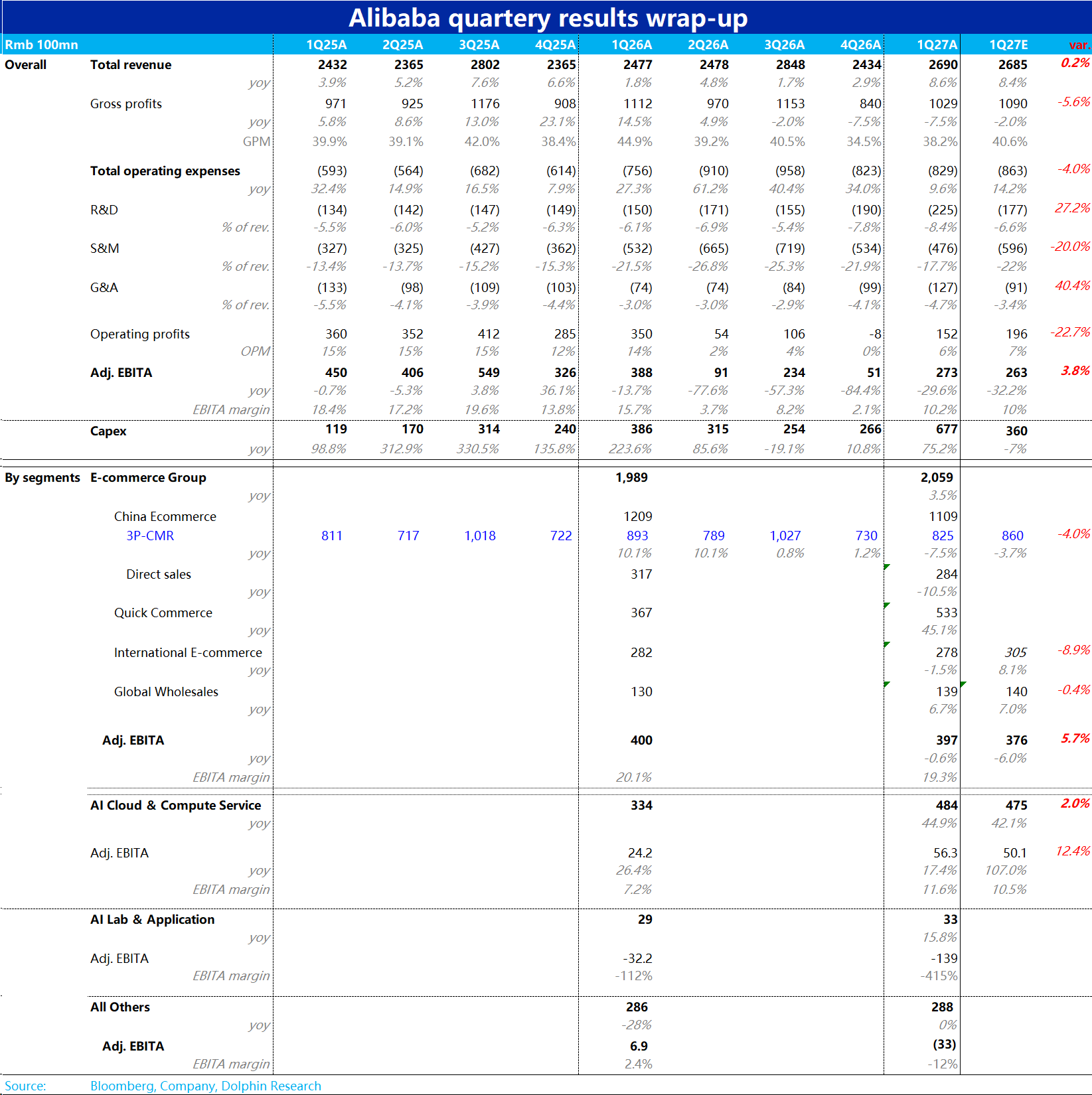
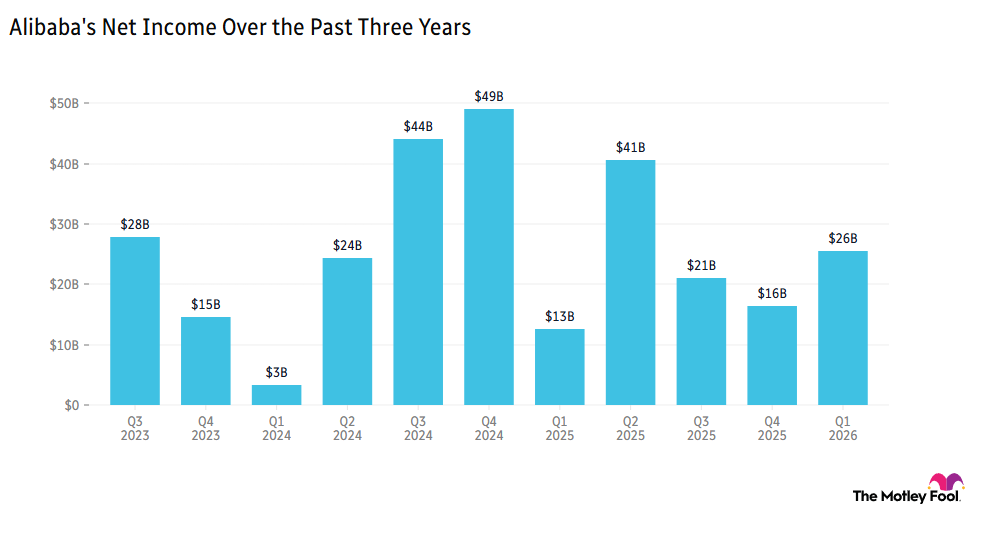
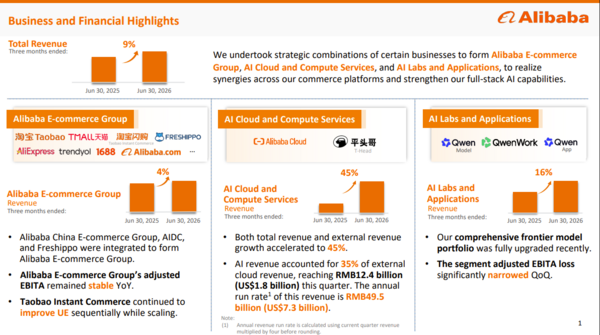
Alibaba Group's Q2 2025 earnings reveal a fundamental strategic transformation that directly impacts cross-border e-commerce sellers. The company reported a 9% revenue increase to 268.95 billion yuan ($37B USD) while net income plummeted 75% to 10.5 billion yuan ($1.6B), driven by aggressive capital expenditure of 67.7 billion yuan ($10B) in a single quarter—a 75% year-over-year surge. This investment reflects Alibaba's commitment to a 380 billion yuan ($56B) three-year AI infrastructure buildout, positioning the company to compete directly with Microsoft and Google in the global AI infrastructure race.
AI-Powered Platform Evolution: Immediate Seller Implications
The financial pressure is real and immediate. Alibaba's negative free cash flow of 44.7 billion yuan signals capital constraints that could influence platform fee structures and seller support resources in the near term (next 6-12 months). However, the company's cloud and AI services division generated 48.4 billion yuan in revenue with 45% year-over-year growth, and AI-related product revenue achieved triple-digit growth for the twelfth consecutive quarter. CEO Eddie Wu stated the company expects to break even on AI capex within three years, with half of the planned 380 billion yuan already deployed. This timeline is critical for sellers: expect platform fee increases or reduced seller incentives in 2025-2026, followed by AI-powered tool improvements in 2027-2028.
Competitive Intelligence: AI Tools and Automation Opportunities for Sellers
Alibaba's recent product launches—including the Qwen 3.8-Max AI model (comparable to Anthropic's Claude 3.5) and Qwen 3.8-27B for consumer hardware—signal the company's intent to embed AI capabilities directly into seller tools. The company previously raised AI computing and storage product prices by up to 34% in March 2025, indicating strong demand and market validation. For sellers using Alibaba's cloud services, this creates a critical window: sellers should immediately audit their cloud infrastructure costs and consider alternative providers (AWS, Google Cloud, Alibaba's competitors) before price increases accelerate. Simultaneously, sellers should monitor Alibaba's AI model-as-a-service offerings, which generated over 16 billion yuan in annual recurring revenue—suggesting the company will aggressively monetize AI tools for product research, pricing optimization, and customer service automation.
Platform Reorganization and Seller Segmentation
Alibaba's recent reorganization into four units (e-commerce, AI cloud and computing services, AI model applications, and other units) signals a deliberate separation of AI infrastructure from core e-commerce operations. This creates both risk and opportunity: sellers relying on Alibaba's e-commerce platforms (Alibaba.com, AliExpress, Taobao) may face reduced R&D investment in the near term as capital flows to AI infrastructure, but sellers who adopt Alibaba's AI tools early will gain competitive advantages in product discovery, dynamic pricing, and logistics optimization. The company's quick commerce business is expected to achieve profitability by fiscal 2029, indicating a 3-4 year runway for platform stabilization and feature development.
Market Context: China's Macroeconomic Headwinds
Alibaba explicitly acknowledged short-term macroeconomic challenges impacting China's domestic e-commerce landscape. This is critical for sellers: China-focused sellers should expect slower growth in 2025-2026 and should diversify to Southeast Asia, Latin America, and other emerging markets where Alibaba's AliExpress platform is expanding. Ant Group (Alibaba's fintech affiliate) reported only 1% year-over-year profit growth while pivoting toward agentic AI commerce, suggesting the company is betting on AI-driven automation to offset domestic market saturation.
Questions 8
What is the timeline for Alibaba's AI profitability, and what does it mean for sellers?
CEO Eddie Wu stated Alibaba expects to break even on AI capex within three years (by Q2 2028), with half of the 380 billion yuan already deployed. This means sellers should expect: (1) Platform fee increases or reduced incentives in 2025-2026 to offset capex; (2) Gradual AI tool rollouts in 2026-2027; (3) Improved platform profitability and seller support resources by 2028-2029. The company's quick commerce business targets profitability by fiscal 2029, suggesting a synchronized timeline for platform stabilization. Sellers should budget for 15-25% higher platform costs in 2025-2026, with ROI improvements expected by 2027-2028 through AI-powered automation.
How can sellers immediately capitalize on Alibaba's AI infrastructure investments?
Sellers should take three immediate actions: (1) Audit current Alibaba Cloud usage and costs before the next price increase (the company raised AI computing prices 34% in March 2025); (2) Monitor Alibaba's AI model-as-a-service offerings (16B yuan annual recurring revenue) and pilot tools for product research, pricing, and customer service; (3) Diversify to AliExpress and Taobao to spread platform risk. Sellers using Alibaba's cloud services should compare costs with AWS and Google Cloud NOW, before Alibaba's pricing accelerates further. Early adopters of Alibaba's AI tools will gain competitive advantages in product discovery and dynamic pricing by 2026-2027, creating a 12-18 month window for competitive differentiation.