




Crypto Clarity Act Regulatory Momentum | Payment Processing & Fintech Seller Opportunities
- Trump's advocacy for cryptocurrency securities/commodities classification creates payment processing opportunities for 50K+ cross-border sellers; Bitcoin surge to $71,505 signals consumer confidence in digital asset adoption









Overview
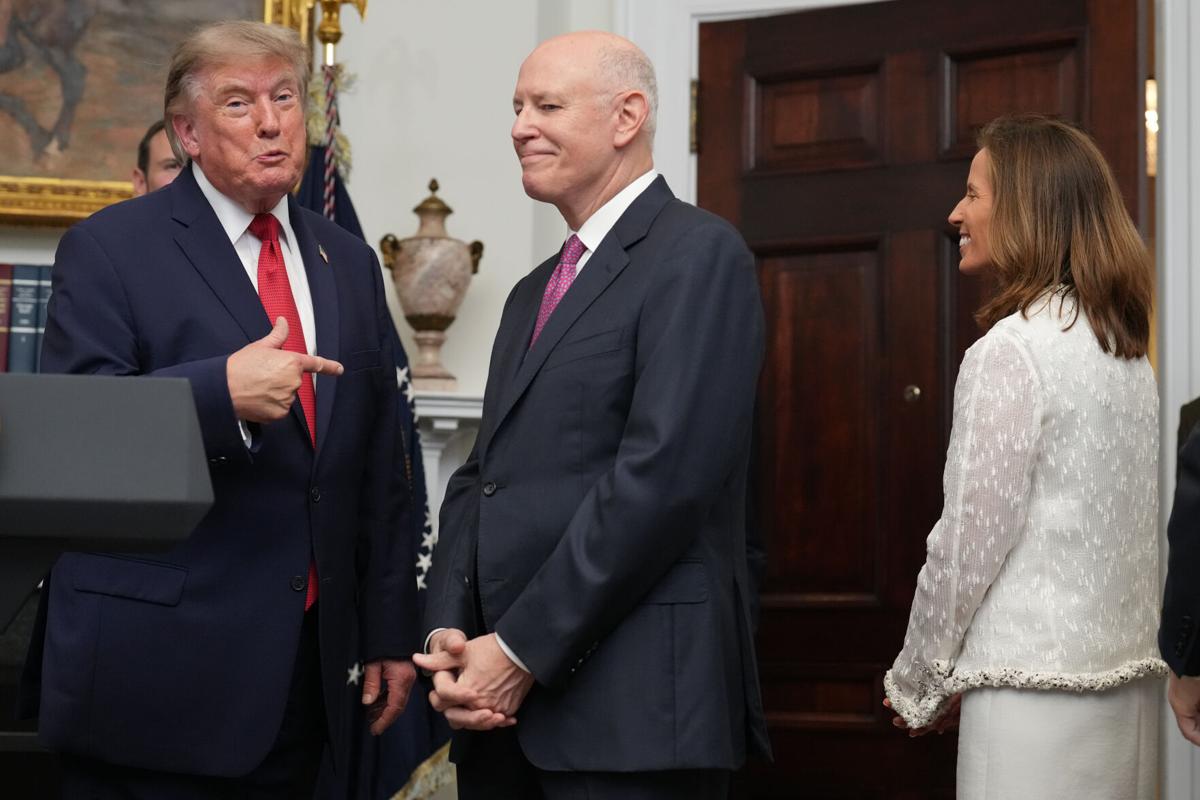
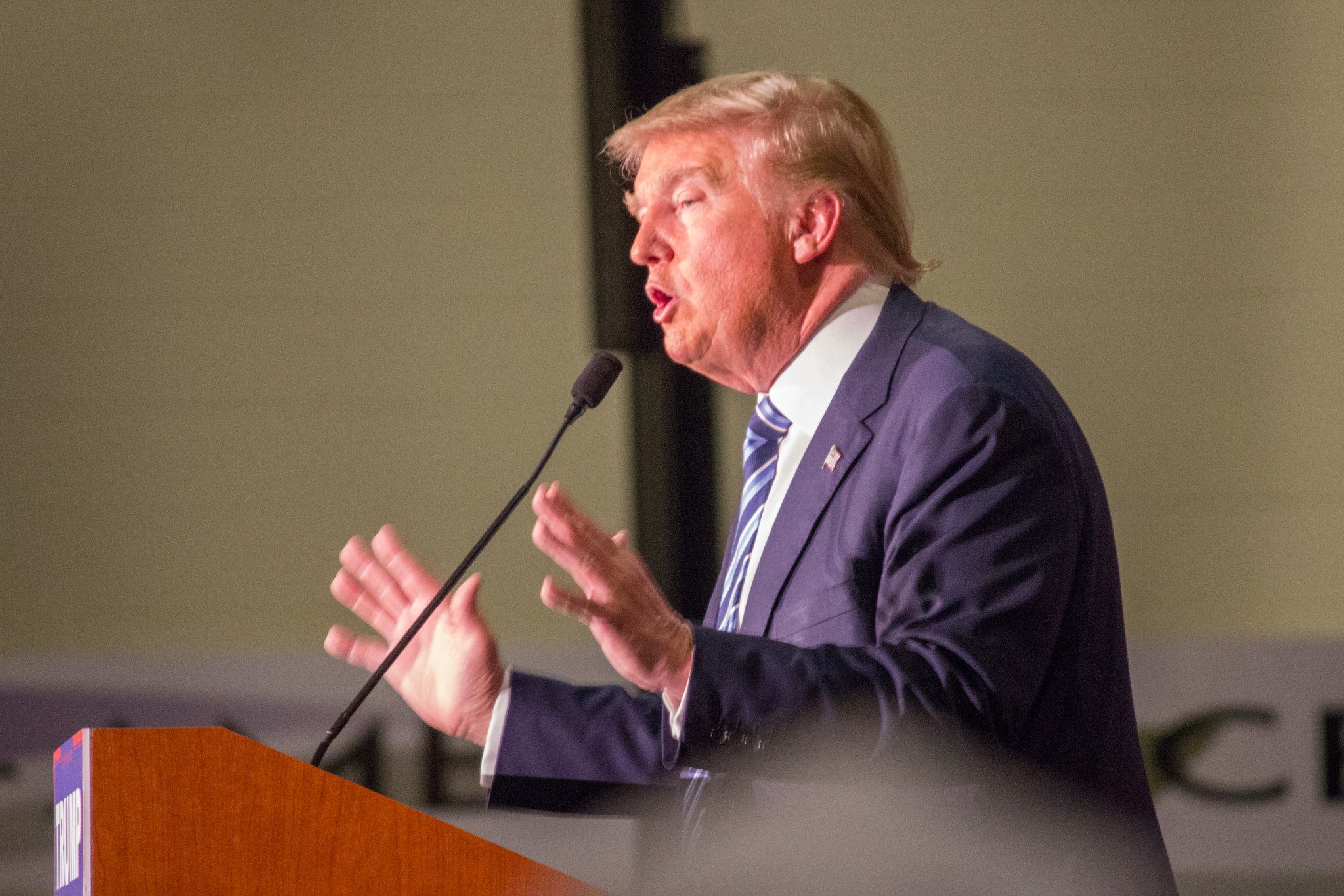
The August 20 cryptocurrency market surge following President Trump's advocacy for the Clarity Act represents a critical regulatory inflection point with direct implications for cross-border e-commerce payment infrastructure and seller financial services. Bitcoin's 3.48% jump to $71,505 and Ether's 2.46% gain to $2,272 reflect broader market confidence in pending legislation that would define cryptocurrencies as either securities or commodities—clarifying jurisdictional boundaries between the SEC and CFTC. This regulatory clarity directly impacts e-commerce sellers' payment processing options, particularly for international transactions where traditional banking infrastructure remains fragmented.
For cross-border sellers, the Clarity Act's potential passage creates three immediate opportunities: First, cryptocurrency payment acceptance could reduce cross-border transaction costs by 2-4% compared to traditional wire transfers and credit card processing (which typically charge 3-5% for international payments). Platforms like Shopify and WooCommerce are already integrating crypto payment gateways; sellers accepting Bitcoin/Ethereum could capture price-sensitive international customers, particularly in emerging markets where traditional banking access is limited. Second, the regulatory clarity reduces operational uncertainty for fintech payment processors serving e-commerce—companies like Circle (up 3.8%) and Coinbase (up 6.05%) are expanding merchant services. Sellers using these platforms for multi-currency settlement could see faster fund availability (24-48 hours vs. 5-7 days for traditional ACH). Third, the legislation's passage would enable crypto-denominated invoicing for B2B wholesale transactions, particularly valuable for sellers sourcing from Asia where cryptocurrency adoption is highest.
However, legislative passage faces significant obstacles. Multiple Democrats and Republicans oppose the bill without stronger provisions preventing political officials from profiting from crypto ventures—Trump disclosed $1.4 billion in family crypto earnings in 2025, intensifying conflict-of-interest concerns. This political uncertainty means the Clarity Act's timeline remains unpredictable; sellers should not restructure payment infrastructure based on assumed passage. The Treasury's modest bond buyback announcement signals broader support for risk assets, but this doesn't guarantee congressional action. Analysts note the crypto rally partly reflects technical short-covering rather than fundamental legislative confidence, suggesting the August 20 surge may not sustain without concrete legislative progress.
Actionable seller implications: Sellers should monitor Clarity Act progress through congressional tracking sites (Congress.gov) and evaluate crypto payment integration as a 6-12 month strategic option rather than immediate necessity. For sellers with significant international customer bases (particularly in Southeast Asia, Latin America, and Africa), pilot programs accepting stablecoin payments (USDC, USDT) on Shopify or WooCommerce could reduce payment friction without waiting for full regulatory clarity. Sellers should avoid making major payment infrastructure investments until the Clarity Act reaches committee vote stage, expected in Q4 2025 or Q1 2026.
Questions 8
What is the timeline for Clarity Act passage and seller implementation?
The Clarity Act faces significant legislative obstacles despite Trump's August 20 advocacy. Multiple Democrats and Republicans oppose the bill without stronger conflict-of-interest provisions (Trump disclosed $1.4 billion in family crypto earnings in 2025). Congressional passage is expected in Q4 2025 or Q1 2026 at earliest, pending committee negotiations. Sellers should treat crypto payment integration as a 6-12 month strategic option rather than immediate necessity. Pilot programs with stablecoins on Shopify can begin now without waiting for full regulatory clarity.
How does Bitcoin's August 20 surge to $71,505 affect seller payment processing?
Bitcoin's 3.48% jump and Ether's 2.46% gain to $2,272 reflect market confidence in Clarity Act passage, signaling growing institutional acceptance of cryptocurrency. This price momentum encourages payment processors (Coinbase, Circle, Robinhood) to expand merchant services, increasing seller access to crypto payment gateways. However, analysts note the rally partly reflects technical short-covering rather than fundamental legislative certainty. Sellers should not assume sustained price momentum guarantees regulatory passage; payment infrastructure decisions should be based on congressional progress, not price volatility.