


Walmart Sales Miss Signals Consumer Pullback | Offline Retail Crisis & O2O Opportunity
- Store traffic drops 50% (1.5% vs 3% YoY) as fuel costs exceed $4/gallon; discretionary spending collapses while e-commerce surges 24% with same-day delivery dominance















Overview
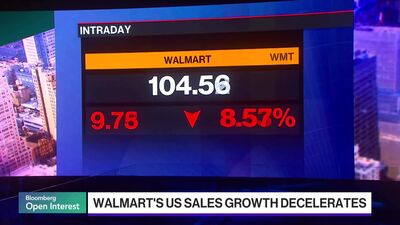
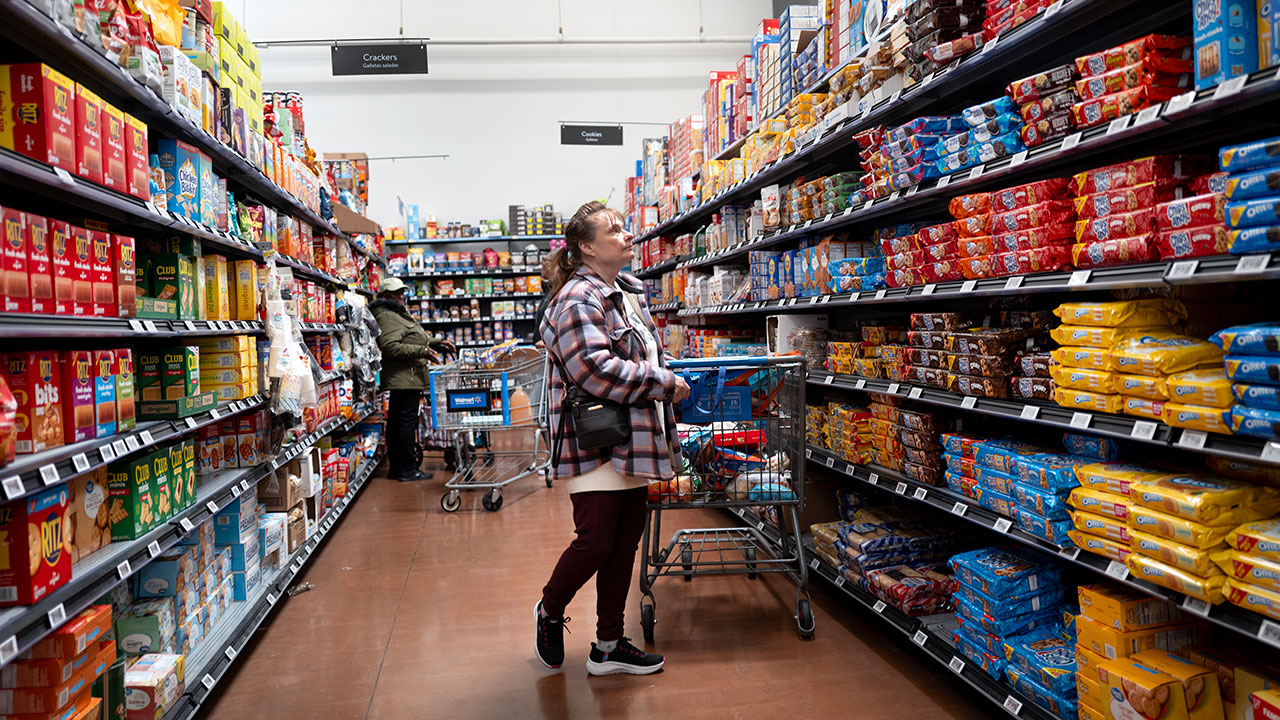
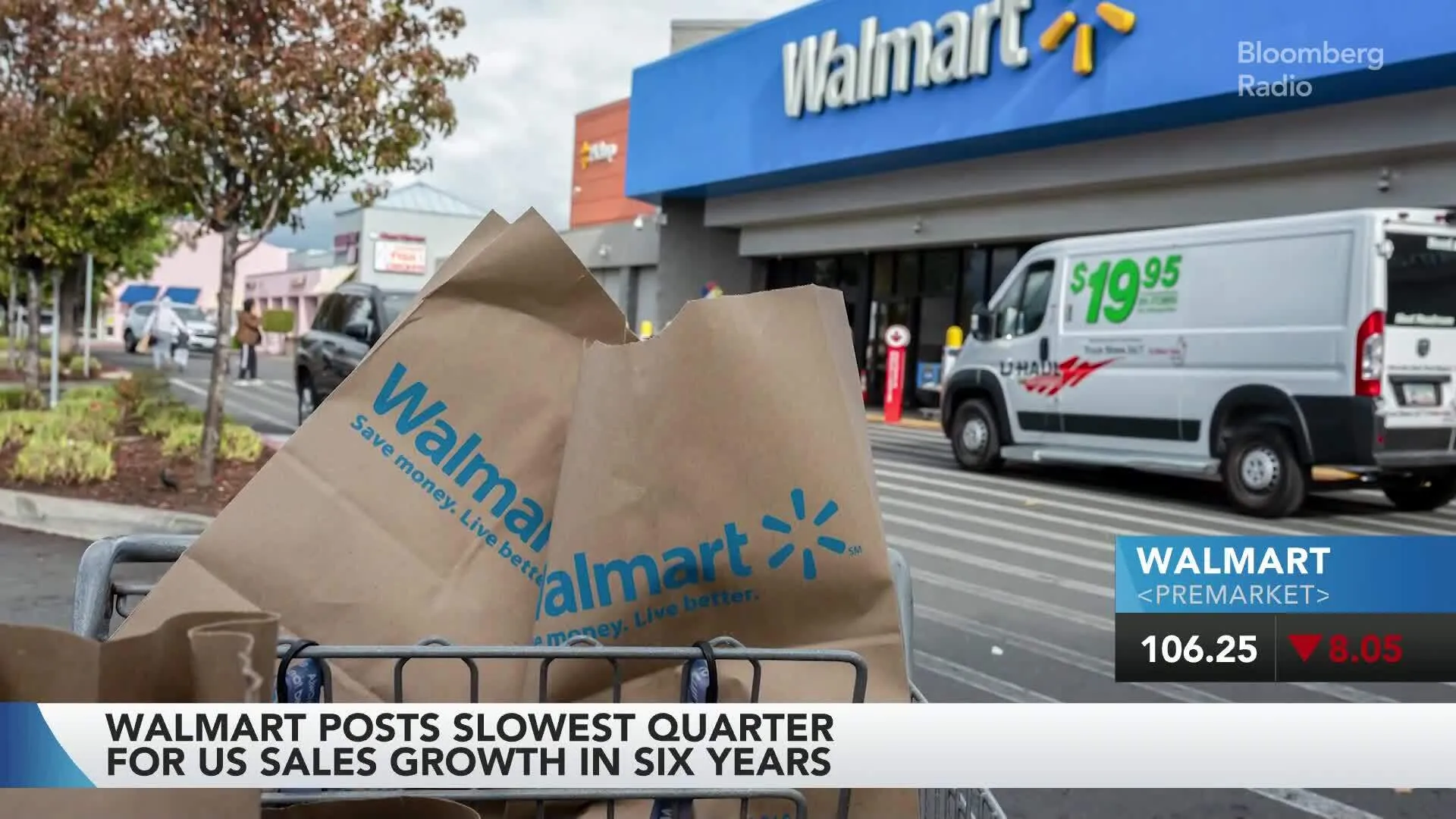
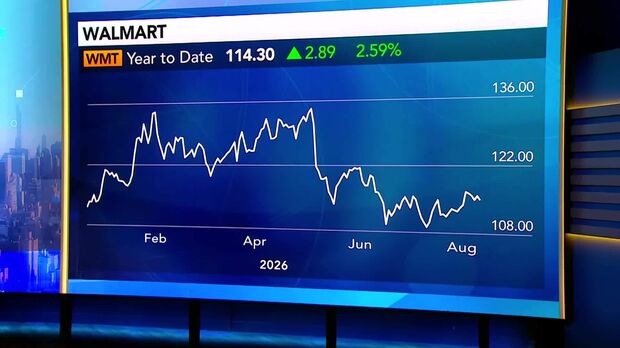
Walmart's first quarterly comparable sales miss in 5+ years reveals a critical inflection point for physical retail and offline-to-online (O2O) strategies. The retail giant reported U.S. same-store sales growth of just 2.6% against 3.8% estimates, with store traffic decelerating dramatically to 1.5% in Q2 from 3% in Q1—a 50% traffic collapse. Average transaction spending plummeted to 1.1% growth from 3.1% year-over-year, signaling severe consumer pullback on discretionary categories. Fuel prices exceeding $4 per gallon are forcing price-sensitive shoppers to prioritize essentials (groceries, household staples) over non-essential purchases, creating a bifurcated retail landscape.
The offline retail crisis presents a paradoxical O2O opportunity for cross-border sellers and brands. While Walmart's core in-store business deteriorates, the company's e-commerce sales surged 24% with 70% of orders delivered same-day or better, and Walmart Connect advertising revenue grew 43%—demonstrating that consumers haven't abandoned shopping, they've shifted channels. This creates immediate opportunities for sellers to establish low-cost offline touchpoints (pop-ups, showrooms, retail partnerships) in high-traffic urban centers where consumers still visit for essentials. Cities with dense grocery/pharmacy foot traffic (New York, Los Angeles, Chicago, Miami) offer ideal venues for experiential retail linked to value-oriented product categories. Sellers can leverage Walmart's $2.9B tariff refund reinvestment into price reductions as a signal: the market is consolidating around ultra-competitive pricing and efficient logistics. Brands offering 20-30% price advantages through direct-to-consumer O2O models can capture share from traditional retail.
For marketplace sellers on Walmart, Amazon, and eBay, the consumer spending shift demands immediate inventory and pricing recalibration. Discretionary categories (electronics, home décor, apparel, beauty) face 15-25% demand compression, while essentials (groceries, health/wellness, home supplies) show resilience. Sellers should immediately audit inventory allocation: reduce SKUs in discretionary categories by 20-30%, reallocate capital to value-oriented and necessity-based segments. Margin compression is accelerating—Walmart cut prices on 11,000 items this quarter alone—forcing sellers to either match aggressive pricing or exit categories. However, the 43% growth in Walmart Connect advertising signals that sponsored product placements remain effective for capturing price-conscious shoppers. Sellers should increase PPC budgets by 15-20% targeting value-conscious keywords ("budget," "affordable," "deals") while reducing spend on premium/luxury positioning. The fuel cost impact also affects fulfillment economics: shipping costs will rise 8-12% for sellers using standard logistics. Consider shifting 25-40% of inventory to regional 3PL providers near major consumption centers to reduce last-mile costs and enable same-day delivery capabilities that match Walmart's competitive advantage.
Questions 8
Which product categories should sellers prioritize given the consumer spending slowdown?
Sellers should immediately shift inventory toward essentials and value-oriented categories: groceries, health/wellness, home supplies, and budget-friendly apparel. Walmart's data shows consumers are prioritizing essentials over discretionary purchases due to $4+ fuel prices. Discretionary categories (electronics, home décor, premium beauty, fashion) face 15-25% demand compression. However, within discretionary categories, value-oriented subcategories (budget electronics, DIY home improvement, affordable fashion) remain resilient. Sellers should reduce SKUs in premium/luxury segments by 20-30% and reallocate capital to value-oriented variants. The back-to-school and holiday seasons ahead will test whether consumers return to discretionary spending or remain cautious.
How can sellers establish offline retail presence to capitalize on this market shift?
The store traffic collapse creates a paradoxical O2O opportunity: while traditional retail struggles, consumers still visit high-traffic locations (grocery stores, pharmacies, urban centers). Sellers can establish low-cost pop-up showrooms or kiosks in cities with dense foot traffic (New York, Los Angeles, Chicago, Miami) to build brand trust and drive online conversions. Pop-ups linked to value-oriented product categories (budget electronics, affordable home goods, health products) can achieve 30-50% higher conversion rates than pure online. Partner with grocery chains or pharmacy retailers to co-locate showrooms near checkout areas where price-conscious shoppers congregate. Typical pop-up costs range $2,000-5,000/month for 200-400 sq ft in secondary retail locations, with expected ROI of 2-3x within 90 days if linked to online sales funnels.