
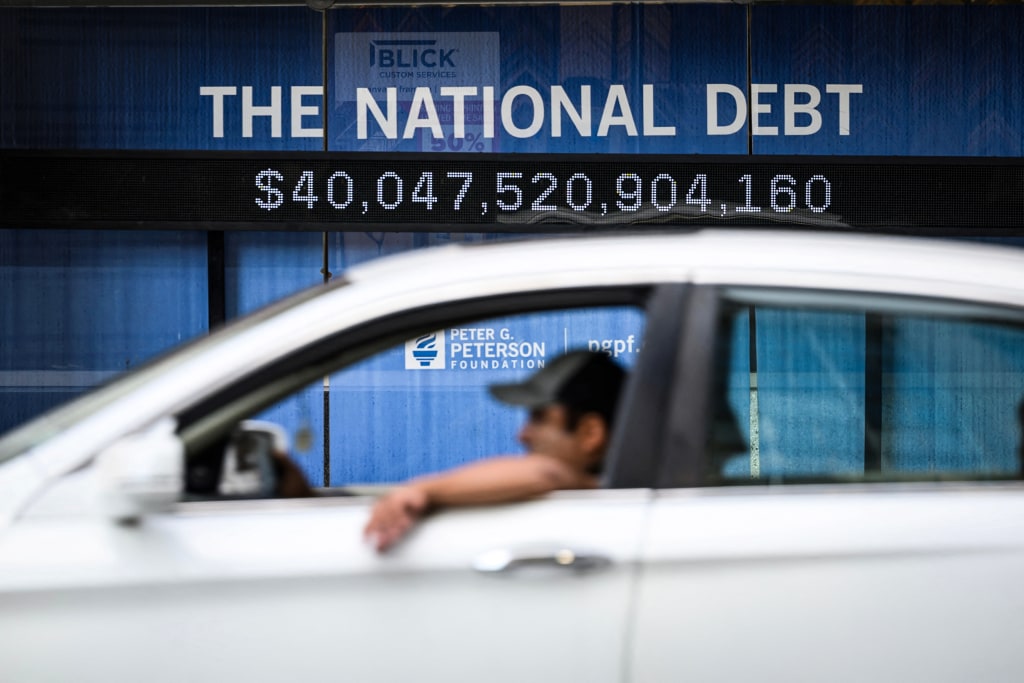


U.S. $40 Trillion Debt Crisis | Tariff Policy Shifts & Seller Risk
- Federal debt surge triggers $2T+ annual deficits, reshaping tariff policies and currency volatility for cross-border sellers in 2025








Overview
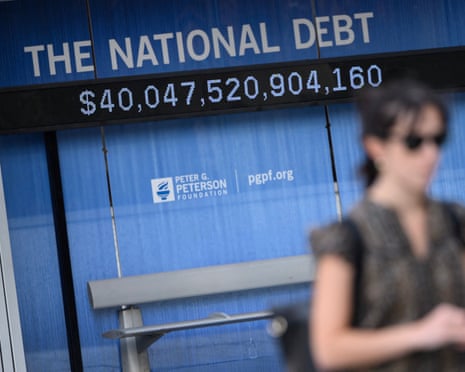
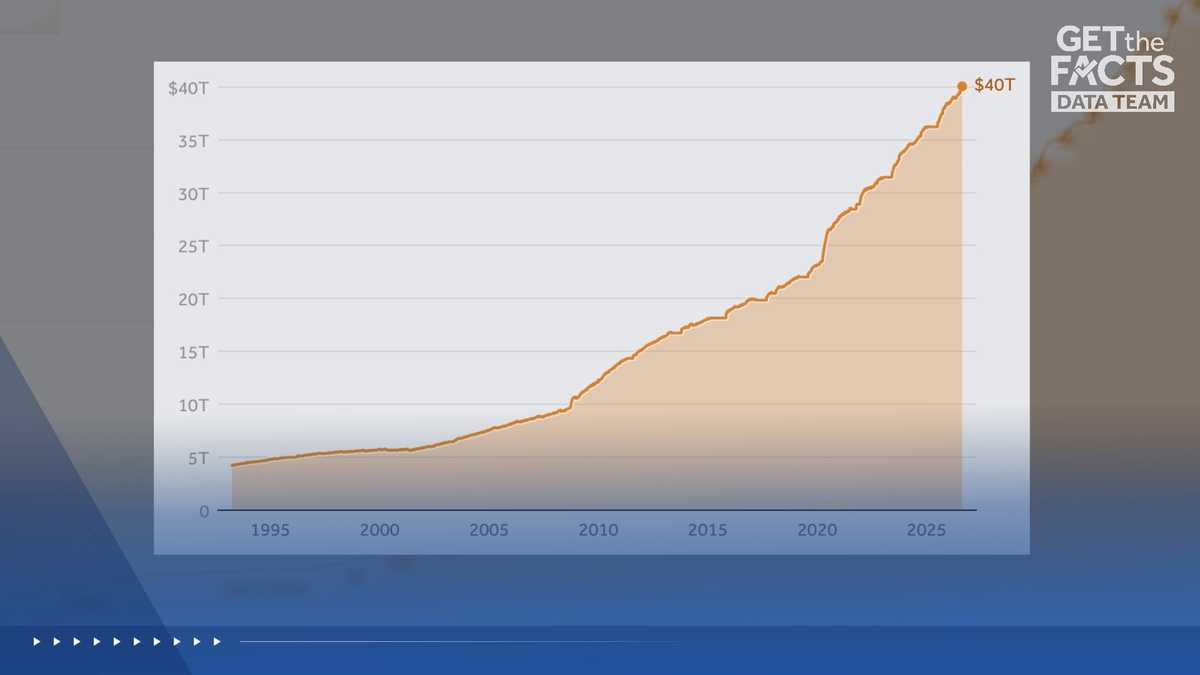
The U.S. federal government's accumulated debt has surpassed $40 trillion for the first time, with Treasury Department data revealing a structural fiscal crisis that directly impacts cross-border e-commerce operations. Government spending is projected to exceed tax revenues by more than $2 trillion in 2025 alone, while interest payments consume over $1 trillion annually—15% higher than the previous year. This debt trajectory occurs during relative economic prosperity, creating a paradoxical situation where diminished fiscal flexibility may force aggressive policy responses, including tariff restructuring and trade regulation changes.
For cross-border sellers, this fiscal stress creates three immediate operational risks: First, currency volatility is likely to intensify as the U.S. dollar faces pressure from sustained deficits, affecting profit margins for sellers pricing in USD while sourcing internationally. A 5-10% currency swing could compress margins by $200-500 per $10K in monthly sales. Second, tariff policy uncertainty is elevated—the Trump administration's fiscal pressures may accelerate protectionist measures to generate revenue, particularly targeting electronics (HS 8471-8517), apparel (HS 6204-6206), and home goods (HS 9406-9406) categories where tariff rates could increase 15-25% within 12 months. Third, consumer purchasing power erosion is inevitable; inflation pressures from debt servicing costs will reduce discretionary spending, particularly affecting luxury goods, home décor, and non-essential electronics categories that depend on middle-income buyers.
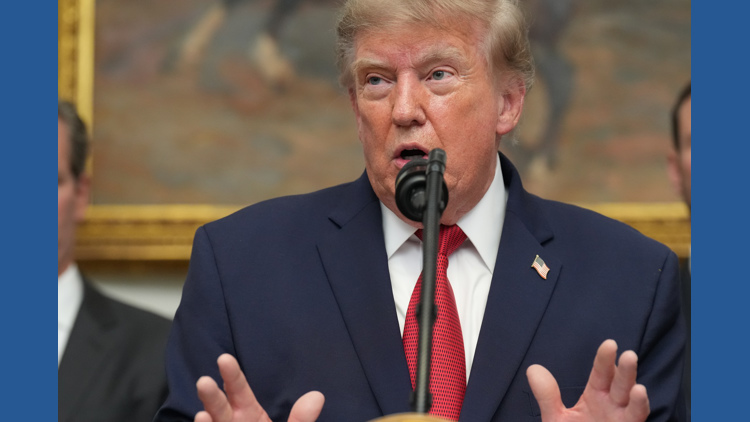
The policy response timeline is critical: With $2T+ annual deficits and compounding interest obligations, policymakers face pressure to act within 6-12 months. Historical precedent suggests fiscal crises trigger tariff increases (2018-2019 trade war model) or supply chain reshoring mandates. Sellers should anticipate tariff rate changes by Q2-Q3 2025, with potential retroactive compliance requirements. The Trump administration's focus on trade policy (referenced through America First Policy Institute involvement) signals heightened probability of aggressive tariff action targeting China-sourced goods and specific categories. Sellers sourcing from Vietnam, India, or Mexico may gain competitive advantage if tariffs on Chinese imports increase 20-30%, creating arbitrage opportunities for sellers who can shift supply chains within 3-6 months.
Consumer behavior shifts are already emerging: Reduced purchasing power typically drives demand toward value-oriented categories (budget electronics, discount apparel, home essentials) while luxury segments contract 15-25%. Sellers in budget-friendly product lines (under $50 price points) should expect 8-12% demand growth, while premium categories face headwinds. The political uncertainty (referenced Census Bureau controversy) adds regulatory risk—sellers must monitor compliance requirements across state-level trade policies and potential new tariff classifications.
Questions 8
How does the $40 trillion U.S. debt crisis affect tariff rates for cross-border sellers?
The $40 trillion debt and $2 trillion annual deficit create fiscal pressure that historically triggers protectionist tariff increases. The Trump administration's focus on trade policy (referenced through America First Policy Institute involvement) suggests tariff rates could increase 15-25% on Chinese imports and specific categories like electronics (HS 8471-8517) and apparel (HS 6204-6206) within 6-12 months. Sellers should monitor USITC tariff schedules monthly and consider supply chain diversification to Vietnam, India, or Mexico where tariff rates may remain lower. A 20% tariff increase on $50K monthly imports equals $10K in additional costs—directly compressing seller margins by 8-15% unless prices increase.
Should sellers increase prices to offset tariff and currency headwinds in 2025?
Price increases face headwinds from consumer purchasing power erosion (8-12% discretionary spending decline), but selective increases are justified for tariff-exposed categories. Strategy: increase prices 5-8% on budget-friendly products (under $50) where demand remains resilient, hold prices on premium categories (facing 15-25% demand contraction), and implement dynamic pricing on Amazon based on tariff rate changes. Monitor competitor pricing weekly—early movers capture margin gains before price wars emerge. Expect 2-4 week lag before competitors match price increases. Sellers who increase prices by 6% on $50K monthly sales gain $3K additional monthly revenue, offsetting tariff increases of $5K-10K if volume declines 10-15%. Use Amazon's pricing tools and eBay's dynamic pricing features to optimize margins in real-time.