


China's Humanoid Robot Boom: $15-20B Market Opportunity for E-Commerce Sellers by 2030
- China dominates 97% of global humanoid robot shipments; deliveries projected to surge from 12,000 units (2023) to 446,000 units (2030), creating supply chain, logistics automation, and B2B marketplace opportunities for cross-border sellers































/Humanoid%20robot%20machines%20assembled%20on%20factory%20floor%20by%20tete_escape%20via%20Adobe%20Stock.jpeg)
Overview
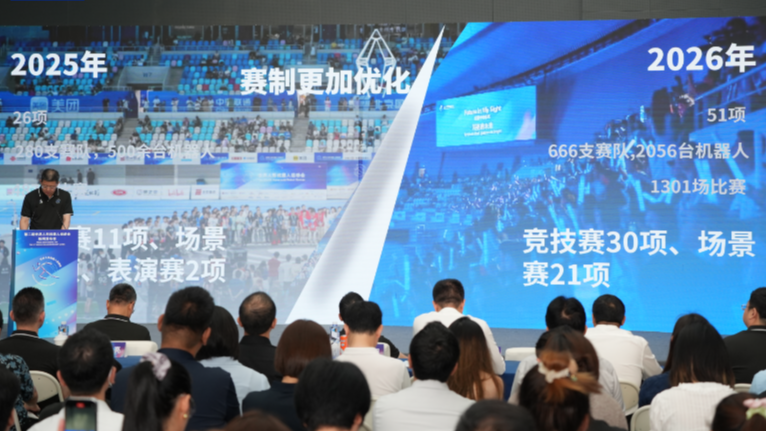
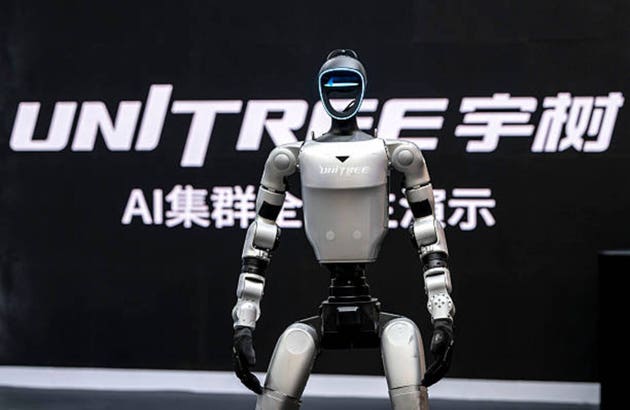
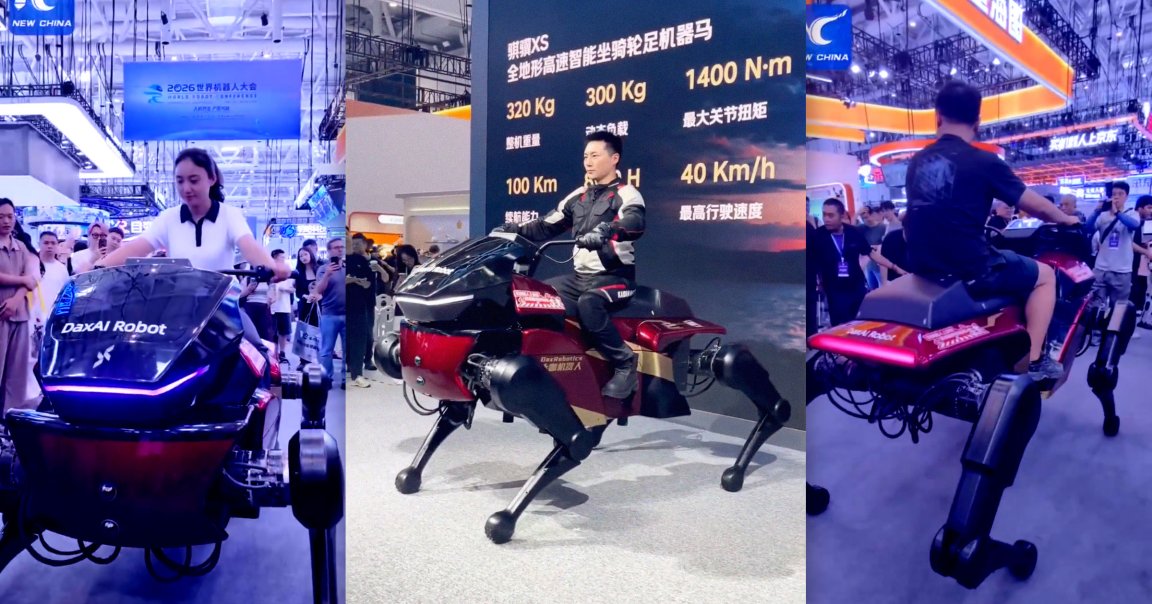
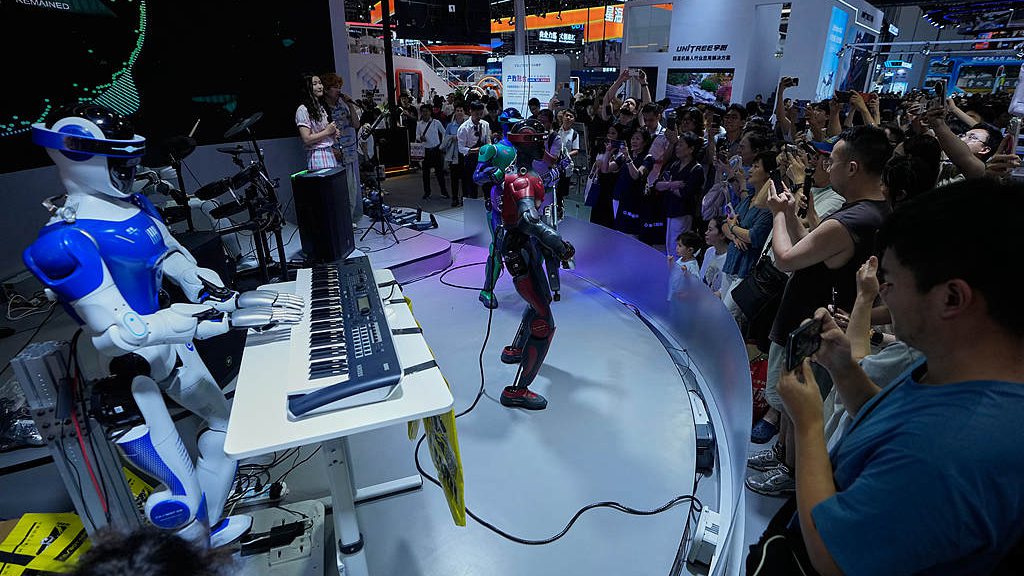
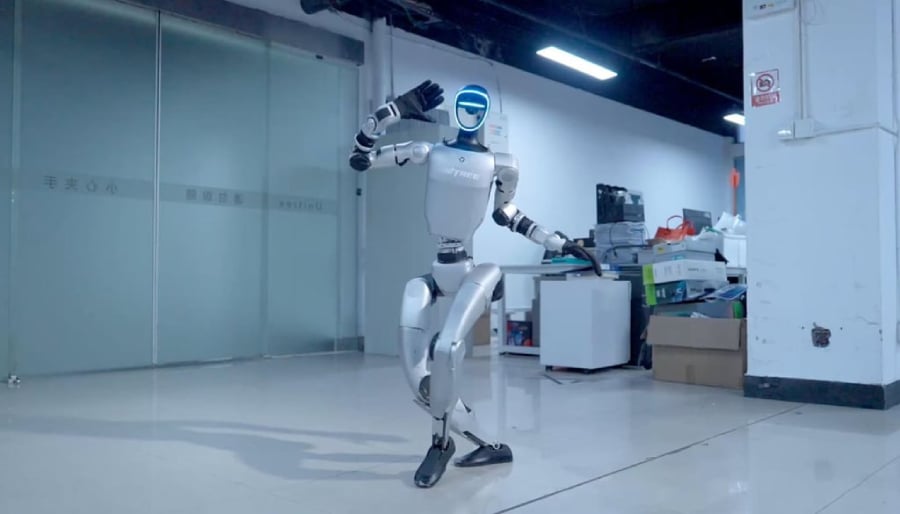
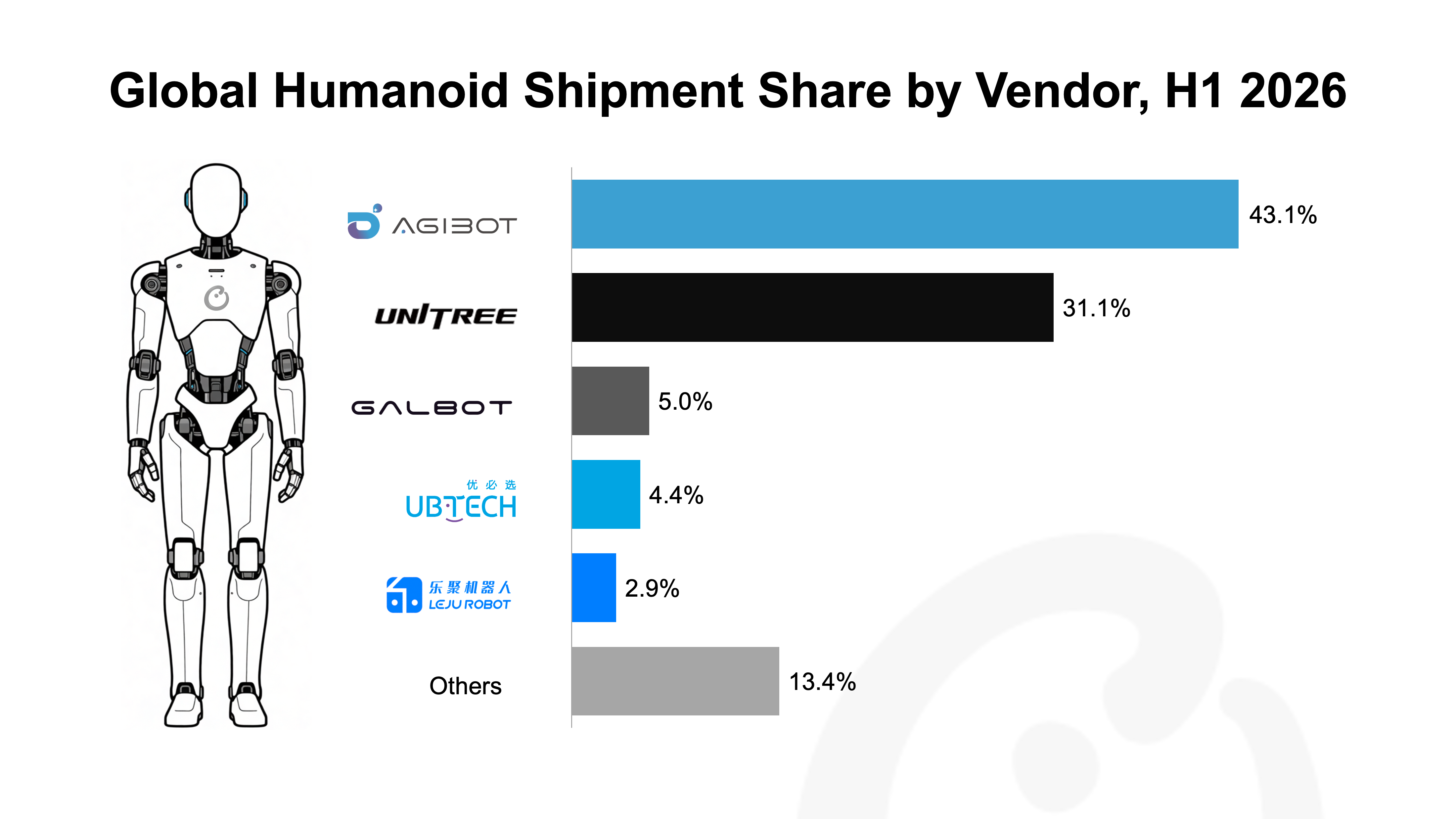
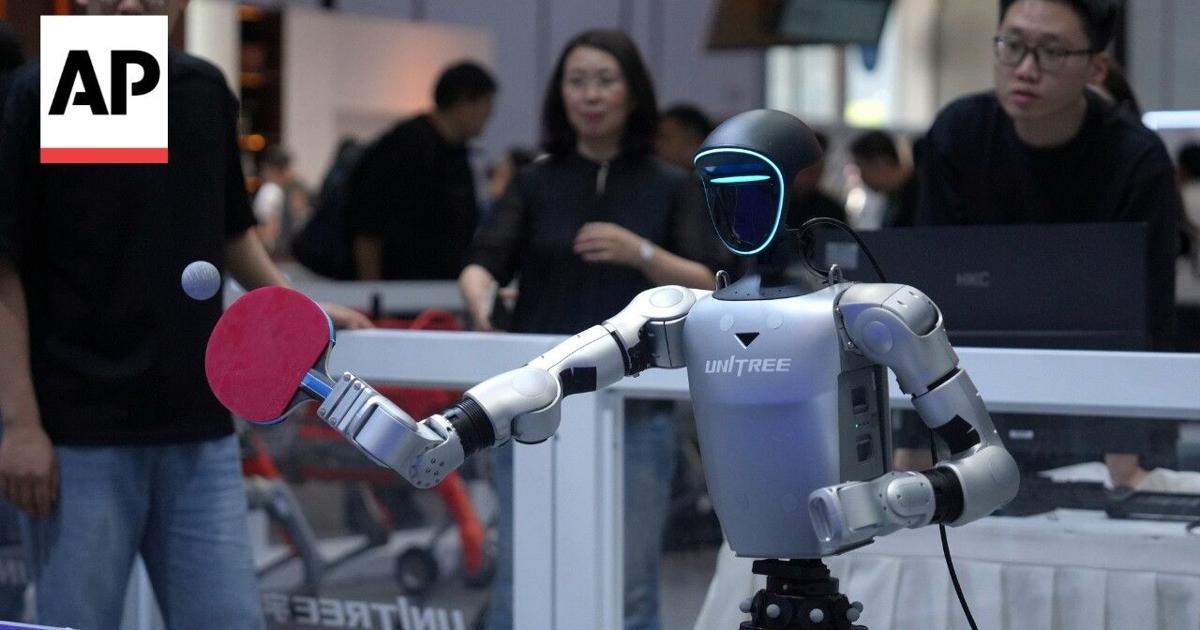
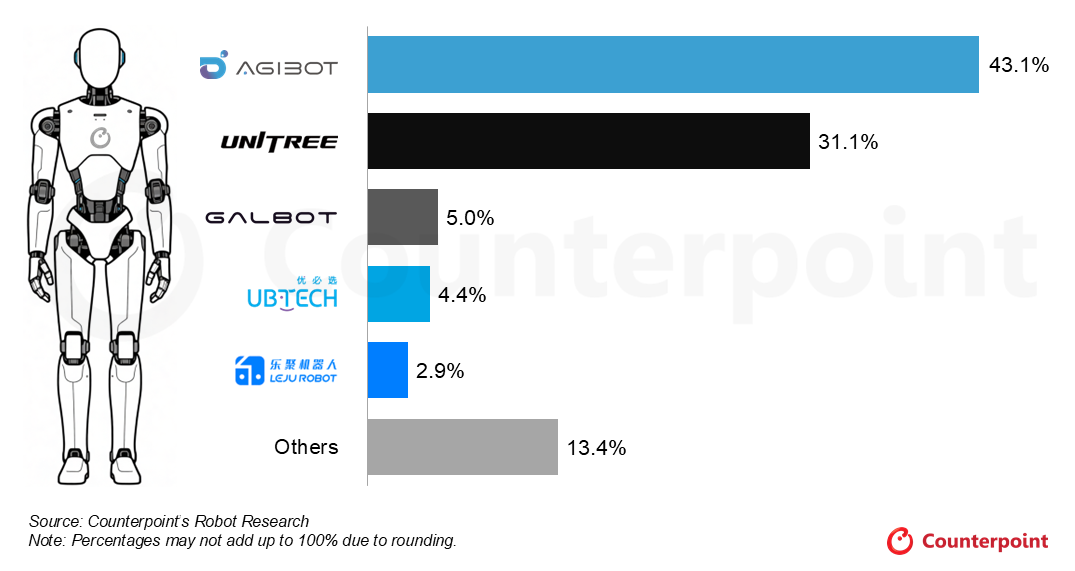
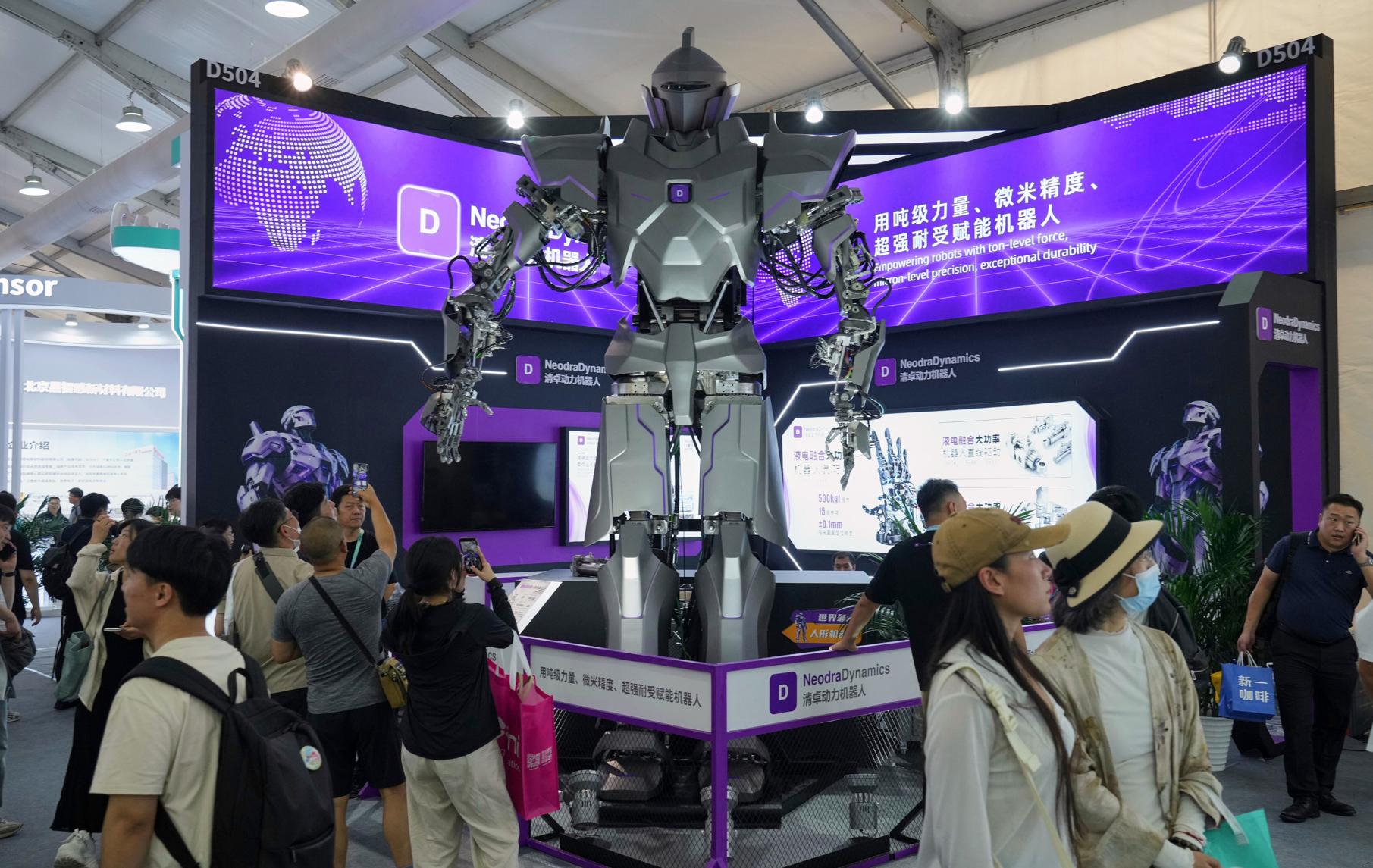
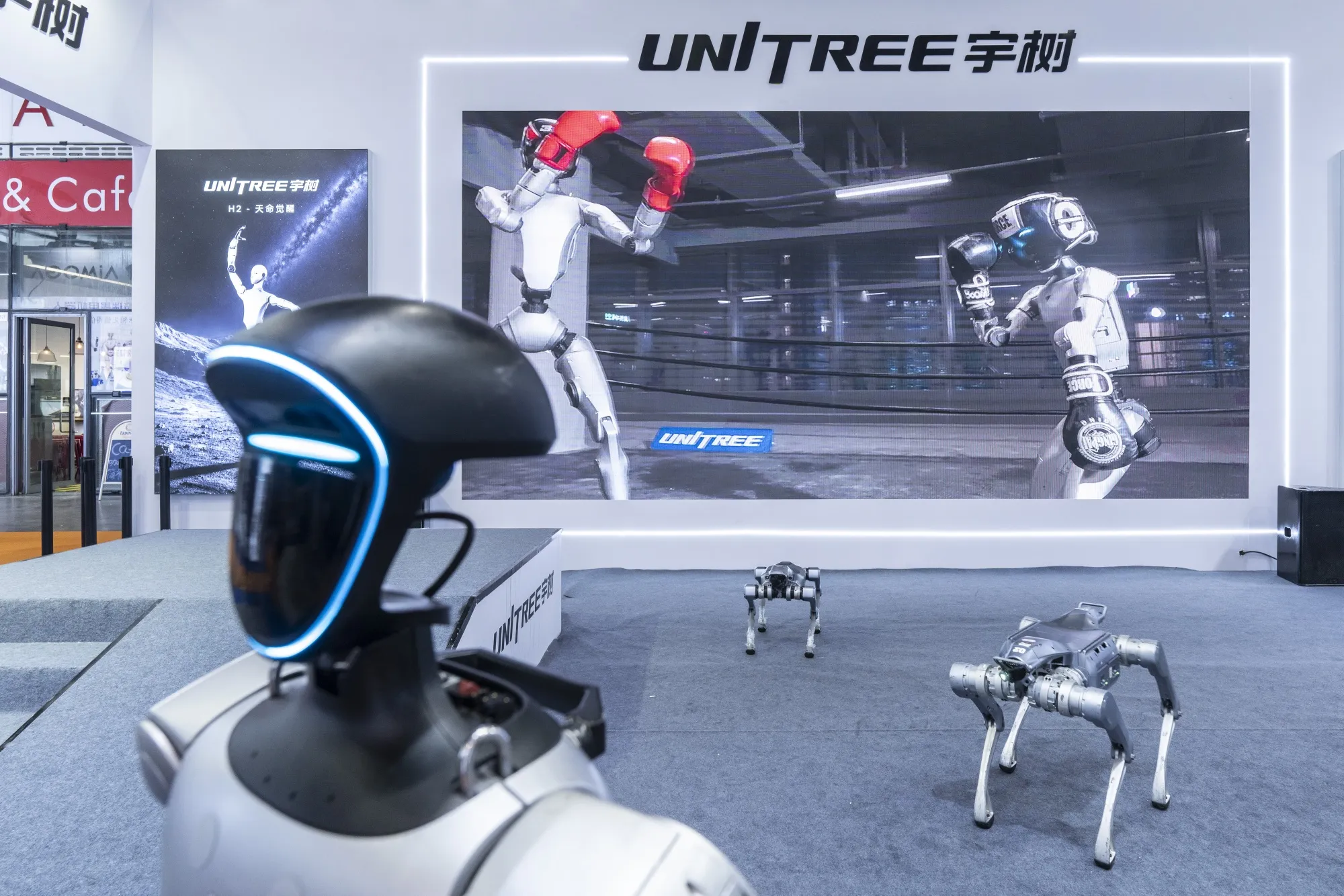
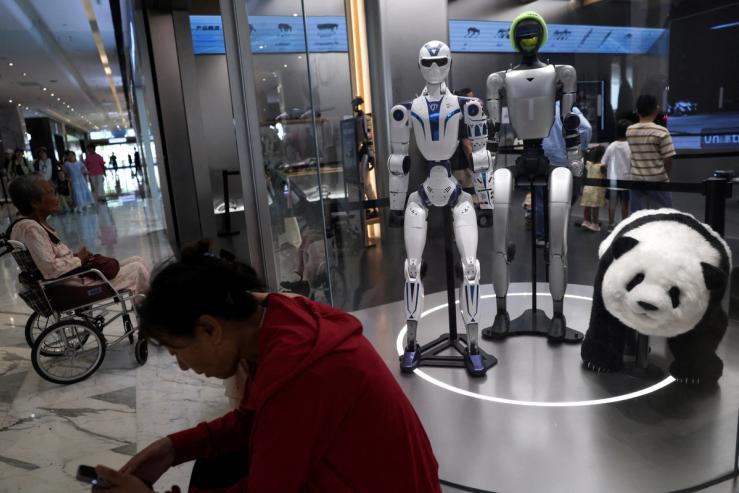
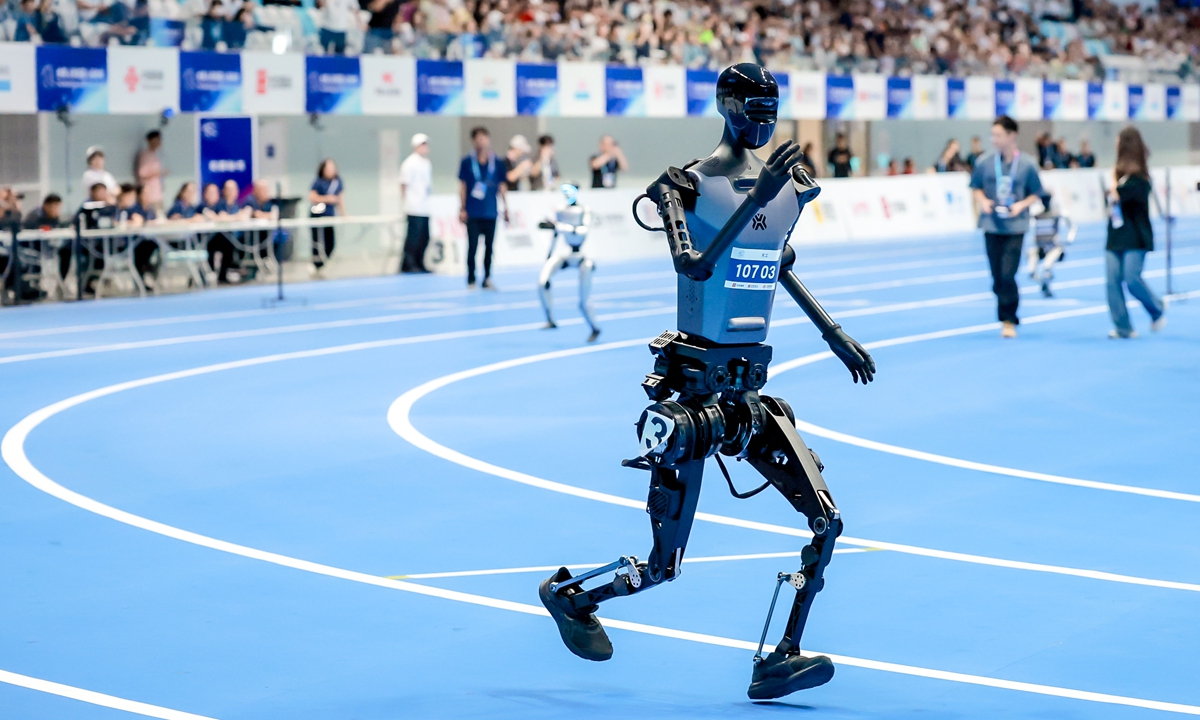
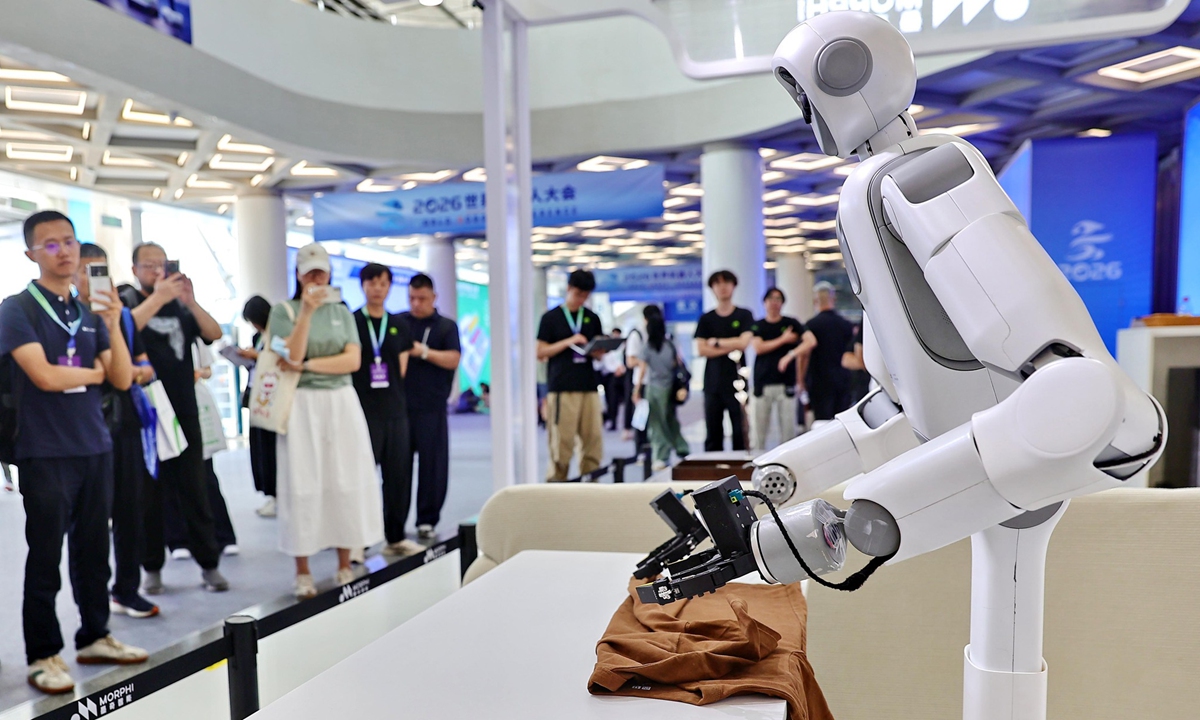
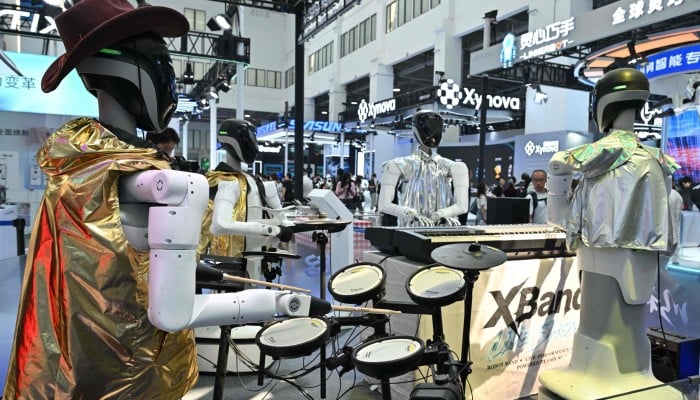
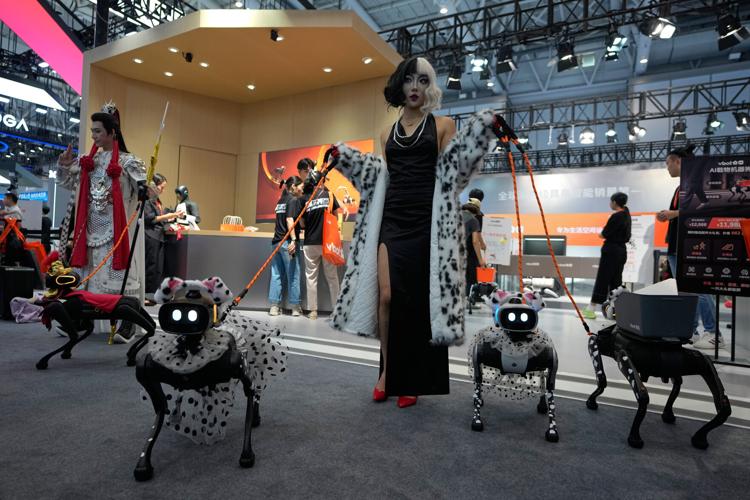
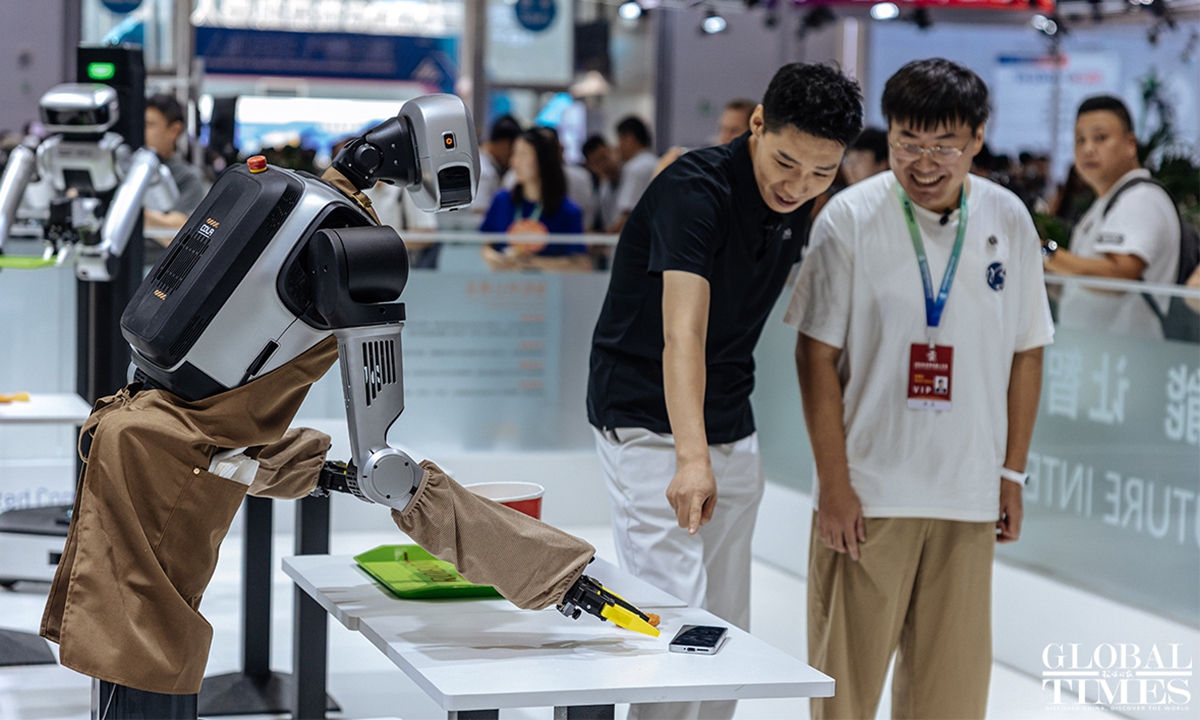
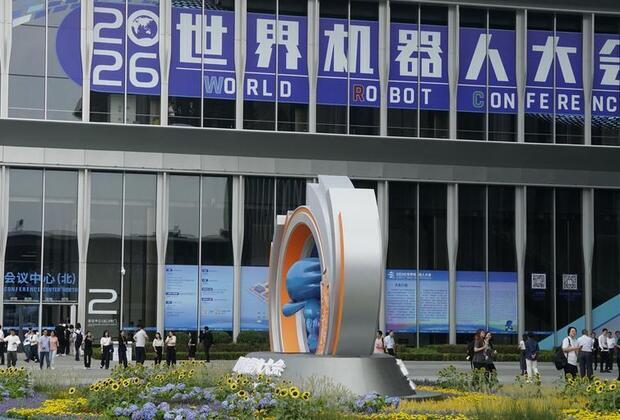
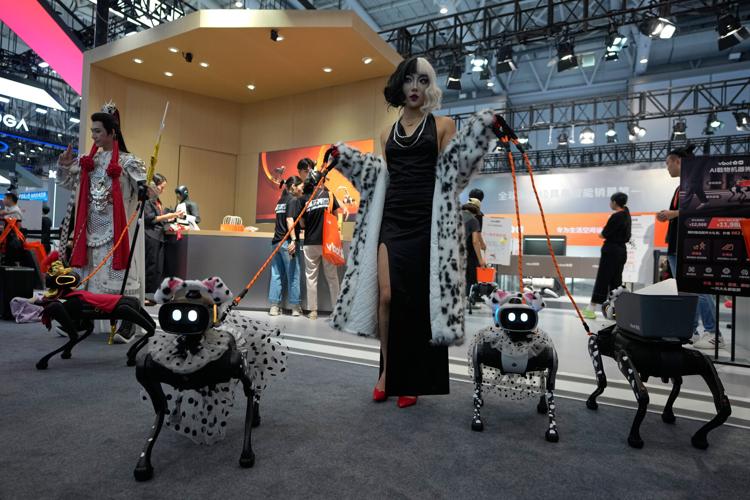
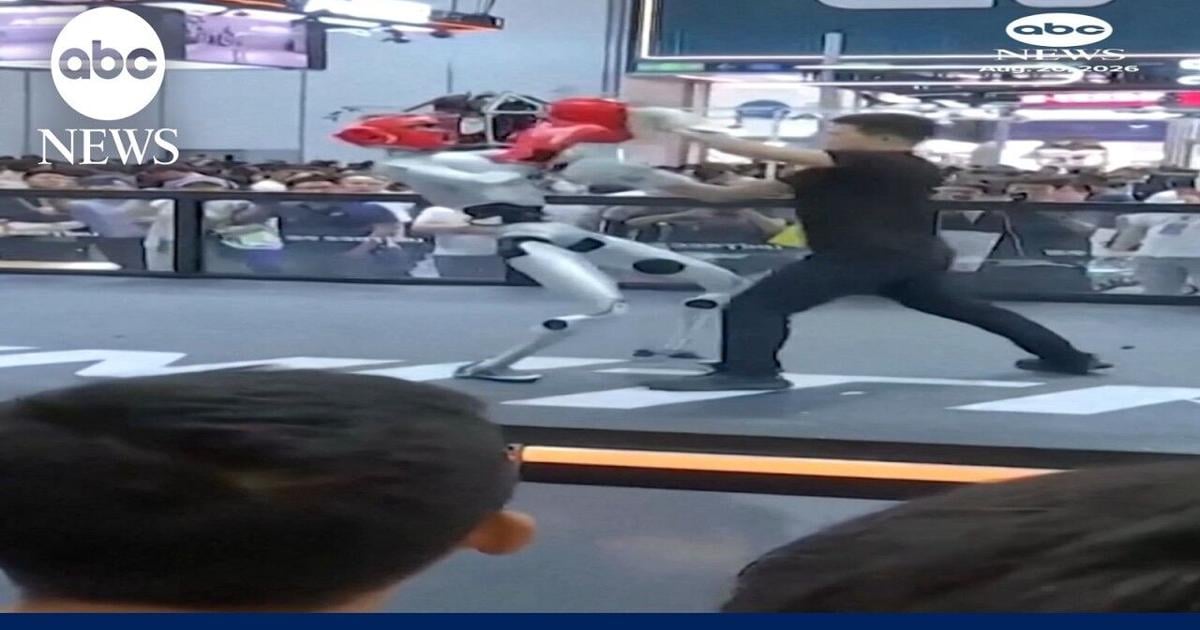
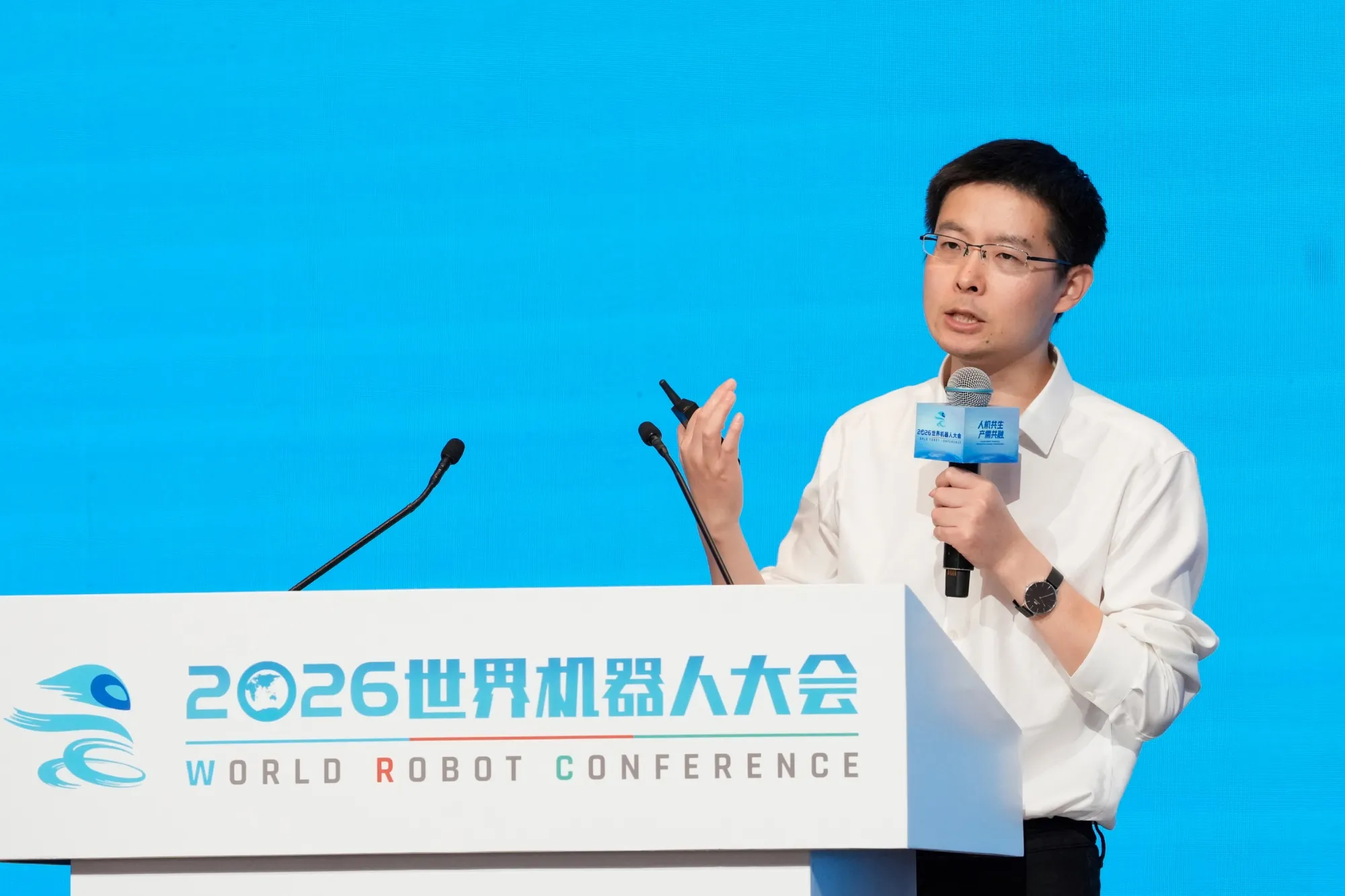
China's humanoid robotics industry is transitioning from viral demonstrations to large-scale commercial deployment, creating a $15-20 billion global market opportunity by 2030 that directly impacts e-commerce supply chains, fulfillment operations, and B2B seller opportunities. According to Morgan Stanley analysis, China accounts for 97% of worldwide humanoid robot shipments in H1 2024, with production scaling from approximately 12,000 units in 2023 to projected 50,000 units in 2026 and 446,000 units by 2030. This represents a 37x growth trajectory over seven years. Industry leader Unitree Robotics' Shanghai Star Market debut saw shares surge 460% on day one, signaling massive investor confidence. The World Robot Conference in Beijing attracted 300+ robotics companies (36% increase year-over-year), emphasizing the shift from spectacle-driven marketing to performance-based competition requiring tangible ROI demonstrations.
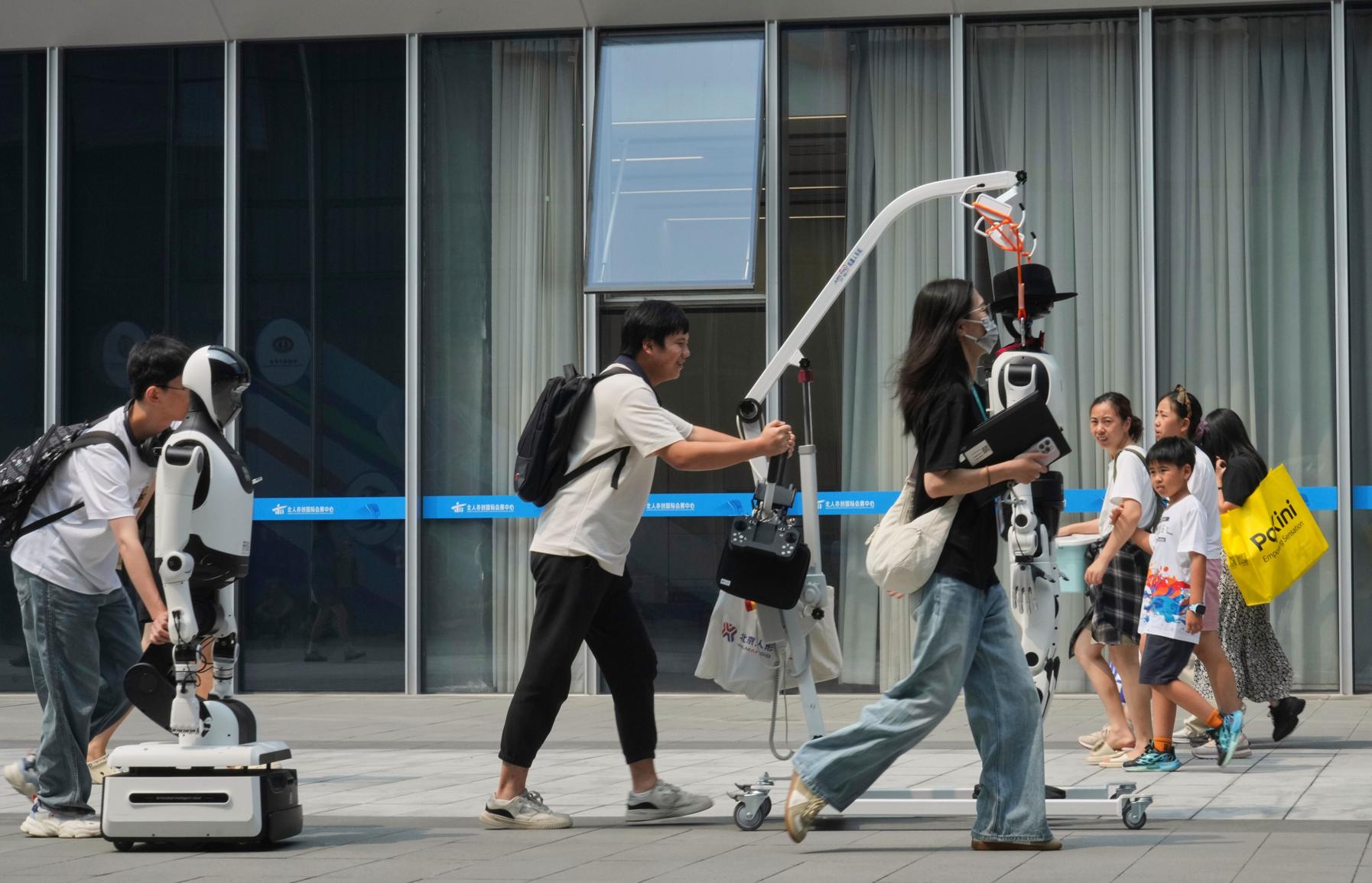
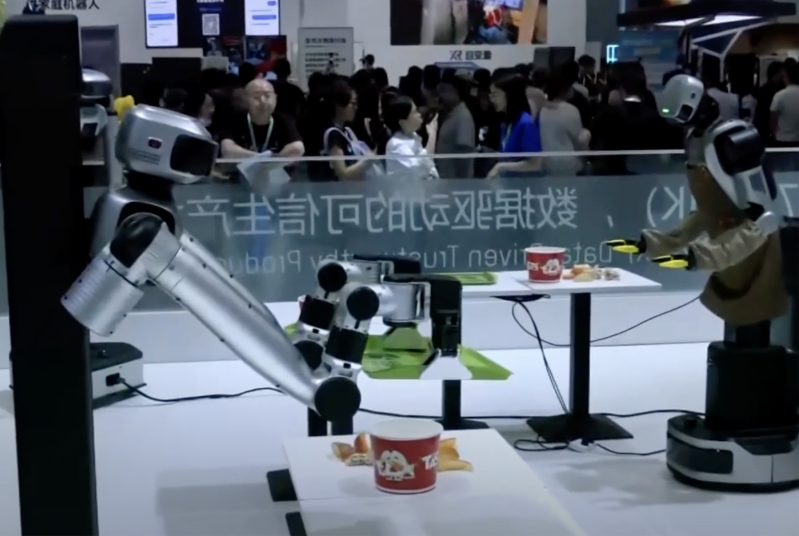
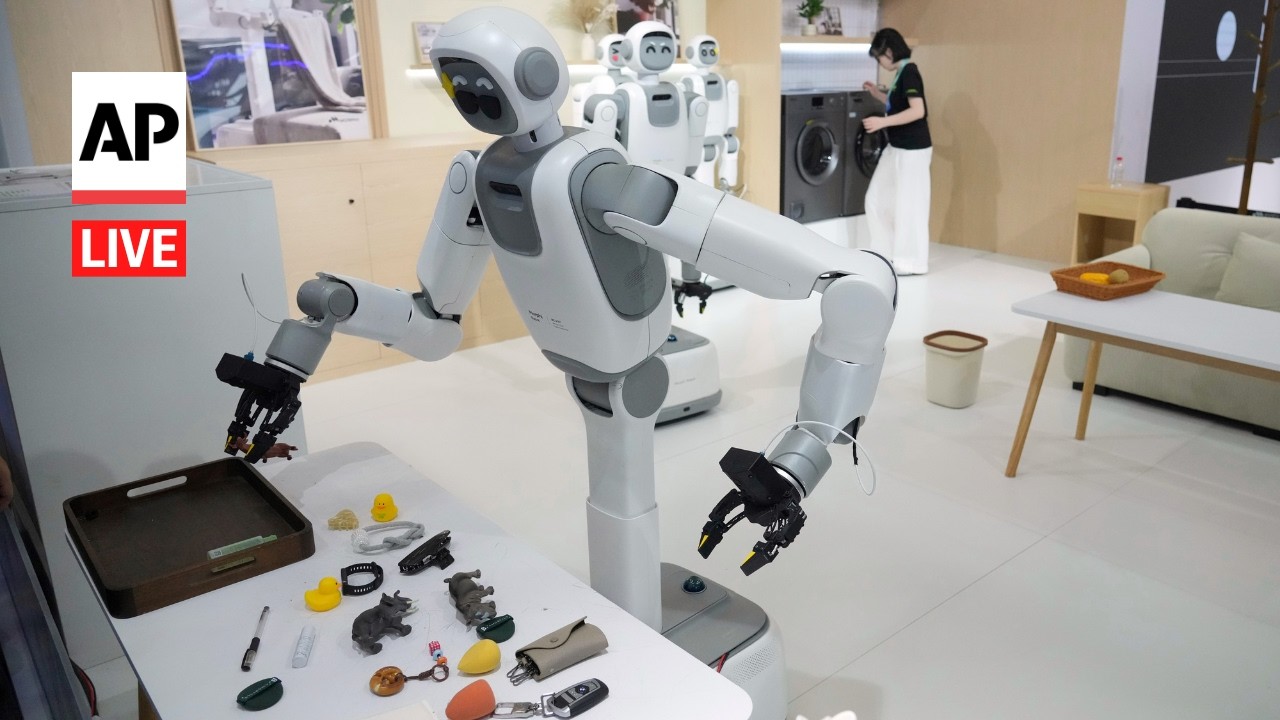
For e-commerce sellers, this robotics acceleration directly impacts three critical operational areas: warehouse automation costs, logistics provider capabilities, and B2B product opportunities. Chinese manufacturers are targeting cost reduction and reliability improvements through AI integration and sensor technology investments, with key applications in warehouse automation, assembly line work, and customer service roles. Companies are partnering with manufacturers and logistics providers to test robots in real-world environments, gathering performance data. This means 3PL providers and fulfillment networks will increasingly deploy humanoid robots for picking, packing, and sorting operations—reducing labor costs by 20-40% but requiring sellers to adapt to new fulfillment workflows and potentially higher upfront automation fees. Sellers shipping 1,000+ units monthly from China will face changing logistics economics as robot-powered warehouses become standard in major fulfillment hubs (Shanghai, Shenzhen, Guangzhou).
The immediate e-commerce opportunity lies in B2B marketplace expansion for robotics components, AI software, and industrial automation products. Chinese manufacturers benefit from government subsidies and lower labor costs, enabling aggressive pricing that undercuts international competitors. Sellers can capitalize by: (1) sourcing and reselling robotics components (actuators, sensors, control systems) on Amazon Industrial, Alibaba, and Made-in-China; (2) developing AI-powered inventory management software for robot-equipped warehouses; (3) creating logistics optimization tools that integrate with humanoid robot systems. The sector's success depends on demonstrating measurable ROI and building customer confidence in reliability—creating demand for complementary products like predictive maintenance software, safety certification services, and integration consulting. However, skeptics question whether current technology delivers promised productivity gains, meaning sellers should focus on proven use cases (warehouse picking, repetitive assembly) rather than speculative applications.
Questions 8
What regulatory and safety standards should sellers monitor for robot-equipped fulfillment centers?
The news highlights regulatory uncertainties as a key sector challenge. Sellers should monitor: (1) China's robotics safety standards (GB/T standards for industrial robots); (2) EU CE marking requirements if selling to European 3PLs; (3) OSHA guidelines for US warehouse automation. Government support through subsidies and research funding suggests regulatory frameworks will evolve rapidly. Sellers should engage with industry standards bodies (International Organization for Standardization) and participate in World Robot Conference discussions to influence standards development. Compliance costs could add 5-10% to robot deployment expenses, so factor this into fulfillment cost projections. Early sellers who help establish safety standards will gain competitive advantages and potential regulatory exemptions.
How can sellers leverage government subsidies and lower labor costs in China's robotics ecosystem?
Chinese manufacturers benefit from government subsidies and lower labor costs, creating sourcing advantages for cross-border sellers. Strategies: (1) source robotics components directly from subsidized manufacturers in Shenzhen, Shanghai, and Guangzhou—potential 15-25% cost savings vs. international suppliers; (2) partner with government-supported research institutions for product development and testing; (3) establish manufacturing partnerships in regions with active robotics clusters (Shenzhen has 200+ robotics companies). The World Robot Conference and government backing indicate sustained policy support through 2030. Sellers should explore government export programs and trade missions to establish relationships. However, be aware of potential US/EU tariffs on Chinese robotics imports—factor 15-25% tariff costs into sourcing decisions and consider alternative sourcing or manufacturing locations for tariff-sensitive products.