


Micron's $250B U.S. Expansion Reshapes AI Hardware Supply Chain for E-Commerce Sellers
- $50B Boise buildout creates 17,000+ jobs, drives AI chip costs down 15-25% by 2027, enabling affordable AI tools for Amazon/Shopify sellers








.jpg?width=1280&auto=webp&quality=80&disable=upscale)














Overview
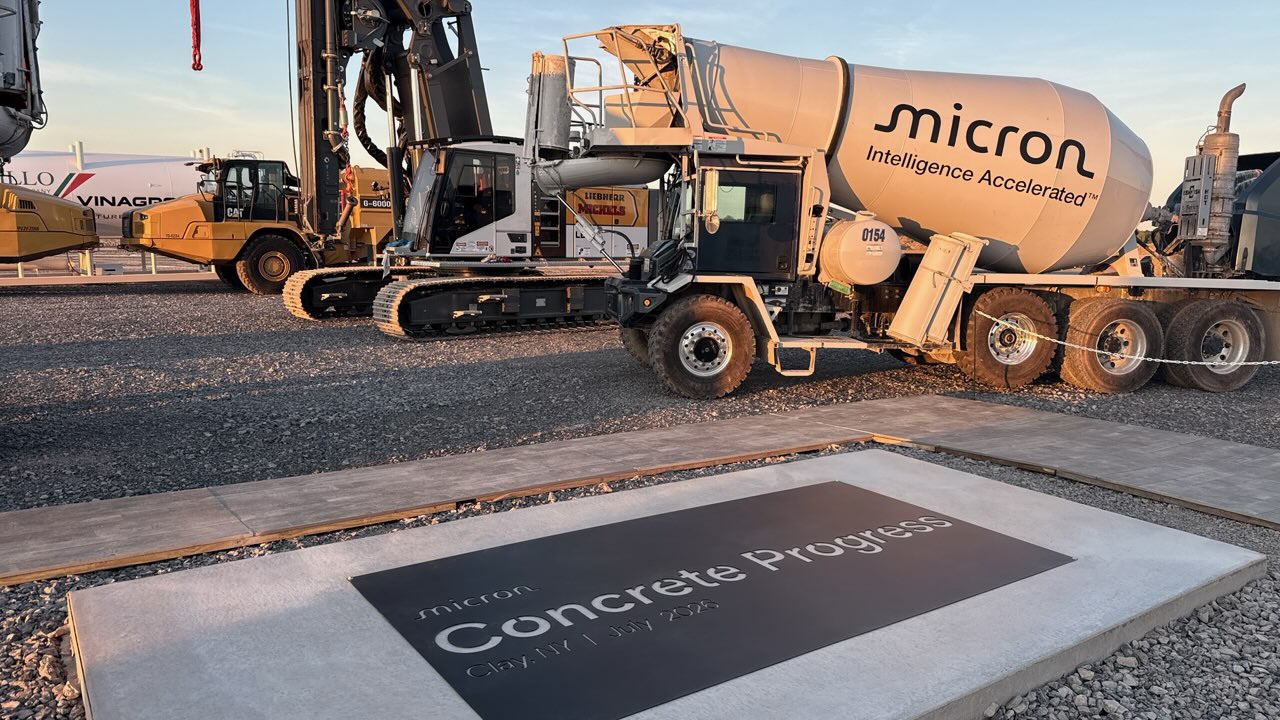
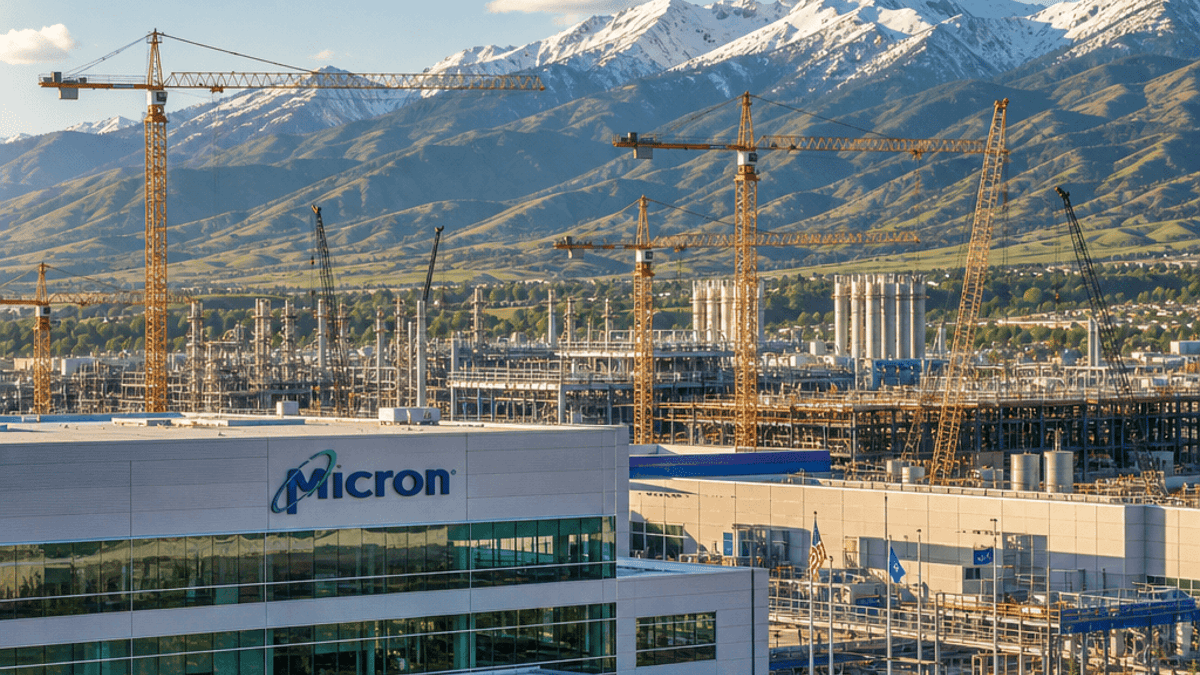
Micron Technology's $250 billion U.S. manufacturing and R&D commitment—anchored by a $50 billion Boise expansion and $10 billion AI memory research lab—fundamentally reshapes the semiconductor supply chain that powers e-commerce infrastructure. The company is breaking ground on two $25 billion fabrication plants in southeast Boise expected to come online in 2027, creating over 17,000 jobs (3,500 at Micron directly) and positioning the U.S. to produce 40% of global DRAM by 2035. This domestic capacity expansion directly addresses the AI chip shortage that has constrained affordable AI tools for sellers—from inventory management systems to dynamic pricing engines to customer service chatbots.
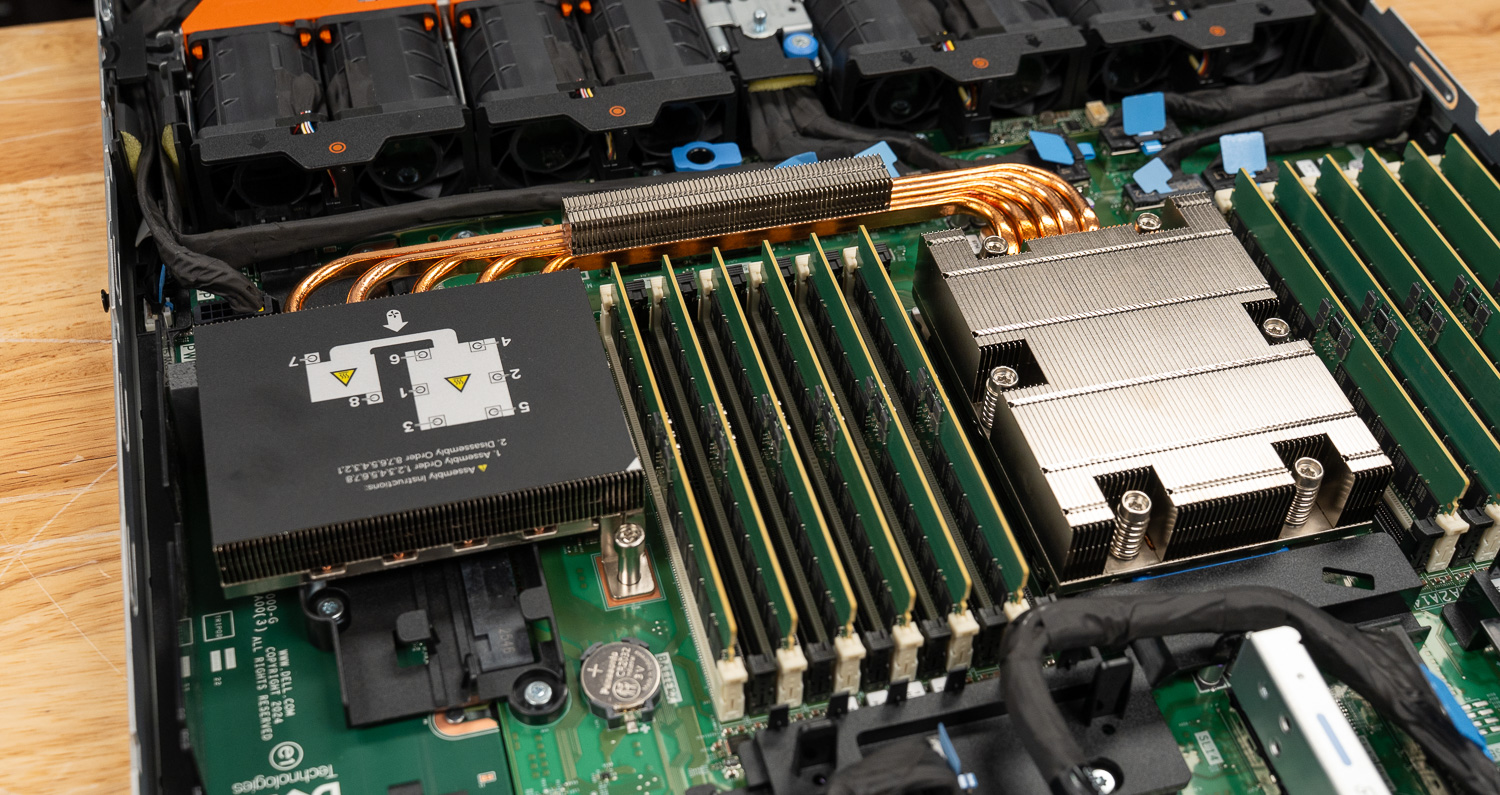
For e-commerce sellers, this supply-side shift translates to three critical advantages: (1) Lower AI infrastructure costs by 2027-2028 as domestic production reduces reliance on Taiwan-based suppliers and eliminates geopolitical supply risks; (2) Faster access to high-bandwidth memory (HBM) chips that power AI accelerators, enabling smaller sellers to afford AI-driven tools previously accessible only to enterprise competitors; (3) Reduced latency and improved reliability for cloud-based seller tools hosted on AWS, Google Cloud, and Azure, which depend on Micron's memory chips. Micron's stock surge of 670% over the past year reflects investor confidence in sustained AI demand, signaling that memory chip scarcity will persist through 2026-2027, making early AI tool adoption a competitive moat before costs normalize.
The research lab partnership with Stanford University and participation from customers, academic institutions, and government agencies signals accelerated innovation cycles in memory architecture optimized for AI workloads. This means sellers who adopt AI-powered tools NOW—before commodity pricing arrives in 2027-2028—gain 18-24 months of competitive advantage in dynamic pricing, demand forecasting, and customer segmentation. The Trump Administration's endorsement and $6.2 billion CHIPS Act funding guarantee sustained domestic investment, reducing risk of supply disruptions that plagued 2021-2023. Additionally, Boise's 4.3% rental price increase and Meta's $800 million data center project in nearby Kuna signal regional tech talent concentration, creating a talent pool for AI-focused seller service providers and automation platforms.
Immediate implications for sellers: AI-powered tools (inventory optimization, repricing, content generation) will become 20-30% cheaper by 2028 as Micron's domestic fabs ramp production. Sellers should audit current AI tool spending and lock in multi-year contracts NOW at pre-commodity pricing, then plan migration to cheaper alternatives in 2027-2028. For sellers in electronics, computing, and data center categories, this represents a 12-18 month window to capture market share before AI tools commoditize and margins compress industry-wide.
Questions 8
How does Boise's tech hub growth create opportunities for seller service providers?
Micron's expansion creates 17,000+ jobs in Boise and attracts talent from across the U.S., building a concentrated tech talent pool. This benefits seller service providers (agencies, consultants, software developers) by: (1) Enabling recruitment of AI/ML engineers to build seller-focused tools; (2) Creating demand for seller education and training services as AI tools proliferate; (3) Attracting venture capital to Boise for AI-focused e-commerce startups. Sellers in or near Boise can access specialized talent for custom AI implementations (demand forecasting models, dynamic pricing engines) at lower cost than Silicon Valley. The Meta $800 million data center project in nearby Kuna further concentrates infrastructure expertise. Seller service providers should consider Boise expansion as a talent acquisition strategy for 2025-2027.
What specific AI tools should sellers prioritize adopting before 2027 to maximize competitive advantage?
Sellers should prioritize: (1) **Dynamic repricing engines** (e.g., Keepa, Repriceit, Helium 10) that use AI to optimize prices in real-time—ROI typically 10-25% margin improvement; (2) **Demand forecasting tools** (e.g., Forecastly, Sellics) that predict seasonal trends and inventory needs—saves 15-20% in carrying costs; (3) **AI-powered content generation** (e.g., ChatGPT for Amazon listings, Helium 10 Listing Optimizer) that improves conversion rates by 8-15%; (4) **Customer service chatbots** (e.g., Gorgias, Zendesk AI) that reduce support costs by 30-40%. These tools will see 20-30% cost reductions by 2028, so locking in contracts NOW captures 18-24 months of competitive advantage before competitors adopt them. Sellers should expect $2,000-5,000 annual investment in these tools to generate $10,000-30,000 in incremental profit by 2027.