



Amazon Prime Air Expands to 500 Cities | Last-Mile Logistics Revolution for FBA Sellers
- 45-fold service expansion transforms delivery speed for sub-5lb packages; operational risks emerge as accuracy issues surface in residential deployments





Overview
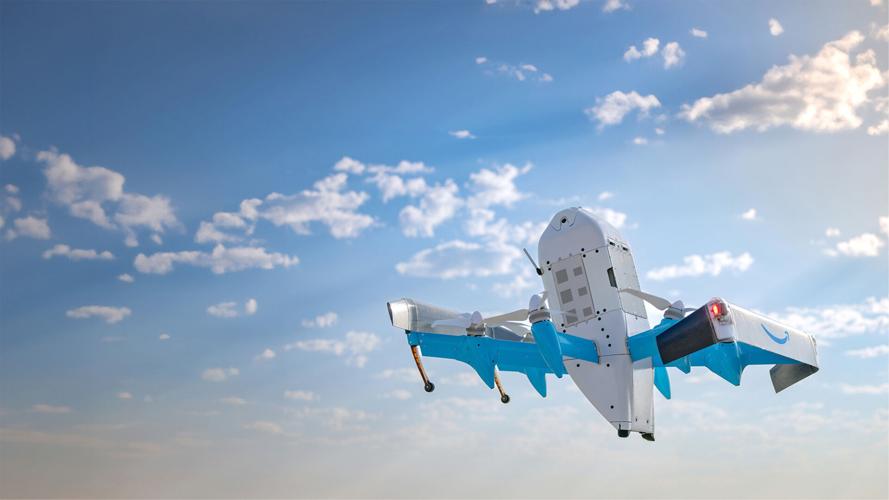
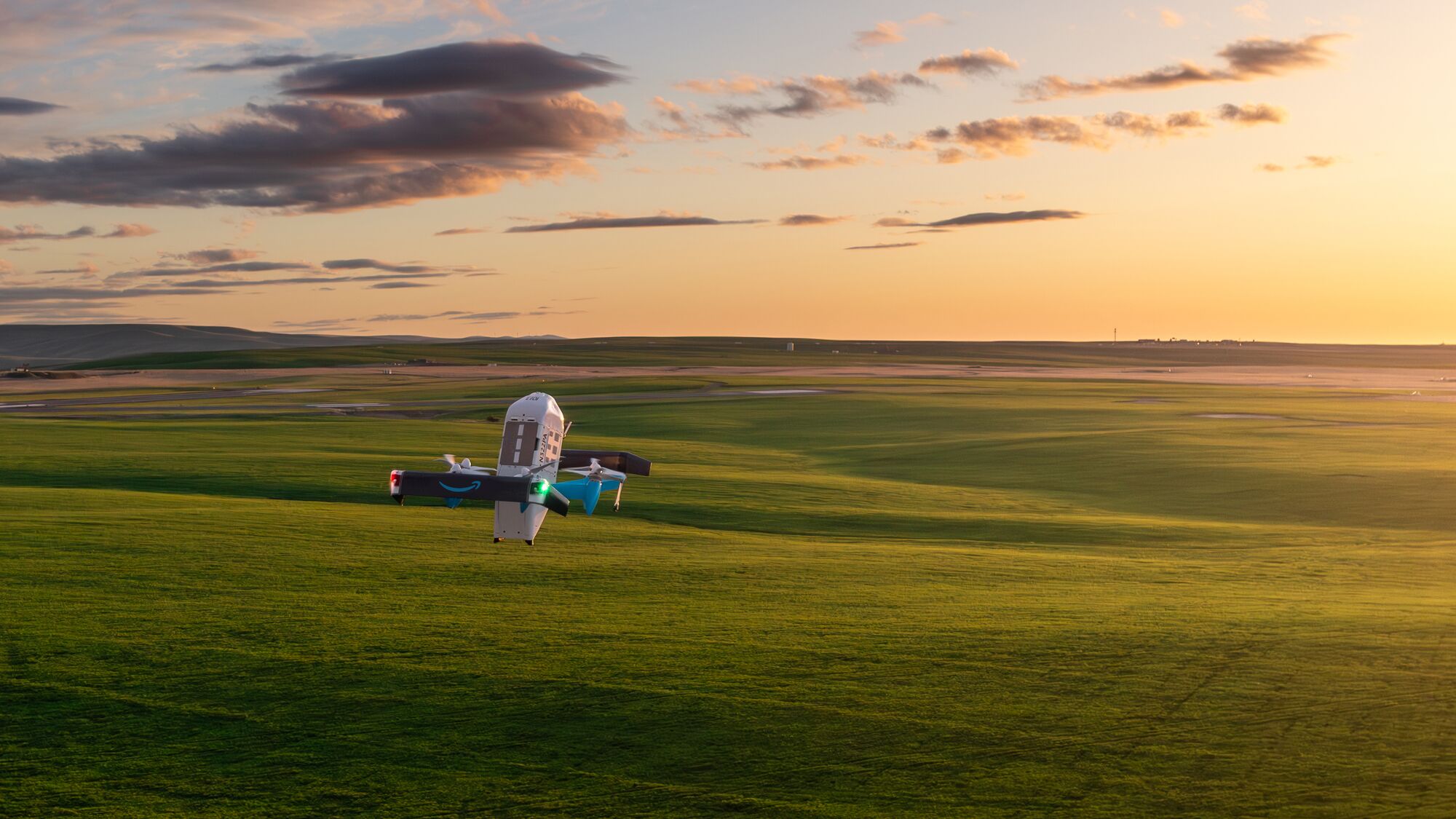
Amazon Prime Air's expansion from 11 to 500 US cities represents a fundamental shift in last-mile logistics economics, directly impacting FBA seller competitiveness and inventory positioning strategies. The rollout of the MK30 drone (5-pound weight limit) addresses the 50-60% of total shipping costs attributed to last-mile delivery, potentially reducing delivery times from days to hours in drone-eligible zones. This 45-fold service expansion, currently operating in College Station (Texas) and Lockeford (California), signals Amazon's commitment to autonomous delivery as a core competitive advantage.
For FBA sellers, this expansion creates immediate strategic opportunities and constraints. Sellers with inventory in drone-eligible zones gain competitive advantages through Prime's enhanced delivery speed, potentially improving conversion rates and Buy Box eligibility. However, the 5-pound weight restriction severely limits applicability—excluding electronics (laptops, tablets), home goods (furniture, appliances), and bulk beauty/apparel shipments. Sellers must now segment inventory by weight class and geographic eligibility. Small, lightweight categories (phone accessories, supplements, cosmetics, small electronics) become premium FBA candidates for drone-eligible markets, while heavier items require traditional ground fulfillment. This creates a two-tier fulfillment strategy: drone-optimized inventory (ultra-light, high-margin items) positioned in regional fulfillment centers near drone deployment zones, and traditional FBA inventory for standard coverage.
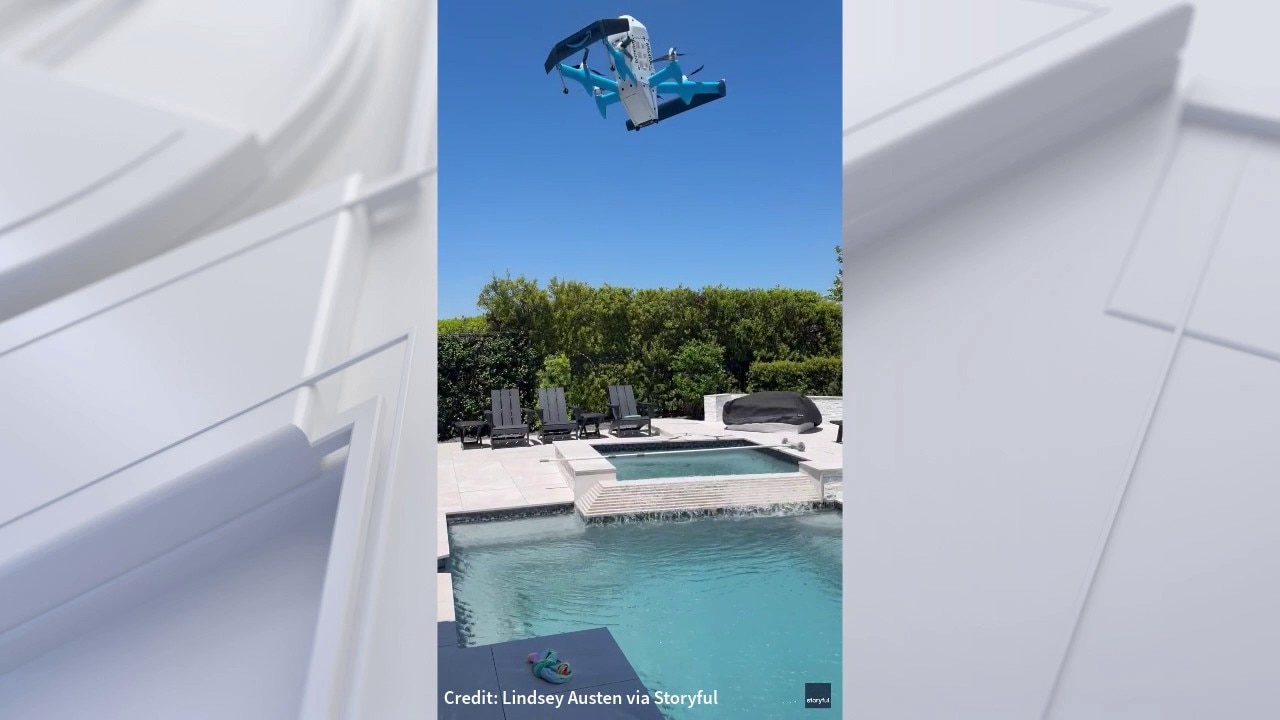
Operational risks are materializing faster than expansion timelines. The August 2026 incident where an Amazon drone dropped a package into a residential swimming pool highlights critical accuracy and hazard-detection failures. This incident raises liability questions and may slow residential rollout, particularly in suburban areas with pools, water features, and complex property layouts. Amazon's lack of public compensation protocols creates uncertainty for sellers regarding damaged goods liability. The incident suggests drone delivery will remain concentrated in less complex geographic zones (rural areas, commercial districts, simplified residential layouts) rather than achieving true 500-city coverage in the near term. Sellers should expect implementation delays and geographic limitations beyond current announcements.
Competitive positioning and alternative logistics strategies are essential. UPS, Wing (Alphabet), and Zipline are pursuing parallel drone technologies, but Amazon's infrastructure advantage and FBA integration provide first-mover benefits. However, the 5-pound constraint means traditional 3PL providers and regional carriers remain critical for comprehensive market coverage. Sellers should maintain diversified fulfillment strategies: FBA for drone-eligible lightweight items, 3PL for heavier products, and dropshipping for bulky categories. The FAA's Beyond Visual Line of Sight (BVLOS) regulatory framework continues evolving, creating uncertainty around expansion timelines and operational costs. Sellers in drone-eligible zones should monitor Amazon's official rollout schedule and adjust inventory allocation accordingly, but should not abandon traditional fulfillment networks given current accuracy and coverage limitations.
Questions 8
How should sellers prepare inventory before the 500-city rollout accelerates?
Immediate actions (0-30 days): Audit inventory by weight class and identify SKUs under 5 pounds with high margins and demand velocity. Map current FBA inventory to drone-eligible zones (College Station, Lockeford, and announced expansion cities). Calculate drone delivery cost savings vs. ground shipping by category. Medium-term (1-3 months): Segment inventory management systems to track fulfillment method eligibility by ASIN and geography. Increase allocation of lightweight, high-margin items to regional fulfillment centers near drone deployment zones. Adjust pricing strategies to capture speed premium in drone-eligible markets. Long-term (3-6 months): Develop contingency plans for non-drone zones using 3PL or traditional FBA. Monitor Amazon's official rollout schedule and FAA regulatory updates. Avoid over-committing inventory to drone delivery until accuracy and liability protocols are clarified.
What are the cost implications of drone delivery for FBA sellers?
Drone delivery reduces last-mile costs (50-60% of total shipping) by an estimated 30-40% for eligible items, translating to $0.50-1.50 per package savings for lightweight products. This improves FBA margins and reduces storage cost pressure. However, the service is limited to drone-eligible zones (currently 11 cities, expanding to 500), so cost benefits apply only to subset of inventory. Sellers should calculate total landed cost by weight class: ultra-light items (under 2 lbs) see maximum savings; 3-5 lb items see moderate benefits. Offset against FBA storage fees (which remain unchanged) and potential price competition from faster delivery. The cost advantage is most valuable for high-velocity, low-margin categories (accessories, supplements) where speed differentiates Buy Box eligibility. Sellers should model cost scenarios by product weight and geographic market to optimize fulfillment allocation.