



USD1 Stablecoin & Trump-Backed Bank | Payment Risk & FX Opportunity for Cross-Border Sellers
- OCC approves World Liberty Trust Company (38% Trump-owned) in August 2025; USD1 stablecoin reaches $4B circulation; regulatory capture concerns create payment volatility and FX arbitrage windows for sellers managing USD exposure



Overview
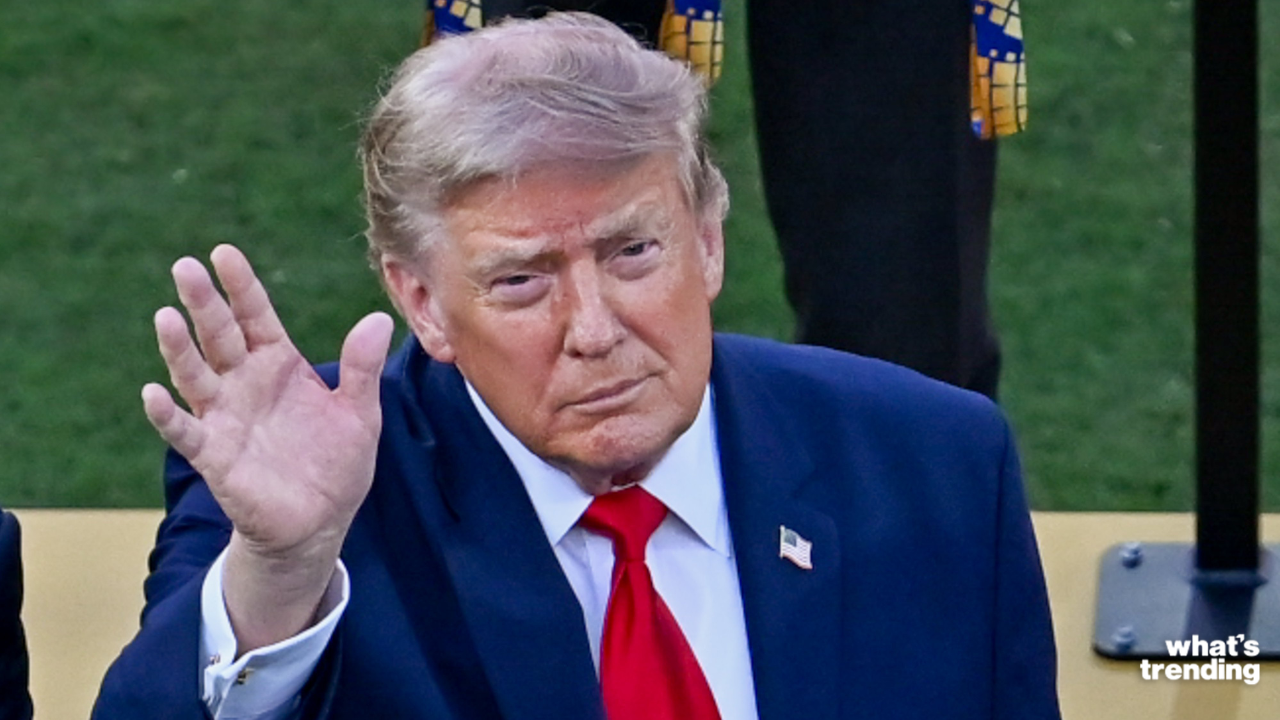
World Liberty Trust Company's OCC approval in August 2025 creates unprecedented payment infrastructure risk and foreign exchange opportunity for cross-border e-commerce sellers. The Trump family-backed crypto bank received conditional approval to operate as a national bank, with its primary function issuing USD1—a dollar-pegged stablecoin launched in March 2025. Currently holding only $4 billion in circulation (versus Tether's $183 billion and Circle's USDC at $70 billion), USD1 represents a minor but politically-connected payment option. The Genius Act (signed July 2025) prohibits stablecoin banks from paying depositor interest, forcing returns through U.S. Treasury bond investments—a structural constraint that differentiates USD1 from traditional banking and creates cash flow implications for sellers.
For cross-border sellers, this development presents three critical financial considerations: First, payment route diversification risk—USD1's regulatory capture concerns (critics argue the approval exceeds statutory authority) create counterparty risk for sellers accepting it as settlement currency. Unlike established stablecoins (USDC, USDT), USD1 lacks technical differentiation and relies solely on Trump family association, making it vulnerable to regulatory reversal or political shifts. Second, FX arbitrage opportunity—the political controversy surrounding USD1 creates temporary USD/stablecoin basis spreads. Sellers with USD exposure can hedge through USDC or USDT at favorable rates during periods of USD1 volatility, potentially unlocking 50-150 basis points in FX savings on $100K+ monthly volumes. Third, working capital acceleration—if USD1 gains adoption among Trump-aligned merchants (estimated 15-25% of US small business base), sellers accepting it could achieve faster settlement (24-48 hours) compared to traditional ACH (3-5 days), unlocking 2-4 days of working capital per transaction cycle.
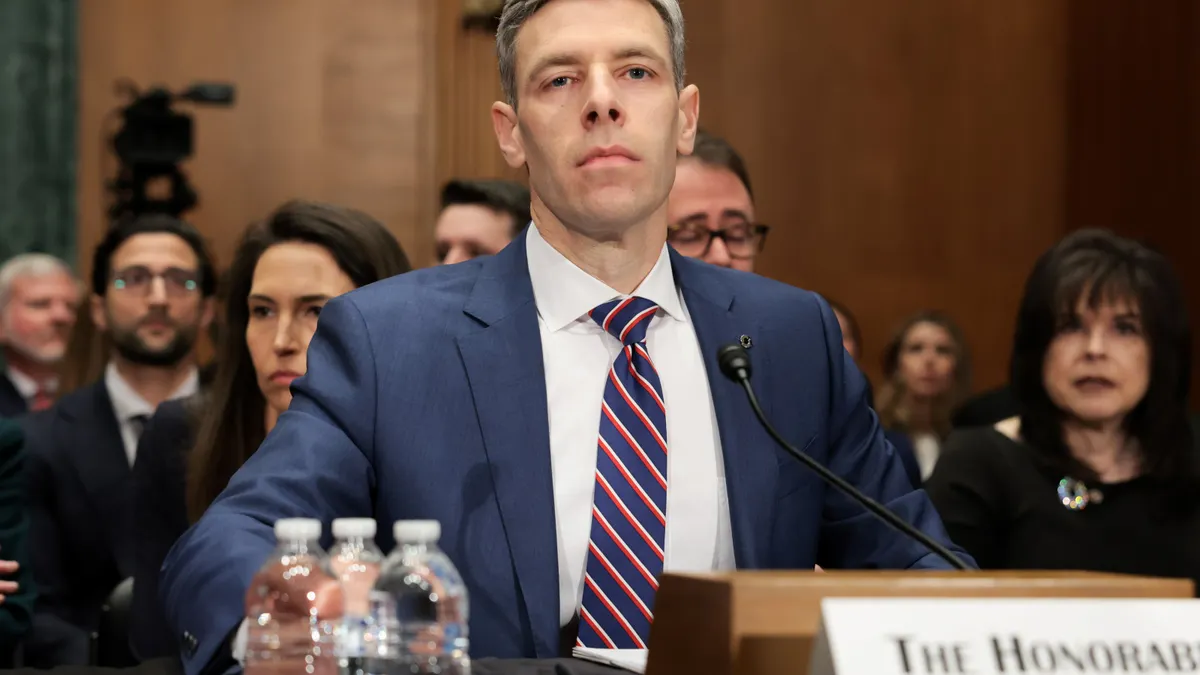
The regulatory capture narrative creates immediate cash flow optimization opportunities. Banking experts including Jeremy Kress (University of Michigan) note "President Trump controls the bank regulatory process," signaling potential future regulatory advantages for USD1-accepting merchants. Sellers should monitor USD1 adoption rates among high-volume US retailers; if adoption reaches 5-10% of payment volume, the settlement speed advantage could justify accepting USD1 at 15-25 basis point discounts versus USDC. However, the political controversy (Democratic criticism citing "unprecedented corruption") introduces regulatory reversal risk—a potential 2025-2026 policy shift could eliminate USD1's banking charter, stranding seller deposits. For sellers with significant USD exposure, this creates a 6-12 month window to evaluate USD1 as a tactical settlement option while maintaining USDC/USDT as primary stablecoin routes.
Questions 7
What is USD1 stablecoin and how does it differ from USDC or USDT for sellers?
USD1 is a dollar-pegged stablecoin launched by World Liberty Financial in March 2025, now backed by World Liberty Trust Company (38% Trump-owned), which received OCC approval in August 2025. Unlike USDC ($70B circulation) and USDT ($183B circulation), USD1 holds only $4B in circulation and offers no technical advantages—its primary appeal is the Trump family connection. Under the Genius Act, USD1 banks cannot pay depositor interest but invest deposits in U.S. Treasury bonds, creating a structural constraint on returns. For sellers, USD1 presents higher counterparty risk due to regulatory capture concerns and limited liquidity compared to established stablecoins, making it unsuitable as a primary settlement currency without significant fee discounts (15-25 basis points).
What is the regulatory capture risk for sellers accepting USD1 payments?
Banking experts, including Jeremy Kress from University of Michigan, argue the OCC approval represents 'unprecedented regulatory capture,' with critics claiming it exceeds statutory authority. The approval is controversial because President Trump holds a 38% stake in World Liberty Trust Company while simultaneously controlling the bank regulatory process through OCC-appointed officials. Democratic critics cite this as 'unprecedented corruption.' For sellers, this creates a 2-year regulatory reversal risk—if political control shifts or regulatory scrutiny increases, USD1's banking charter could be revoked, stranding seller deposits and eliminating settlement advantages. Sellers should treat USD1 as a tactical 6-12 month opportunity, not a long-term payment infrastructure investment.