




Gaming Hardware Demand Collapse | 29% YoY Drop Signals Inventory Liquidation Opportunity for Cross-Border Sellers
- US gaming hardware spending plummets to 2020 pandemic levels; physical media hits all-time low; sellers face 10% category-wide margin compression and urgent inventory repositioning needs


Overview
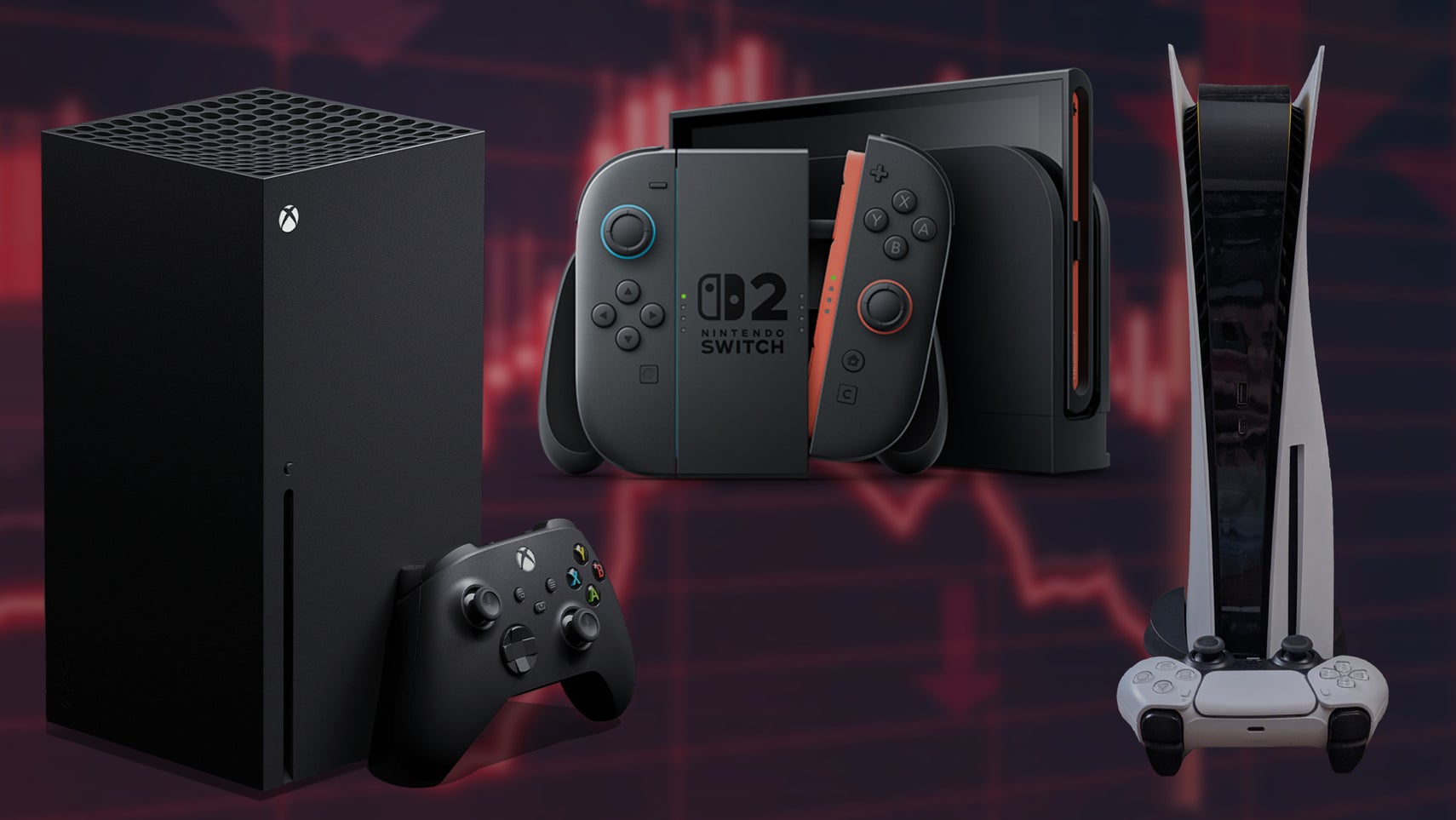
US gaming hardware spending collapsed 29% year-over-year in July 2026, reaching levels unseen since July 2020 pandemic shortages—but driven by elevated pricing rather than scarcity. Circana's comprehensive market analysis reveals all console platforms (PlayStation, Nintendo, Xbox) experienced unit sales declines, while physical game sales hit an all-time low since 1995 tracking began. Combined spending across games, hardware, and accessories fell 10% YoY, with only subscription services growing (+6%). This represents a critical logistics and inventory management inflection point for cross-border e-commerce sellers.
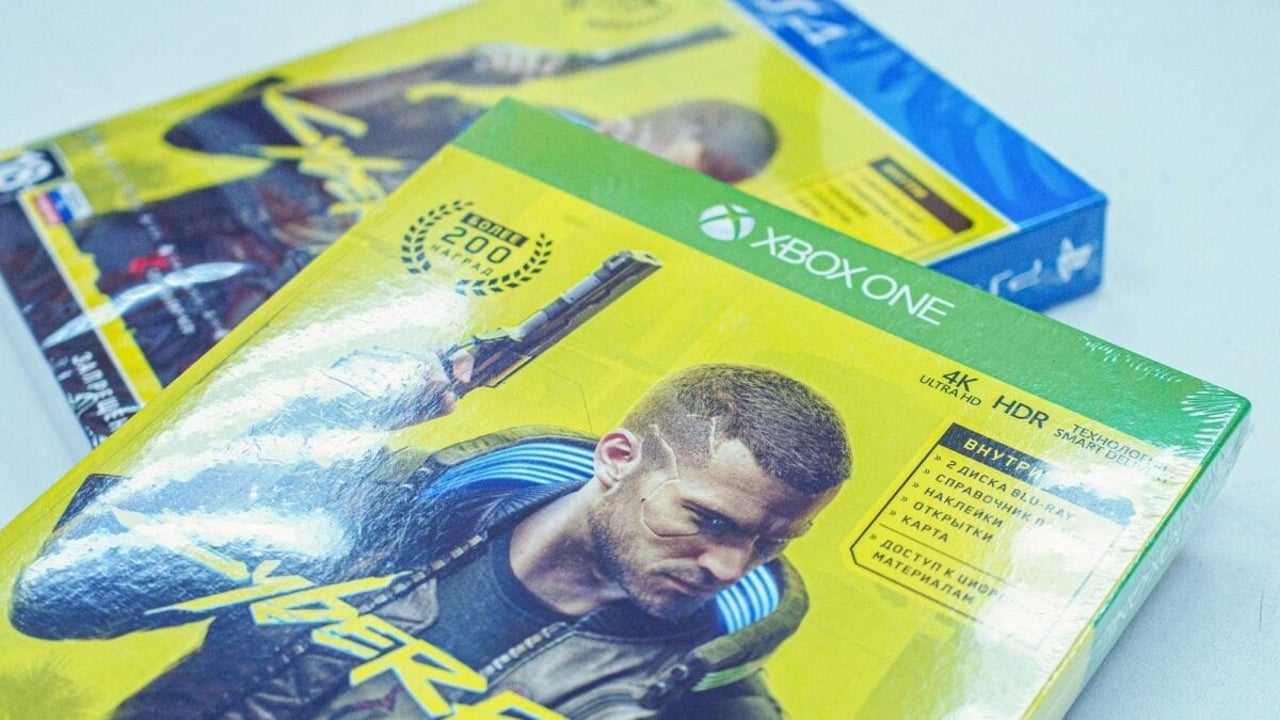
For gaming hardware sellers, this 29% demand destruction creates immediate supply chain urgency. Sellers holding excess inventory of PS5, Xbox Series X/S, Nintendo Switch units, and physical game titles face accelerating obsolescence risk—particularly given Sony's January 2028 deadline to end PlayStation physical disc manufacturing. Current elevated pricing (the barrier equivalent to 2020 stock scarcity) suggests consumers are deferring purchases, creating a 60-90 day window where sellers must liquidate overstock before further price compression. Warehouse holding costs for gaming hardware average $0.40-0.65/unit/month in US 3PLs; sellers with 500+ units of slow-moving inventory are bleeding $200-325/month in storage alone. The shift toward established titles (Call of Duty: Black Ops 2 dominated with 11M combined copies sold) over new releases indicates sellers should immediately liquidate new-release physical game inventory through clearance channels (Amazon Warehouse Deals, eBay bulk lots, liquidation platforms) rather than holding for Q4.
Strategic sourcing and warehouse repositioning must shift immediately. The 63% Nintendo market share concentration (vs. 32% PlayStation YTD) signals Nintendo Switch accessories, indie game titles, and handheld gaming peripherals are relatively more resilient. Sellers should reallocate warehouse space from console hardware (expect 15-20% price erosion through Q4 2026) toward gaming accessories, controllers, charging docks, and Nintendo-specific inventory. For cross-border sellers sourcing from Asia, this demand collapse means negotiating extended payment terms with suppliers (60-90 days vs. standard 30) and reducing Q3-Q4 purchase orders by 25-35%. The subscription services growth (+6% sole growth category) signals emerging opportunity in digital game key reselling and subscription bundle arbitrage—lower inventory carrying costs and faster turnover than physical media. Sellers should immediately audit FBA inventory levels: any gaming hardware with BSR worse than 100,000 should be removed and liquidated through alternative channels within 30 days to avoid Q4 storage fee escalation (October-December rates increase 40-50% in US fulfillment centers).
Questions 8
How should cross-border sellers adjust sourcing timelines and supplier negotiations given market contraction?
Reduce Q3-Q4 2026 purchase orders from Asian suppliers by 25-35% immediately and renegotiate payment terms from standard 30 days to 60-90 days to preserve working capital during inventory reduction. Circana's data shows all console platforms experienced unit sales declines, indicating broad-based demand destruction rather than category-specific weakness. Extend supplier lead times: instead of 45-60 day ocean freight from China, negotiate 90-120 day payment terms to align cash flow with slower inventory turnover. For gaming accessories (relatively more resilient given Nintendo's 63% market share concentration), maintain normal sourcing but shift product mix toward controllers and peripherals. Monitor supplier inventory levels—expect competitors to liquidate, creating opportunities to source overstock at 20-30% discounts through liquidation brokers.
What alternative fulfillment models work better than FBA during this gaming hardware contraction?
FBA becomes economically inefficient for slow-moving gaming hardware given Q4 storage fee escalation and 29% demand collapse. Sellers should evaluate: (1) Dropshipping for new releases and niche titles (eliminates inventory risk, accepts lower margins), (2) Print-on-Demand for game guides and collectibles (zero holding costs), (3) 3PL liquidation channels for bulk clearance inventory (lower per-unit fees than FBA for slow movers), (4) Marketplace diversification (eBay, Walmart, specialty gaming retailers) to distribute inventory risk. Subscription services growing 6% suggests opportunity in digital fulfillment models with zero physical inventory carrying costs. Evaluate 3PL costs ($0.40-0.65/unit/month) vs. FBA ($0.87-1.23/unit/month for standard-size items in Q4) to identify 30-40% cost savings on liquidation inventory.