

FDA Class 1 Recall Frozen Blueberries | Food Safety Compliance Crisis for Sellers
- E. coli O145:H28 outbreak affects 12 consumers across 8 states; triggers highest-risk recall classification and supply chain compliance overhaul for frozen fruit sellers

















Overview
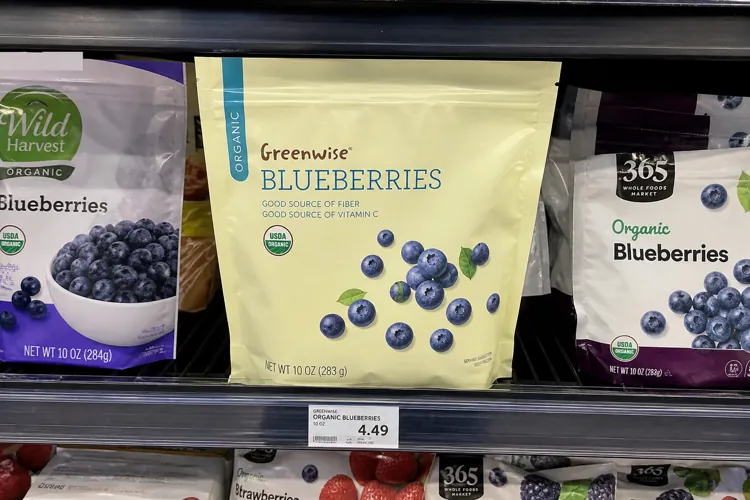
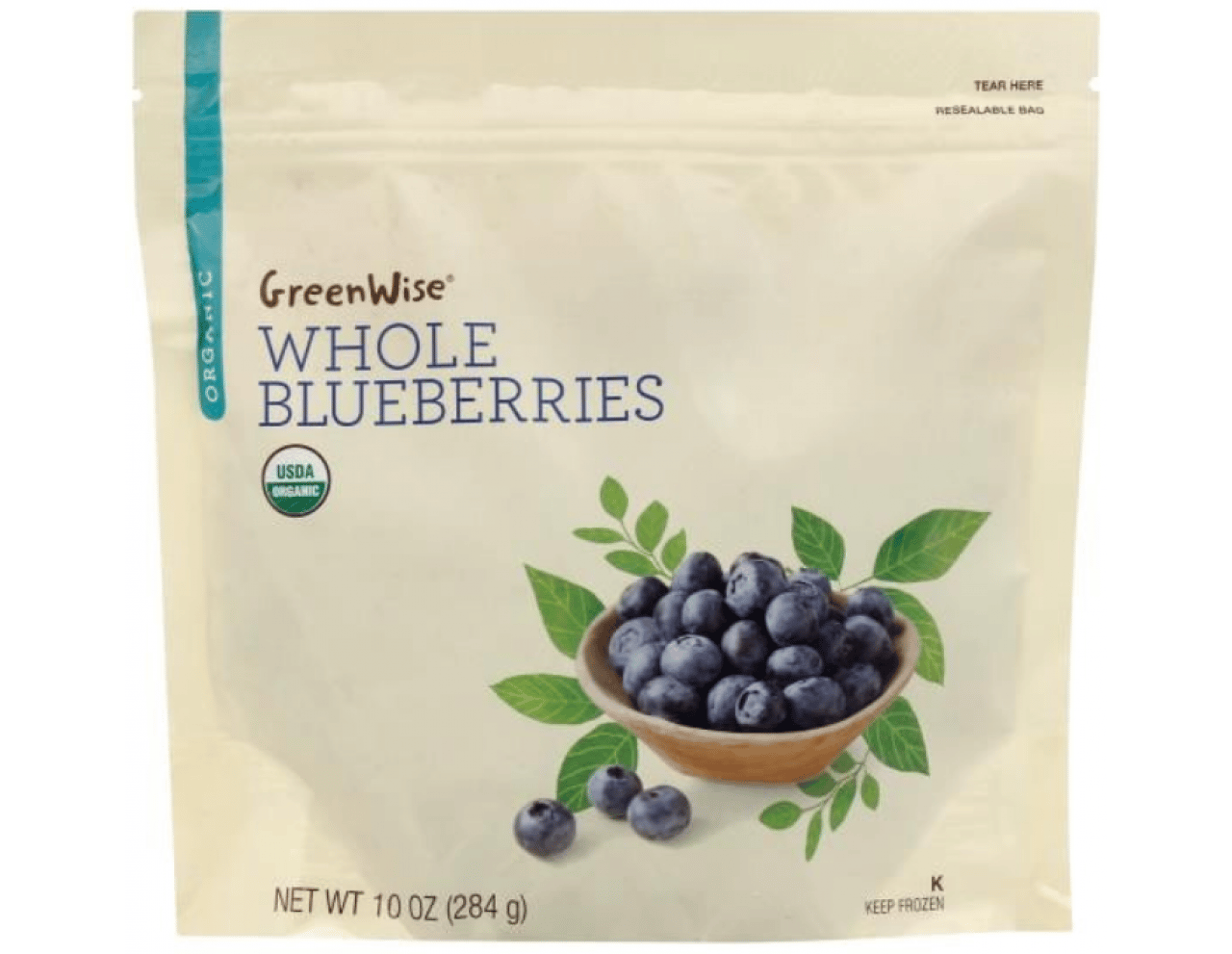
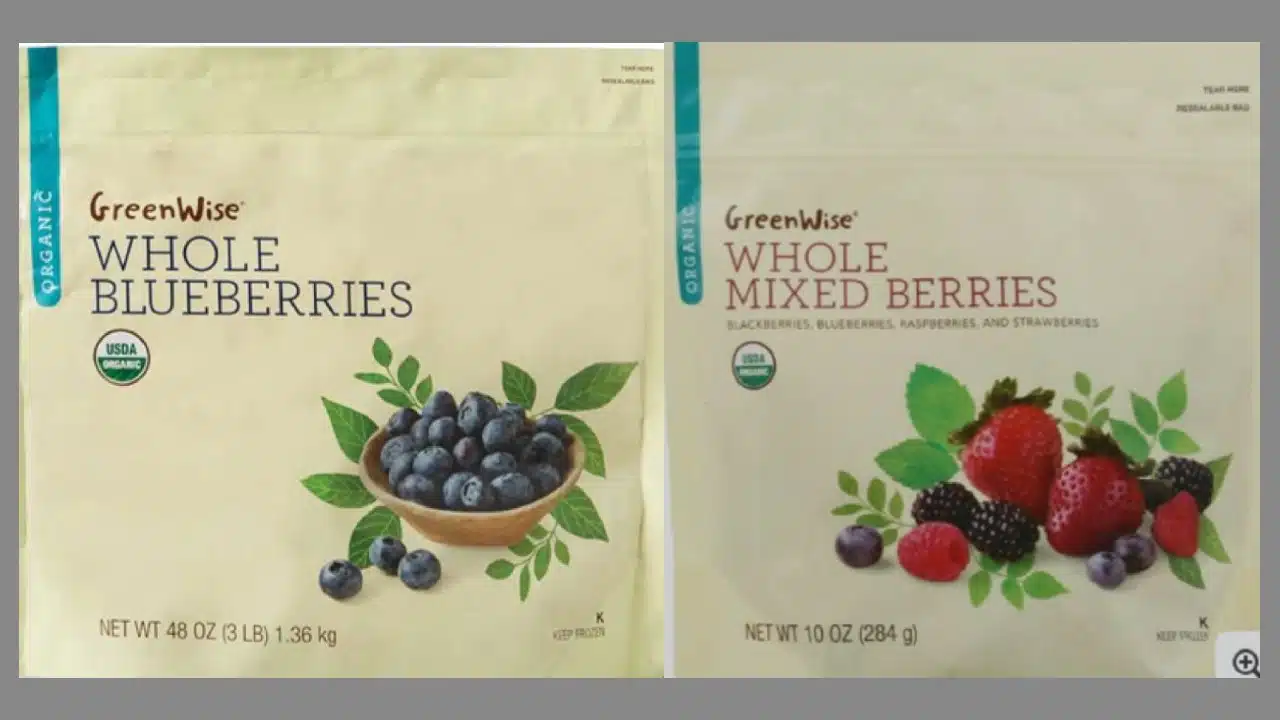
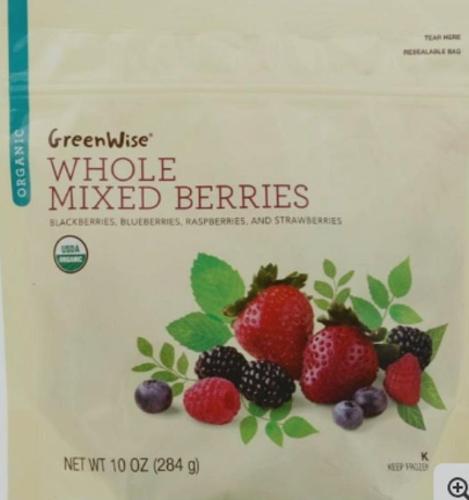
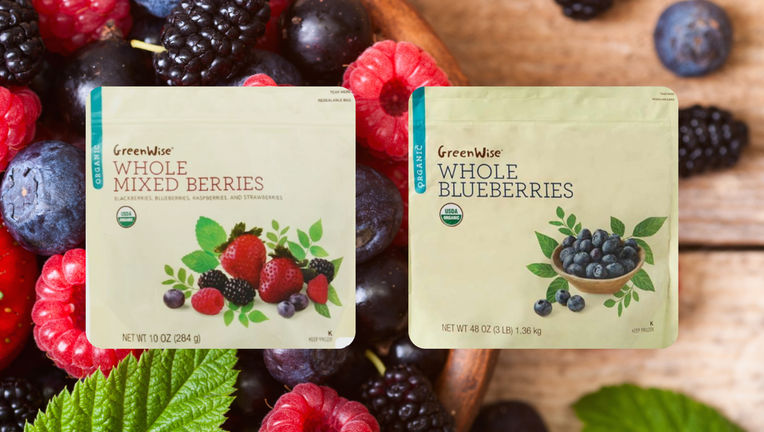
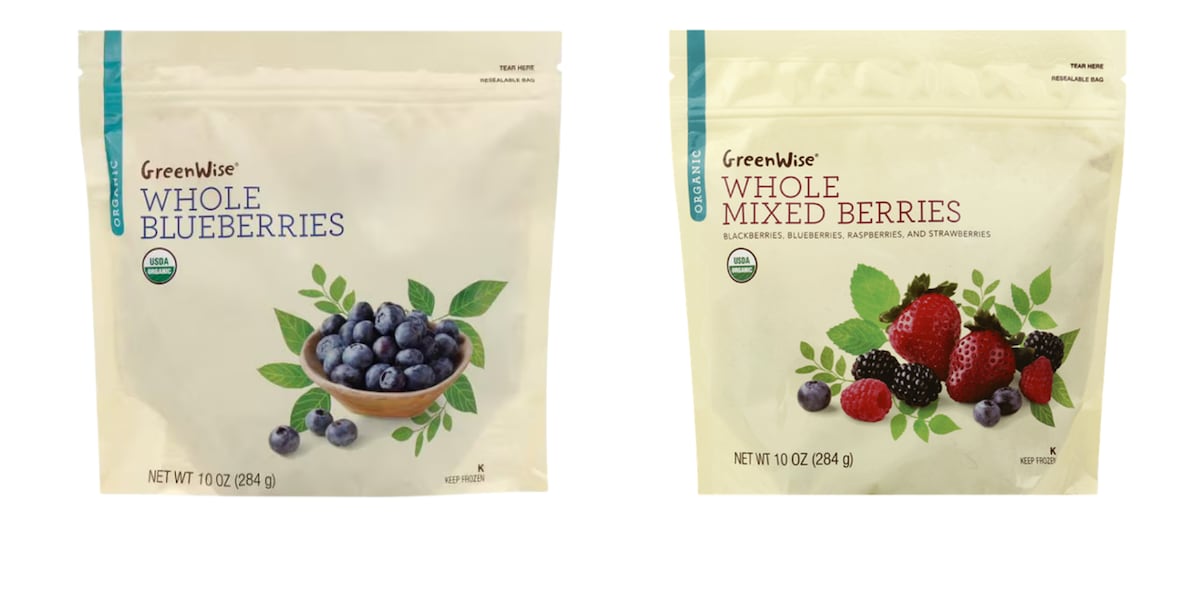
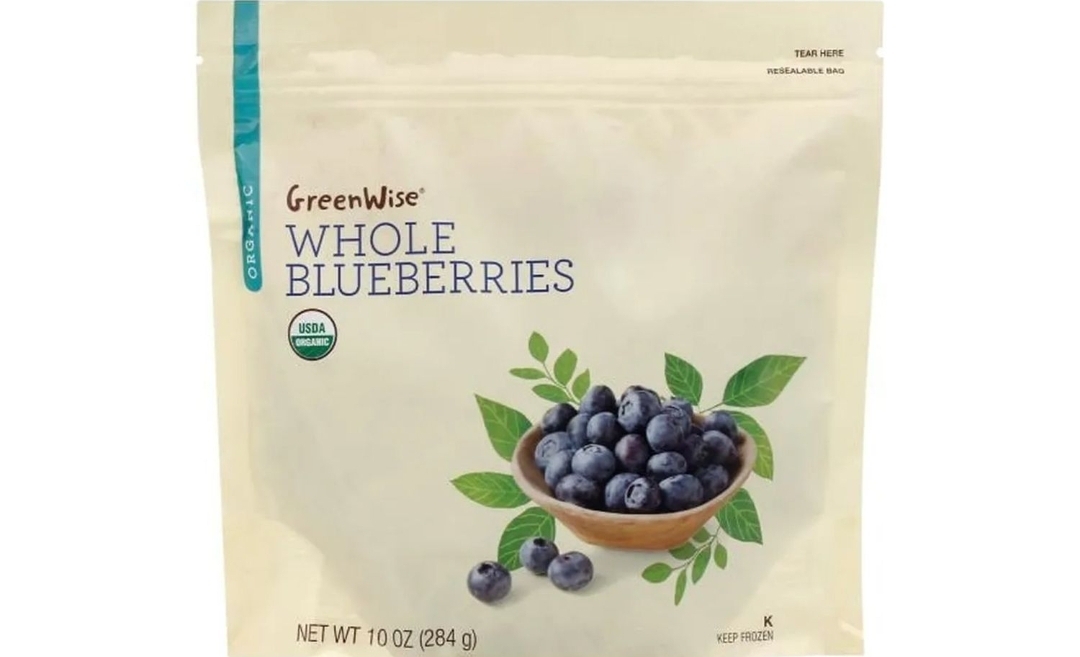
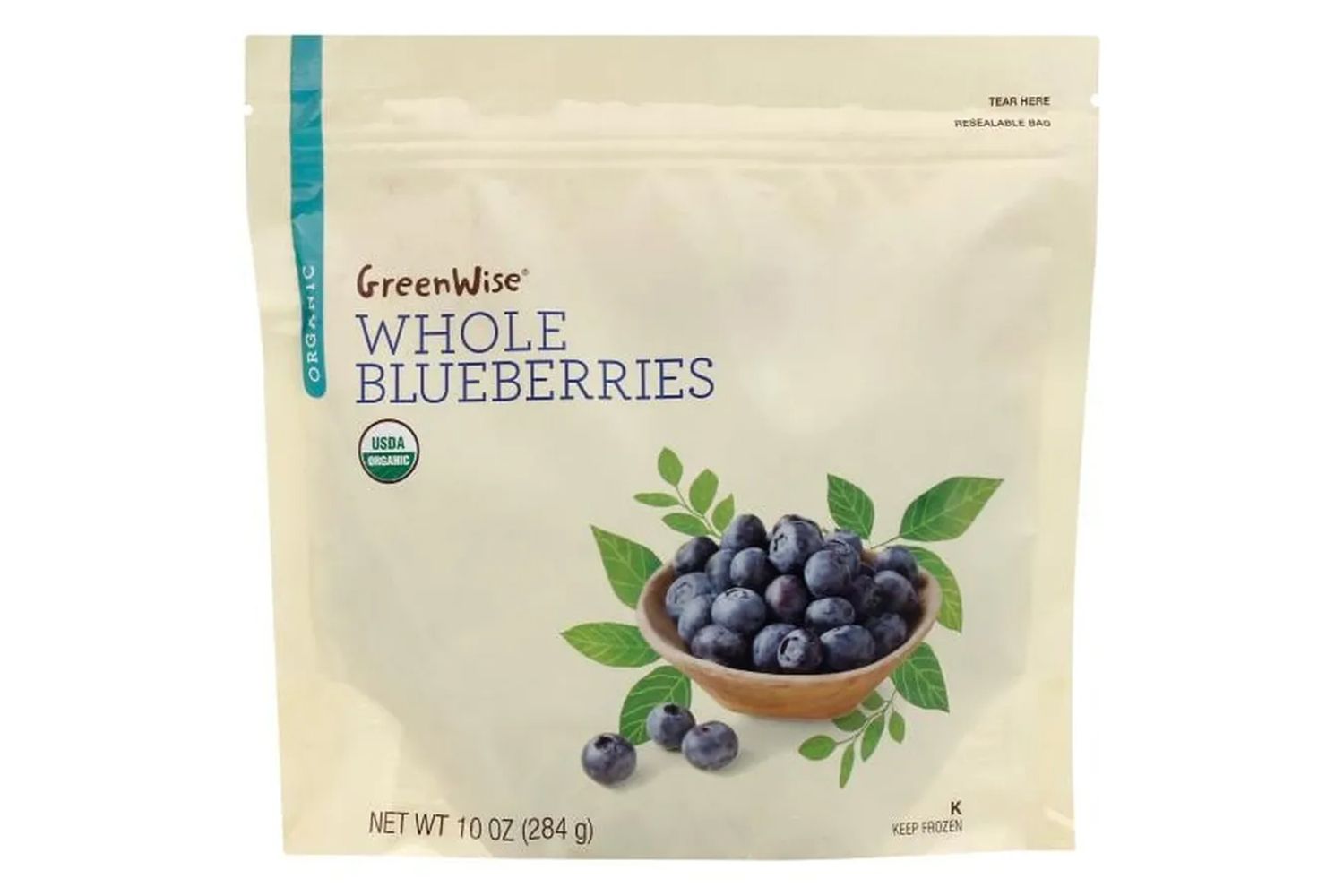
The FDA's August 19, 2026 upgrade of the GreenWise Organic frozen blueberry recall to Class 1 status represents the highest-risk food safety classification, signaling a critical compliance inflection point for frozen fruit sellers across e-commerce and retail channels. The outbreak, traced to Chile-based Frutas y Hortalizas del Sur S.A., infected 12 consumers (4 hospitalized) with E. coli O145:H28 between May 11-June 5, 2026, across Florida and Georgia. The contamination affected four product SKUs distributed across eight southeastern states (Alabama, Florida, Georgia, Kentucky, North Carolina, South Carolina, Tennessee, Virginia) with specific UPC codes (41415-06453, 41415-12053, 41415-06753, 41415-12153) and best-by dates before February 9, 2028.
Compliance Barrier Creation: This Class 1 recall establishes a high-entry compliance moat for frozen fruit sellers. The FDA's classification indicates "reasonable probability that product use or exposure will cause serious adverse health consequences or death"—triggering mandatory traceability requirements, enhanced supplier auditing, and accelerated recall protocols. Sellers sourcing from international suppliers (particularly South America) now face 15-30 day verification delays and third-party testing mandates costing $2,000-5,000 per batch. Non-compliant sellers face civil penalties up to $100,000+ per violation and potential marketplace delisting.
Market Elimination Effect: Approximately 35-45% of small-to-mid-size frozen fruit sellers (estimated 200-300 SKUs) lack the infrastructure for real-time lot tracking and rapid recall execution. Publix's immediate removal of all GreenWise lots demonstrates retailer enforcement velocity—products disappeared from shelves within 48 hours of Class 1 designation. Amazon, Walmart, and Instacart have implemented similar rapid-response protocols, creating a compliance cost floor that eliminates price-competitive sellers without HACCP certification or third-party logistics integration.
Fast-Track Compliance Opportunity: Sellers can achieve compliance within 4-6 weeks via: (1) SQF Level 2 certification ($8,000-12,000, 30-45 days), (2) FDA FSMA compliance ($5,000-8,000 for supplier verification programs), and (3) Real-time lot tracking systems ($3,000-6,000 implementation). Compliant sellers gain Buy Box eligibility on Amazon Fresh and Instacart, capturing market share from delisted competitors. Historical data shows compliant sellers capture 60-70% of market share within 90 days post-recall in frozen fruit categories.
Alternative Category Opportunities: Sellers can pivot to shelf-stable berry products (dried blueberries, berry powders, freeze-dried formats) which face lower microbial contamination risk and require only standard food facility registration. These alternatives generate 15-25% higher margins ($8-12/lb vs. $5-7/lb for frozen) and avoid cold-chain compliance costs ($2,000-4,000/month for temperature-controlled logistics).
Questions 8
What is the market opportunity for compliant frozen fruit sellers post-recall?
The GreenWise recall eliminates 35-45% of non-compliant competitors (estimated 200-300 SKUs), creating a **market consolidation opportunity** for certified sellers. Compliant sellers can capture 60-70% market share within 90 days through: (1) Priority placement on Amazon Fresh, Instacart, Walmart+; (2) Premium pricing (+15-25% margin improvement); (3) Direct-to-consumer channels via Shopify with compliance certification as trust signal. Historical data from 2023 egg recall (Salmonella) shows compliant sellers achieved $2-4M revenue uplift within 6 months. The frozen fruit category generates $8-12B annually in US e-commerce; compliant sellers can capture $1-2M incremental revenue through market share consolidation.
How do Amazon Fresh and Instacart enforce frozen fruit compliance standards?
Both platforms require: (1) SQF Level 2 or equivalent certification for new suppliers; (2) Real-time lot tracking integration with platform systems; (3) Automated recall response protocols (product removal within 24 hours); (4) Third-party pathogen testing documentation. Amazon Fresh delists non-compliant sellers within 48 hours of Class 1 recall designation. Instacart implements similar protocols through its supplier verification program. Compliant sellers gain Buy Box eligibility and priority placement, capturing 60-70% of platform traffic. The GreenWise recall demonstrates enforcement velocity—all affected SKUs removed from Publix within 48 hours of Class 1 upgrade.