


CBP Escalates Botanical Contraband Enforcement | Cross-Border Sellers Face Compliance Risk
- Three major khat seizures (1,709 lbs total) in days signal heightened CBP screening at major hubs; sellers sourcing botanical/wellness products from East Africa face shipment delays and legal liability













Overview
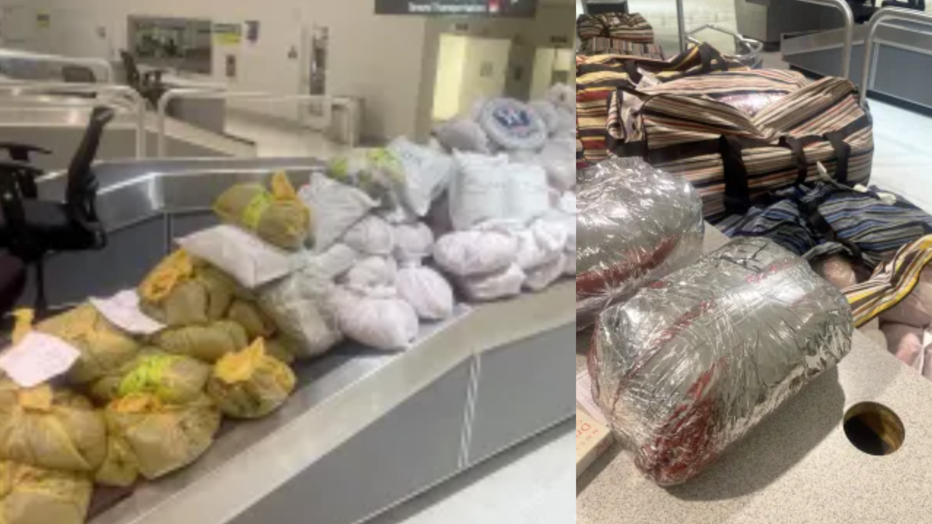
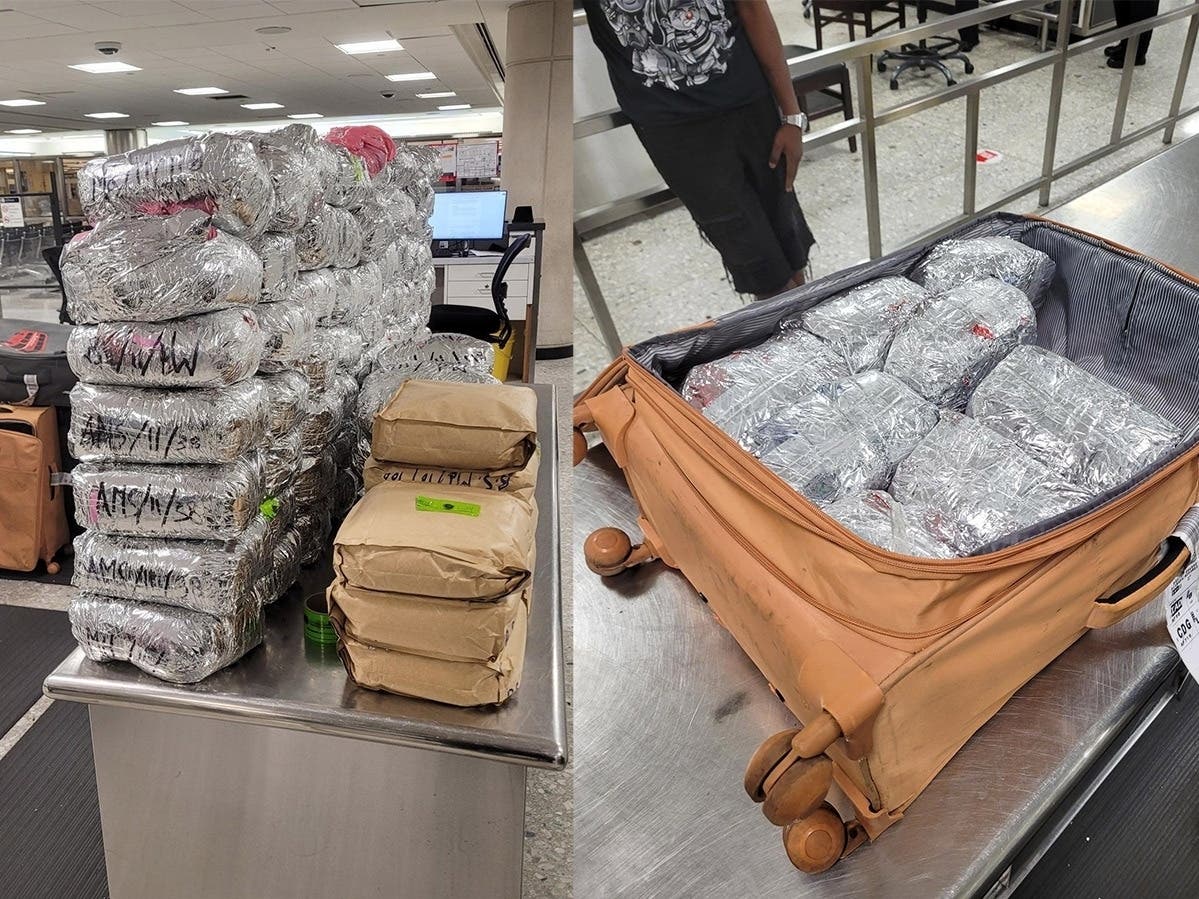
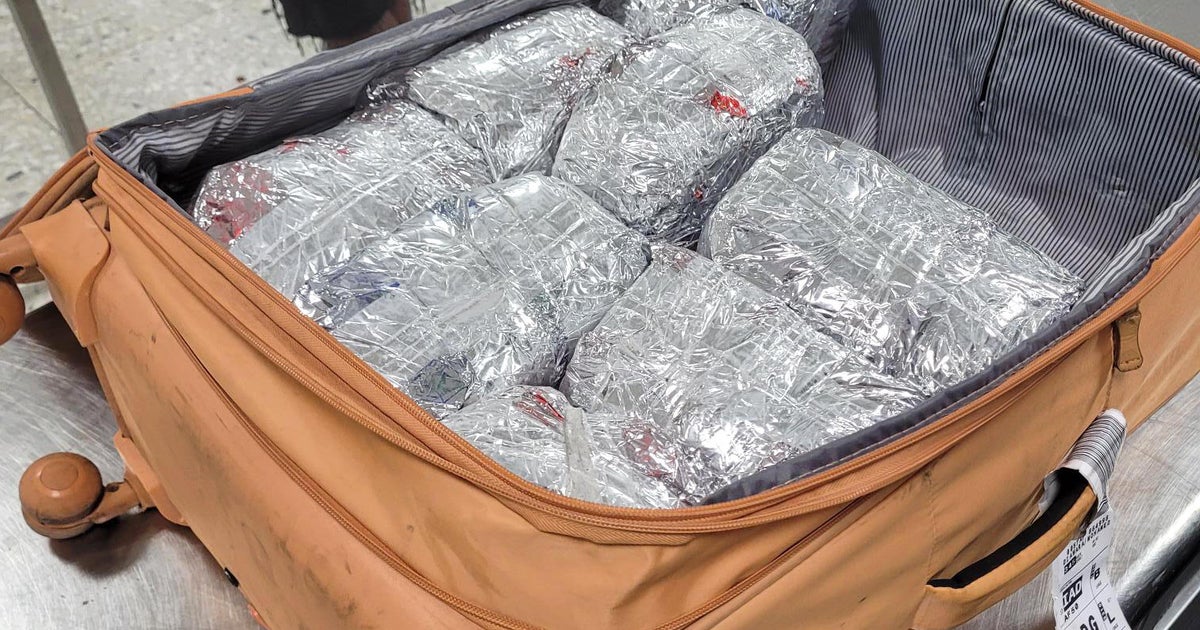
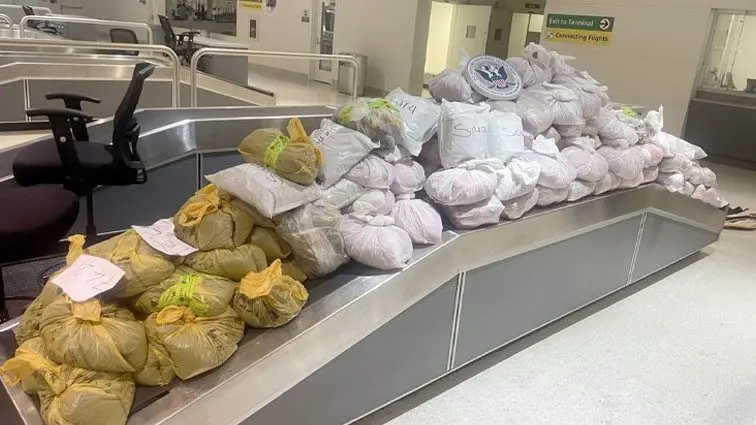
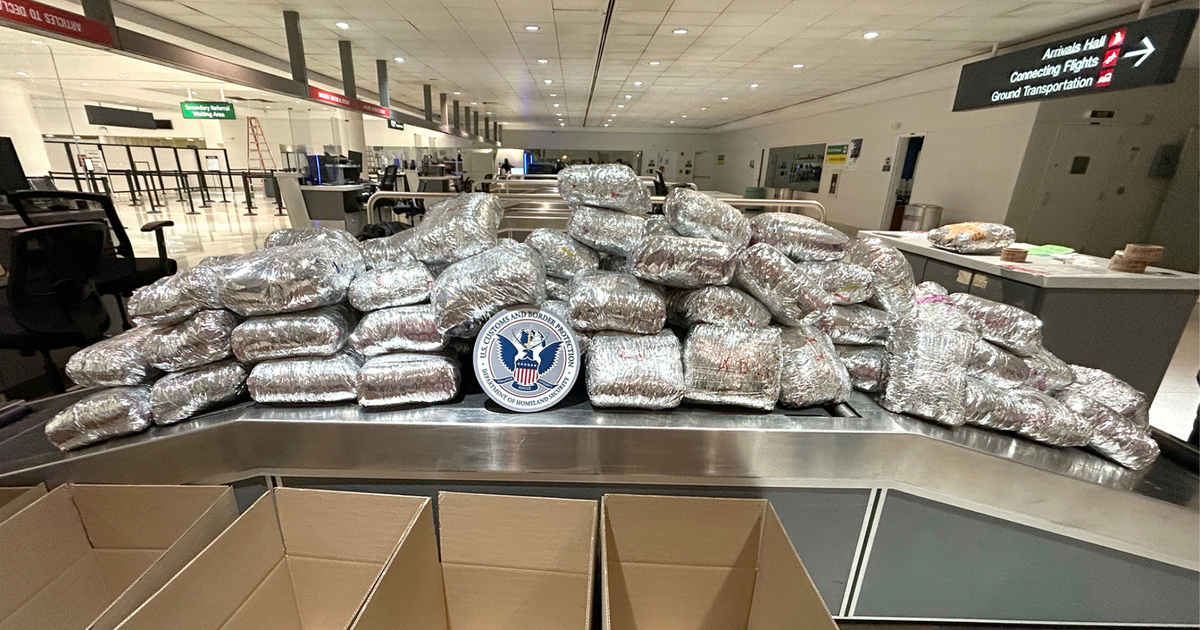
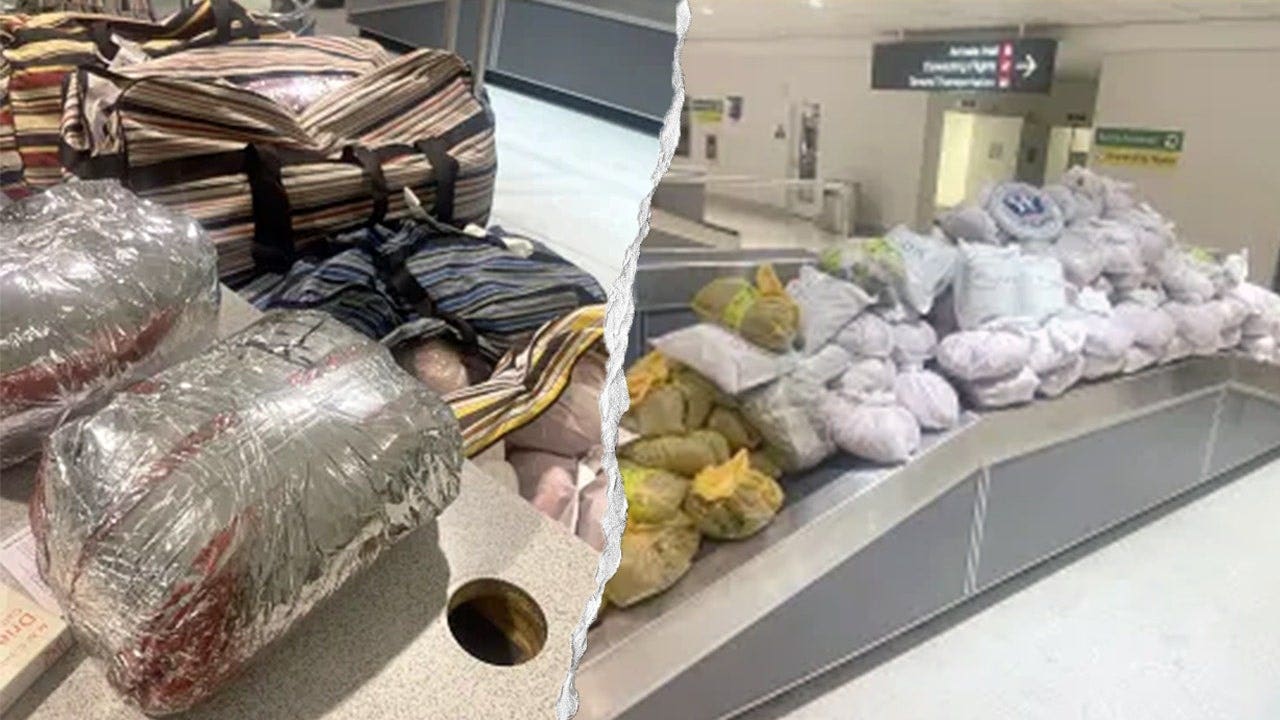
CBP's intensified enforcement against khat smuggling represents a critical compliance inflection point for cross-border e-commerce sellers sourcing botanical, herbal, and wellness products. Between August 11-13, 2026, U.S. Customs and Border Protection officers seized 1,709 pounds of khat across multiple incidents at Baltimore/Washington International (BWI) Airport—850 lbs from London-origin luggage, 847 lbs from New York travelers arriving from London, and 412 lbs in a preceding seizure. The substance, containing cathinone (Schedule I controlled substance), was disguised as tea leaves with an estimated street value of $100,000. These consecutive seizures indicate organized smuggling networks targeting BWI as a distribution hub, but more critically, they signal CBP's deployment of enhanced field-testing protocols and secondary inspection procedures that directly impact legitimate commerce.
For sellers operating in botanical products, dietary supplements, wellness teas, and herbal remedies categories, this enforcement pattern creates three immediate operational risks. First, CBP's heightened vigilance at major ports of entry (particularly BWI serving the Baltimore-Washington corridor) will increase customs clearance times by 5-15 days for shipments from East Africa and the Arabian Peninsula—the primary khat cultivation regions. Sellers importing legitimate herbal products (rooibos, hibiscus, moringa) from Kenya, Ethiopia, Yemen, or Somalia face extended inspections due to geographic origin profiling. Second, misclassification risk has escalated: products labeled as "tea," "botanical supplement," or "herbal blend" without explicit DEA compliance documentation face seizure regardless of actual content. Third, the $100,000 street value reference indicates CBP is now treating botanical imports with the same forensic rigor as narcotics, meaning standard commercial documentation (invoices, certificates of origin) no longer provides sufficient compliance protection.
The logistics impact extends beyond customs delays to total landed cost compression. Sellers must now budget for: (1) enhanced laboratory testing certificates from suppliers ($200-500 per shipment), (2) specialized customs brokers familiar with DEA scheduling ($150-300 per entry), (3) potential 10-20 day clearance delays increasing inventory carrying costs by 2-4%, and (4) insurance premium increases for botanical category shipments (5-8% rate increase). For a typical seller importing 500 kg monthly of herbal products at $8-12/kg landed cost, these compliance additions represent $1,200-2,000 monthly overhead. Additionally, the pattern of consecutive seizures suggests CBP may implement mandatory pre-clearance documentation for all botanical imports from high-risk regions, requiring sellers to obtain DEA scheduling verification letters before shipment—a 2-3 week administrative process that compresses supplier lead times.
Strategic sourcing alternatives are emerging as risk mitigation. Sellers should evaluate shifting 30-50% of botanical sourcing from East Africa/Middle East to lower-scrutiny regions: India (turmeric, ashwagandha, ginger), Indonesia (clove, nutmeg, cinnamon), and Vietnam (cinnamon, star anise). These regions offer comparable pricing ($6-10/kg) with significantly lower CBP inspection rates. For sellers unable to shift sourcing, implementing blockchain-verified supply chain documentation and third-party laboratory testing (ISO 17025 certified) can reduce clearance times by 40-60%. Warehouse positioning should prioritize domestic 3PL facilities in non-CBP-intensive regions (Texas, Arizona inland ports) over coastal consolidation centers, reducing exposure to secondary inspection protocols. The immediate action window is 30 days: sellers must audit current East Africa/Middle East supplier relationships, obtain DEA scheduling letters for all botanical SKUs, and establish alternative sourcing quotes from lower-risk regions.
Questions 8
How do the August 2026 CBP seizures affect legitimate herbal product sellers?
The three consecutive khat seizures (850 lbs, 847 lbs, 412 lbs) at BWI between August 11-13 signal CBP's deployment of enhanced field-testing protocols and secondary inspection procedures for all botanical imports from East Africa and Middle East regions. Legitimate sellers importing herbal products (rooibos, hibiscus, moringa, turmeric) from Kenya, Ethiopia, Yemen, or Somalia now face 5-15 day customs clearance delays due to geographic origin profiling. Sellers must obtain DEA scheduling verification letters and third-party laboratory testing certificates ($200-500 per shipment) to avoid seizure. The enforcement pattern indicates CBP is treating botanical imports with narcotics-level forensic rigor, requiring enhanced documentation beyond standard commercial invoices.
What is khat and why is it illegal for import into the United States?
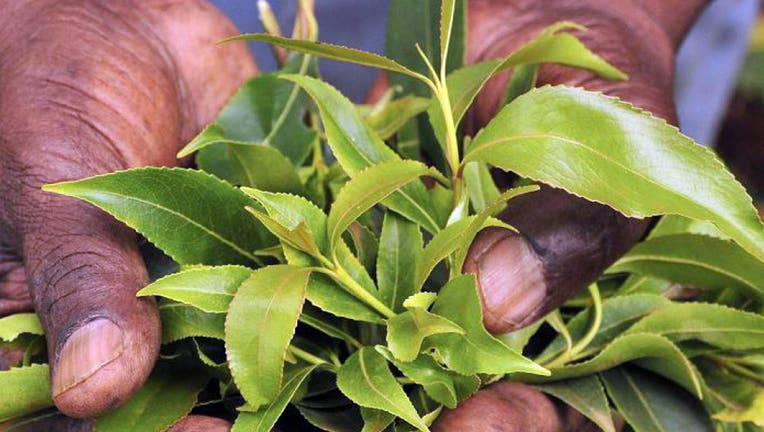
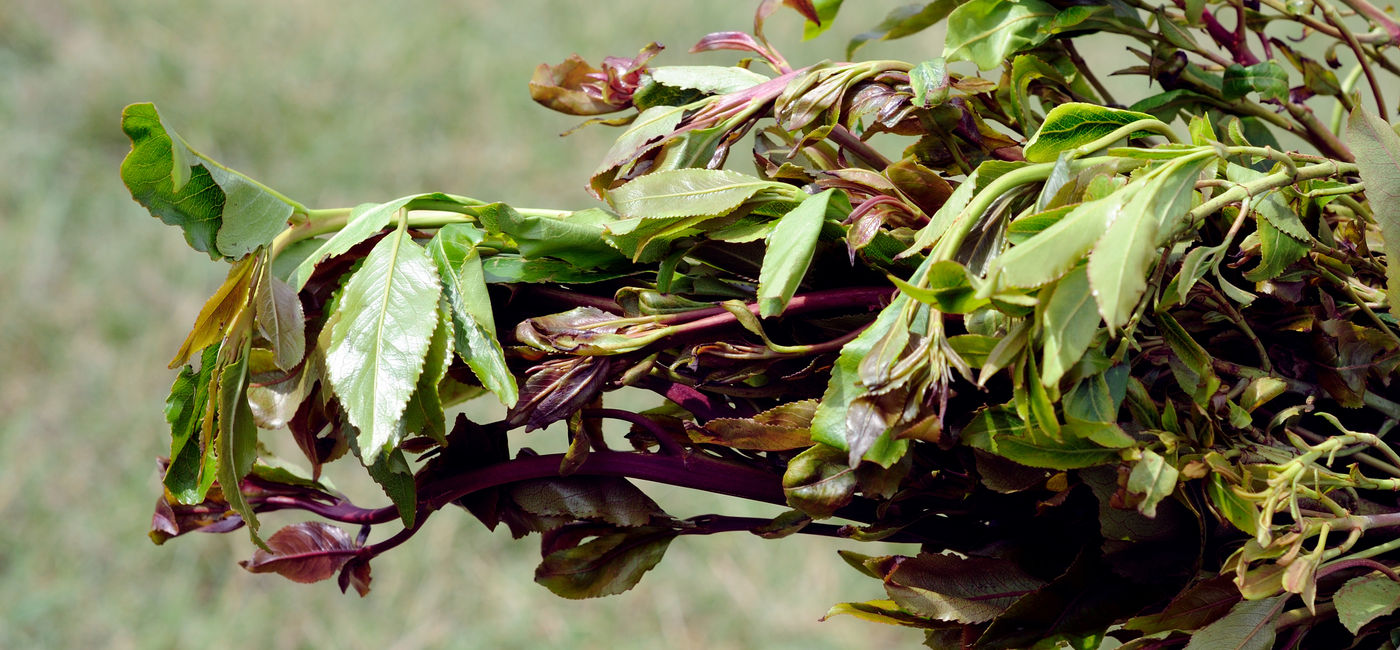
Khat (Catha edulis) is a plant native to East Africa and the Arabian Peninsula containing cathinone, classified as a Schedule I controlled substance under U.S. federal law. The substance produces amphetamine-like stimulant effects and is prohibited for import regardless of quantity or intended use—whether for personal consumption, commercial distribution, or research. CBP maintains zero-tolerance enforcement, as demonstrated by the August 2026 seizures totaling 1,709 pounds at BWI Airport. For cross-border sellers, this means any botanical product containing khat or cathinone faces automatic seizure and potential criminal liability, even if mislabeled as tea or herbal supplement.