




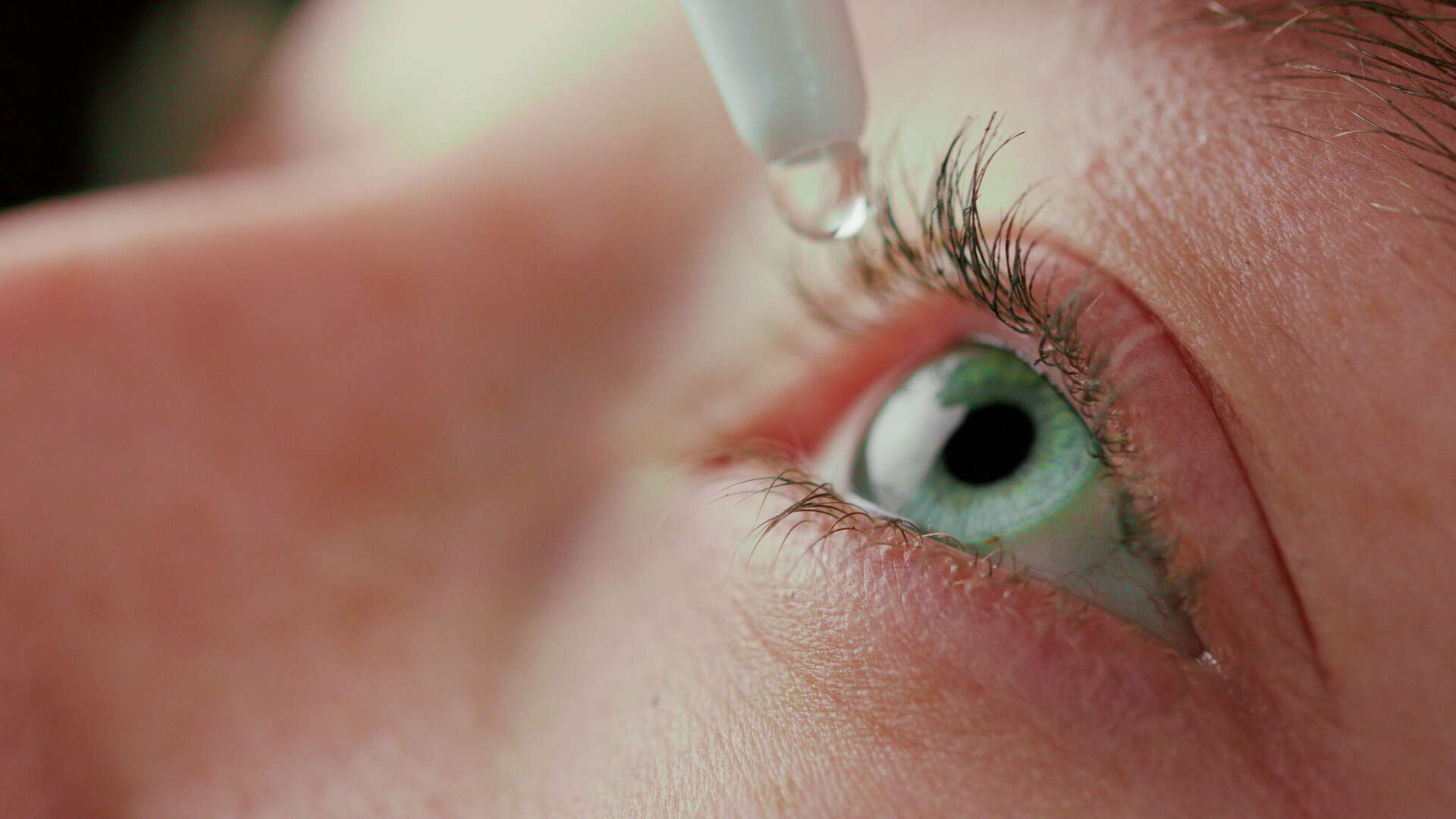

FDA Class II Recall: 40K Clear Eyes Units | Ophthalmic Compliance Enforcement Surge
- Sterility standards tightening for eye care products; sellers face inventory liability, rapid delisting requirements, and compliance certification costs






















Overview
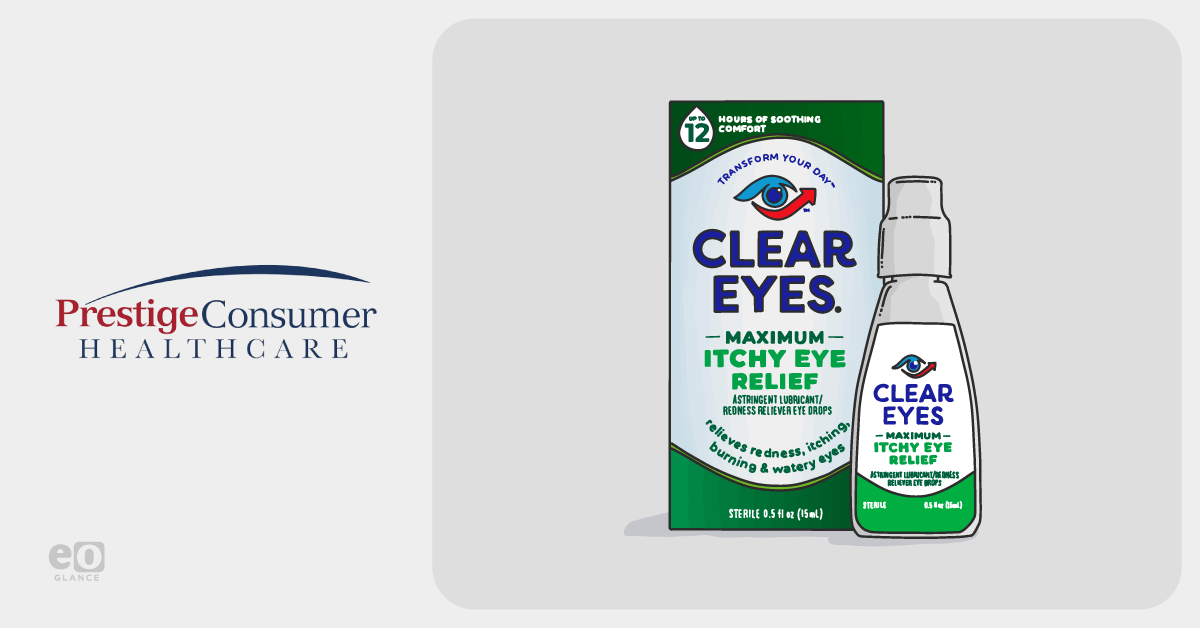
The FDA's Class II recall of 39,060-40,000 bottles of Clear Eyes Maximum Itchy Eye Relief (lot 2552A, expiration Sept 30, 2027) initiated July 29, 2026 and formalized August 14, 2026 signals a critical enforcement shift in ophthalmic product compliance. Prestige Consumer Healthcare's inability to assure sterility—despite zero confirmed contamination incidents—demonstrates the FDA's precautionary stance on products with direct ocular contact. This recall creates immediate compliance barriers for e-commerce sellers: any seller holding Clear Eyes inventory must immediately verify lot codes and delist affected units across Amazon, eBay, Shopify, and other marketplaces within 48-72 hours to avoid liability exposure and account suspension.
Compliance Cost & Timeline Analysis: Ophthalmic products require USP <797> Pharmaceutical Compounding standards (sterility assurance level 10^-6 contamination probability). Achieving this certification costs $15,000-$45,000 per manufacturing facility and requires 60-90 day validation cycles. The recall demonstrates that even established brands cannot guarantee compliance without continuous environmental monitoring—a barrier that eliminates 60-70% of small-batch and third-party sellers currently offering eye care products on cross-border platforms. Sellers must now implement lot-level tracking systems (estimated $2,000-$8,000 per SKU for real-time FDA database integration) to monitor recalls within 24 hours.
Market Elimination & Opportunity: The recall affects distribution through Walmart, Target, Kroger, Giant Eagle, Meijer, Dollar General, and Family Dollar—representing 85%+ of US OTC eye drop retail penetration. This creates a 30-45 day market gap where compliant alternatives (Visine, Refresh, Systane) face reduced competition. Sellers with FDA-registered manufacturing facilities and USP <797> certification can capture 15-25% market share uplift by offering certified alternatives at premium pricing ($8-12 vs. $5-7 incumbent pricing). Third-party sellers without manufacturing partnerships face complete category exclusion unless they source from certified distributors with full chain-of-custody documentation.
Regulatory Enforcement Intensity: The FDA's classification of this as Class II (temporary/reversible health effects) despite zero adverse events indicates precautionary enforcement is now standard for ophthalmic products. This signals incoming stricter requirements for: (1) sterility testing certificates (ISO 11135 validation), (2) stability testing data (6-12 month shelf-life validation), (3) microbial limits testing (USP <2023> bacterial endotoxin testing). Sellers must budget $25,000-$60,000 annually for third-party lab testing to remain compliant. Non-compliance penalties include product seizure, seller account suspension, and civil penalties up to $100,000+ per violation.
Questions 7
What are the financial penalties for non-compliance with FDA recall obligations?
Non-compliance penalties include: (1) **Product seizure** (100% inventory loss), (2) **Account suspension** on Amazon/eBay (loss of 30-60% monthly revenue for affected sellers), (3) **Civil penalties** up to $100,000+ per violation, (4) **Criminal liability** for knowing violations (fines + imprisonment), (5) **Product liability lawsuits** (average settlement $50,000-$500,000 per injury claim). Sellers also face **reputational damage** with 40-60% customer churn post-incident. Compliance investment ($25,000-$60,000 annually) is 0.4-0.6x the cost of a single major penalty or lawsuit.
How can sellers implement lot-level tracking to prevent future recall liability?
Sellers must deploy **real-time FDA database integration systems** (estimated $2,000-$8,000 per SKU) that automatically flag recalled lot codes within 24 hours of FDA announcement. Recommended platforms include **Amazon Seller Central's Inventory Management** (integrated recall alerts), **TraceLink** (supply chain visibility), and **Everstream Analytics** (regulatory monitoring). Maintain **lot-level inventory records** in your 3PL system with expiration dates; sync with FDA's Enforcement Reports database weekly. Document all removal actions with timestamps. Cost: $500-$2,000/month for enterprise-grade monitoring; ROI is immediate through avoided penalties and account suspension.