
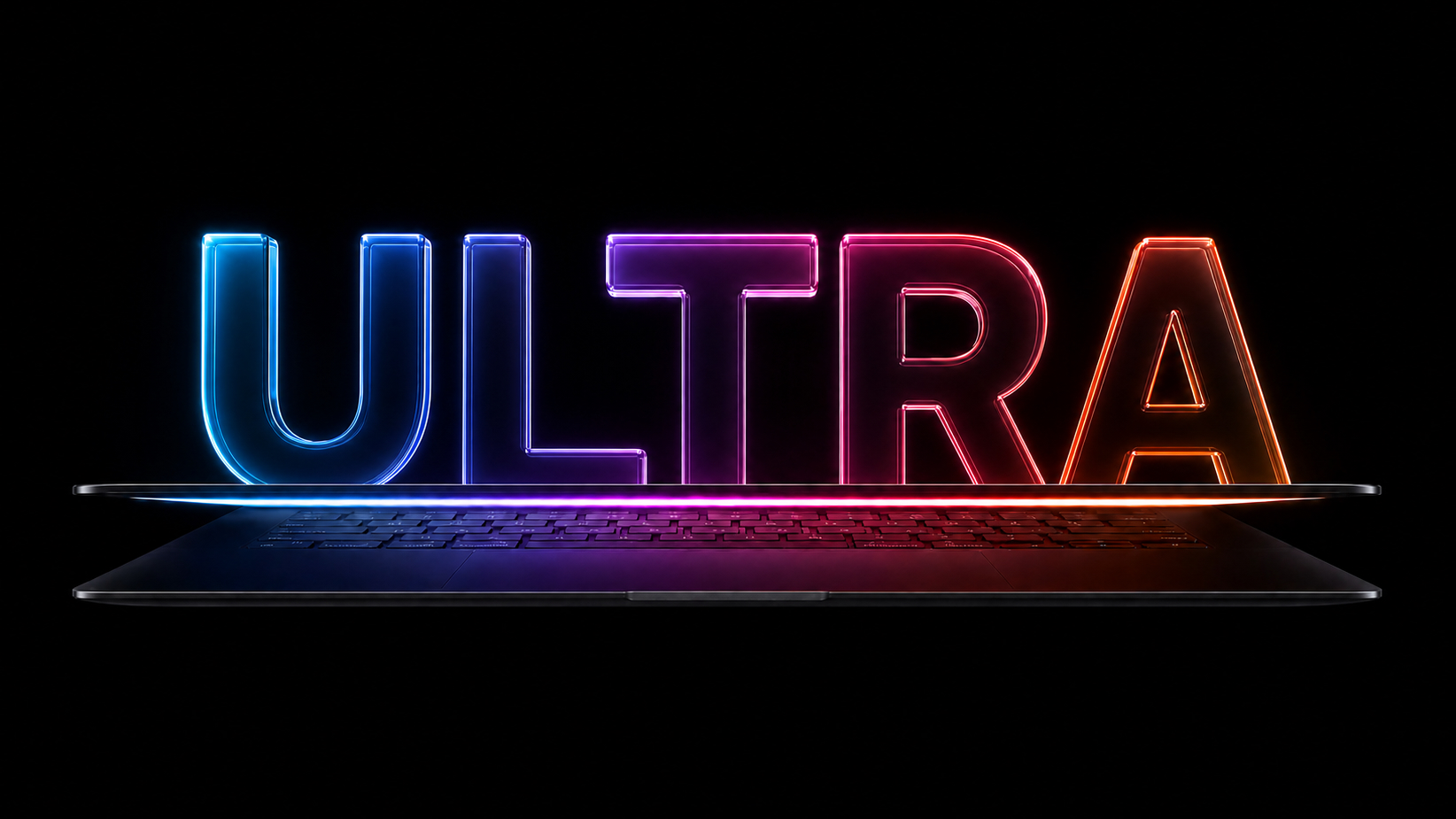
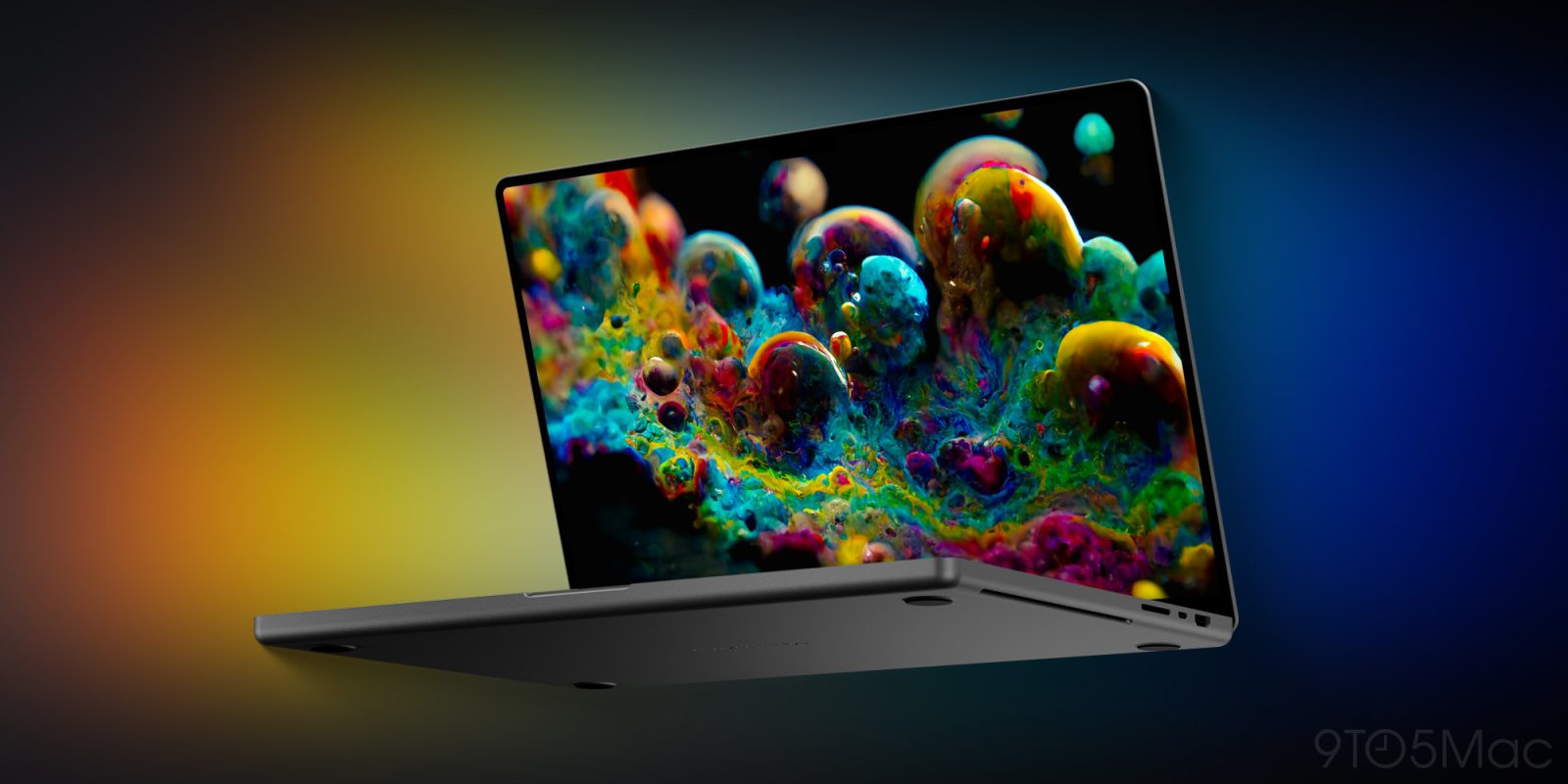
Apple MacBook OLED Transition Drives 22.5M Panel Supply Chain Shift | Seller Sourcing Opportunity
- Samsung's $46.5B investment in A6 OLED fab signals accelerating LCD-to-OLED transition across premium laptop segment; creates sourcing opportunities for compatible accessories, protective cases, and tech peripherals targeting 2026-2027 MacBook launch window

Overview
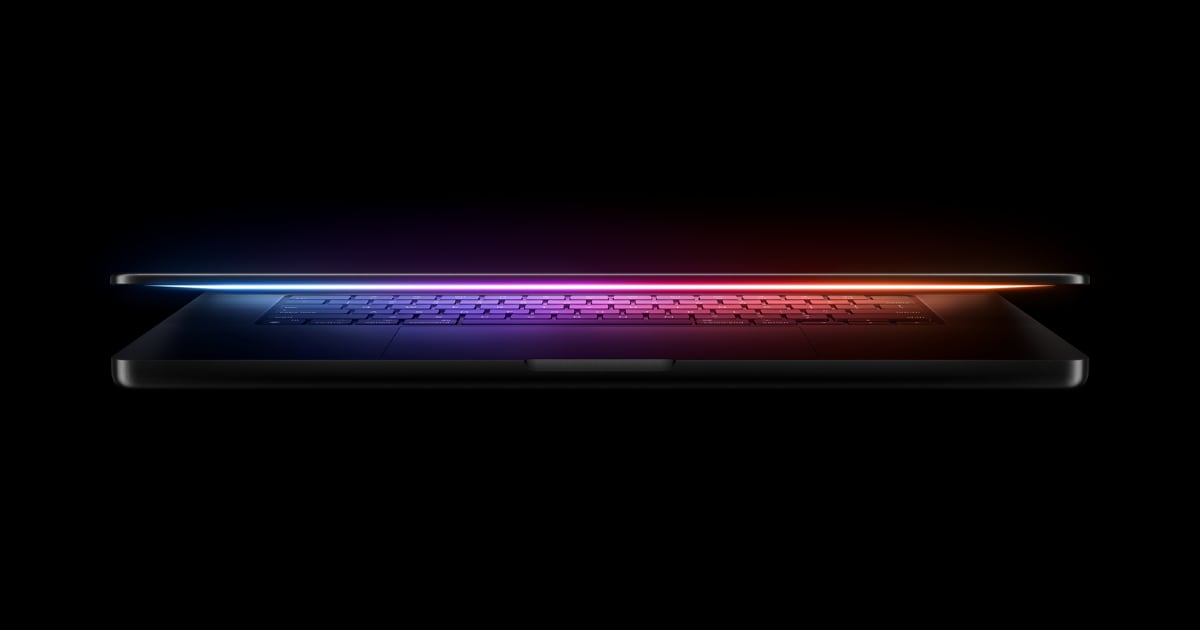
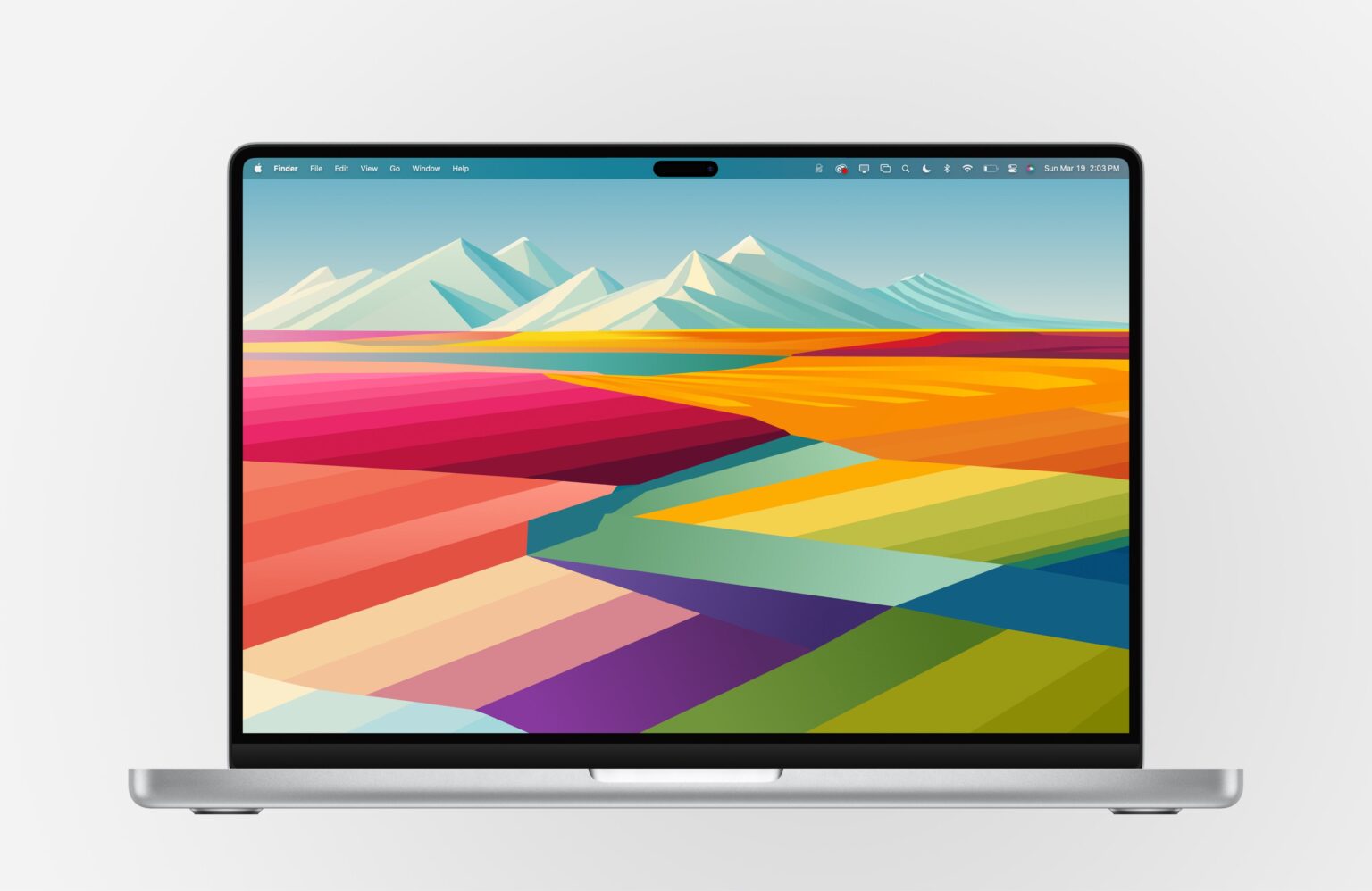
Samsung Display's commencement of mass production at its new A6 OLED manufacturing facility represents a critical inflection point in the premium laptop supply chain, with direct implications for cross-border sellers in electronics accessories and tech peripherals. The facility, operational since summer 2026 with full ramp-up by August 2026, is dedicated exclusively to supplying OLED panels for Apple's MacBook Pro lineup—a strategic win over competitor LG Display. Samsung's $46.5 billion USD investment through 2040 underscores the scale of this transition, with the A6 factory expected to produce approximately 22.5 million OLED panels annually for Apple alone.
Supply Chain Acceleration & Sourcing Implications: This development marks the third Gen 8.7 OLED fabrication facility to begin mass production in 2026, following BOE's earlier startup. The accelerating LCD-to-OLED transition across IT devices signals that premium laptop segments are consolidating around OLED technology, creating a 12-18 month window for sellers to position inventory before the first OLED-equipped MacBook launches in late 2026 or early 2027. Samsung Display plans to double production capacity at A6 in subsequent phases and expand supply to other PC manufacturers beyond Apple, indicating broader industry adoption of Gen 8.7 OLED substrates (2250x2620mm) utilizing Fine Metal Mask (FMM) manufacturing methods.
Logistics & Inventory Strategy for Sellers: The MacBook OLED launch—potentially featuring Apple's first touchscreen implementation—will drive demand for complementary product categories: premium protective cases (15-16" OLED-specific designs), screen protectors optimized for OLED technology, laptop stands with thermal management for OLED cooling, and USB-C accessories compatible with next-gen MacBook specifications. Sellers should source these categories from established Asian suppliers (Taiwan, South Korea, China) with proven track records in Apple ecosystem products. Inventory positioning should prioritize US and EU warehouses by Q3 2026 to capture early adopter demand during the 2026-2027 holiday season and Q1 2027 refresh cycle.
Competitive & Market Positioning: The OLED transition creates a 6-month competitive advantage window for sellers who stock complementary products before mainstream adoption. Historical data from previous Apple product transitions (iPhone OLED 2017, iPad Pro OLED 2024) shows 40-60% margin premiums on first-mover accessories during launch quarters. Sellers should monitor Samsung Display's capacity announcements and Apple's official MacBook specifications (expected Q3 2026) to time inventory purchases and warehouse positioning for maximum turnover velocity.
Questions 8
What are the supply chain risks for sellers sourcing MacBook OLED accessories?
Primary risks include: (1) Apple specification changes post-announcement (requiring inventory adjustments), (2) Samsung capacity delays impacting MacBook launch timing, (3) Tariff changes on electronics accessories (US-China trade tensions), and (4) Competitor oversupply during launch window compressing margins. Mitigation strategies: diversify suppliers across Taiwan and South Korea to reduce single-source risk, negotiate flexible MOQs with suppliers for 2026 orders, maintain 15-20% inventory buffer for specification changes, and monitor US-China trade policy through Q3 2026. Consider dropshipping arrangements with 2-3 backup suppliers to manage inventory risk during the uncertain launch period.
How should sellers monitor and time their inventory purchases for MacBook OLED launch?
Track three key indicators: (1) Samsung Display's quarterly capacity reports and A6 facility ramp-up progress (publicly available via Samsung Investor Relations), (2) Apple's official MacBook specifications and launch announcements (typically Q3 for late-year releases), and (3) Competitor accessory listings on Amazon and eBay to gauge market saturation timing. Set internal milestones: place initial orders by May 2026, receive first shipments by July 2026, and have full inventory positioned by September 2026. Use Amazon's Category Performance Dashboard to monitor BSR trends in laptop accessories categories starting Q3 2026. Adjust reorder quantities based on early sales velocity—expect 2-3x normal turnover during launch quarter.