


Canada-US Tariff Pause & Energy Policy Shift | Cross-Border Logistics Impact
- 50% tariff halt signals major trade negotiation window; energy infrastructure decisions affect shipping costs and supply chain stability for Canadian sellers
























Overview
The Critical Trade Window: August 2026 Tariff Pause Creates Immediate Seller Opportunities
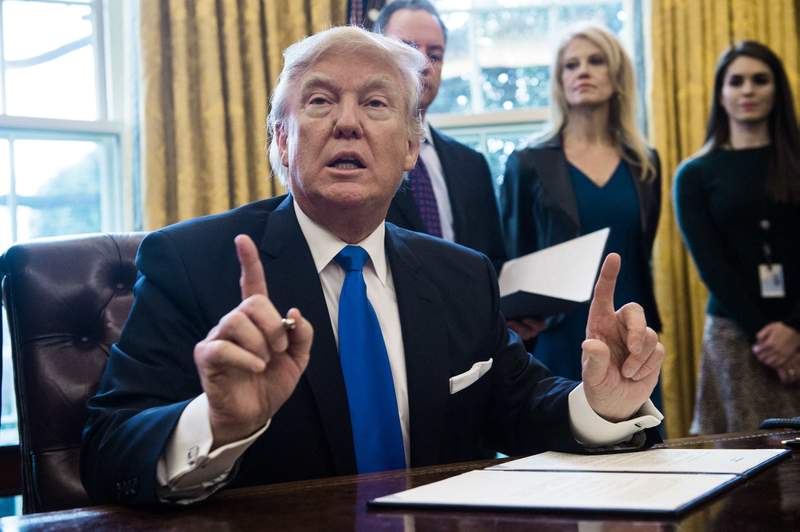
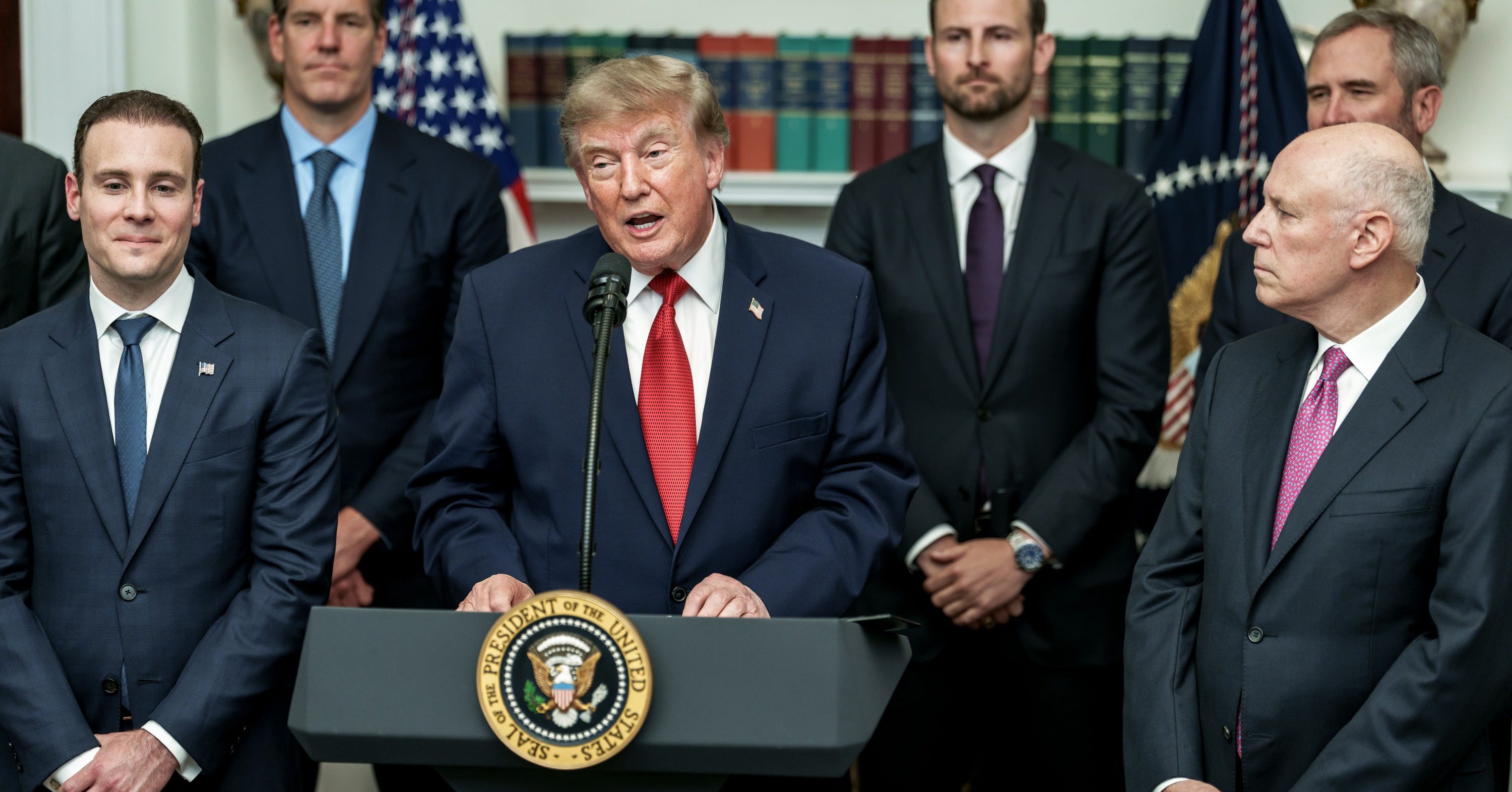
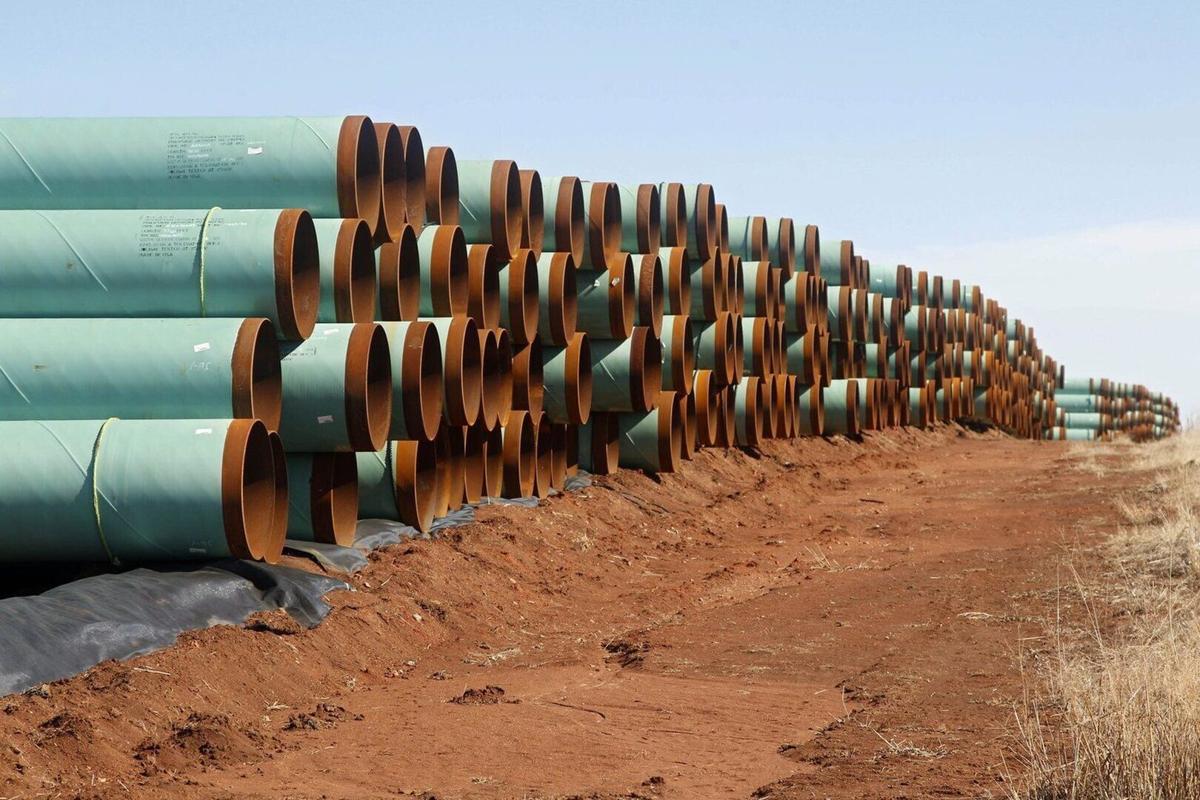
On August 19, 2026, President Trump announced a three-day halt on 50% tariffs scheduled against Canadian goods, positioning the Keystone XL pipeline revival as a negotiation centerpiece in broader Canada-US trade talks. This represents a pivotal moment for cross-border e-commerce sellers, as energy infrastructure policy directly influences shipping costs, logistics networks, and tariff structures between the two nations. The news reveals a fundamental shift in trade dynamics: Trump's administration is using energy policy as leverage in tariff negotiations, creating both immediate uncertainty and strategic opportunities for sellers.
Tariff Arbitrage & Logistics Cost Implications
The 50% tariff threat—paused for three days—would devastate Canadian sellers exporting to the US and US sellers importing from Canada. For context, approximately 85-90% of Canada's crude oil exports flow to the US, and this energy dependency creates leverage in broader trade negotiations. The pause window (August 19-22, 2026) signals active deal-making. For sellers, this means: (1) Immediate action window: Sellers should lock in pricing and shipping arrangements before tariff negotiations conclude; (2) Logistics cost modeling: Energy costs directly impact 3PL and fulfillment pricing—a 12% increase in Canadian crude exports (via Prairie Connector project) could reduce energy costs 2-4% over 12-18 months, translating to $150-400 monthly savings for mid-size sellers shipping 500+ units; (3) Market access shifts: If tariffs remain paused or are reduced, Canadian sellers gain competitive advantage against US-based competitors on Amazon, Shopify, and eBay.
Strategic Sourcing & Competitive Positioning
The news reveals industry skepticism about Keystone XL revival—TC Energy divested its pipeline operations to South Bow, and industry experts note Trump's reference carries "more political significance than practical petroleum implications." This creates a timing arbitrage opportunity: sellers should assume tariffs remain elevated (50% or negotiated reduction) rather than betting on pipeline revival. Canadian sellers should: (1) Diversify sourcing: Consider Mexico or Vietnam alternatives to reduce tariff exposure; (2) Inventory positioning: Front-load US inventory during tariff pause window (August 19-22) to lock in lower costs; (3) Category focus: Electronics, apparel, and home goods from Canada face highest tariff impact—prioritize these categories for tariff-pause inventory builds.
Compliance & Regulatory Timing
The three-day pause creates a compressed decision window. Sellers must monitor: (1) Tariff finalization date: Expected late August 2026; (2) Regulatory documentation: Any trade deal will include compliance requirements—sellers should prepare updated certificates of origin and tariff classification documentation; (3) Platform policy updates: Amazon, Shopify, and eBay will likely update tariff handling and pricing tools within 2-4 weeks post-negotiation.
Questions 8
What tariff classification changes should sellers monitor post-negotiation?
Trade agreements typically include HS code-level tariff adjustments. Sellers should monitor: (1) Electronics (HS 8471-8517): typically 5-15% tariffs, could shift to 0-10% if negotiated; (2) Apparel (HS 6201-6217): typically 15-25% tariffs, could shift to 10-20%; (3) Home goods (HS 9401-9406): typically 5-10% tariffs, could shift to 0-5%. Update product listings and tariff classifications within 1-2 weeks of final agreement. Use tools like HTS Tariff Lookup (USITC) to verify HS codes for your specific products.
Should Canadian sellers diversify sourcing away from Canada during this tariff uncertainty?
Yes, for tariff-sensitive categories. Electronics, apparel, and home goods face highest tariff exposure. Canadian sellers should evaluate Vietnam, Mexico, or India sourcing for 20-40% of inventory to reduce tariff risk. However, maintain Canadian sourcing for categories with strong brand positioning or unique supply advantages. The three-day tariff pause (August 19-22) is too short for sourcing changes—instead, use this window to lock in inventory from Canadian suppliers at current prices, then gradually shift sourcing over 3-6 months if tariffs remain elevated.