



US Fuel Cost Relief Policy Reshapes Logistics & Supply Chain Economics for E-Commerce Sellers
- EPA early winter-blend gasoline authorization (Sept 1 vs Sept 15) reduces refining costs 5-10%, lowering shipping/fulfillment expenses for 2M+ US sellers by $150-400/month through year-end 2026













Overview
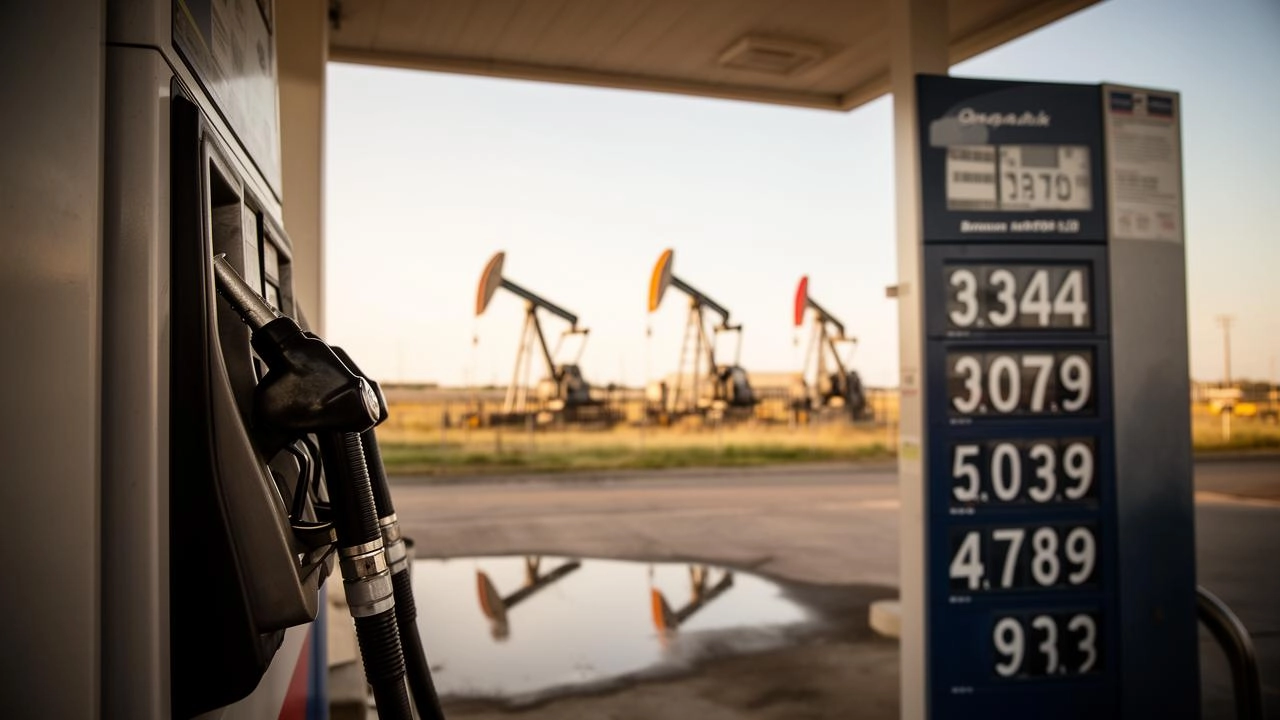
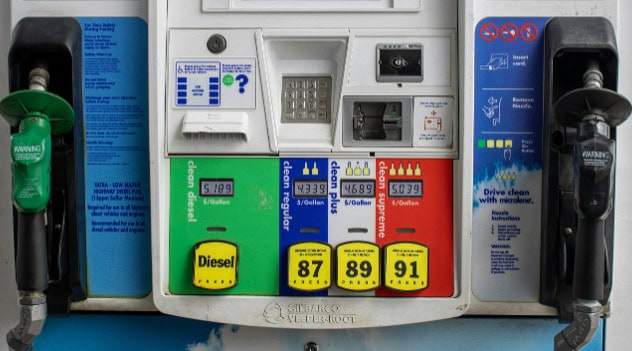
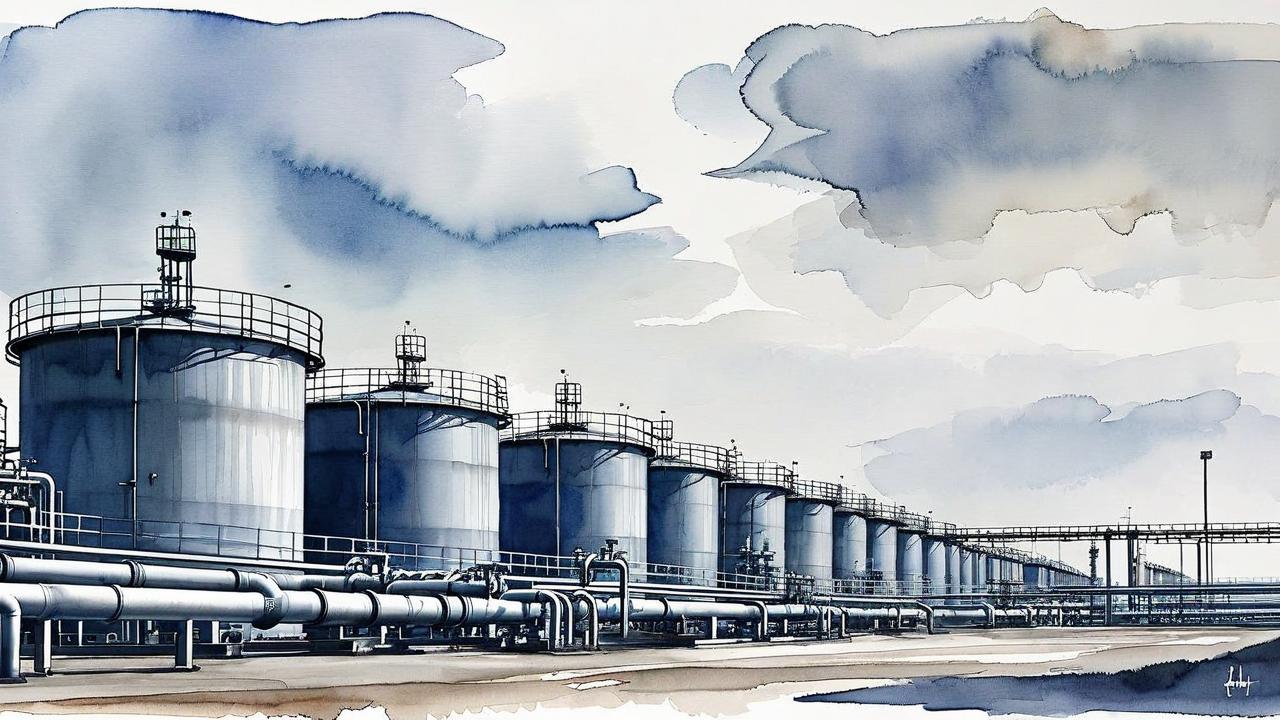
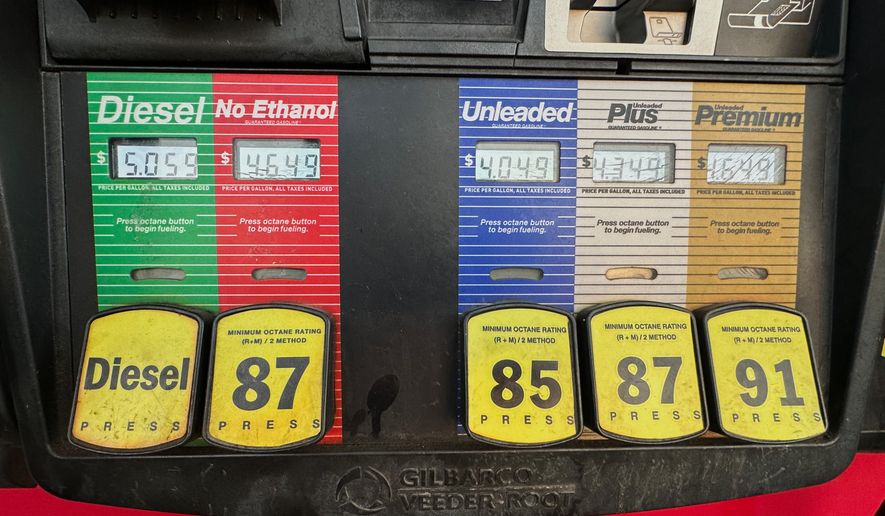
On August 20, 2026, the Trump administration's Environmental Protection Agency (EPA) announced an early transition to winter-blend gasoline, effective September 1 instead of the typical mid-September deadline. This regulatory waiver permits E10 gasoline with higher Reid Vapor Pressure (RVP), reducing refining costs by approximately 5-10% compared to summer formulations. The policy targets fuel price relief amid a 31% year-over-year gasoline price increase (from $3.13 to $4.10 per gallon), driven by Iran conflict disruptions to global oil supplies and Strait of Hormuz shipping volatility. The EPA simultaneously waived state-level controls in Texas, Arizona, and California for maximum 20-day extensions, with Energy Secretary Chris Wright coordinating supply management with oil refiners in Midland, Texas.
For cross-border e-commerce sellers, this policy creates immediate cost advantages across fulfillment operations. The 5-10% refining cost reduction translates directly to lower wholesale fuel prices, benefiting sellers through reduced 3PL fulfillment fees, FBA shipping costs, and last-mile delivery expenses. Small-to-medium sellers (SMBs) shipping 500-2,000 units monthly via Amazon FBA or third-party logistics providers can expect $150-300 monthly savings through December 2026, while high-volume sellers (10,000+ units/month) may realize $800-1,200 monthly reductions. This cost relief is particularly valuable for sellers in fuel-intensive categories: electronics, home goods, apparel, and beauty products where logistics represent 15-25% of COGS. The policy's effectiveness depends on state-level compliance—analysts note limited impact unless New York and New Jersey also waive controls, affecting Northeast-based sellers and those shipping to these regions.
The geopolitical context amplifies seller opportunity windows. Energy Department forecasts indicate elevated fuel prices will persist through year-end 2026 despite the waiver, meaning the 5-10% refining cost advantage represents a competitive edge during a sustained high-cost environment. Sellers can strategically time inventory builds and promotional campaigns to capitalize on improved margins before Q4 holiday season demand peaks. The Iran sanctions escalation (Treasury Secretary Scott Bessent announced "toughest sanctions in history") creates ongoing supply uncertainty, making early fuel cost savings critical for working capital management. Sellers should monitor wholesale fuel indices and refinery capacity utilization—if crude oil prices remain elevated or refinery output disappoints, the waiver's impact may be limited, requiring contingency pricing strategies.
Questions 7
How much will my Amazon FBA shipping costs decrease from the EPA gasoline waiver?
The EPA's early winter-blend authorization (effective September 1, 2026) reduces refining costs by 5-10%, which translates to lower wholesale fuel prices and reduced **FBA fulfillment fees**. Small sellers (500-2,000 units/month) can expect $150-300 monthly savings through December 2026, while high-volume sellers (10,000+ units/month) may see $800-1,200 reductions. However, actual savings depend on your 3PL provider's fuel surcharge structure and whether they pass through wholesale price reductions. Contact your fulfillment partner immediately to confirm fuel surcharge adjustments—many carriers update pricing quarterly, so early notification ensures you capture savings before Q4 peak season.
Which product categories benefit most from lower fuel costs?
Categories with highest logistics costs as percentage of COGS benefit most: **electronics (18-22% logistics), home goods (16-20%), apparel (14-18%), and beauty products (15-19%)**. Heavy/bulky items shipped via FBA or 3PL see the greatest absolute savings. For example, a seller shipping 1,000 units/month of home goods at $50 COGS with 18% logistics costs ($9/unit) could save $450-900 monthly if fuel surcharges drop 5-10%. Conversely, lightweight, high-margin categories (jewelry, digital accessories) see minimal impact. Prioritize fuel cost savings in your margin analysis by category—this creates opportunity to improve competitiveness in price-sensitive categories during Q4.