



US Treasury Market Volatility & Rising Interest Rates | Cross-Border Seller Financing Impact 2025
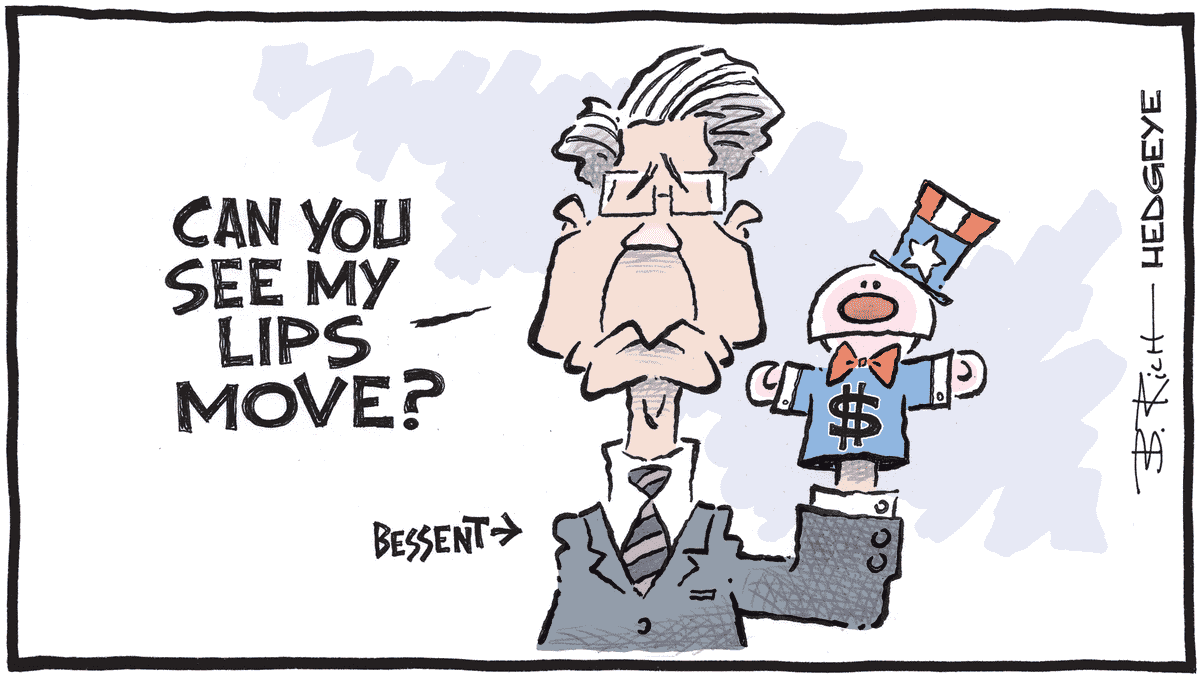
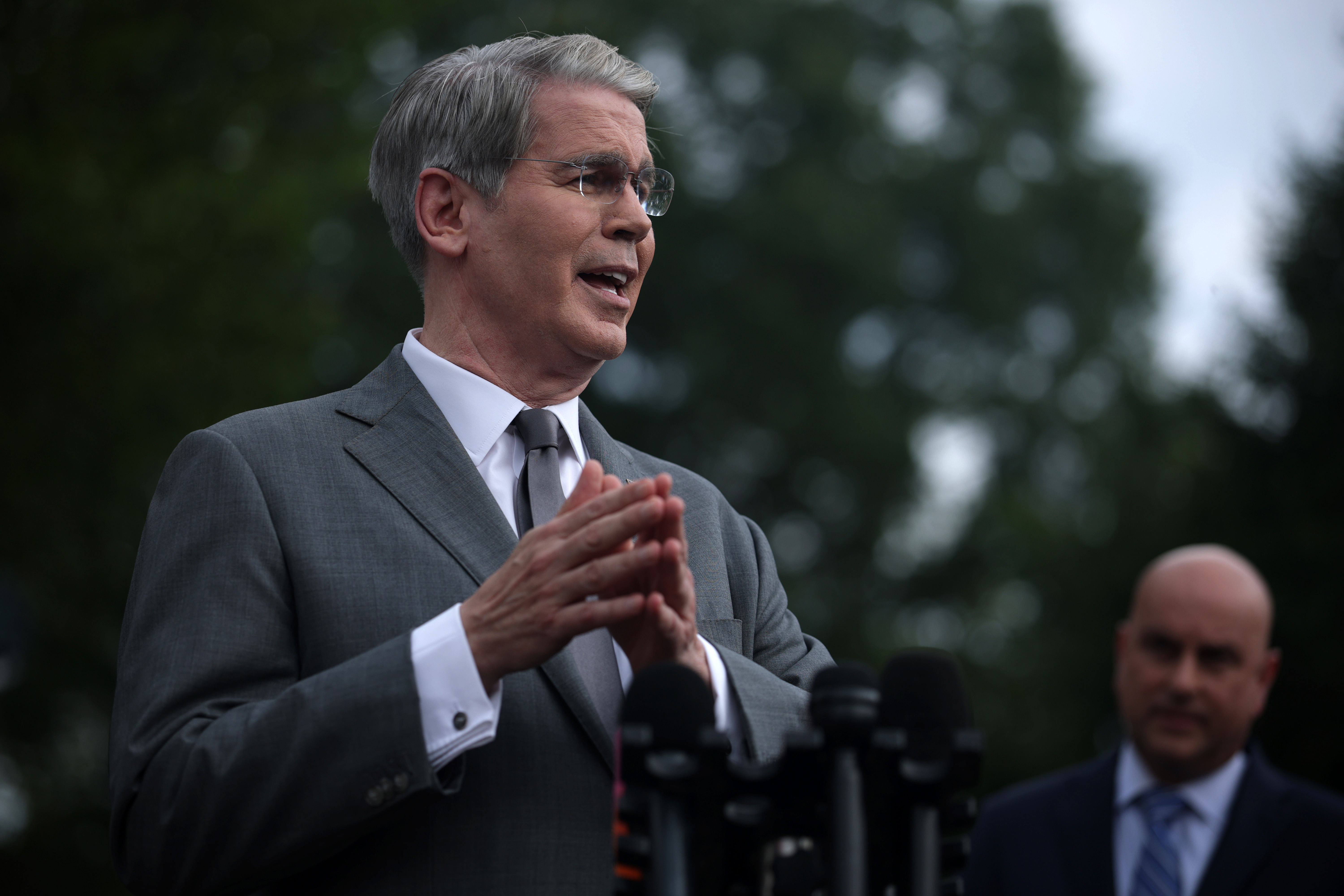
- Treasury Secretary Bessent's $32 trillion market interventions signal persistent inflation concerns, driving up borrowing costs 150-250 basis points for e-commerce sellers accessing trade finance and working capital loans













Overview
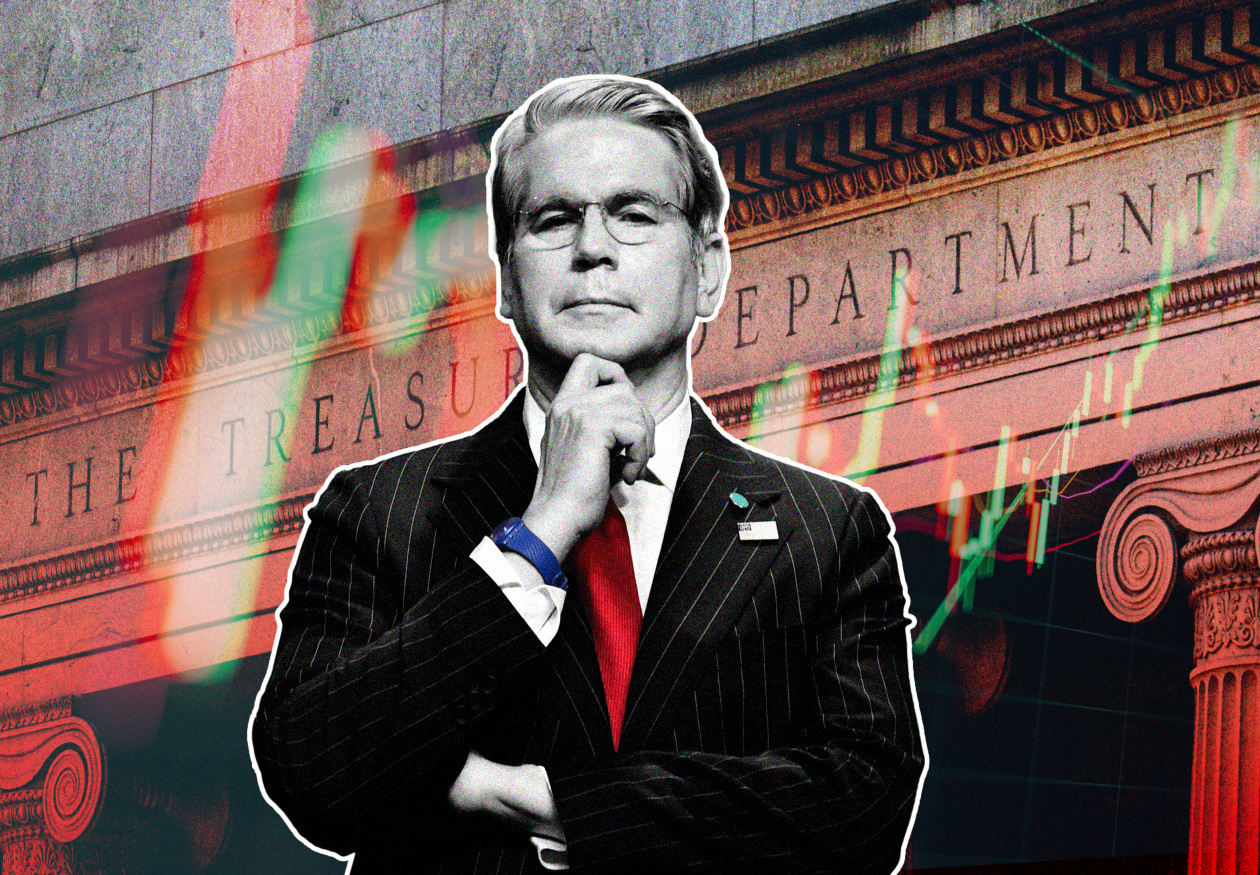
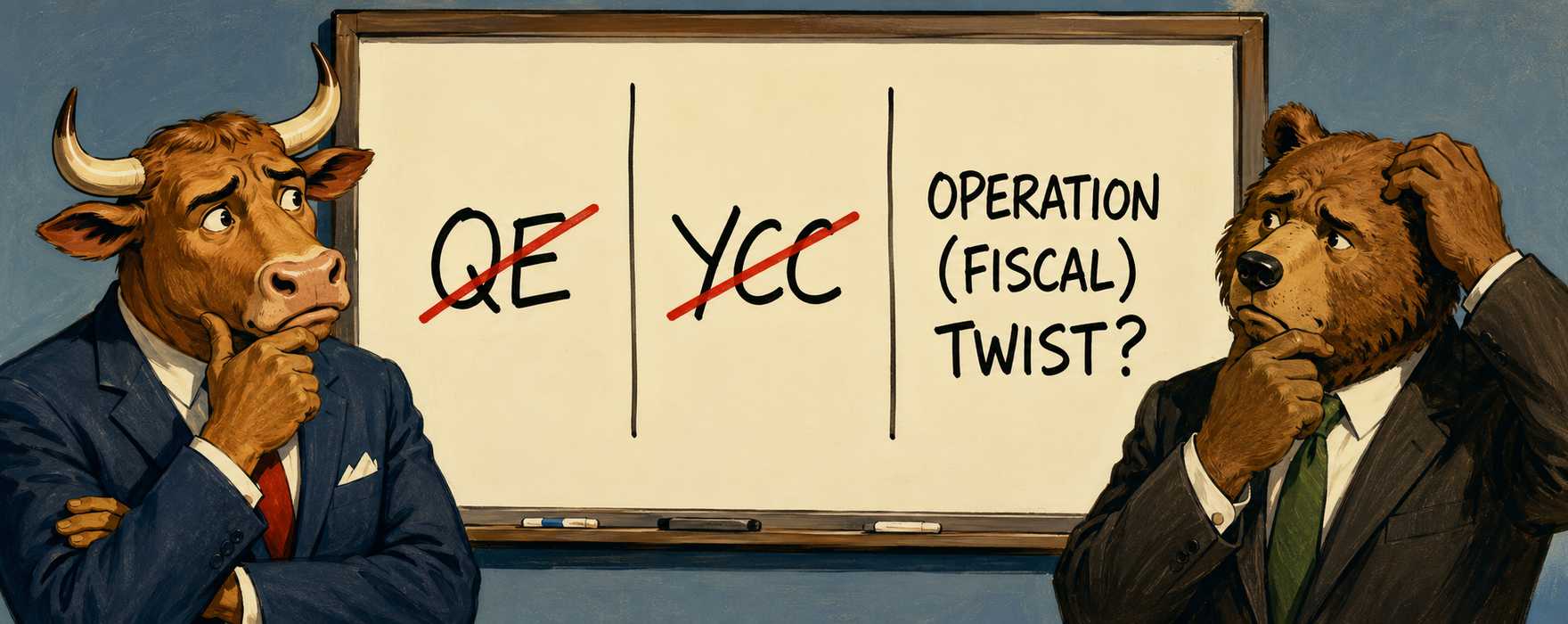
Treasury Secretary Scott Bessent's ongoing interventions in the $32 trillion US Treasury market reveal critical financing headwinds for cross-border e-commerce sellers. Despite buyback attempts and policy adjustments, long-term bond yields continue rising as market participants demand higher returns on longer-dated securities, signaling persistent skepticism about US fiscal sustainability and inflation trajectories. This Treasury market volatility directly impacts seller financing costs across multiple channels: trade finance facilities, inventory loans, invoice factoring, and working capital credit lines all price off US Treasury yields plus risk premiums.
For cross-border sellers, the immediate financial impact is substantial. Rising Treasury yields translate to increased borrowing costs across the board. Trade finance providers (Stripe Capital, Amazon Lending, Shopify Capital) typically price loans at Treasury yields + 400-600 basis points for mid-market sellers. A 150-250 basis point increase in long-term yields means sellers face APR increases of 1.5-2.5% on new financing—translating to $3,000-8,000 additional annual costs on a $200,000 working capital facility. Invoice factoring rates, which fund 30-60% of cross-border seller cash flow, similarly rise with Treasury yields. Sellers financing inventory purchases from Asian suppliers (China, Vietnam, India) through supply chain finance platforms now face 8-12% APR vs. 6-8% six months ago.
Currency dynamics compound the challenge. Rising US Treasury yields strengthen the dollar against emerging market currencies (CNY, INR, VND, THB), increasing sourcing costs for sellers importing goods. A 2-3% dollar appreciation against the Chinese yuan means 2-3% higher landed costs for electronics, apparel, and home goods categories. Simultaneously, higher US rates reduce consumer purchasing power domestically, creating demand pressure. Sellers must now choose between: (1) absorbing margin compression from higher financing costs, (2) raising prices and risking conversion rate declines, or (3) shifting sourcing to alternative suppliers in stronger-currency regions.
The financing landscape is bifurcating by seller segment. Large sellers (>$5M annual revenue) with institutional banking relationships can access term loans at Treasury + 250-350 bps through traditional lenders. Mid-market sellers ($500K-$5M) face Treasury + 400-500 bps through fintech platforms. Small sellers (<$500K) are increasingly priced out of traditional financing, with rates reaching 15-25% APR through alternative lenders. This creates a working capital crisis for inventory-heavy categories (electronics, home goods, beauty) where cash conversion cycles exceed 90 days.
Questions 8
How can I improve cash flow to reduce financing needs during this period?
Implement immediate working capital optimization: (1) Accelerate receivables: Offer 2-3% early payment discounts to marketplace buyers or B2B customers to convert 30-60 day cycles to 10-15 days, (2) Negotiate supplier terms: Extend payment terms from 30 to 45-60 days with key suppliers (especially in China/Vietnam where 90-day terms are common), (3) Optimize inventory: Reduce SKU count by 20-30%, focusing on high-velocity items with 30-45 day turnover vs. 60-90 day items, (4) Implement dynamic pricing: Use AI tools to adjust prices based on inventory levels, reducing slow-moving stock that ties up capital. These moves can free up $20,000-100,000 in working capital within 30-60 days, reducing financing needs by 15-25%.
Are there alternative financing sources less sensitive to Treasury yields?
Yes, several alternatives offer more stable pricing: (1) Supplier financing: Negotiate direct payment terms with manufacturers (often 60-120 days at 0% cost), (2) Peer-to-peer lending: Platforms like Fundbox and OnDeck price based on cash flow rather than Treasury yields, offering 8-14% APR regardless of rate environment, (3) Revenue-based financing: Stripe Capital and Shopify Capital take a percentage of daily sales (2-8%) rather than fixed interest, reducing burden during slow periods, (4) Equity financing: Angel investors or venture debt providers offer capital without interest rate sensitivity, though they require equity stakes. For sellers with strong unit economics (>30% gross margins), revenue-based financing often outperforms traditional loans during volatile rate environments.