



California Tire Efficiency Rules 2029-2033 | 70% Market Elimination Creates Compliance Moat for E-Commerce Sellers
- Phase 1 (2029): 9.1 NkN rolling resistance limit; Phase 2 (2033): 7.2 NkN standard eliminates ~70% of current tire inventory, forcing Amazon/eBay tire sellers to certify replacement stock or exit California market










Overview
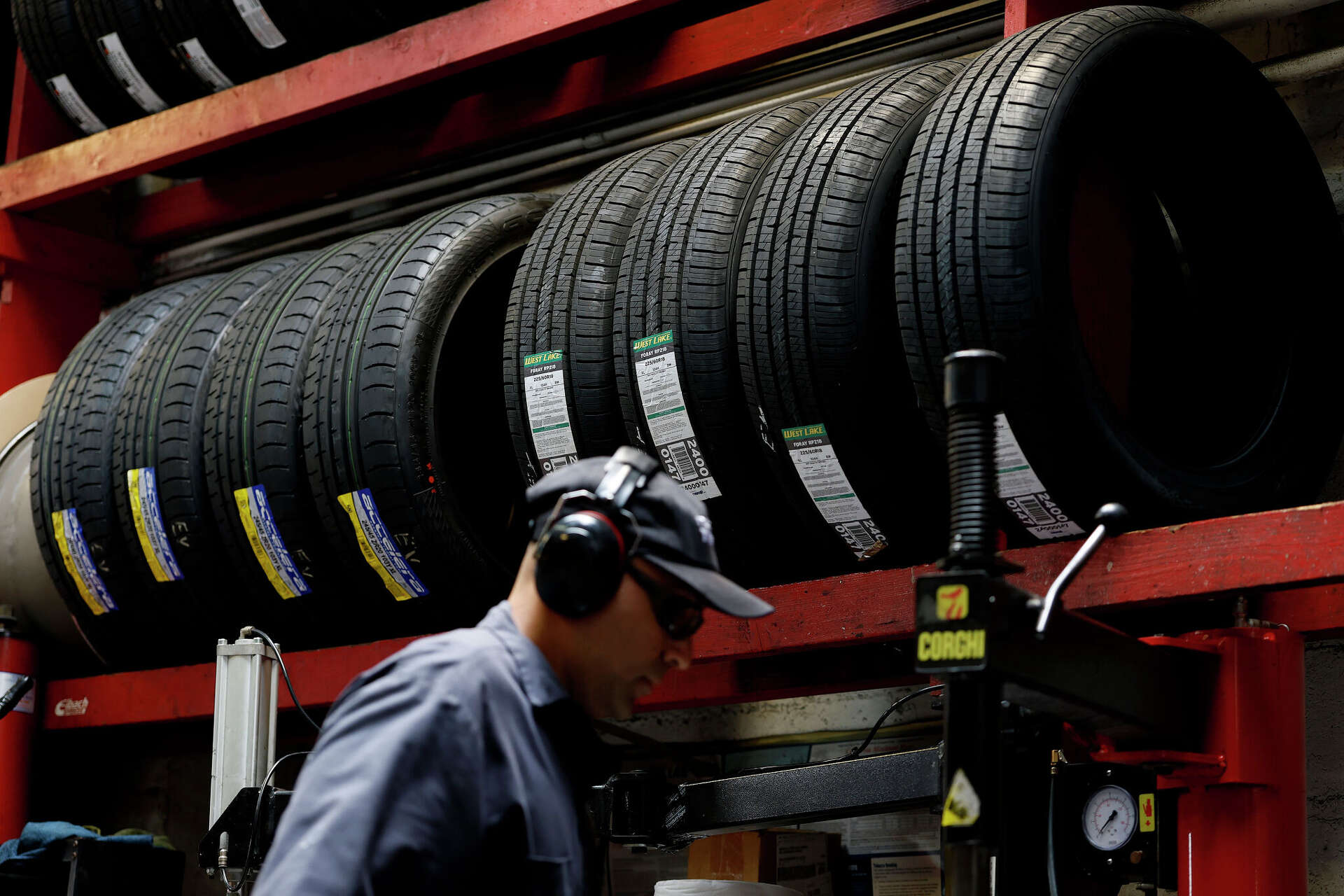
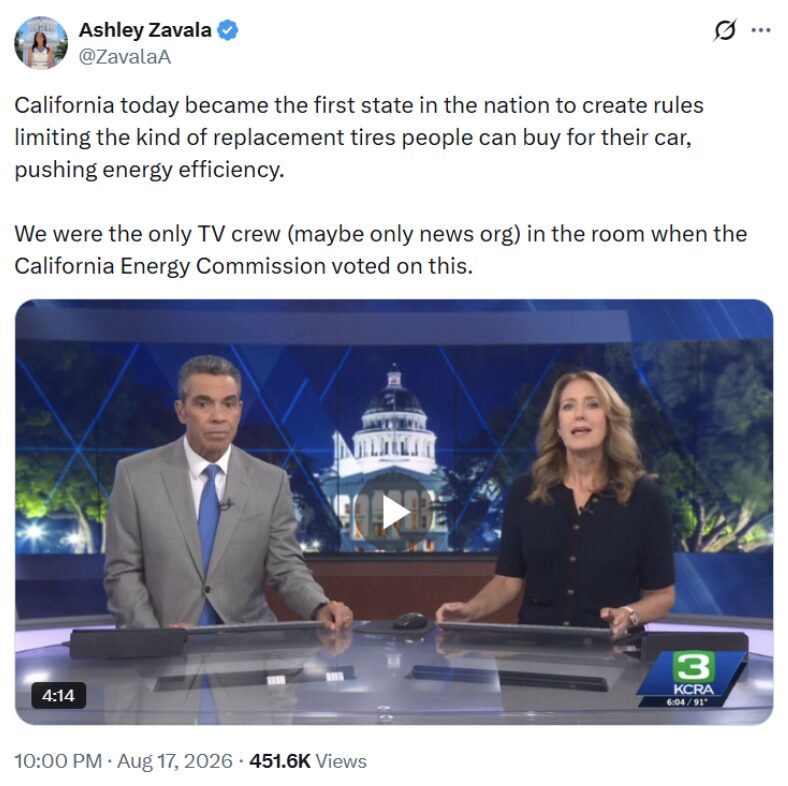
California's Energy Commission unanimously approved the nation's first state-level tire efficiency standards, creating a massive compliance barrier that will reshape the $2.5B+ US replacement tire e-commerce market. The two-phase regulation targets rolling resistance (energy consumed as tires roll) with Phase 1 beginning January 2029 allowing maximum 9.1 newtons per kilonewton (NkN) and Phase 2 in 2033 tightening to 7.2 NkN. Governor Newsom framed the rules as consumer protection, citing $79 savings per vehicle in Phase 1 and $153 in Phase 2 within 7 months, plus $1 billion in annual statewide fuel savings. The CEC tested 537 tire types before establishing standards. Critically, Goodyear estimates these rules will eliminate approximately 70% of tires currently sold in California by 2033—a market winnowing event unprecedented in automotive aftermarket e-commerce.
This regulation creates a high-entry compliance barrier that protects early-adopting sellers while eliminating non-compliant competitors. The 14 exemptions (competition tires, winter snow tires, used/retreaded tires, motorcycle tires, and others) create legal workarounds for sellers willing to pivot product mix. For Amazon FBA and eBay sellers currently stocking budget-tier replacement tires, the compliance cost is substantial: certification testing, supplier verification, inventory audits, and product listing updates. Non-compliant products face removal from listings and legal penalties. The 4-year runway to Phase 1 (2029) and 8-year timeline to Phase 2 (2033) provides a compliance window, but sellers must act immediately to audit supplier certifications and begin transitioning inventory. Tire manufacturers including Goodyear, Bridgestone, and Michelin expressed concerns about increased consumer costs and enforcement challenges, signaling supply-side friction that benefits compliant sellers with established supplier relationships.
The regulatory landscape signals California's broader environmental policy agenda will cascade to other states, creating first-mover advantages for sellers who establish compliance infrastructure now. This represents a growing trend of state-level environmental regulations affecting product categories sold online—similar to California's earlier EV incentives and battery recycling mandates that reshaped automotive e-commerce. Sellers offering certified, high-efficiency tires will command premium positioning and reduced competitive pressure as non-compliant inventory exits the market. The compliance cost (estimated $50-150 per SKU for testing and certification) is offset by reduced competition and potential price premiums of 8-15% for compliant products. E-commerce platforms will need to implement verification systems and update product specifications, creating demand for compliance service providers and third-party testing labs. Sellers maintaining California market access must verify supplier certifications, update product documentation, and potentially adjust inventory sourcing by Q4 2028 to meet Phase 1 requirements.
Questions 8
Which tire types are exempt from California's efficiency standards?
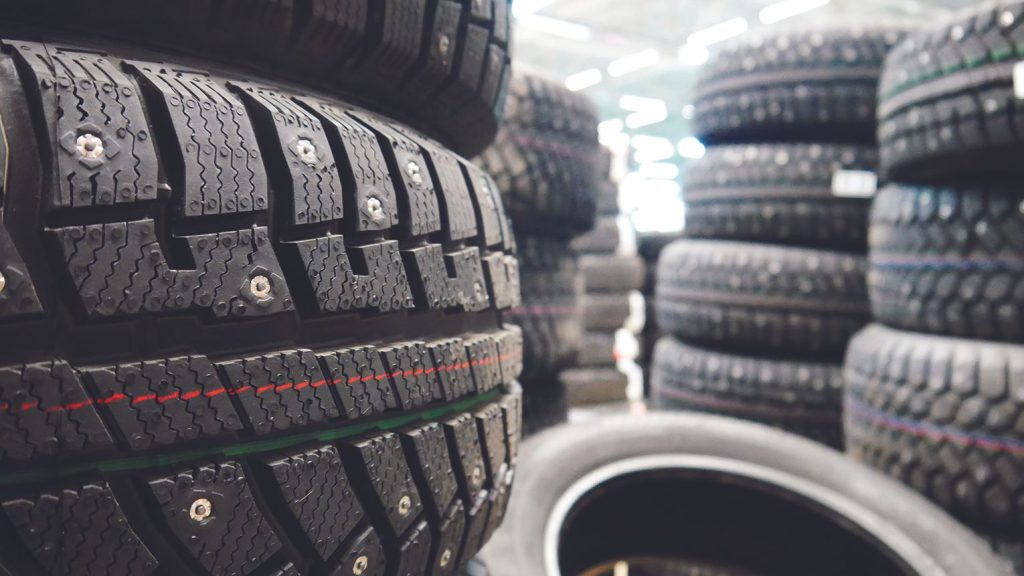
The regulations include 14 exemptions covering competition tires, winter snow tires, used and retreaded tires, motorcycle tires, and others. These exemptions create legal product category opportunities for sellers willing to pivot away from standard replacement tires. For example, sellers can focus on winter tire inventory (exempt from rolling resistance limits) or used/retreaded tire markets, which remain unregulated. Understanding these exemptions is critical for sellers developing compliance strategies and alternative product sourcing.
Will other US states adopt similar tire efficiency regulations?
California's approval signals a broader trend of state-level environmental regulations affecting product categories sold online. The news reports that this development reflects California's environmental policy agenda and may influence other states to adopt similar standards. Historically, California's regulations (EV incentives, battery recycling mandates) have cascaded to other states within 2-5 years. Sellers should anticipate that New York, Massachusetts, and other environmentally-focused states may adopt similar tire efficiency standards by 2027-2030, requiring multi-state compliance strategies.