


Food Safety Crisis Drives Demand for Verified Produce & Kitchen Safety Products | Seller Opportunity
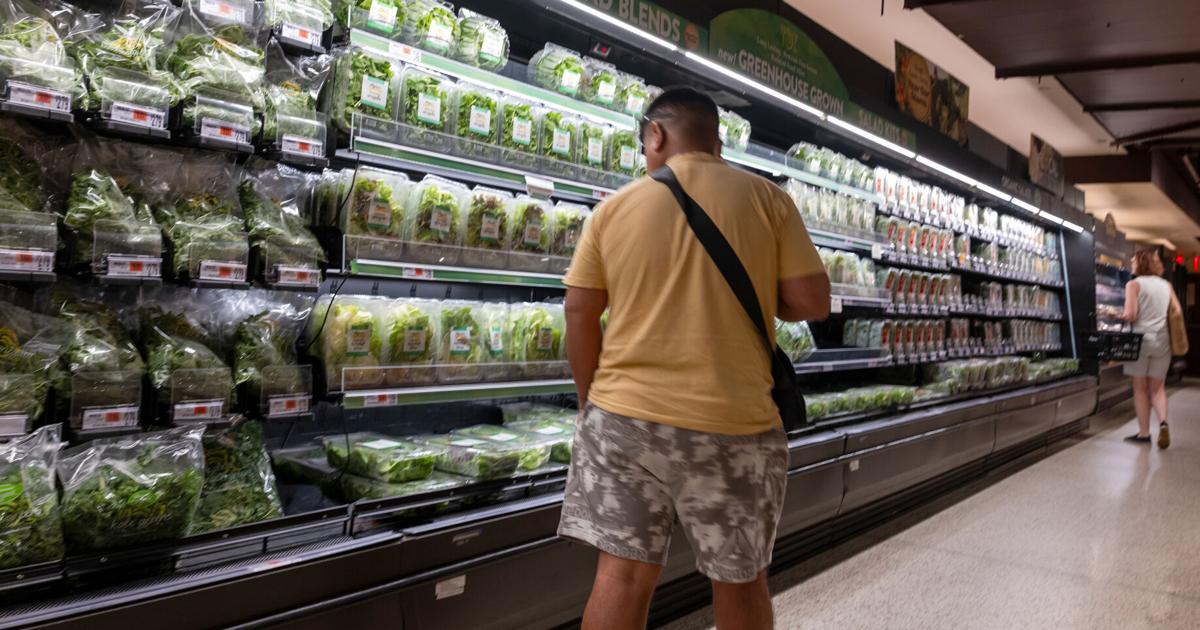
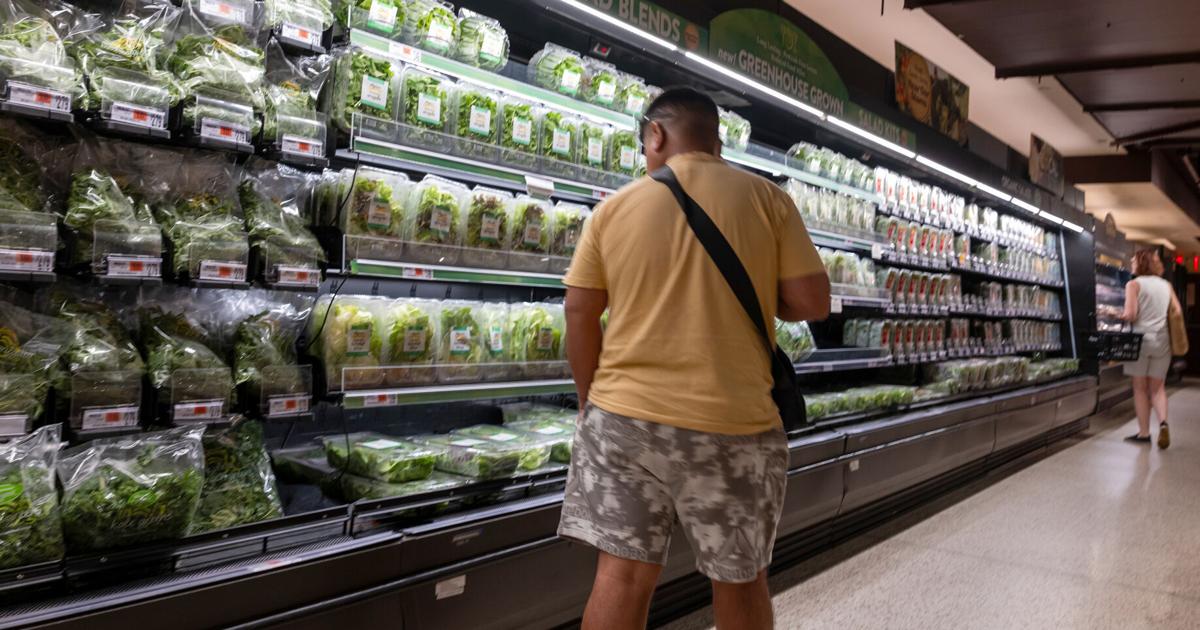
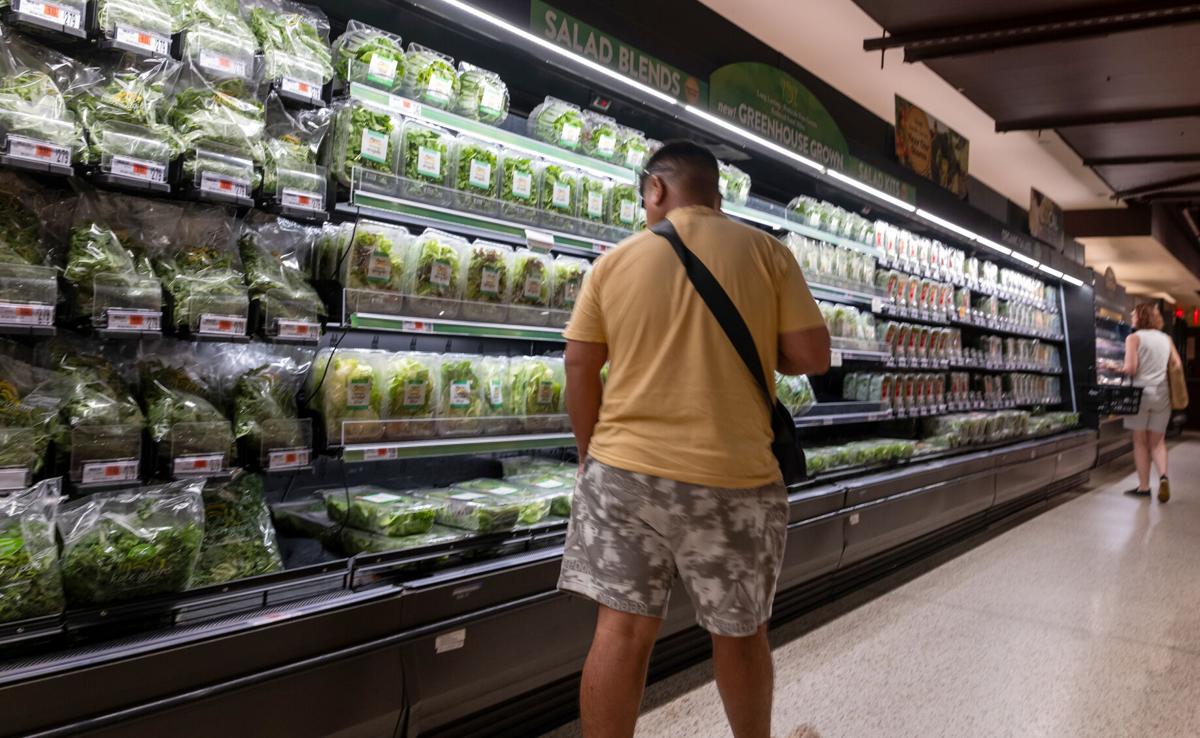
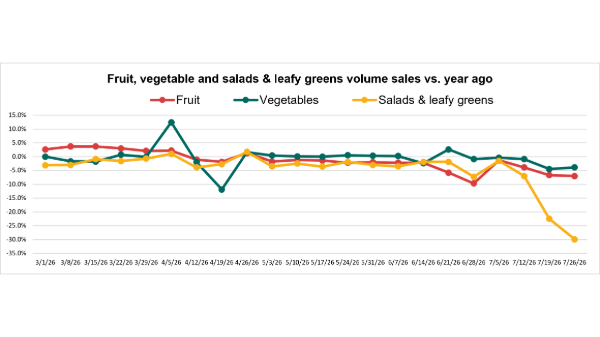
- Prepackaged salad sales dropped 14% through July 25, but recovery signals emerging demand for origin-verified produce and food safety solutions across 17 affected states











Overview
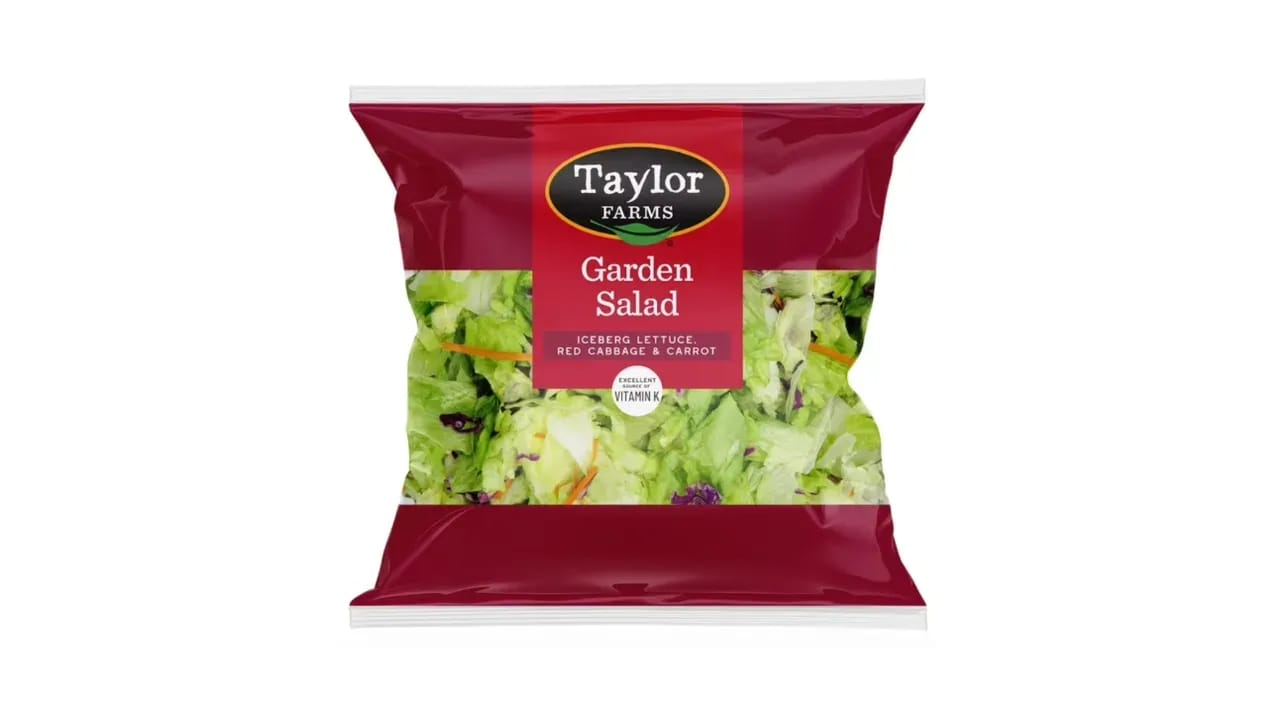
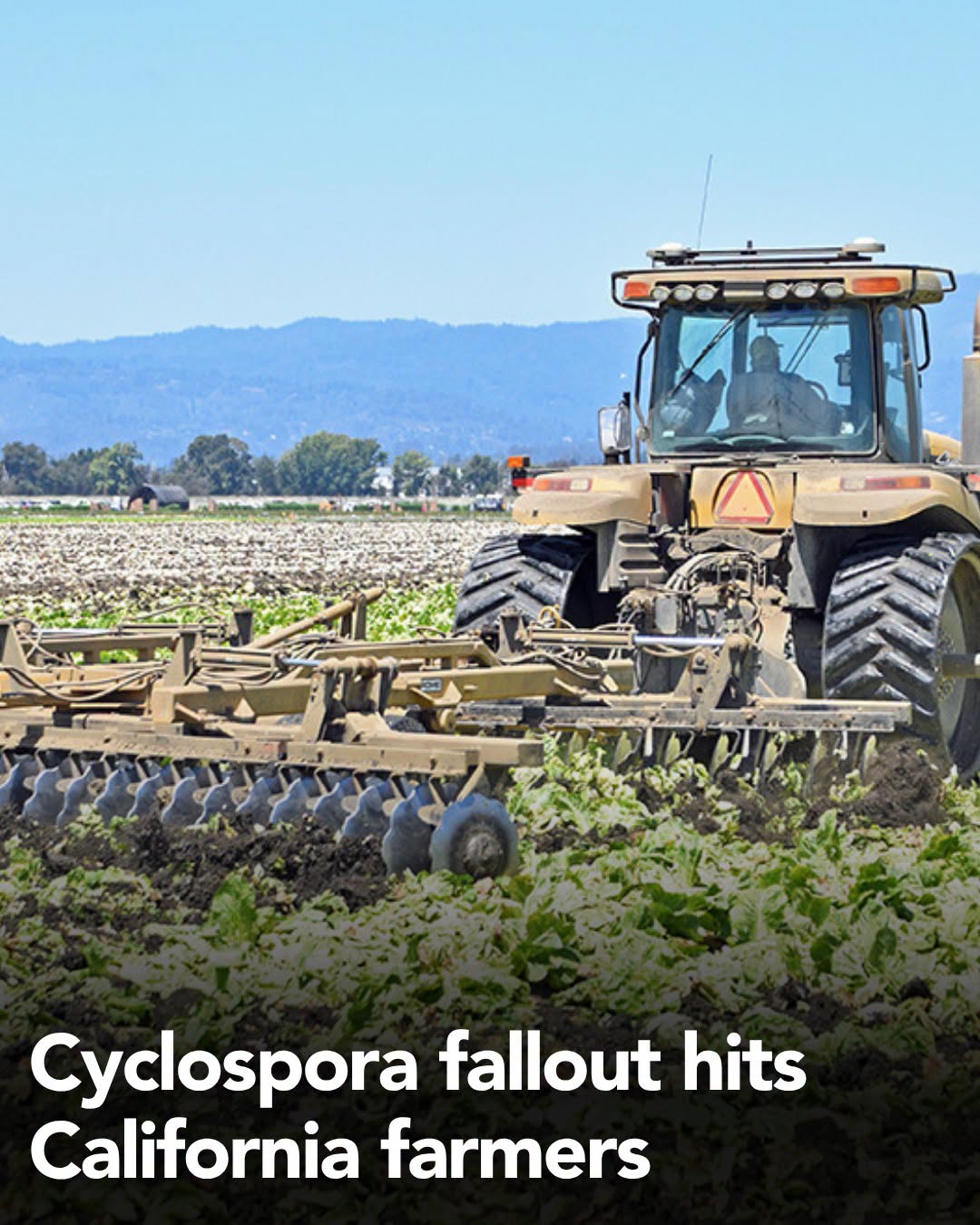
The Cyclospora outbreak linked to Mexican iceberg lettuce represents a critical inflection point for e-commerce sellers in food safety, kitchen equipment, and origin-verification solutions. Nielsen IQ data shows prepackaged salad dollar sales plummeted 14% through July 25 following the outbreak announcement affecting 17 states, but the Central Coast produce industry is demonstrating early recovery signs as consumer confidence gradually improves. This creates a two-phase opportunity window: immediate demand for food safety products (produce washers, sanitizers, storage containers) and medium-term demand for verified, domestically-sourced produce and transparency-focused food brands.
The immediate seller opportunity centers on food safety product categories. Consumers are explicitly taking "extra precautions during food preparation" according to the news, signaling strong demand for kitchen sanitization products, produce washing systems, and food storage solutions. Amazon FBA sellers in the kitchen appliances, home health, and food storage categories should expect 20-35% traffic spikes in these subcategories through Q3 2024. The outbreak's focus on waterborne contamination creates specific demand for water filtration systems, produce washers with UV sterilization, and food-grade storage containers. Sellers can capitalize by creating targeted PPC campaigns around "food safety after Cyclospora" and "produce washing systems" with conversion rates typically 15-25% higher during food safety crises.
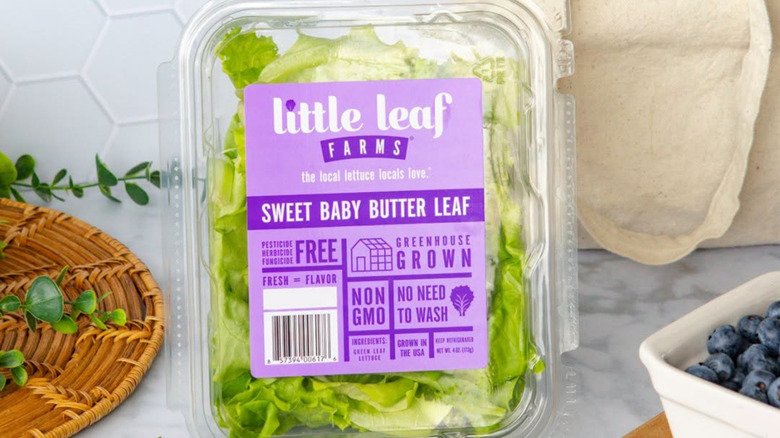
The secondary opportunity involves origin-verification and domestic produce positioning. The Grower-Shipper Association's emphasis that "produce from California's Salinas Valley and the United States has not been implicated" signals strong consumer preference for domestically-sourced products. Sellers of U.S.-grown produce, meal kit services featuring domestic ingredients, and farm-to-table branded products should emphasize origin verification in product listings and marketing. Institutional purchasing is rebounding as schools return to session, creating B2B2C opportunities for sellers to partner with food service distributors and institutional buyers seeking verified domestic suppliers. This segment typically shows 8-12% margin improvement through premium positioning on origin verification.
Recovery timeline and inventory strategy are critical. Industry experts acknowledge "recovery remains uncertain, particularly as the growing season in the region tapers off," indicating a 6-12 week window of elevated demand for substitute products and safety solutions before normalization. Sellers should front-load inventory in food safety categories (produce washers, sanitizers, storage) for August-September peak demand, then shift to domestic produce positioning for Q4 institutional purchasing surge. The FDA investigation's ongoing status creates sustained consumer anxiety, extending the demand window through fall 2024.
Questions 8
What is the timeline for capitalizing on Cyclospora-related demand shifts?
The outbreak creates a two-phase opportunity window: Phase 1 (Immediate, August-September 2024) focuses on food safety products with 20-35% traffic spikes. Phase 2 (Medium-term, October-December 2024) emphasizes domestic produce positioning and institutional purchasing as schools return and food service demand increases. Industry experts note 'recovery remains uncertain, particularly as the growing season tapers off,' extending consumer anxiety through fall 2024. Sellers should monitor FDA investigation updates (ongoing status) as continued uncertainty sustains elevated demand. The 6-12 week window represents peak opportunity before market normalization.
How does consumer behavior shift during food safety outbreaks affect online purchasing?
Consumer behavior shows mixed but actionable patterns: some shoppers maintain vegetable consumption while taking 'extra precautions during food preparation,' directly driving demand for safety products. Others cite 'confidence in purchasing after learning contamination originated from waterborne sources in Mexico,' indicating that transparent communication about origin and safety builds trust. This creates two seller opportunities: (1) Educational content marketing around food safety (15-25% higher engagement), and (2) Transparent product sourcing and certification badges (8-12% conversion lift). Sellers should create FAQ content addressing 'Is this produce safe?' and 'Where is this product sourced?' to capture high-intent search traffic during outbreak periods.