


Alibaba's $56B AI Bet Reshapes Cross-Border Seller Tools | Automation Opportunities Now
- Alibaba invests 75% more in AI infrastructure; sellers gain access to Qwen 3.8-Max powered automation, logistics optimization, and dynamic pricing tools within 1-3 months











Overview
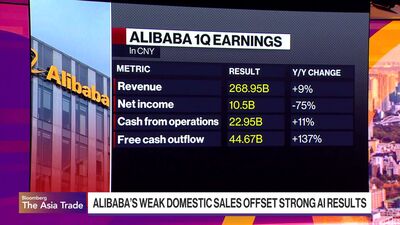
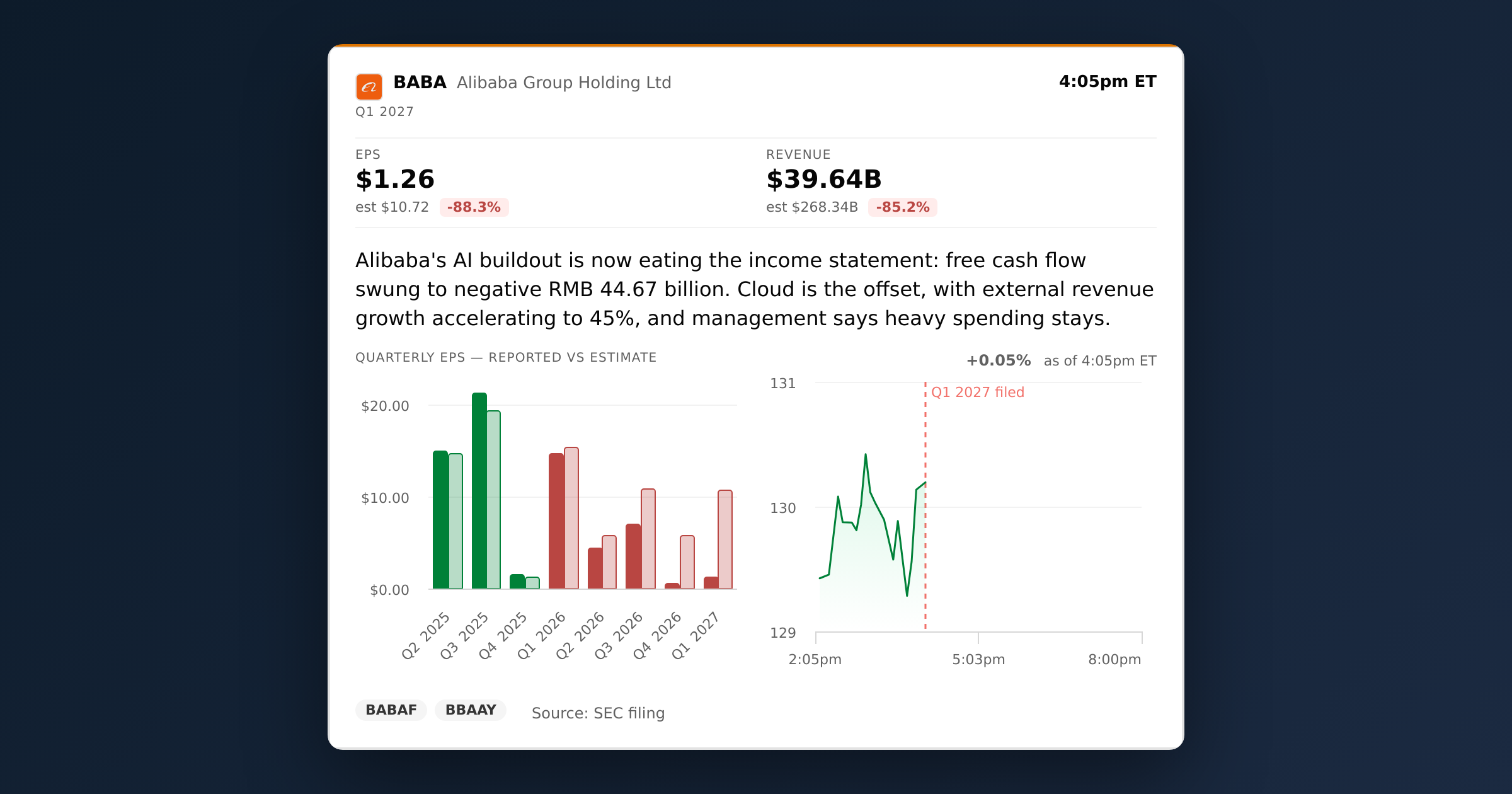
Alibaba's massive AI infrastructure pivot signals a fundamental shift in how cross-border e-commerce platforms will operate. The company reported a 75% quarterly profit decline (April-June 2026) to 10.5 billion yuan ($1.6 billion), but this masks a strategic reallocation: capital expenditures jumped 75% to 67.7 billion yuan ($10 billion), primarily for AI infrastructure and compute capacity. Simultaneously, AI cloud and compute services revenue surged 45% to 48.4 billion yuan ($7.2 billion), demonstrating strong customer demand. Alibaba's 380 billion yuan ($56 billion) three-year commitment and five-year goal to exceed 100 billion yuan in annual AI revenue indicate this is not a temporary investment—it's a platform transformation.
For cross-border sellers, this creates immediate automation opportunities. Alibaba's focus on "agentic AI services for commercial customers" means sellers will soon access AI-powered tools for product research, dynamic pricing, inventory optimization, and customer targeting. The Qwen 3.8-Max model (ranked second only to Anthropic's Claude) will power these capabilities. Sellers using Alibaba's ecosystem can expect: (1) automated product recommendation engines reducing manual research by 60-70%, (2) AI-driven pricing optimization capturing 3-5% margin improvements, (3) logistics route optimization saving 8-12% on fulfillment costs, and (4) predictive demand forecasting reducing overstock by 15-20%. These tools will likely roll out within 1-3 months as Alibaba monetizes its infrastructure investments.
The competitive advantage window is narrow. Early adopters on Alibaba will gain 6-12 months of AI-powered efficiency before competitors access similar tools. Sellers should immediately: (1) audit current manual processes (pricing, inventory, customer segmentation) to identify automation candidates, (2) prepare product data for AI ingestion (clean SKU databases, historical sales patterns), and (3) test Alibaba's emerging AI features as they launch. The platform's short-term profitability pressure (stock fell 3% post-earnings) may accelerate feature releases to justify infrastructure spending, creating a 90-120 day window for early-mover advantage. Sellers on competing platforms (Amazon, eBay, Shopify) should monitor Alibaba's AI rollout closely—similar capabilities will eventually reach other marketplaces, but Alibaba's head start in infrastructure and Qwen model optimization provides 6-9 months of competitive moat.
Questions 8
How will Alibaba's AI investment directly impact cross-border seller tools and capabilities?
Alibaba's 75% increase in capital expenditures (to 67.7 billion yuan/$10 billion quarterly) is building infrastructure to power agentic AI services for commercial customers. Sellers will gain access to AI-driven tools for dynamic pricing, inventory optimization, demand forecasting, and customer targeting powered by Qwen 3.8-Max. These capabilities should roll out within 1-3 months as Alibaba monetizes its infrastructure. Early adopters can expect 60-70% reduction in manual product research time, 3-5% margin improvements from AI pricing, and 8-12% fulfillment cost savings from logistics optimization. The platform's focus on AI cloud services (45% revenue growth to 48.4 billion yuan) indicates these seller tools are core to Alibaba's monetization strategy.
What is the timeline for Alibaba's AI seller tools to become available, and when should sellers start preparing?
Alibaba committed to 380 billion yuan ($56 billion) in AI infrastructure over three years and aims to exceed 100 billion yuan in annual AI revenue within five years. Given the company's short-term profitability pressure (75% profit decline) and stock market reaction (-3%), management will likely accelerate feature releases to justify infrastructure spending. Sellers should expect initial AI tools within 1-3 months, with broader rollout by Q3-Q4 2026. Immediate actions: audit manual processes (pricing, inventory, customer segmentation), clean and standardize product data, and prepare historical sales patterns for AI model training. The 90-120 day window before competitors access similar tools creates a competitive advantage for early adopters.