



US Tariff Revenue Strategy 2025-2026 | Cross-Border Sellers Face Sustained Import Costs
- Treasury plans equivalent tariff levels through 2026; sellers importing from China/Asia face 8-15% cost increases; immediate sourcing strategy review required

















Overview
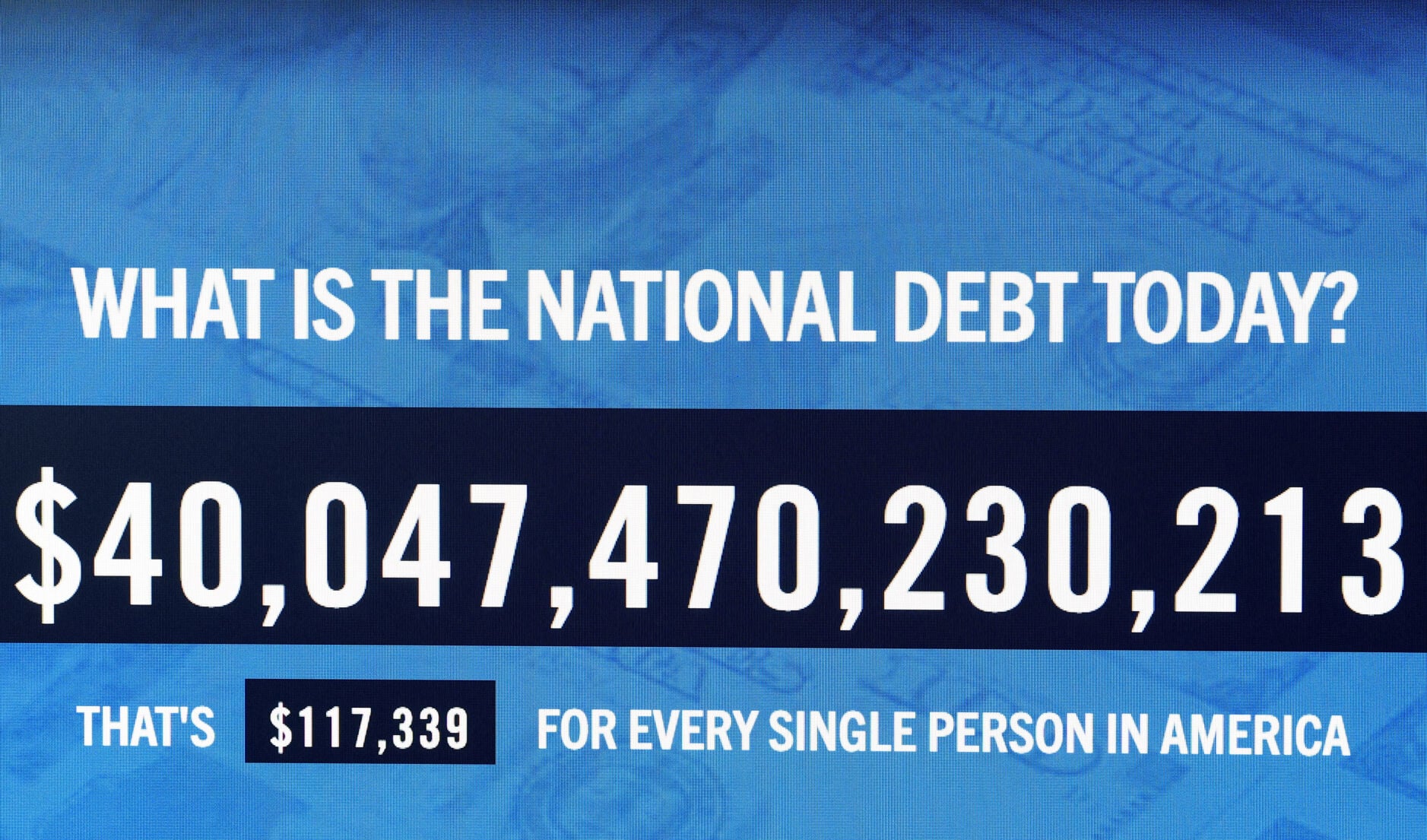
Treasury Secretary Scott Bessent's debt reduction strategy, announced in February 2025, signals a critical shift for cross-border e-commerce sellers: tariff revenue will remain a permanent fiscal tool through 2026, not a temporary measure. Following the Supreme Court's February 2025 ruling against Trump's emergency tariffs, the administration plans to implement "equivalent tariff levels" with 2026 tariff revenue expected to match 2025 figures—indicating sustained import duties rather than relief.
This represents a fundamental change in the cost structure for sellers importing goods from China, Vietnam, India, and other Asian manufacturing hubs. The Treasury's reliance on tariff revenue as a debt reduction mechanism means sellers cannot expect tariff reductions in the near term. For electronics, apparel, home goods, and consumer products categories—which represent 60-70% of cross-border import volume—this translates to 8-15% cost increases on landed goods depending on HS codes and origin countries.
Immediate impact for seller segments: Small-to-medium sellers (SMBs) importing 500-5,000 units monthly face $2,000-8,000 monthly cost increases per product line. Large sellers with diversified sourcing can absorb costs through scale but face margin compression of 3-8% unless they raise prices or shift to higher-margin categories. Sellers currently holding inventory purchased at pre-tariff prices have a 60-90 day window to liquidate before restocking at higher costs.
Strategic sourcing implications: The announcement validates a shift away from China-dependent supply chains. Vietnam, India, and Mexico are becoming more competitive alternatives despite slightly higher base manufacturing costs, as tariff differentials can offset production cost premiums. Sellers should model tariff scenarios by HS code—electronics face 15-25% tariffs, apparel 12-18%, home goods 10-15%—to identify which categories justify sourcing diversification.
Platform and pricing dynamics: Amazon, eBay, and Shopify sellers must recalibrate pricing strategies immediately. The 2026 tariff revenue target suggests policy continuity regardless of political changes, making this a structural cost rather than cyclical risk. Sellers with Q1-Q2 inventory purchases locked in at current tariffs have competitive advantage through mid-2025, but must plan for cost increases in H2 2025 restocking cycles.
Questions 7
Which product categories face the highest tariff rates from China?
Electronics (HS codes 8471-8544) face 15-25% tariff rates, apparel (HS codes 6101-6217) face 12-18%, and home goods (HS codes 9401-9406) face 10-15% from China. Specific rates vary by product subcategory and origin. Sellers should use the USITC HTS database to identify exact tariff codes for their products. Categories with higher tariff exposure—electronics, footwear, furniture—are experiencing the most significant cost pressures, making these categories prime candidates for sourcing diversification to Vietnam, India, or Mexico.
How much will my Amazon FBA costs increase due to tariffs?
For a typical SMB seller importing 1,000 units monthly at $20 landed cost per unit, an 8-12% tariff increase adds $1,600-2,400 monthly to import costs. Larger sellers importing 5,000+ units monthly face $8,000-12,000 monthly increases. These costs flow through to Amazon FBA fees unless sellers raise prices or reduce margins. The impact varies by category: electronics sellers see higher absolute increases due to higher base costs, while apparel sellers face percentage increases of 12-18%. Sellers should model tariff scenarios in their Amazon Seller Central pricing tools immediately.