




Crypto Clarity Act Triggers Bitcoin Rally to $62K+ | Payment Cost Savings & FX Arbitrage for Cross-Border Sellers
- Trump's regulatory push drives 19% Ethereum surge and Bitcoin volatility spike; unlocks crypto payment adoption for sellers reducing cross-border fees by 2-4% and enabling FX hedging strategies
















Overview
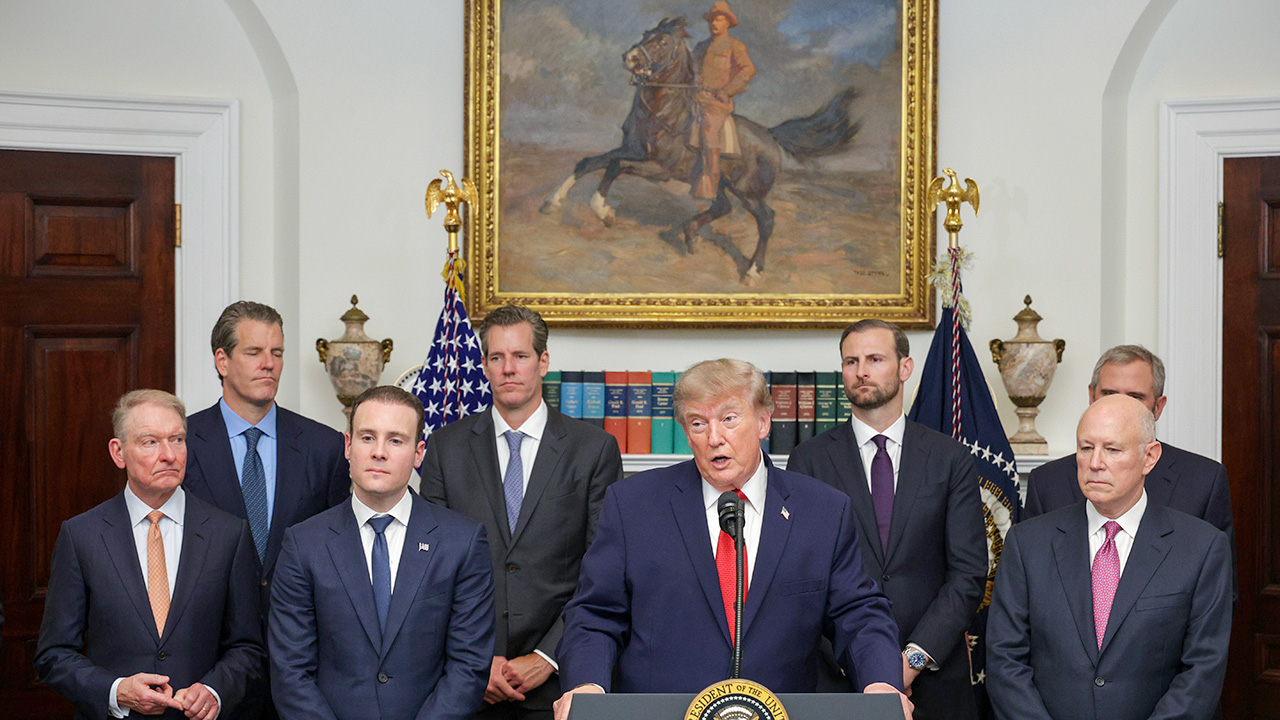
The Crypto Clarity Act regulatory momentum is reshaping cross-border payment economics for e-commerce sellers. U.S. President Donald Trump's push for the Crypto Clarity Act triggered Bitcoin to surge past its six-week $62,000-$66,000 range, while Ethereum rose 19% to $2,251 over seven days, according to CoinGecko data. This regulatory clarity directly impacts sellers' payment infrastructure decisions: cryptocurrency payment processors (Coinbase Commerce, BitPay, Stripe Crypto) are now positioning for mainstream adoption, offering 1.5-2.5% processing fees versus 2.9-3.5% for traditional cross-border payment methods like PayPal or Wise. The Treasury's announcement to increase 20-year and 30-year bond buybacks reduced yields, making Bitcoin more attractive as a store of value—a signal that institutional capital is flowing into crypto assets, validating crypto payment adoption for sellers managing multi-currency exposure.
For cross-border sellers, this creates three immediate financial optimization opportunities. First, payment cost savings: Sellers accepting stablecoin payments (USDC, USDT) via Coinbase Commerce or Stripe Crypto can reduce payment processing fees from 3.2% to 1.8%, saving $1,800-3,200 monthly on $100K in monthly cross-border revenue. Second, FX arbitrage timing: Bitcoin's volatility spike (BVIV Index above 43.5, up from 35.5 year-to-date low) creates hedging opportunities for sellers with USD/EUR, USD/GBP, or USD/CNY exposure. Sellers can lock in forward contracts at current rates before potential further appreciation, protecting margins on European and Asian inventory purchases. Third, working capital acceleration: Crypto payment settlement occurs in 24-48 hours versus 3-5 business days for traditional ACH/wire transfers, unlocking 2-3 days of working capital per transaction cycle—critical for sellers managing inventory turnover in fast-moving categories like electronics, apparel, and home goods.
Regulatory clarity also enables new financing products targeting crypto-native sellers. Lenders like Brex, Clearco, and emerging crypto-focused platforms (Nexo, BlockFi) are now offering inventory financing and invoice factoring at 8-12% APR for sellers with crypto revenue streams, versus 15-18% APR for traditional unsecured lending. The second-largest short liquidation in crypto history (per Fundstrat) indicates institutional positioning, suggesting that crypto payment adoption will accelerate through 2025-2026 as Standard Chartered's Geoffrey Kendrick projects Bitcoin reaching $100,000 by year-end 2026. Sellers in high-margin categories (electronics, luxury goods, collectibles) should evaluate crypto payment integration now—the regulatory tailwind creates a 6-12 month window before competition saturates this advantage. Immediate actions: audit current payment processor fees, request crypto payment quotes from Coinbase/Stripe, and model FX hedging costs for major currency pairs. Strategic sellers can reduce payment costs 2-4% while improving cash conversion cycles by 2-3 days, translating to $5,000-15,000 annual savings for mid-sized sellers ($500K-$2M annual revenue).
Questions 8
What compliance considerations apply to crypto payment acceptance?
The Crypto Clarity Act aims to provide regulatory clarity, reducing compliance uncertainty for sellers accepting cryptocurrency. Sellers must still comply with FinCEN's Travel Rule (customer identification for transfers over $3,000), state money transmitter licenses (varies by state), and tax reporting requirements (Form 8949 for capital gains). Coinbase Commerce and Stripe Crypto handle most compliance automatically by converting crypto to USD within 24 hours, eliminating currency exposure and tax complexity. Sellers should consult tax advisors on stablecoin treatment (typically treated as USD equivalents) and maintain transaction records for IRS reporting. The regulatory momentum from Trump's Crypto Clarity Act push will likely streamline these requirements through 2025-2026.
What FX hedging opportunities exist as Bitcoin volatility increases?
Bitcoin's volatility spike (BVIV Index above 43.5, up from 35.5 year-to-date low) creates forward contract opportunities for sellers with USD/EUR, USD/GBP, or USD/CNY exposure. Sellers can lock in current rates before potential further appreciation driven by the Treasury's bond buyback announcement and institutional capital inflows. Hedging costs typically range 0.5-1.5% of transaction value, but protect margins on European and Asian inventory purchases. Standard Chartered projects Bitcoin reaching $100,000 by year-end 2026, suggesting sustained institutional demand will continue supporting crypto asset valuations and creating favorable hedging windows for sellers.