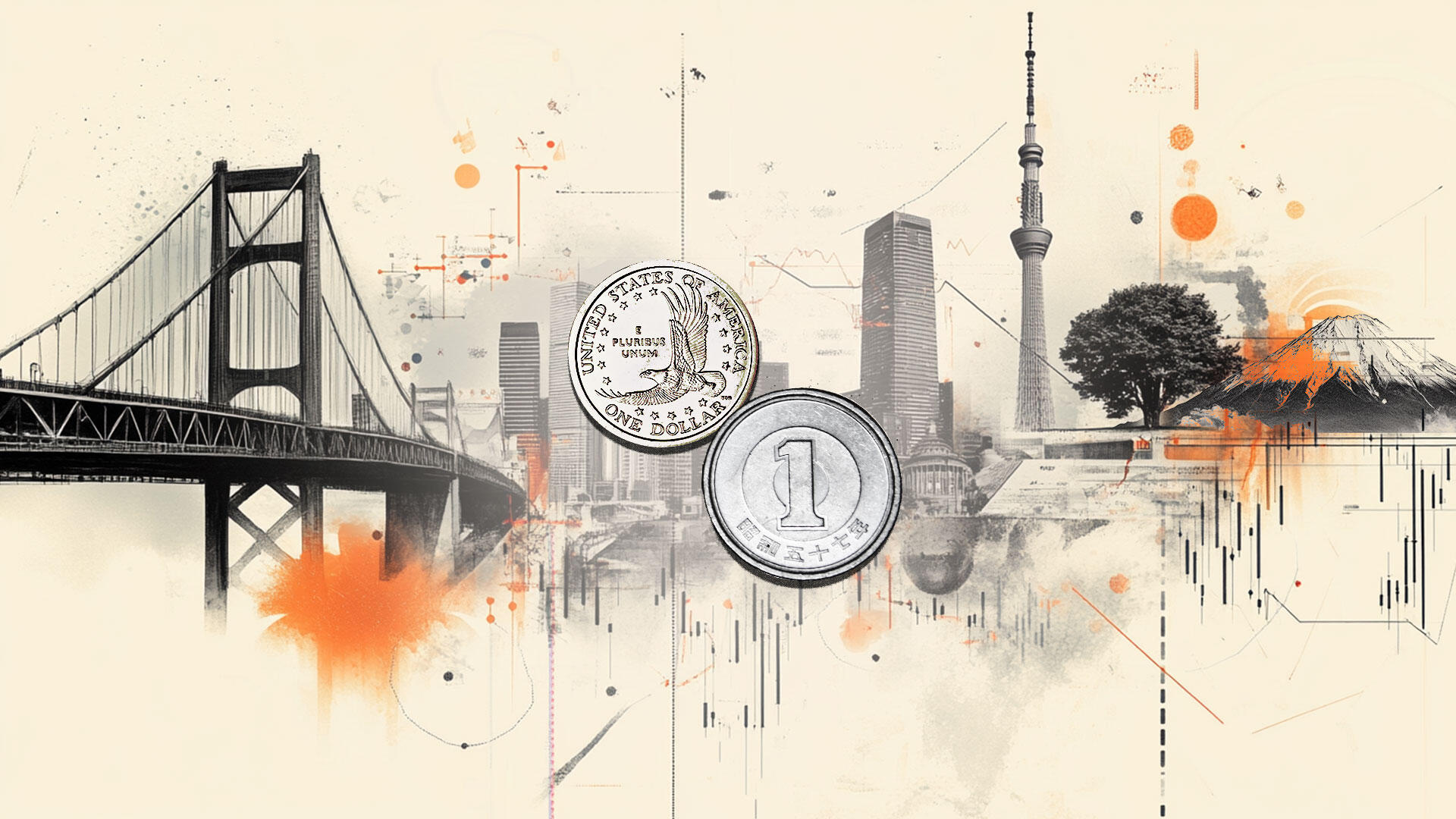


Japan's inflation surge and Bank of Japan rate hike cycle (June 2025-September 2026) creates immediate financial optimization opportunities for cross-border e-commerce sellers. Headline inflation reached 1.9% in July 2025 with wholesale inflation at 7.2%—the highest levels in years—driven by Iran conflict energy costs, yen depreciation, and supply chain disruptions. The BOJ raised rates to 1% in June 2025 (31-year high) and is expected to hike again to 1.25% at the September 17-18, 2026 policy meeting, with economists projecting two additional increases annually through 2027.
For sellers importing into Japan or exporting from Japan, this creates a critical FX arbitrage window. Current yen weakness (driven by rate differential with US/EU) means USD/JPY and EUR/JPY pairs are elevated. Sellers should immediately lock in forward contracts or use currency hedging products to protect against yen strengthening post-rate hikes. A 10% yen appreciation would increase import costs 5-7% for sellers buying Japanese goods in USD/EUR. Conversely, sellers exporting from Japan benefit from current weak yen competitiveness—this window closes as rates rise and yen strengthens through 2026.
Working capital optimization is urgent. Invoice financing and supply chain finance products targeting Japan-based suppliers are becoming more attractive as interest rates rise. Sellers should accelerate payment terms negotiation with Japanese manufacturers NOW while yen is weak—locking in favorable pricing before currency appreciation. The 7.2% wholesale inflation surge indicates supplier cost pressures will intensify; early payment discounts (2/10 net 30) could save 3-5% on sourcing costs before Q4 2025. Additionally, Japanese consumer purchasing power faces compression—71% of citizens express dissatisfaction with inflation management per Yomiuri poll—suggesting demand for imported goods may decline 3-6% as rate hikes reduce discretionary spending. Sellers should rebalance inventory allocation away from Japan-focused SKUs toward export-competitive products while yen weakness persists.
BOJ rate hikes from 1% (June 2025) toward 1.25% (expected September 2026) will strengthen the yen against USD/EUR by 8-12% over 12-18 months. This directly increases import costs for sellers buying Japanese goods in foreign currency—a 10% yen appreciation means 5-7% higher costs in USD/EUR terms. Sellers should immediately implement forward contracts or currency hedging to lock in current favorable rates before the September 2026 hike. For example, a seller importing ¥10M in goods at current rates pays ~$67K USD; post-appreciation, the same goods cost ~$72K USD. Hedging costs 1-2% but protect against this 5-7% swing.
The current yen weakness (driven by rate differentials with US/EU) creates a 6-12 month arbitrage window. Sellers exporting from Japan benefit from weak yen competitiveness—your products are 8-12% cheaper for foreign buyers NOW. Lock in export orders and pricing before yen strengthens post-rate hike. Simultaneously, sellers importing into Japan should accelerate purchases and negotiate long-term supply contracts at current weak-yen pricing. Interest rate parity suggests USD/JPY will decline 8-12% as BOJ raises rates; this is a predictable FX move. Use this window to rebalance sourcing—buy more from Japan now, export more from Japan now, before currency appreciation compresses margins.
Invoice factoring and supply chain finance products are increasingly competitive as BOJ rates rise. Providers like Alibaba Trade Assurance, TradeLens, and regional factors (Japan Credit Bureau) offer 8-12% APR for sellers with 30-90 day payment terms. This is attractive NOW because: (1) you can accelerate supplier payments to lock in volume discounts before price increases, (2) you free up working capital to rebalance inventory before demand shifts, (3) you hedge against yen appreciation by converting JPY to USD/EUR immediately. For sellers importing from Japan, PO financing (pre-shipment loans) at 6-10% APR allows you to buy more inventory at current weak-yen prices before rate hikes. Calculate ROI: if you can secure 3-5% supplier discounts through early payment, and financing costs 8-10%, net benefit is -2-5%—but you gain inventory flexibility and FX protection, which is worth 2-3% in risk premium.
Use a selective hedging strategy: (1) Hedge 100% of JPY liabilities (supplier payments due in next 6-12 months) using forward contracts—this is mandatory to protect margins. (2) Hedge 50-70% of JPY revenues (if you export from Japan) to maintain some upside if yen strengthens faster than expected. (3) Leave 30-50% unhedged to benefit from potential yen strength post-rate hike. Example: if you import ¥100M annually and export ¥50M, hedge ¥100M liabilities fully (forward contracts at current rates), hedge ¥25-35M of revenues (50-70%), leave ¥15-25M unhedged. Hedging costs 1-2% but protects 70-80% of margin risk. Avoid over-hedging—if yen strengthens 10% and you're 100% hedged, you miss 5-7% margin upside on exports. Rebalance quarterly as BOJ rate decisions approach (September 2026, December 2026, March 2027).
Use multi-currency payment providers (Wise, OFX, Remitly) that offer real mid-market rates with 1-2% fees, vs. traditional banks charging 3-5% spreads. For JPY transactions, negotiate payment in USD/EUR to avoid yen appreciation risk—your suppliers may accept this given their own FX hedging needs. Consider stablecoin payments (USDC, USDT) for instant settlement without FX conversion, though regulatory clarity in Japan remains evolving. For large transactions (>$100K), use forward contracts through FX specialists (OANDA, Interactive Brokers) to lock in rates 3-6 months ahead of BOJ meetings. This costs 0.5-1% but eliminates rate hike surprise. Avoid spot FX conversions during BOJ announcement windows (September 17-18, 2026)—volatility spikes 2-3% intraday.
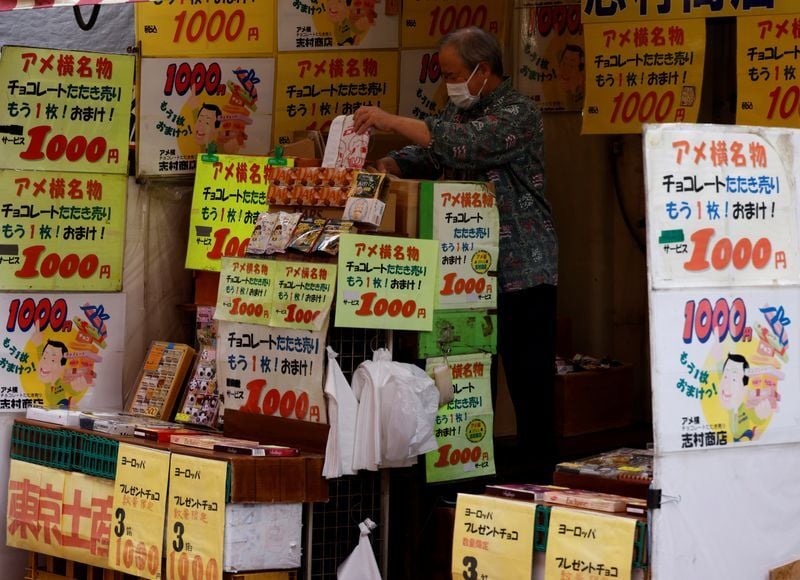
Japanese consumer inflation at 1.9% headline and 1.8% core (July 2025) means price elasticity is declining—consumers are price-sensitive. Avoid aggressive price increases; instead, optimize margins through cost reduction (supplier negotiations, logistics efficiency). For imported goods priced in JPY, implement dynamic pricing that adjusts for yen strength/weakness monthly. If you're exporting FROM Japan, increase prices 5-8% in USD/EUR now while yen is weak—this locks in margin before currency appreciation. On Rakuten and Amazon.jp, monitor competitor pricing weekly; as rate hikes strengthen yen (expected Q3-Q4 2026), imported goods become relatively more expensive, giving Japanese sellers advantage. Consider shifting to higher-margin categories (electronics, beauty) where consumers tolerate price increases, away from price-sensitive categories (apparel, home goods).
Wholesale inflation at 7.2% (July 2025) indicates Japanese manufacturers face severe cost pressures—electricity charges are the largest driver. These costs will filter into consumer prices with a 2-3 month lag, meaning supplier price increases are imminent. Economists predict core inflation will exceed 2% by autumn 2025 and reach 3% by March 2027. Sellers should negotiate long-term supply contracts NOW with Japanese suppliers, locking in current pricing before cost pass-through accelerates. Early payment discounts (2/10 net 30) could save 3-5% on sourcing costs. Consider supply chain finance products—invoice factoring or PO financing—to accelerate payment and secure volume discounts before supplier prices rise 5-8% through 2026.
Yes—71% of Japanese citizens express dissatisfaction with inflation management (Yomiuri poll, July 2026), and rate hikes will compress discretionary spending. As BOJ raises rates from 1% toward 1.25%+, borrowing costs increase, reducing consumer purchasing power. Economists project core inflation will reach 3% by March 2027, eroding real wages. Sellers should expect 3-6% demand compression for imported goods on Japanese e-commerce platforms through 2026-2027. Rebalance inventory allocation away from Japan-focused SKUs toward export-competitive products. Monitor Japanese consumer spending data monthly—if demand drops faster than expected, shift inventory to SEA/US markets where growth remains stronger.

BOJ rate hikes from 1% (June 2025) toward 1.25% (expected September 2026) will strengthen the yen against USD/EUR by 8-12% over 12-18 months. This directly increases import costs for sellers buying Japanese goods in foreign currency—a 10% yen appreciation means 5-7% higher costs in USD/EUR terms. Sellers should immediately implement forward contracts or currency hedging to lock in current favorable rates before the September 2026 hike. For example, a seller importing ¥10M in goods at current rates pays ~$67K USD; post-appreciation, the same goods cost ~$72K USD. Hedging costs 1-2% but protect against this 5-7% swing.
The current yen weakness (driven by rate differentials with US/EU) creates a 6-12 month arbitrage window. Sellers exporting from Japan benefit from weak yen competitiveness—your products are 8-12% cheaper for foreign buyers NOW. Lock in export orders and pricing before yen strengthens post-rate hike. Simultaneously, sellers importing into Japan should accelerate purchases and negotiate long-term supply contracts at current weak-yen pricing. Interest rate parity suggests USD/JPY will decline 8-12% as BOJ raises rates; this is a predictable FX move. Use this window to rebalance sourcing—buy more from Japan now, export more from Japan now, before currency appreciation compresses margins.
Invoice factoring and supply chain finance products are increasingly competitive as BOJ rates rise. Providers like Alibaba Trade Assurance, TradeLens, and regional factors (Japan Credit Bureau) offer 8-12% APR for sellers with 30-90 day payment terms. This is attractive NOW because: (1) you can accelerate supplier payments to lock in volume discounts before price increases, (2) you free up working capital to rebalance inventory before demand shifts, (3) you hedge against yen appreciation by converting JPY to USD/EUR immediately. For sellers importing from Japan, PO financing (pre-shipment loans) at 6-10% APR allows you to buy more inventory at current weak-yen prices before rate hikes. Calculate ROI: if you can secure 3-5% supplier discounts through early payment, and financing costs 8-10%, net benefit is -2-5%—but you gain inventory flexibility and FX protection, which is worth 2-3% in risk premium.
Use a selective hedging strategy: (1) Hedge 100% of JPY liabilities (supplier payments due in next 6-12 months) using forward contracts—this is mandatory to protect margins. (2) Hedge 50-70% of JPY revenues (if you export from Japan) to maintain some upside if yen strengthens faster than expected. (3) Leave 30-50% unhedged to benefit from potential yen strength post-rate hike. Example: if you import ¥100M annually and export ¥50M, hedge ¥100M liabilities fully (forward contracts at current rates), hedge ¥25-35M of revenues (50-70%), leave ¥15-25M unhedged. Hedging costs 1-2% but protects 70-80% of margin risk. Avoid over-hedging—if yen strengthens 10% and you're 100% hedged, you miss 5-7% margin upside on exports. Rebalance quarterly as BOJ rate decisions approach (September 2026, December 2026, March 2027).
Use multi-currency payment providers (Wise, OFX, Remitly) that offer real mid-market rates with 1-2% fees, vs. traditional banks charging 3-5% spreads. For JPY transactions, negotiate payment in USD/EUR to avoid yen appreciation risk—your suppliers may accept this given their own FX hedging needs. Consider stablecoin payments (USDC, USDT) for instant settlement without FX conversion, though regulatory clarity in Japan remains evolving. For large transactions (>$100K), use forward contracts through FX specialists (OANDA, Interactive Brokers) to lock in rates 3-6 months ahead of BOJ meetings. This costs 0.5-1% but eliminates rate hike surprise. Avoid spot FX conversions during BOJ announcement windows (September 17-18, 2026)—volatility spikes 2-3% intraday.
Japanese consumer inflation at 1.9% headline and 1.8% core (July 2025) means price elasticity is declining—consumers are price-sensitive. Avoid aggressive price increases; instead, optimize margins through cost reduction (supplier negotiations, logistics efficiency). For imported goods priced in JPY, implement dynamic pricing that adjusts for yen strength/weakness monthly. If you're exporting FROM Japan, increase prices 5-8% in USD/EUR now while yen is weak—this locks in margin before currency appreciation. On Rakuten and Amazon.jp, monitor competitor pricing weekly; as rate hikes strengthen yen (expected Q3-Q4 2026), imported goods become relatively more expensive, giving Japanese sellers advantage. Consider shifting to higher-margin categories (electronics, beauty) where consumers tolerate price increases, away from price-sensitive categories (apparel, home goods).
Wholesale inflation at 7.2% (July 2025) indicates Japanese manufacturers face severe cost pressures—electricity charges are the largest driver. These costs will filter into consumer prices with a 2-3 month lag, meaning supplier price increases are imminent. Economists predict core inflation will exceed 2% by autumn 2025 and reach 3% by March 2027. Sellers should negotiate long-term supply contracts NOW with Japanese suppliers, locking in current pricing before cost pass-through accelerates. Early payment discounts (2/10 net 30) could save 3-5% on sourcing costs. Consider supply chain finance products—invoice factoring or PO financing—to accelerate payment and secure volume discounts before supplier prices rise 5-8% through 2026.
Yes—71% of Japanese citizens express dissatisfaction with inflation management (Yomiuri poll, July 2026), and rate hikes will compress discretionary spending. As BOJ raises rates from 1% toward 1.25%+, borrowing costs increase, reducing consumer purchasing power. Economists project core inflation will reach 3% by March 2027, eroding real wages. Sellers should expect 3-6% demand compression for imported goods on Japanese e-commerce platforms through 2026-2027. Rebalance inventory allocation away from Japan-focused SKUs toward export-competitive products. Monitor Japanese consumer spending data monthly—if demand drops faster than expected, shift inventory to SEA/US markets where growth remains stronger.
BOJ rate hikes from 1% (June 2025) toward 1.25% (expected September 2026) will strengthen the yen against USD/EUR by 8-12% over 12-18 months. This directly increases import costs for sellers buying Japanese goods in foreign currency—a 10% yen appreciation means 5-7% higher costs in USD/EUR terms. Sellers should immediately implement forward contracts or currency hedging to lock in current favorable rates before the September 2026 hike. For example, a seller importing ¥10M in goods at current rates pays ~$67K USD; post-appreciation, the same goods cost ~$72K USD. Hedging costs 1-2% but protect against this 5-7% swing.
The current yen weakness (driven by rate differentials with US/EU) creates a 6-12 month arbitrage window. Sellers exporting from Japan benefit from weak yen competitiveness—your products are 8-12% cheaper for foreign buyers NOW. Lock in export orders and pricing before yen strengthens post-rate hike. Simultaneously, sellers importing into Japan should accelerate purchases and negotiate long-term supply contracts at current weak-yen pricing. Interest rate parity suggests USD/JPY will decline 8-12% as BOJ raises rates; this is a predictable FX move. Use this window to rebalance sourcing—buy more from Japan now, export more from Japan now, before currency appreciation compresses margins.