

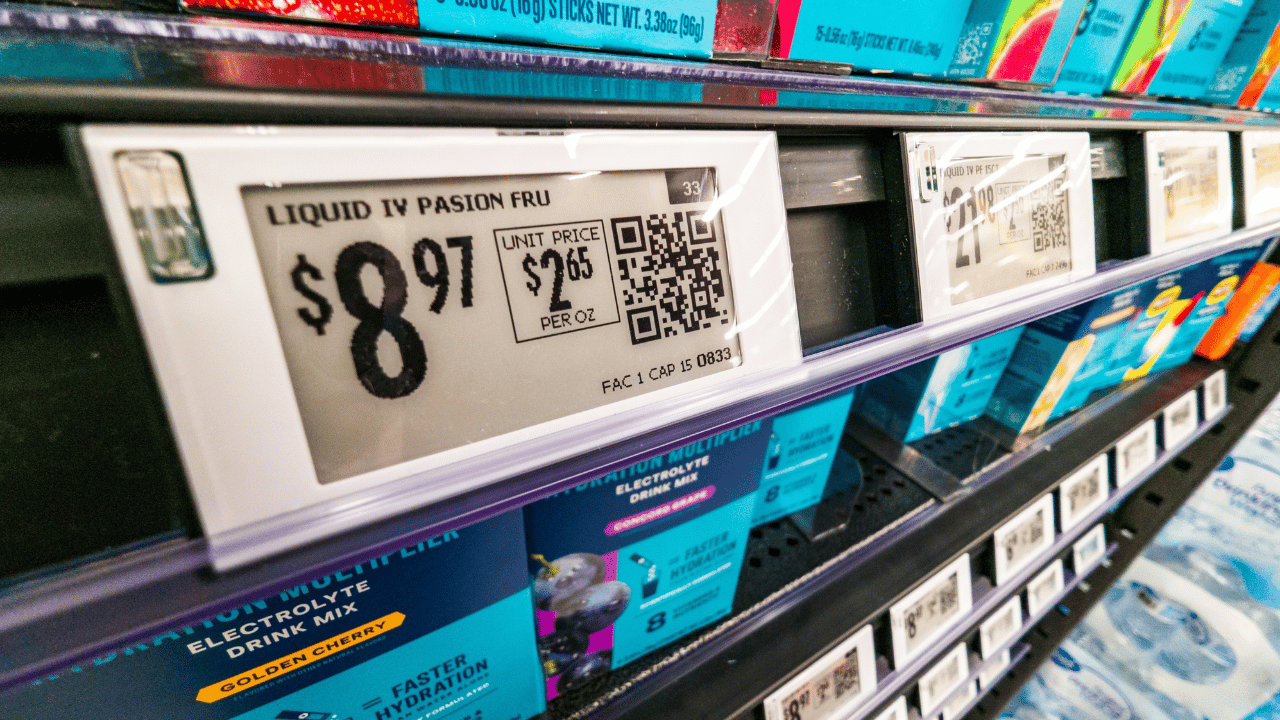


FTC Personalized Pricing Disclosure Rules | Critical Compliance for E-Commerce Sellers
- Requires transparent disclosure of dynamic pricing algorithms; affects Amazon, eBay, Shopify sellers with algorithmic pricing; compliance deadline TBD in public comment period














Overview
The Federal Trade Commission (FTC) issued a proposed enforcement policy statement on August 20, 2026, establishing that personalized pricing practices based on consumer data require transparent disclosure or face enforcement action under the FTC Act. This regulatory shift directly impacts e-commerce sellers using dynamic pricing tools on Amazon, eBay, and Shopify, requiring them to document pricing methodologies and disclose how personal data influences individual customer prices.
The compliance requirement is sweeping: The FTC's proposal mandates that retailers clearly disclose when personalized pricing is applied and explain price variations to consumers upon request. Recent investigations documented significant pricing disparities—a December 2025 Instacart investigation revealed price variations up to 23% for identical products from the same store, potentially costing families over $1,200 annually. Instacart subsequently ended its price testing program, signaling the regulatory pressure ahead. The FTC outlined specific examples of potentially illegal undisclosed pricing: grocery stores charging delivery customers more based on household composition, hotels charging higher rates for funeral attendees, and ride-hailing companies charging premium rates for hospital visits.
For cross-border e-commerce sellers, this creates immediate operational demands: Sellers must audit their pricing systems and modify backend algorithms to meet FTC transparency standards. The proposal applies to both online and brick-and-mortar retailers implementing algorithmic pricing systems, with particular scrutiny on practices that disproportionately affect vulnerable consumer segments. This aligns with similar transparency initiatives in the European Union and other jurisdictions, indicating a global trend toward stricter personalized pricing regulations. E-commerce platforms are expected to update seller guidelines and provide compliance tools, but sellers bear primary responsibility for documentation and disclosure implementation.
The competitive advantage lies in early compliance: Sellers who proactively implement transparent pricing disclosures will avoid potential regulatory penalties and maintain seller standing on major platforms. Non-compliant sellers face enforcement action, account suspension, and reputational damage. The proposal is currently in the public comment period with implementation timelines to be determined, but the regulatory direction is clear—personalized pricing without transparent disclosure is increasingly untenable in U.S. e-commerce.
Questions 7
Which e-commerce platforms are most affected by the FTC personalized pricing rules?
**Amazon, eBay, and Shopify** are explicitly mentioned as platforms where sellers must ensure pricing algorithms comply with FTC transparency standards. Amazon sellers using dynamic pricing features, eBay sellers with algorithmic repricing tools, and Shopify merchants with third-party pricing apps all face compliance obligations. These platforms are expected to update seller guidelines and provide compliance tools, but sellers bear primary responsibility for documentation. Smaller marketplaces and independent sellers using custom pricing algorithms also fall under FTC jurisdiction.
What specific pricing practices does the FTC consider illegal without disclosure?
The FTC outlined specific examples of potentially illegal personalized pricing: grocery stores charging delivery customers more for milk based on household composition, hotels charging higher rates for guests attending funerals, and ride-hailing companies charging premium rates for hospital visits. A December 2025 Instacart investigation revealed price variations up to 23% for identical products from the same store. The FTC prohibits any pricing adjustments based on estimated willingness to pay derived from shopping history and personal data without transparent disclosure to consumers.