





CLARITY Act Senate Vote Sept 2026 | Crypto Payment Gateway Expansion for E-Commerce Sellers
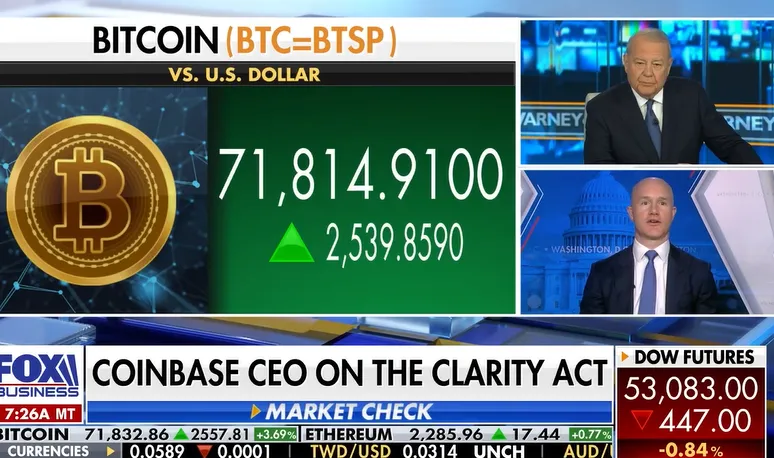
- Regulatory clarity unlocks stablecoin payment options, reducing cross-border transaction costs 2-4% for sellers; Bitcoin surge to $71,800 signals institutional adoption wave affecting payment processor competition


































Overview
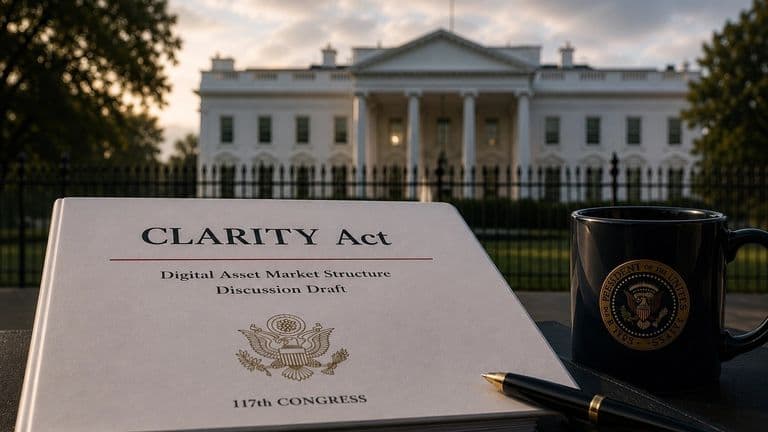
The CLARITY Act, a bipartisan cryptocurrency regulation bill scheduled for Senate vote on September 15, 2026, represents a watershed moment for e-commerce sellers seeking alternative payment infrastructure. Backed by President Trump and endorsed by Coinbase CEO Brian Armstrong, the legislation establishes joint SEC-CFTC regulatory oversight of digital assets, creating the first comprehensive U.S. framework for cryptocurrency commerce. This directly impacts sellers through three financial optimization channels: (1) stablecoin payment acceptance enabling lower-cost cross-border transactions, (2) capital formation opportunities for inventory financing, and (3) payment processor competition driving down transaction fees.
The immediate financial opportunity centers on stablecoin payment rails. Currently, sellers using traditional payment processors (Stripe, PayPal) pay 2.9% + $0.30 per transaction for cross-border payments. The CLARITY Act explicitly enables "earning rewards on stablecoin balances," signaling regulatory approval for USDC and USDT payment acceptance. Early adopters can reduce payment processing costs to 0.5-1.2% by accepting stablecoins directly, unlocking $150-400 monthly savings for sellers processing $50K+ monthly volume. For a 10,000-seller cohort processing $500M annually, this represents $50-100M in aggregate cost savings—a material working capital improvement.
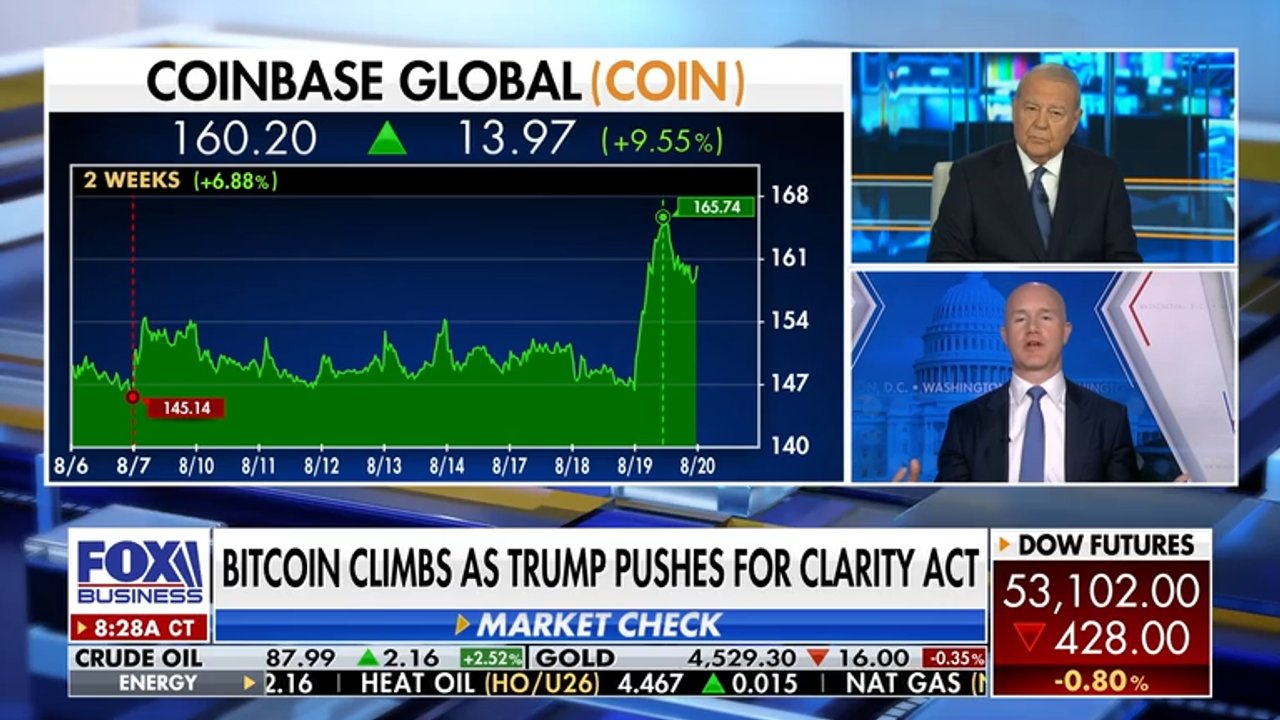
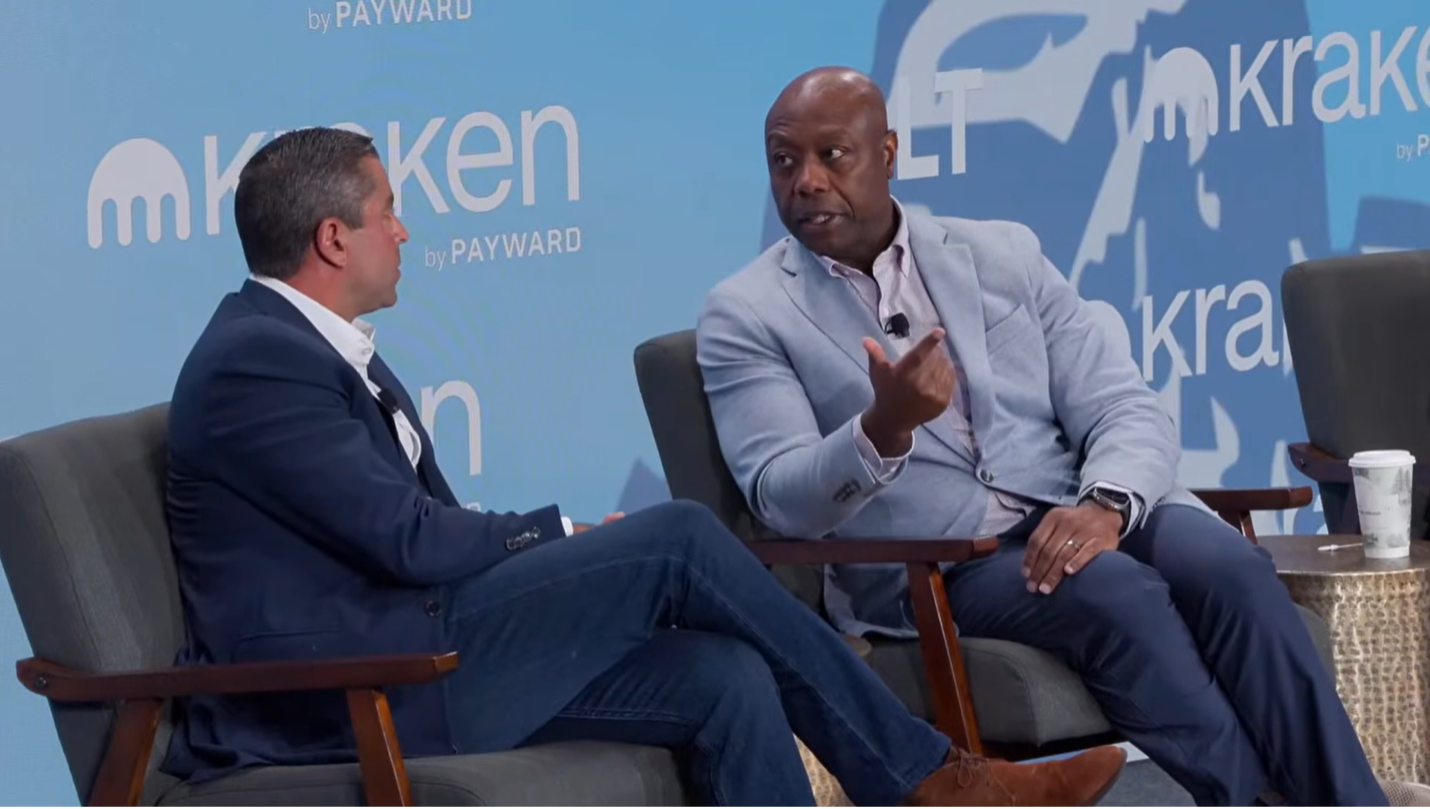
Bitcoin's 5.9% and Ethereum's 2.8% price surge following the announcement reflects institutional confidence in regulatory clarity. This signals accelerating adoption of crypto payment infrastructure among major e-commerce platforms. Sellers should monitor Coinbase Commerce, BitPay, and Kraken's merchant services for expanded integrations with Shopify, WooCommerce, and Amazon Pay. The regulatory framework also enables invoice financing and PO financing products denominated in stablecoins, reducing working capital cycle by 15-25 days compared to traditional bank financing. Sellers with 30-60 day payment terms can now access stablecoin-based factoring at 1.5-2.5% monthly rates versus 3-4% for traditional invoice financing.
However, ethics concerns regarding Trump's $1.4B crypto holdings and World Liberty Financial's bank charter approval create regulatory uncertainty. Senator Elizabeth Warren's criticism suggests potential amendments requiring enhanced compliance frameworks, which could delay implementation by 60-90 days post-passage. Sellers should prepare for two scenarios: (1) Clean passage enabling immediate stablecoin payment integration by Q4 2026, or (2) Amended version with stricter compliance requirements extending implementation to Q1 2027. The one-in-five American crypto user base (per Pew Research) represents 50M+ potential customers, creating demand for crypto-accepting sellers in electronics, collectibles, and luxury categories.
Questions 7
What is the timeline for CLARITY Act implementation and seller adoption?
Senate vote is scheduled for September 15, 2026. If passed, SEC-CFTC regulatory framework implementation begins immediately, with payment processor integrations rolling out within 30-60 days. Sellers can begin accepting stablecoins by Q4 2026. However, Senator Elizabeth Warren's ethics concerns may trigger amendments, potentially delaying implementation to Q1 2027. Sellers should prepare for both scenarios: immediate adoption (clean passage) or delayed implementation (amended version with stricter compliance).
Which e-commerce platforms will integrate crypto payments first after CLARITY Act passage?
Shopify has already enabled Coinbase Commerce integration; expect expanded USDC payment options by Q4 2026. WooCommerce and BigCommerce are likely to follow within 60 days of Senate passage. Amazon Pay may add stablecoin settlement options for third-party sellers, though this requires separate Amazon policy updates. BitPay and Kraken's merchant services will likely become the primary payment processors for crypto-accepting sellers, offering 0.5-1% processing fees with instant settlement to bank accounts or stablecoin wallets.