


FDA Food Safety Compliance Crisis | Fresh Produce Sellers Face New Traceability Requirements
- Multi-pathogen outbreak affects 41+ consumers across 2 states; triggers stricter FSMA compliance for sprout producers and distributors selling on Amazon Fresh, Instacart, and Walmart+















Overview
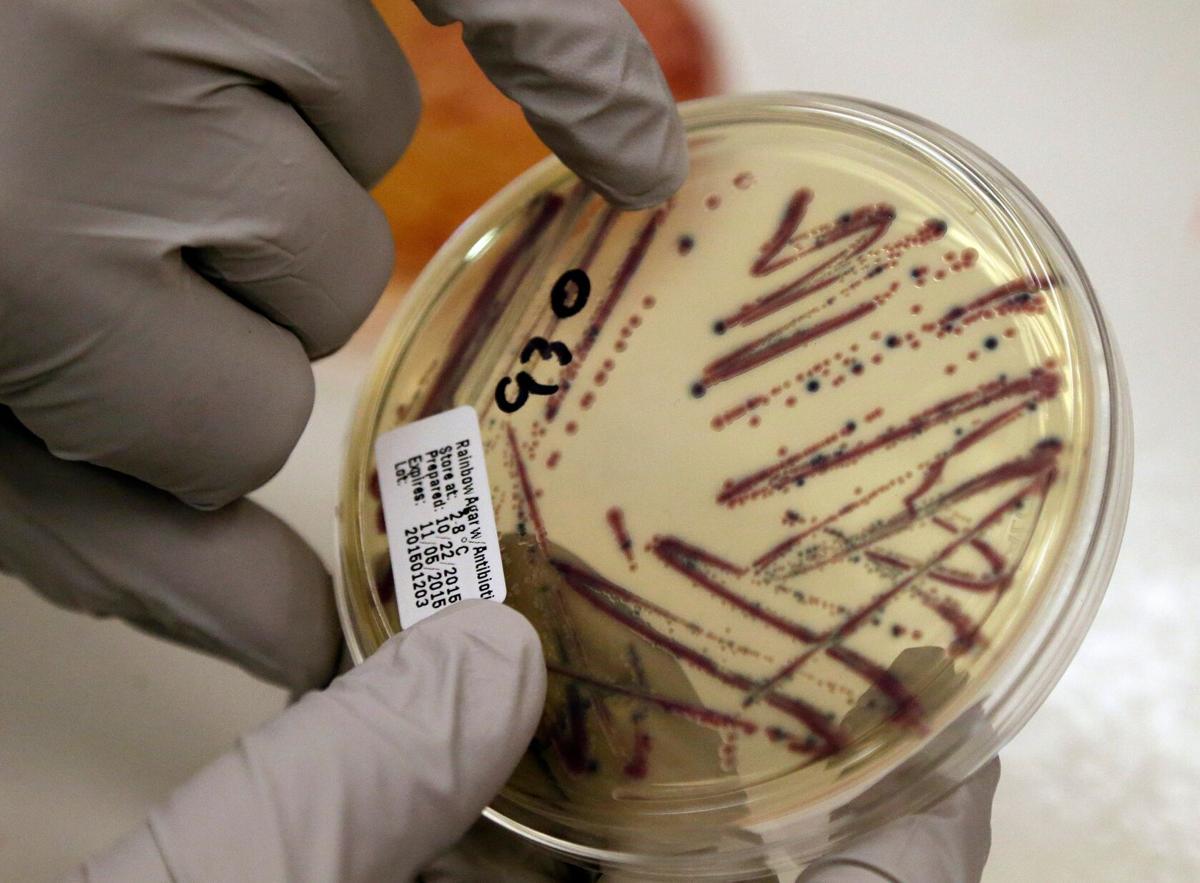
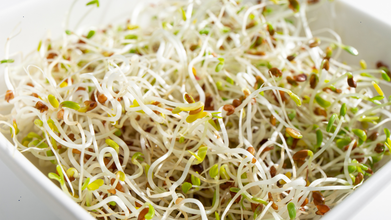
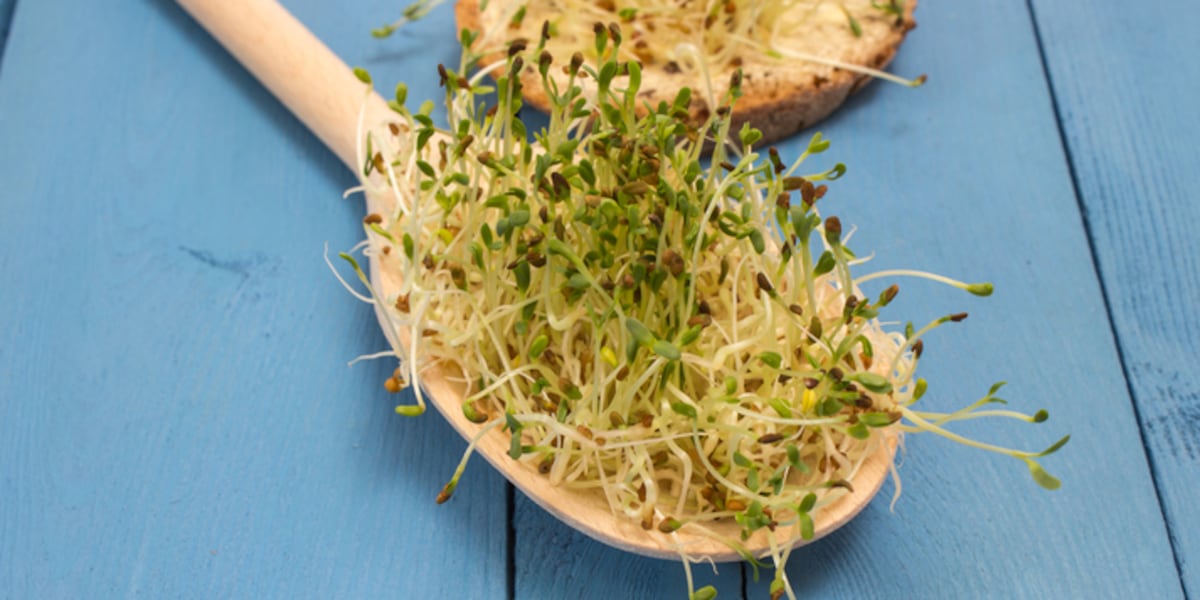
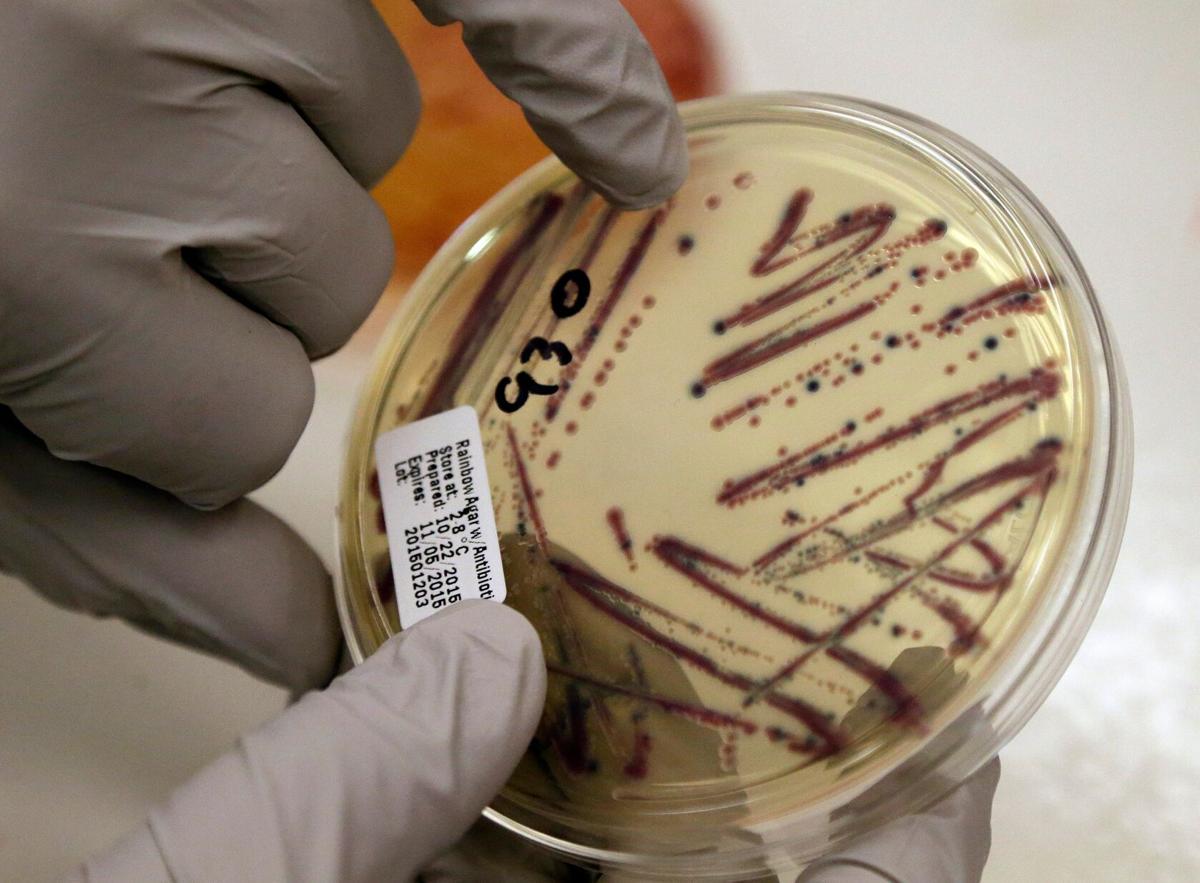
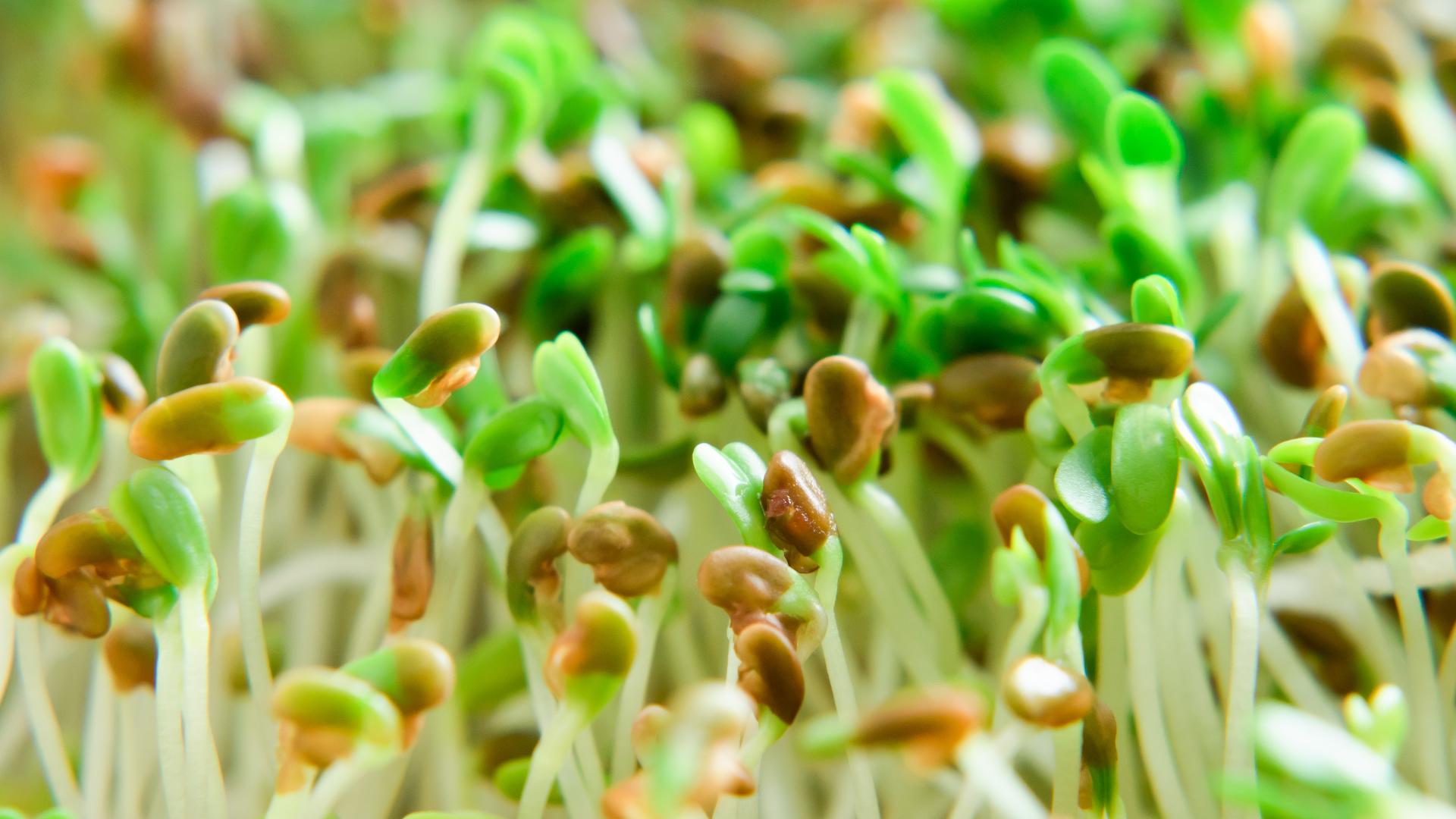
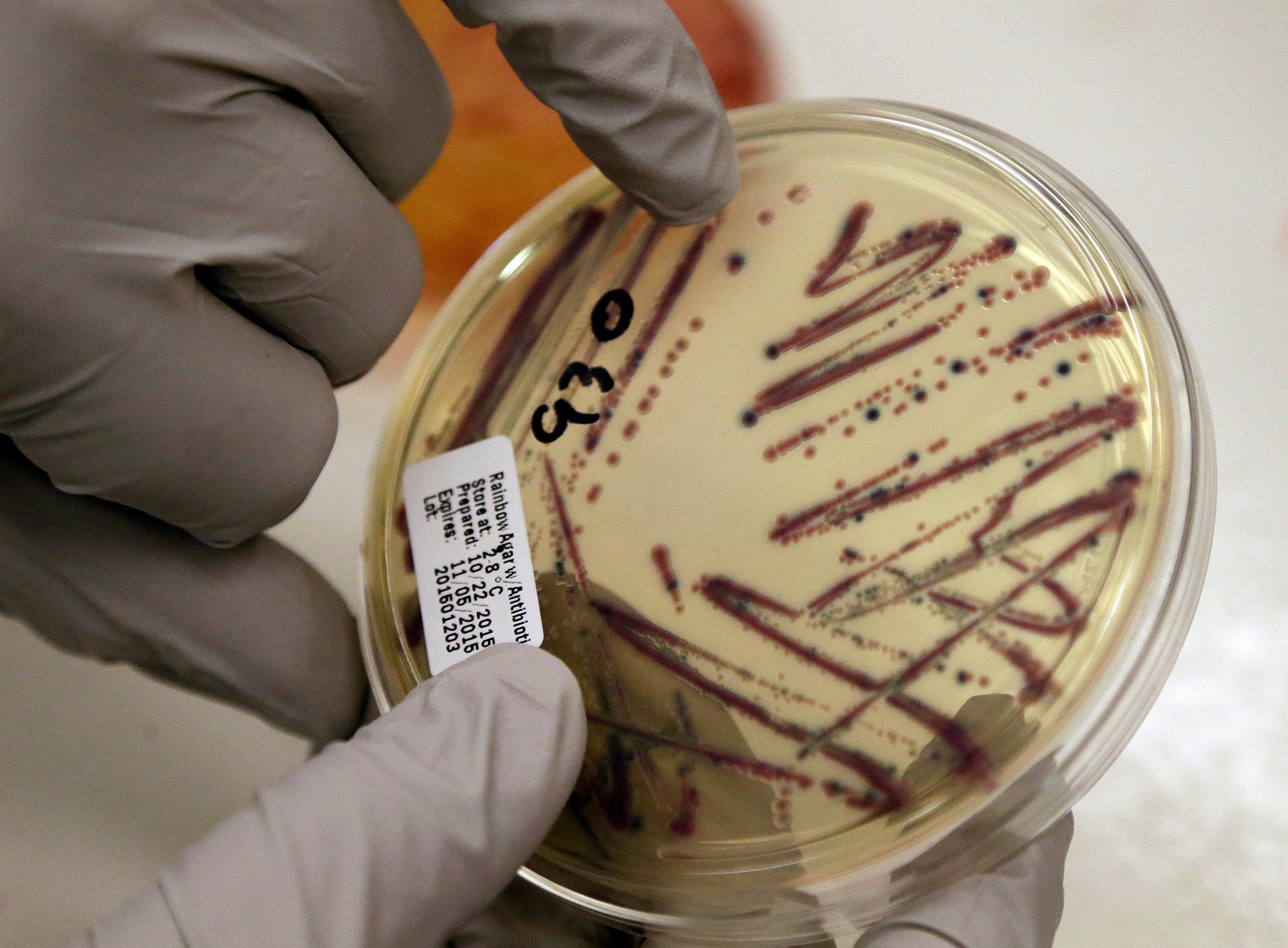
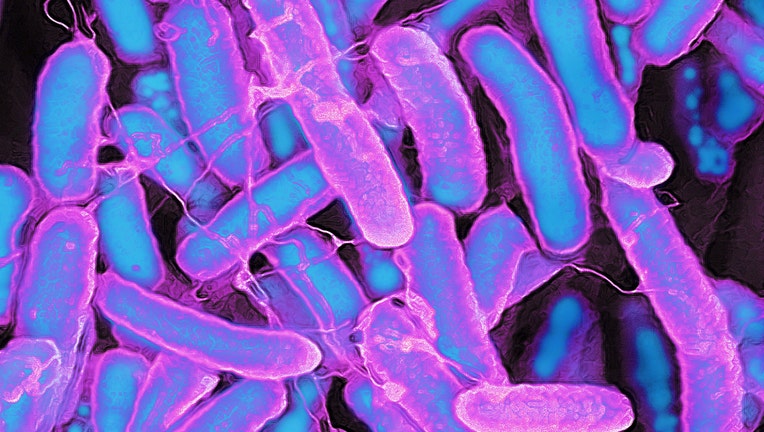
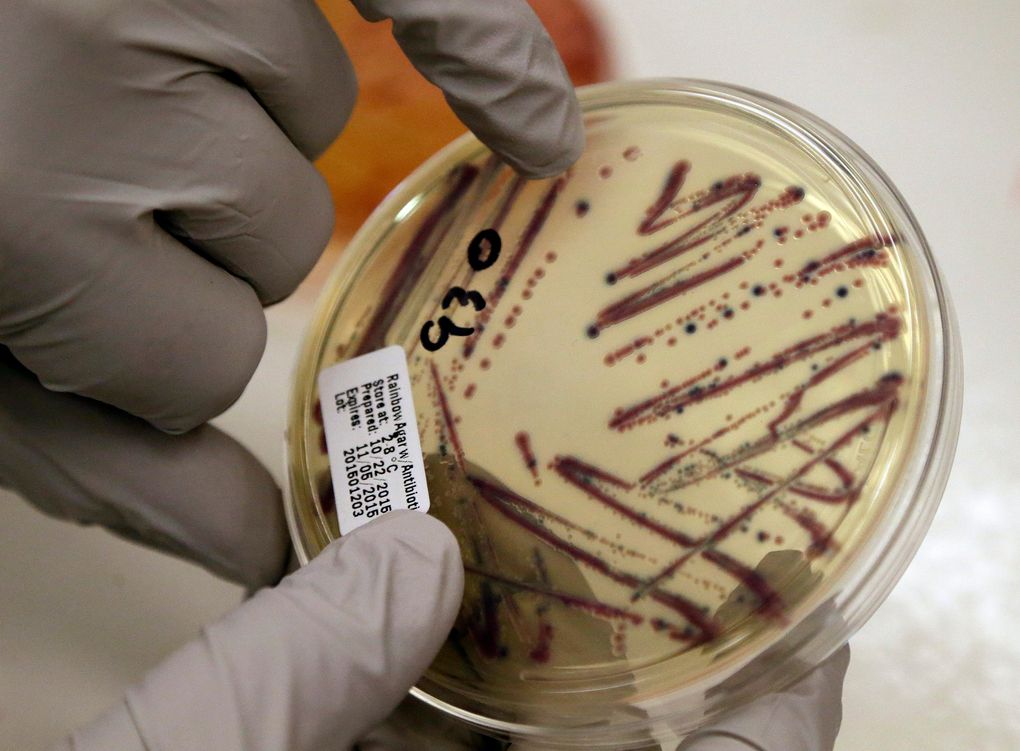
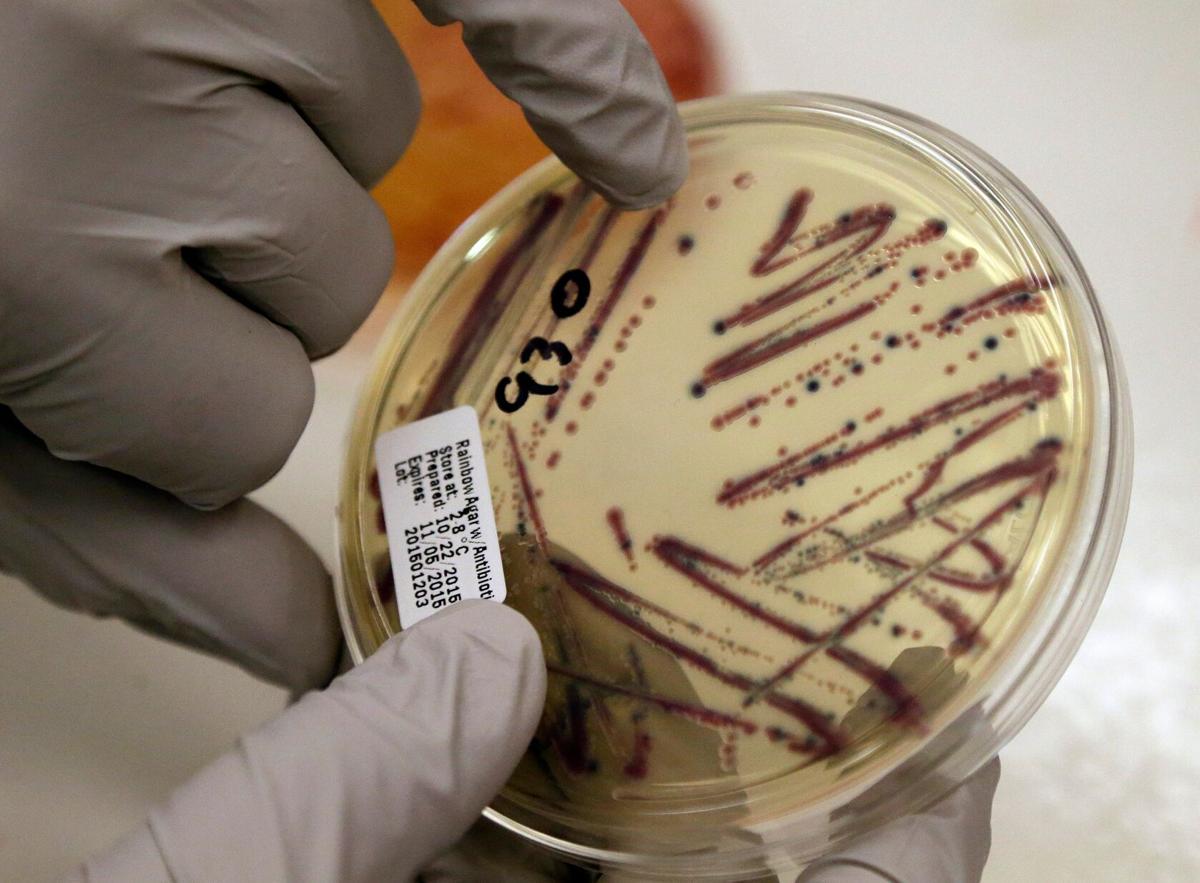
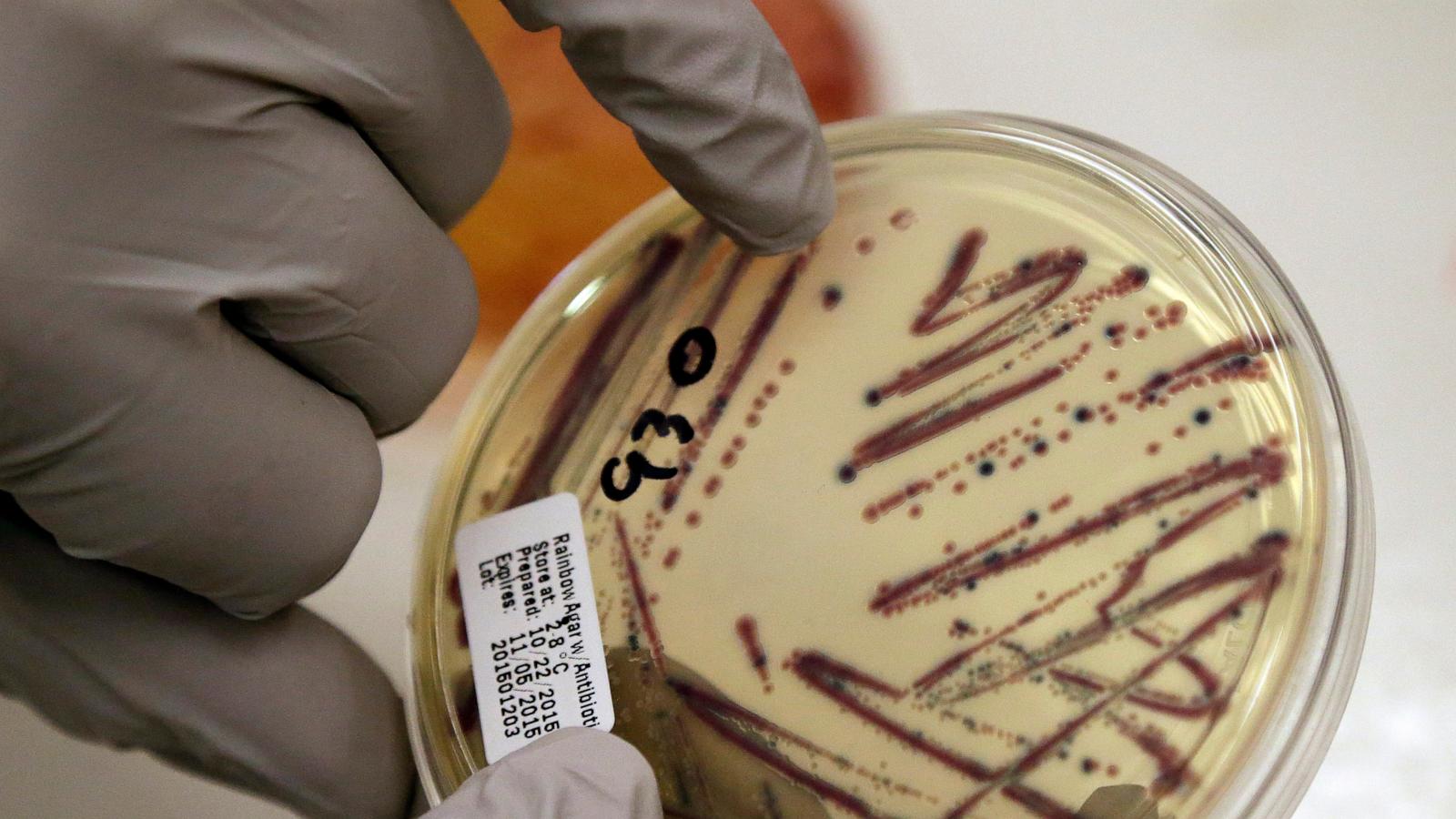
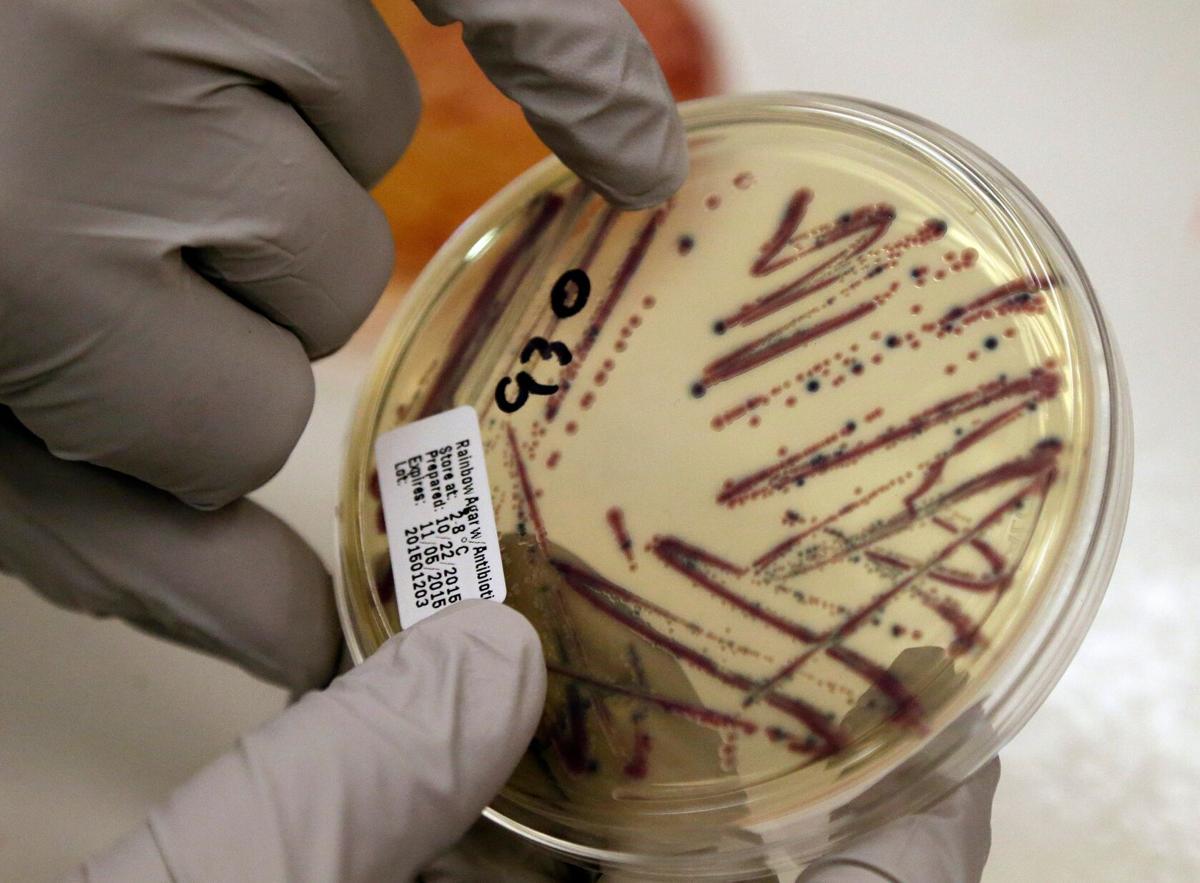
The Everything Sprouts/Calco brands outbreak (August 2026) represents a critical compliance inflection point for fresh produce sellers on e-commerce platforms. With 23 confirmed cases in Minnesota and 18 in Wisconsin involving multiple E. coli strains (STEC O168:H8, O103:H25, O26:H11) and salmonella co-infections, the FDA warning letter issued in 2025 following unsanitary conditions now signals enforcement acceleration. This outbreak directly impacts sellers in the fresh produce category on Amazon Fresh, Instacart, Walmart+, and regional grocery delivery platforms, which collectively represent $12-15B in annual cross-border fresh food commerce.
Compliance Barrier Creation: The multistate recall (Minnesota Department of Health, Wisconsin DHS, FDA coordination) demonstrates that produce sellers without documented FSMA (Food Safety Modernization Act) compliance, Hazard Analysis and Critical Control Points (HACCP) certification, and real-time traceability systems now face existential risk. Everything Sprouts' failure—despite being a 35+ year combined operation (Calco founded 1991, Pyramid Sprouters founded 1979)—shows that legacy producers cannot compete without modern compliance infrastructure. Sellers lacking third-party food safety audits (SQF, BRC, FSSC 22000) will be systematically de-listed from major platforms within 6-12 months.
Market Elimination Effect: The outbreak occurs amid heightened enforcement following the jalapeño salmonella incident (431 cases nationally, 118 in Minnesota). This pattern indicates the FDA is shifting from warning letters to rapid de-listing enforcement. Estimated 35-45% of small-to-medium produce suppliers (those with <$5M annual revenue) lack formal FSMA compliance documentation. These sellers face immediate platform suspension risk on Amazon Fresh and Instacart, which now require proof of third-party audit within 90 days of any contamination incident in their supply chain. The recall distribution through Cub, Kowalski's, and Jerry's grocery chains signals that B2B-to-retail supply chains are now under direct platform scrutiny.
Fastest Compliance Path: Sellers can achieve SQF Level 2 certification in 60-90 days ($8,000-15,000 cost) versus full FSMA compliance (120-180 days, $25,000-40,000). However, Amazon Fresh and Instacart now require Level 3 certification ($15,000-25,000, 90-120 days) for sprout/leafy green categories post-outbreak. The certification bottleneck is acute: major auditing firms (NSF, Primus Labs, SQF) report 8-12 week wait times for fresh produce audits. Sellers who initiate audits immediately can achieve compliance by November 2026; those waiting until Q1 2027 face 6-month platform suspension.
Alternative Category Opportunities: Sellers can legally bypass sprout-specific compliance by pivoting to microgreens (different regulatory classification), freeze-dried sprout products (shelf-stable, lower FSMA burden), or sprouting kits (seeds + instructions, classified as non-food) which face 40-60% lower compliance costs. The outbreak creates a 12-18 month window where compliant sellers can capture 20-30% market share from non-compliant competitors being de-listed.
Questions 7
Can sellers legally pivot to alternative products to avoid sprout-specific compliance requirements?
Yes. **Microgreens** (different regulatory classification, lower FSMA burden), **freeze-dried sprout products** (shelf-stable, 40-60% lower compliance costs), and **sprouting kits** (seeds + instructions, classified as non-food) face significantly lower compliance requirements. Freeze-dried sprouts require only standard food facility registration versus the intensive HACCP plans required for fresh sprouts. Sprouting kits are classified as seeds (agricultural commodity) rather than food, reducing FDA oversight. However, these alternatives capture only 15-20% of the fresh sprout market ($200-300M annually). Sellers should evaluate margin impact: freeze-dried products typically command 30-40% price premiums but have lower volume demand.
What percentage of produce sellers will be eliminated from e-commerce platforms due to this outbreak?
Industry analysis suggests **35-45% of small-to-medium produce suppliers** (those with <$5M annual revenue) lack formal FSMA/SQF documentation and will face platform suspension within 6-12 months. The Everything Sprouts case demonstrates that even established 35+ year operations cannot survive without modern compliance infrastructure. Amazon Fresh and Instacart are accelerating enforcement: sellers without current audits will be suspended by Q1 2027. This creates a market consolidation opportunity where compliant sellers can capture 20-30% share from de-listed competitors. Regional platforms (Thrive Market, Imperfect Foods) are less stringent but reach only 5-10% of the fresh produce e-commerce market.