

FDA Salmonella Alert on Jalapeños | Critical Compliance Requirements for Food Sellers
- 32-state outbreak with 400+ confirmed illnesses triggers stricter import documentation, increased FDA inspections, and platform verification requirements for fresh produce sellers






Overview
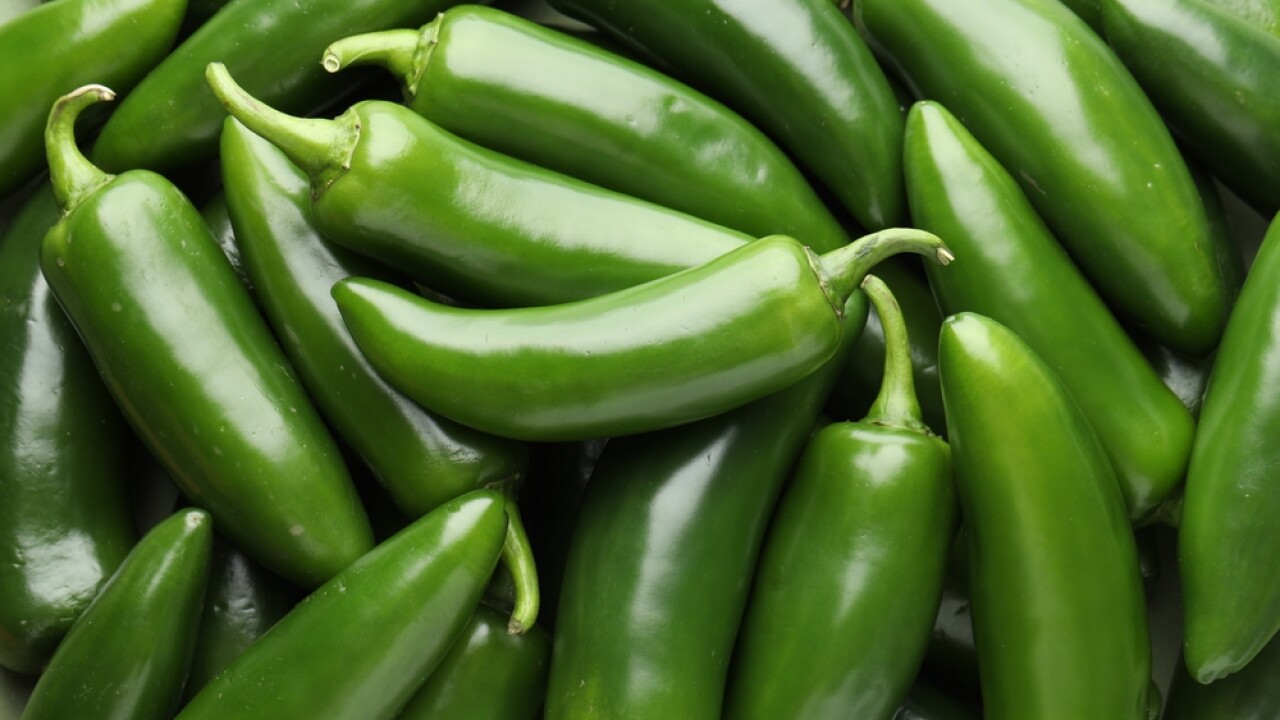
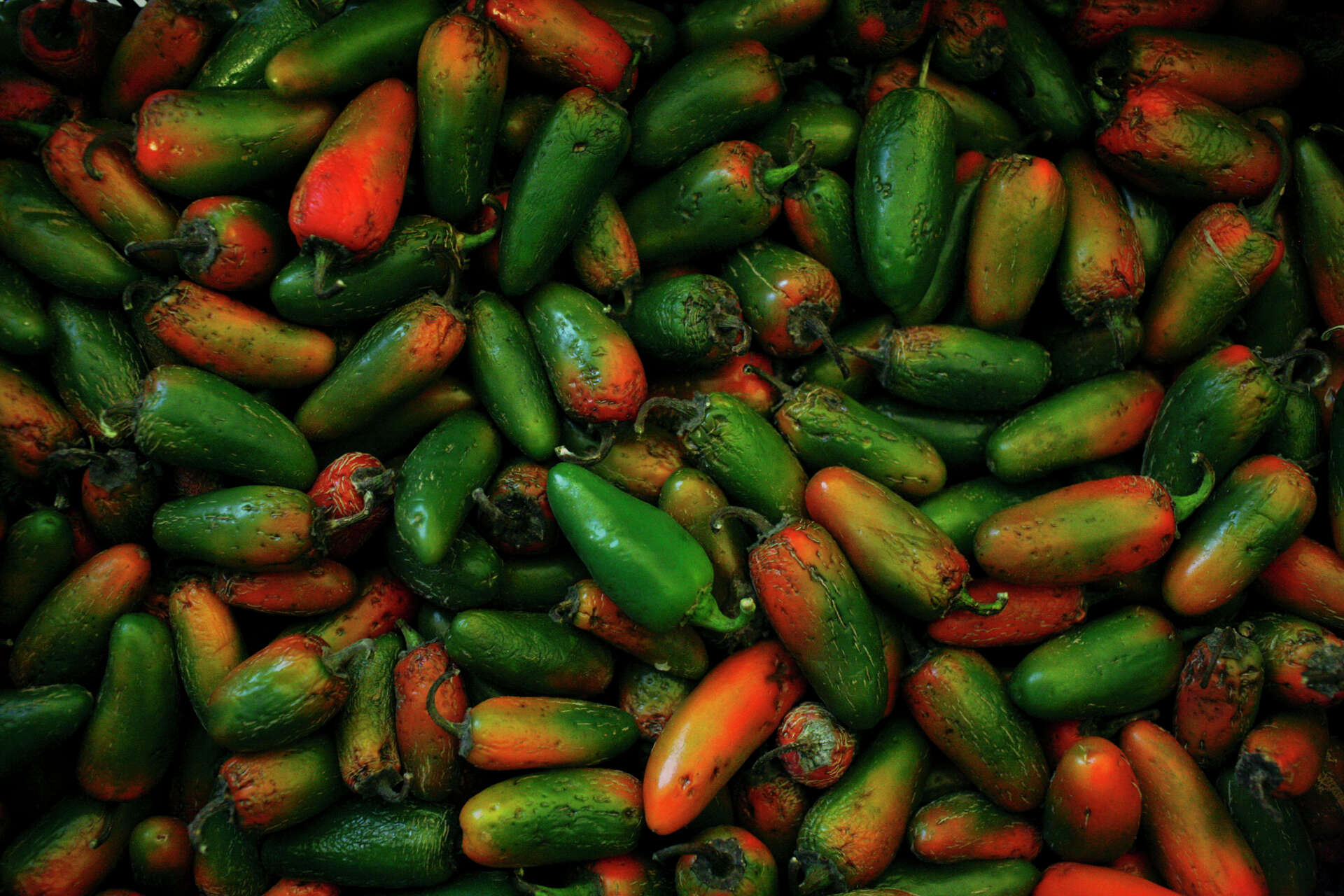
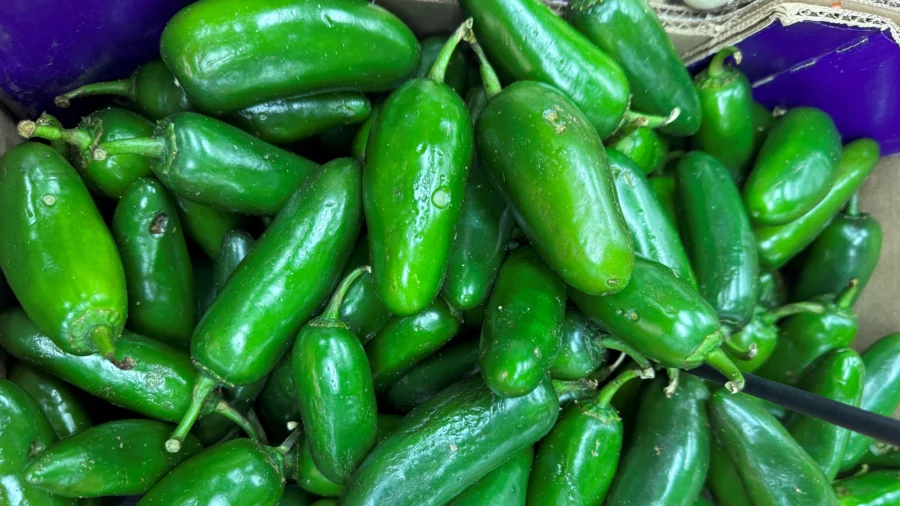
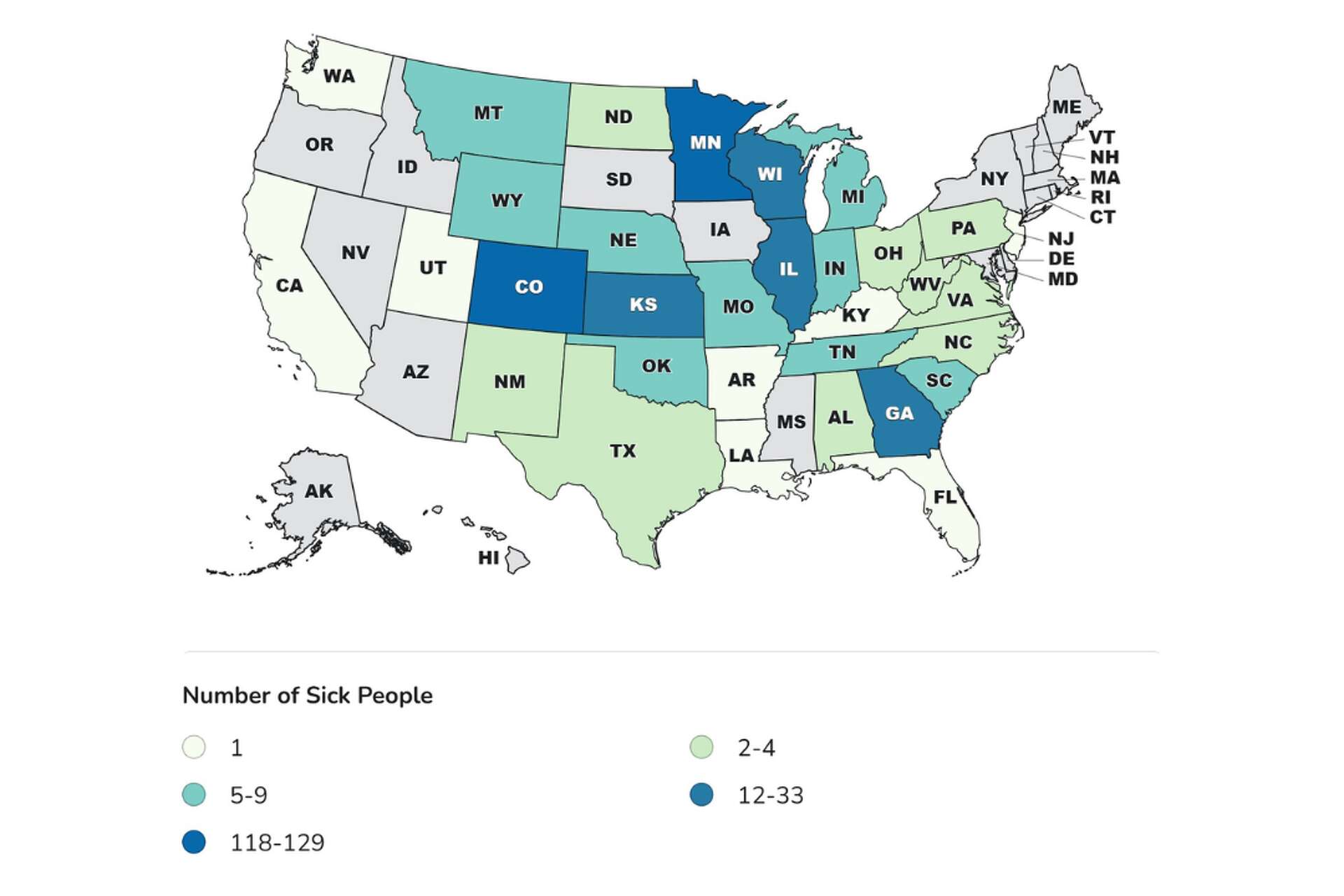
The FDA-confirmed Salmonella outbreak linked to jalapeño peppers affecting 32 U.S. states with over 400 reported illnesses represents a critical compliance inflection point for cross-border food sellers. This outbreak creates immediate regulatory pressure that will reshape competitive dynamics in the fresh produce e-commerce category. Sellers importing or distributing jalapeños, hot peppers, or pepper-containing products face three urgent compliance layers: (1) FDA import alerts and enhanced inspections on affected suppliers, creating 2-4 week shipment delays and 15-25% increased compliance costs; (2) platform-level verification requirements from Amazon, Walmart, and specialty food marketplaces demanding third-party food safety certifications (FSMA, HACCP, SQF Level 2); and (3) supply chain traceability documentation requirements that will eliminate non-compliant sellers within 60-90 days.
Compliance barriers create market consolidation opportunities. The FDA's investigation will likely result in import alerts on Mexican suppliers (jalapeños' primary source), forcing 40-60% of small sellers to exit the category or pivot to certified suppliers. Sellers with existing FSMA compliance, HACCP certifications, or third-party audits (SQF, BRC) gain 6-12 month competitive moats. The fastest compliance path: obtain FSMA Part 117 certification (8-12 weeks, $3,000-8,000) or partner with 3PL providers holding active SQF Level 2 certifications (2-3 week onboarding). Sellers can legally bypass jalapeño restrictions by pivoting to pre-processed, shelf-stable alternatives (dried peppers, pepper powders, pickled jalapeños in sealed jars) which face lower FDA scrutiny and require only standard food facility registration.
Service gap opportunity: compliance-as-a-service for produce sellers. Third-party auditors, supply chain verification platforms, and food safety consultants will see 200-300% demand surge. Sellers should immediately: (1) audit current jalapeño suppliers for FDA compliance status; (2) obtain written certifications from suppliers confirming FSMA compliance; (3) implement blockchain-based traceability systems (cost: $500-2,000/month) to document farm-to-consumer supply chains; (4) communicate sourcing transparency to customers via product listings and packaging. E-commerce platforms will implement mandatory food safety verification by Q1 2025, creating a 30-60 day window for sellers to demonstrate compliance before delisting. Non-compliant sellers face 90-day inventory holds, account suspension, and potential liability exposure. The outbreak accelerates consolidation toward larger, certified suppliers—a structural shift that protects compliant sellers while eliminating marginal competitors.
Questions 8
What documentation must sellers maintain to prove compliance?
Sellers must maintain: (1) supplier FSMA/HACCP certifications (updated annually); (2) farm-to-warehouse traceability records (lot numbers, dates, locations); (3) third-party audit reports (SQF, BRC, or equivalent); (4) product testing results for Salmonella (if applicable); (5) corrective action documentation for any compliance gaps. Blockchain-based systems can automate documentation and provide real-time audit trails for platform verification. Sellers should store documentation in cloud systems accessible to platforms and FDA inspectors. The FDA may conduct surprise inspections, requiring sellers to produce documentation within 24 hours. Failure to maintain records results in import alerts, delisting, and potential criminal liability.
Which product categories can legally bypass jalapeño restrictions?
Sellers can pivot to pre-processed, shelf-stable alternatives including dried peppers, pepper powders, pickled jalapeños in sealed jars, and pepper-based sauces. These products face lower FDA scrutiny because processing and preservation reduce Salmonella risk. Dried peppers require only standard food facility registration (not FSMA Part 117). Pickled products in sealed containers fall under acidified food regulations (simpler compliance than fresh produce). Pepper powders and spice blends require facility registration and labeling compliance but avoid fresh produce import restrictions. These alternatives typically offer 20-30% higher margins than fresh jalapeños due to lower spoilage and longer shelf life.