


AR Smart Glasses Market Bifurcation | RayNeo's Dual-Segment Strategy Signals $8B+ Wearable Opportunity for Sellers
- RayNeo launches minimalist (33g) and maximalist (68-78g) AR glasses September 4th, creating distinct product categories worth $2-3B annually by 2026; sellers can capitalize on emerging wearable accessories, translation services, and AR-compatible content markets




Overview
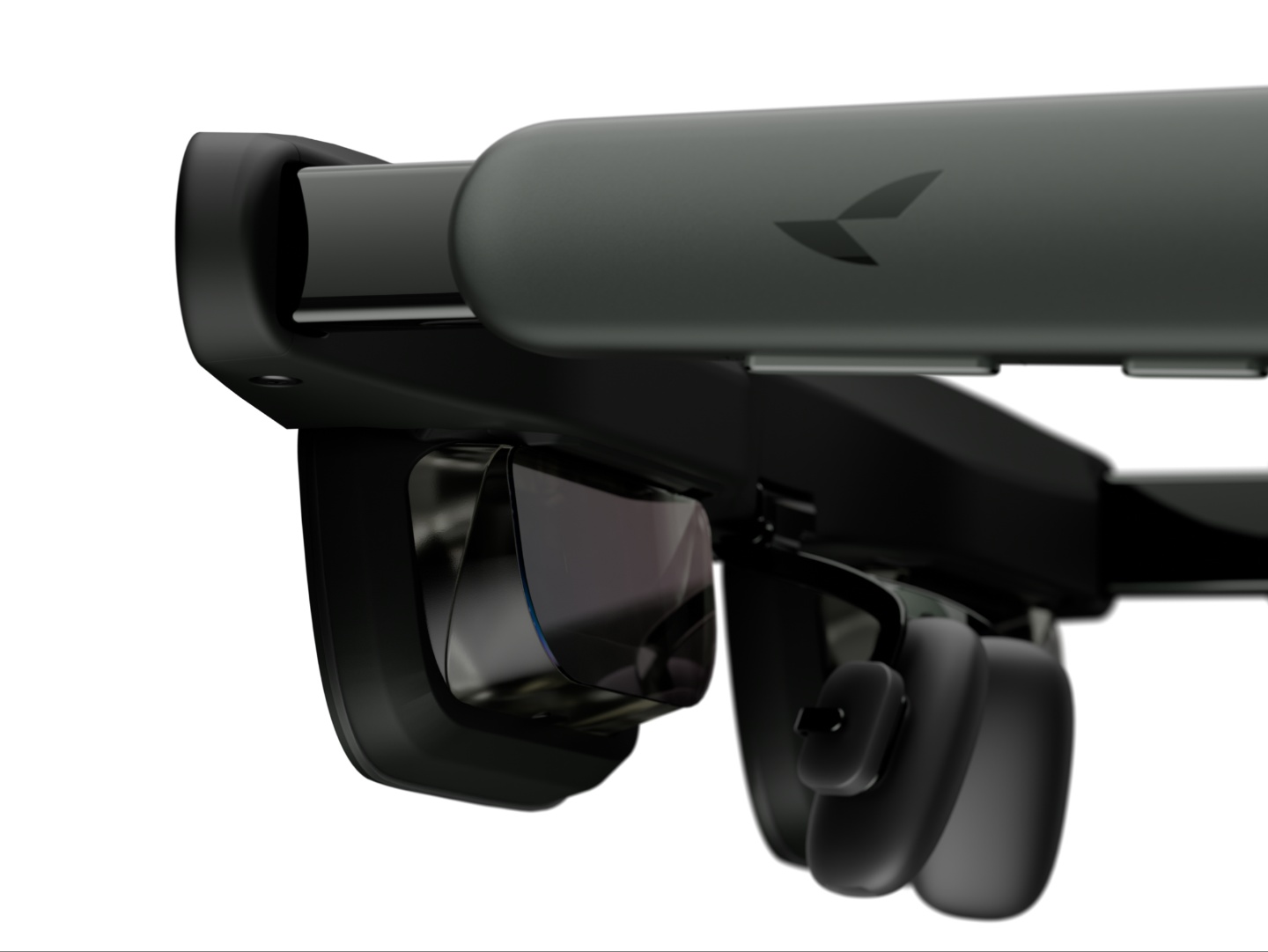
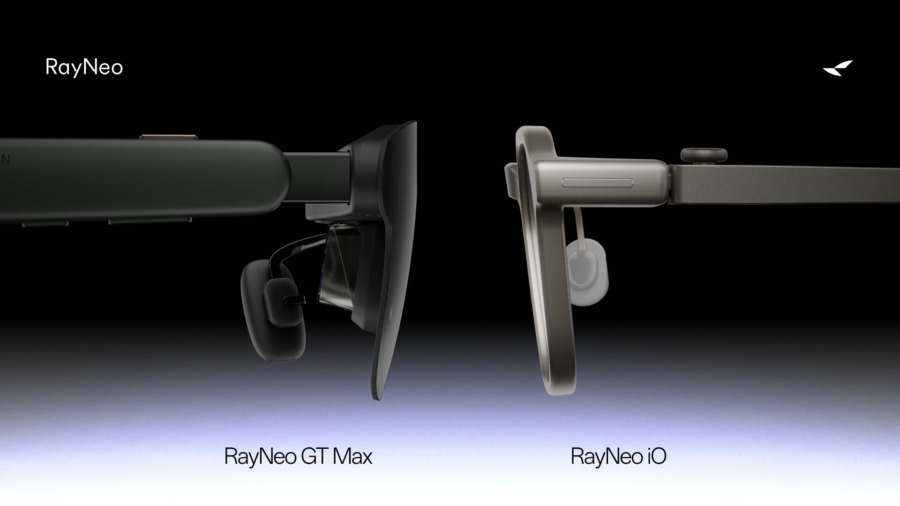
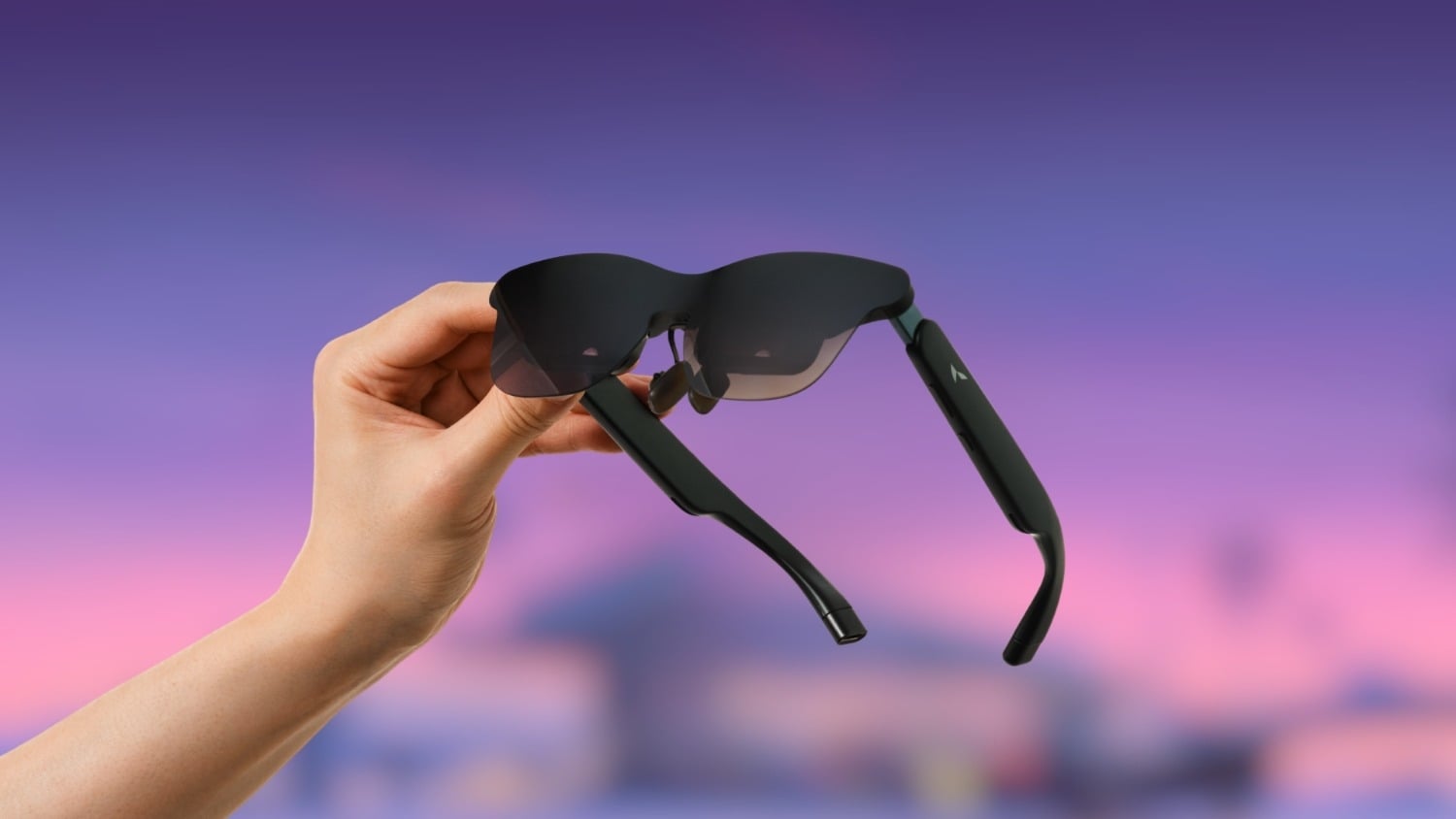
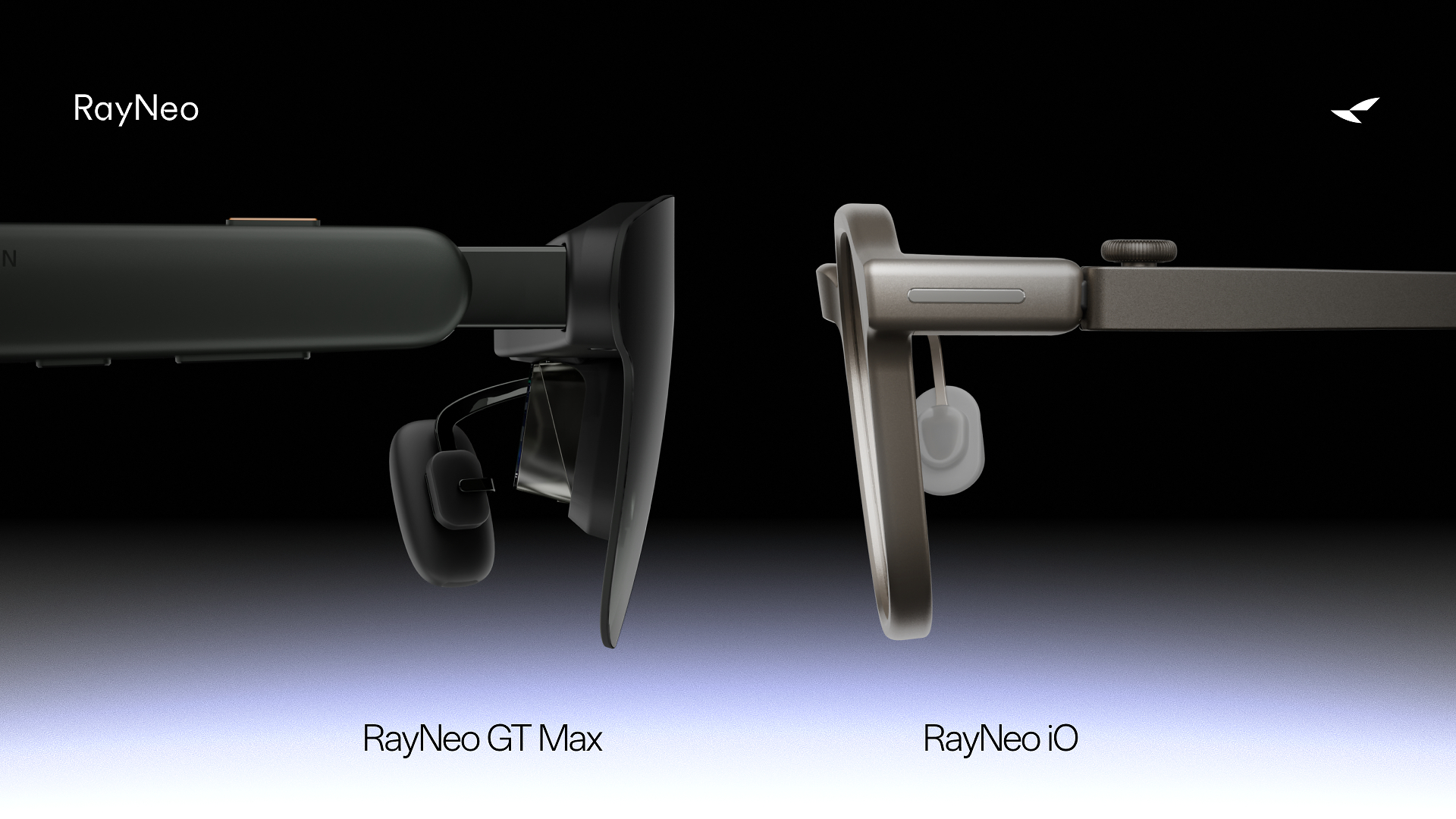
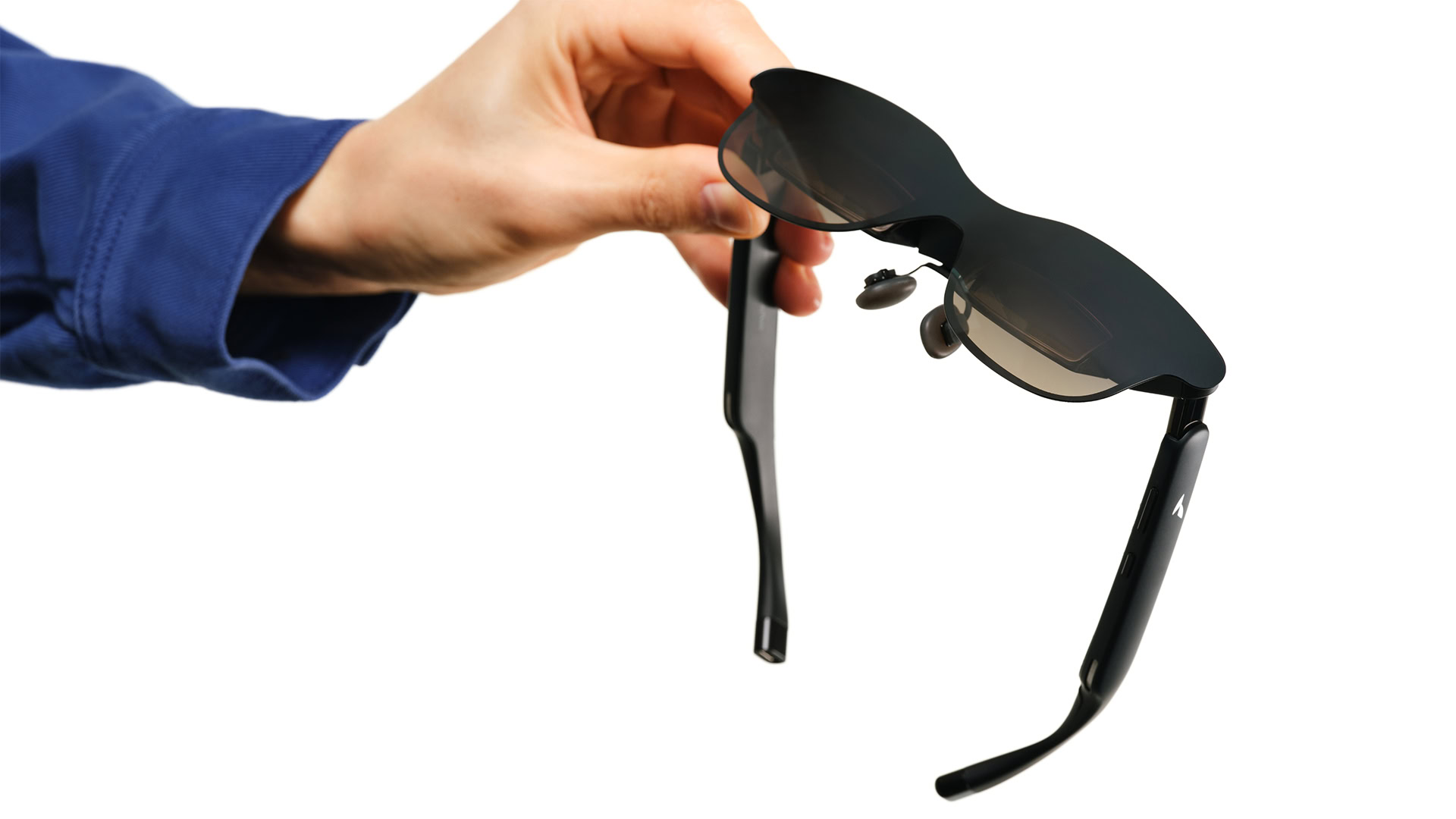
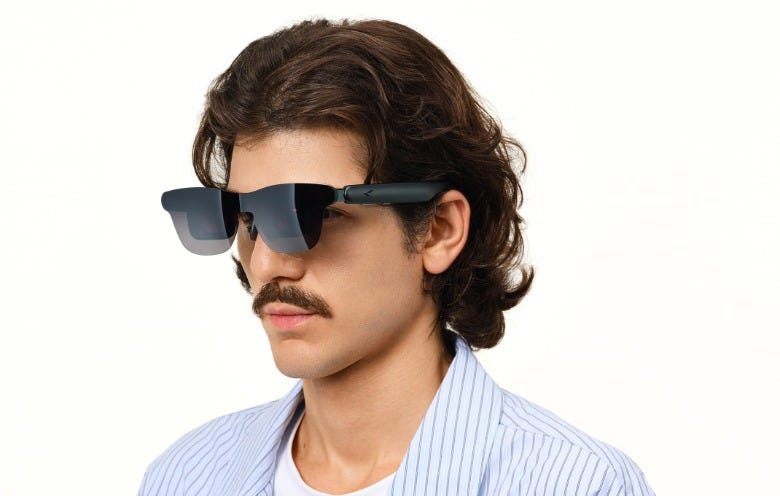
RayNeo's September 4th launch of dual AR smart glasses lines represents a critical inflection point for e-commerce sellers entering the wearable technology market. The company's strategic bifurcation—minimalist iO glasses (33 grams, monochrome display, voice-focused) versus maximalist GT/GT Max (68-78 grams, cinema-grade displays up to 307 inches virtual projection)—reveals how the $8B+ global AR wearables market is fragmenting into distinct consumer segments with fundamentally different use cases and purchasing behaviors.
The AI-Powered Productivity Angle: RayNeo's iO glasses emphasize AI-driven features including real-time translation across 55 languages with one-second latency, action item extraction, and calendar integration. This positions AR glasses as enterprise productivity tools, not just consumer entertainment devices. Sellers should immediately recognize this creates demand for: (1) AR-compatible productivity software and plugins, (2) translation service subscriptions, (3) enterprise licensing bundles, and (4) B2B integration tools. The 55-language translation capability via Timekettle BabelOS 3.0 specifically targets cross-border commerce professionals, international teams, and multilingual customer service operations—a $12-15B addressable market segment currently underserved.
The Dual-Display Strategy Reveals Market Maturity: RayNeo's inability to create a single device serving both everyday wear and immersive experiences (as stated in the news) indicates current AR technology cannot yet deliver both form factors simultaneously. This technological constraint creates immediate seller opportunities: (1) accessory ecosystems (protective cases, lens protectors, charging solutions), (2) content libraries optimized for each form factor, (3) switching/docking solutions between devices, and (4) complementary hardware like the Pocket TV Pro streaming device. The GT Max's 307-inch virtual display projection with Dolby Vision HDR support and Bang & Olufsen audio co-tuning signals premium positioning—sellers can target high-income consumers ($50K+ annual spend on tech) willing to pay $800-1,500+ per device.
Competitive Intelligence for Sellers: RayNeo positions itself against Meta's Ray-Ban Display and Xreal's One Pro. This three-way competition creates pricing pressure and feature differentiation opportunities. Sellers should monitor: (1) which platform (iOS/Android/proprietary OS) each device prioritizes, (2) app ecosystem maturity, (3) developer tool availability, and (4) third-party accessory support. The IFA Berlin showcase (early September) will reveal retail partnerships and distribution channels—sellers should track which marketplaces (Amazon, Best Buy, specialized tech retailers) secure exclusive or preferred placement.
Immediate Seller Actions: With pricing unannounced and retail launch pending, sellers have 30-60 days to prepare: (1) source compatible accessories (cases, screen protectors, charging docks) from manufacturers, (2) develop AR-compatible content or services, (3) establish pre-order campaigns on Amazon/Shopify, (4) create comparison content (iO vs GT vs competitors), and (5) build email lists targeting early adopters in tech/productivity categories. The two-day battery life on iO glasses and 6.2-hour translation runtime create recurring demand for portable chargers and power banks—a $2-4B category opportunity.
Questions 8
What are the long-term market implications of RayNeo's dual-segment strategy for sellers?
RayNeo's inability to create a single device serving both everyday wear and immersive experiences indicates the AR market will remain bifurcated for 3-5 years, creating sustained demand for both form factors. This means: (1) sellers should prepare for a $2-3B annual market by 2026 split between minimalist and maximalist segments, (2) accessory ecosystems will become critical differentiators (40-60% of total AR wearable revenue), (3) software and services (translation, productivity, entertainment) will drive recurring revenue, and (4) enterprise/B2B opportunities will grow faster than consumer markets. The technological constraint RayNeo acknowledges suggests competitors will face similar limitations, reducing the risk of a single dominant device. Sellers should build diversified portfolios across both segments and develop complementary services (software, subscriptions, enterprise solutions) to maximize lifetime customer value. The market is moving from hardware-centric to ecosystem-centric competition, favoring sellers with strong software and service capabilities.
How should sellers position AR glasses in their product catalogs and marketing?
Sellers should create distinct product categories for iO (productivity/business) and GT (entertainment/premium) glasses, recognizing they serve different buyer personas. For iO: emphasize real-time translation (55 languages), AI productivity features, all-day wearability (33g), and business use cases (international teams, customer service, cross-border commerce). For GT: highlight cinema-grade displays (307-inch projection), premium audio (Bang & Olufsen), immersive entertainment, and luxury positioning. Create separate landing pages, comparison guides, and email campaigns for each segment. Use A+ content on Amazon to showcase specifications, battery life, and use cases. Develop video content demonstrating translation capabilities and productivity features. Target iO buyers through LinkedIn and business publications; target GT buyers through tech enthusiast communities and premium lifestyle channels. Emphasize the September 4th launch date and limited initial availability to create urgency.